
Knees complaining on the hills? Let’s fix that
Mill Hill is made for walking and running: the Totteridge Valley, Arrandene Open Space, Moat Mount and the Dollis Valley Greenwalk. Its hills are also tough on knees. Here is what usually causes knee pain and what helps.
★★★★★ 5.0 on Google from 105 reviews of our Mill Hill clinic
Quick answer: Most knee pain in walkers and runners comes from load rather than damage: pain at the front of the knee, tendon pain below the kneecap or the outside of the knee, or osteoarthritis in older adults. Strengthening and adjusting how much you do usually help. BOOST PHYSIO Mill Hill is at 1 Flower Lane, NW7 2JA.
Common causes of knee pain on foot
Front of knee pain
Patellofemoral pain
An ache around or behind the kneecap, worse on stairs, downhill and after sitting. Very common in runners and walkers.
Patellar tendon pain
Just below the kneecap
Pain with jumping, running hills or squatting, sometimes called jumper’s knee.
Outside of the knee
ITB-related pain
Sharp pain on the outside of the knee, often a set distance into a run or walk.
Knee osteoarthritis
Stiffness and ache
Stiffness first thing, pain after longer walks. Strengthening and staying active are the most effective treatments.
Meniscus problems
Twisting, catching
Pain with twisting or deep bending, sometimes with clicking or catching.
Hills put far more load through the front of the knee than flat ground, especially going downhill. That is why many of our Mill Hill patients notice pain coming down Holcombe Hill or the slopes of the Totteridge Valley rather than on the flat.
The fix is rarely to stop walking or running. It is to build strength in the thigh, hip and calf, adjust distance and terrain for a while, then build back up.

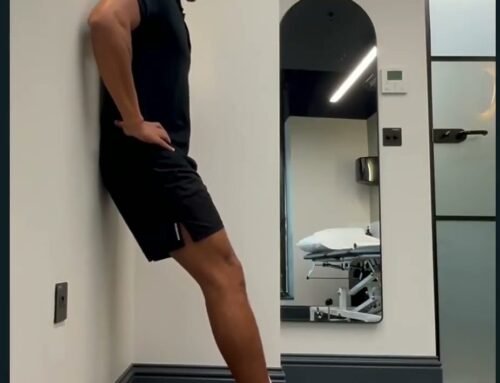
Pain at the front of the knee when squatting? It could be this
Book a knee assessment in Mill Hill
No GP referral needed. Book online, call us or send a WhatsApp.
What helps
- Reduce, do not stop: shorter routes, fewer hills and more flat ground for a few weeks
- Strengthen the quadriceps, hips and calves two to three times a week
- Pain during exercise up to about 3 out of 10 that settles by the next day is usually fine
- Build distance back gradually, by roughly 10 to 20 percent a week
- Check footwear, and for runners, cadence and weekly mileage
Exercise
therapy is the core recommended treatment for patellofemoral pain
Crossley et al, Br J Sports Med 2016
First line
treatment for knee osteoarthritis is exercise and education
NICE NG226, 2022
~5
sessions is typical for our patients to reach their goals
BOOST PHYSIO patient data
Your knees are tougher than you think. Most knee pain gets better when the muscles around them get stronger.
When to get it checked promptly
- Your knee swells quickly after a twist or injury
- It locks and will not fully straighten, or keeps giving way
- A hot, red, swollen knee with fever
- You cannot put weight on the leg
Meet your Mill Hill physios

Zoe Katz
Senior Physiotherapist
Zoe works at our Mill Hill and Kentish Town clinics, helping patients with rehab after surgery, new injuries and longer-standing pain.

Abbiher Banfield
Senior Physiotherapist
Abbiher brings a holistic approach to sports injuries and surgery rehab at Mill Hill and Borehamwood, combining hands-on care, acupuncture and tailored exercise.
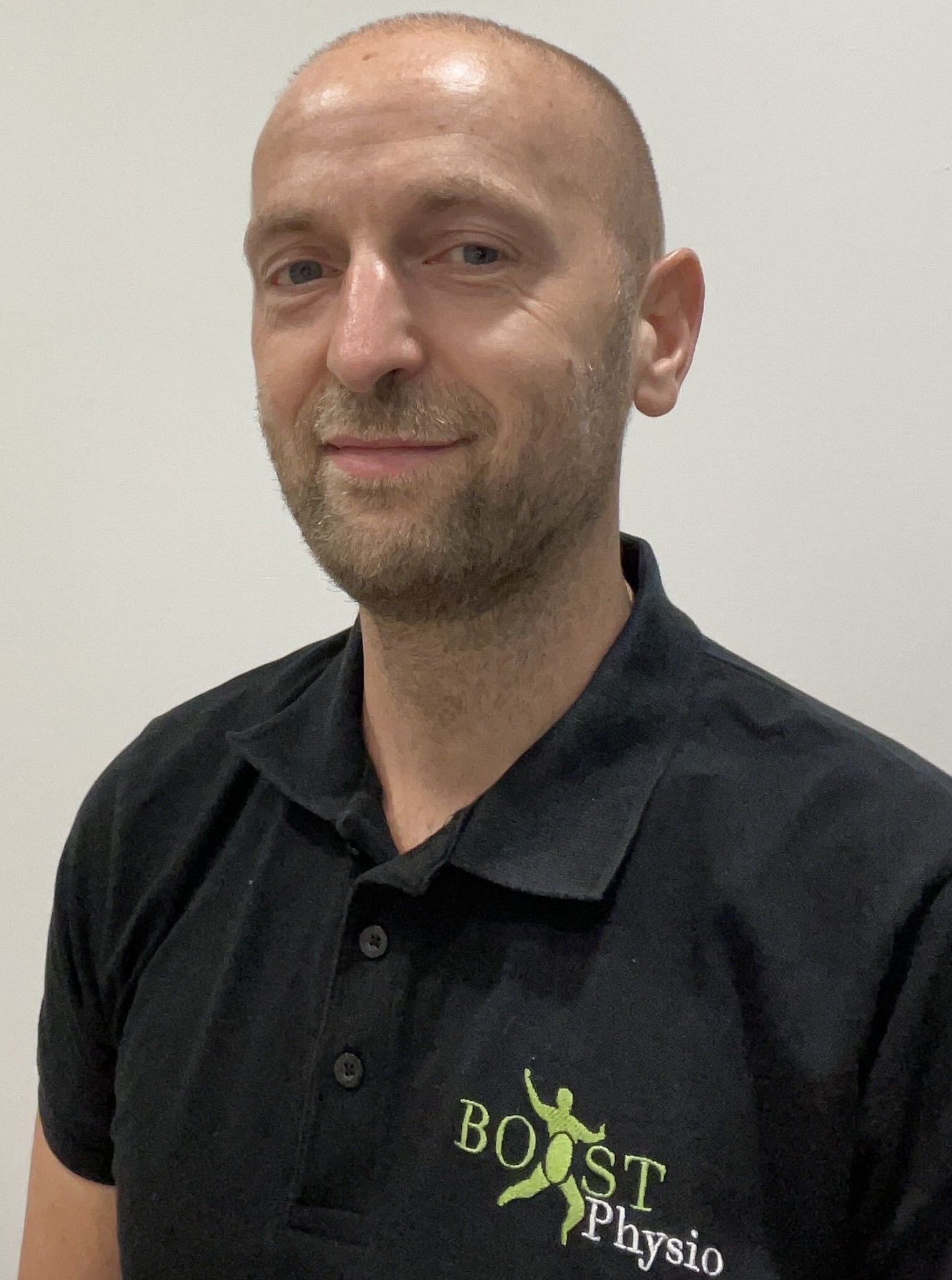
Michael English
Specialist Physiotherapist
Michael was Lead Academy Physio at Brentford FC and now treats patients at our Hendon and Mill Hill clinics, from sports injuries to everyday aches and pains.
What our Mill Hill patients say
★★★★★
“Had the pleasure of being seen by Zoe Katz for my leg and back rehabilitation following a 15 week post op lumbar micro discectamy.”
★★★★★
“She gave me a thorough knee massage on the first day, making sure my knees were healthy and moisturised!”
★★★★★
“Over a 12 week period I went from a badly pulled hamstring injury and not being able to jog to back full running and able to compete again.”
Watch: knee exercises from our physios
Short videos from our team.

How to protect your knees

Pain at the front of the knee or kneecap?
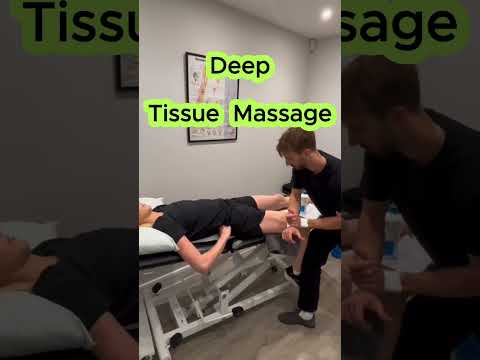
How to release quad tension to help your knees
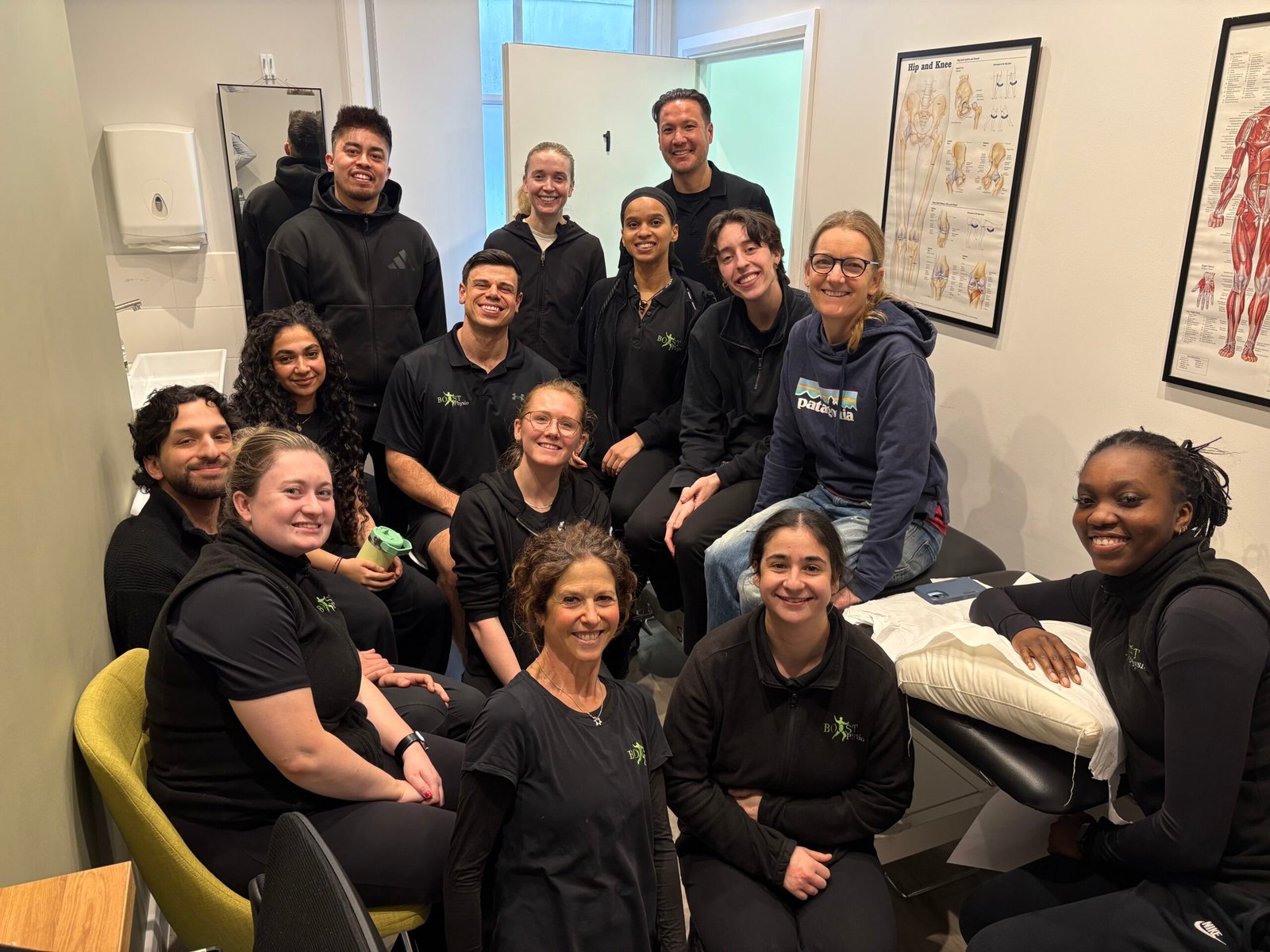
One clinic, the experience of a whole team
Something our patients don’t always realise is how much support sits behind each physio. Our team trains together twice a month and every physio has a dedicated mentor who reviews cases with them, so when you see us in Mill Hill you get the experience of the whole BOOST PHYSIO group.
- Same day appointments, seven days a week across our clinics
- No GP referral needed
- Recognised by Bupa, AXA Health, Vitality, WPA and Aviva
Prefer another clinic? Book at BOOST PHYSIO Hendon, Borehamwood or Elstree, or read more about our Mill Hill clinic.
Get back on the trails
Book at BOOST PHYSIO Mill Hill, close to Totteridge, Arkley and Mill Hill Village.
Related reading
Knee pain physio Arthritis physioSports physio
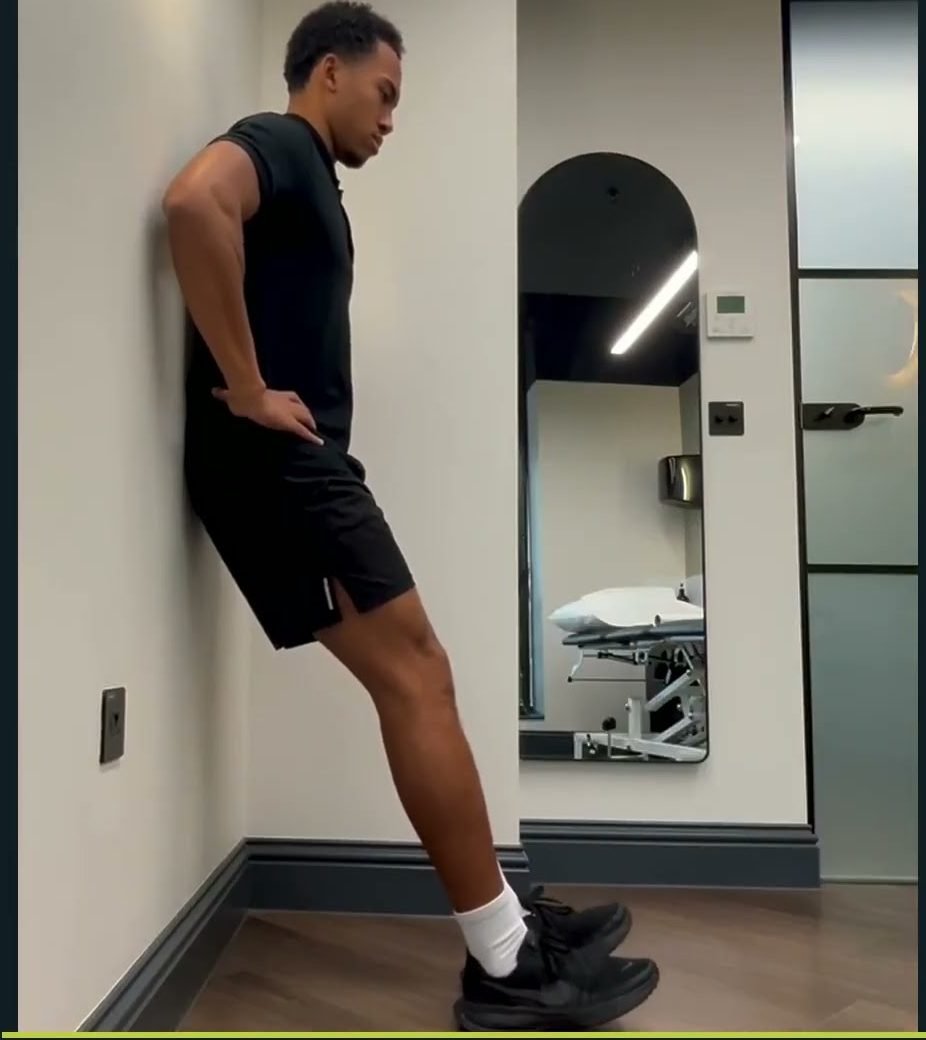 Shin splints: what to do
 Physio near Edgware and Burnt Oak
 Gym injuries in Mill Hill
Your questions answered
Why does my knee hurt going downhill?
Downhill walking and running put a lot of load through the front of the knee and the kneecap. Strengthening the thigh muscles and easing the downhill load for a while usually helps.
Should I stop running with knee pain?
Often not completely. Many runners can keep going with reduced distance and fewer hills while they strengthen. If you are limping or it is getting worse, get it assessed.
Will I need a knee scan?
Most knee pain can be diagnosed with a good assessment. A scan is considered after a significant injury with swelling, locking or giving way.
Do knee supports help?
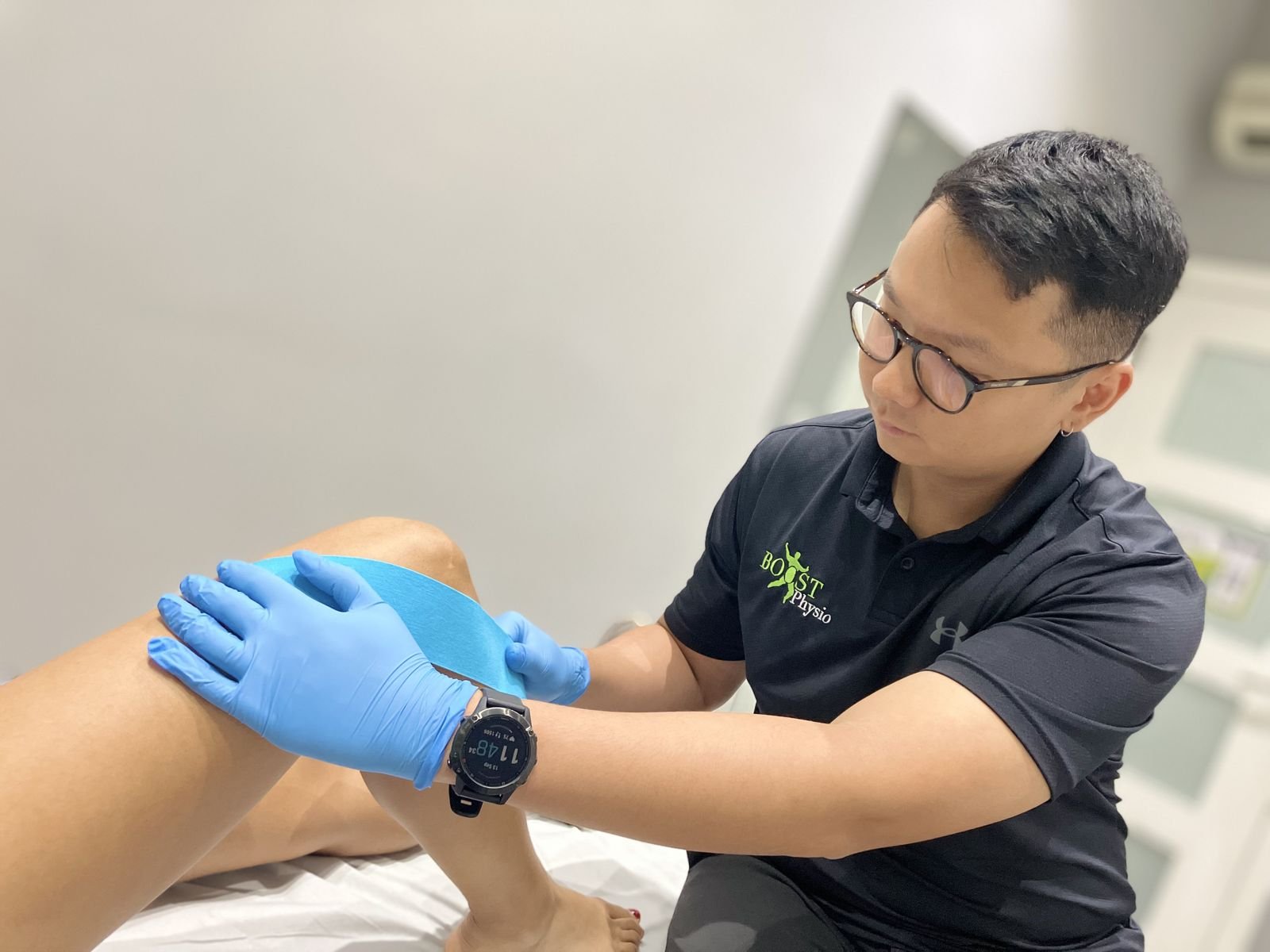
Taping or a support can ease symptoms for some people in the short term, but strengthening is what makes the lasting difference.
Do I need a GP referral?
No. You can book directly online, by phone or on WhatsApp. If you are claiming on health insurance, check whether your insurer needs a GP referral first.
Can I get a same day appointment?
Often, yes. Same day appointments are available most days across our clinics. Booking online shows you what is free right now.

Written and clinically reviewed by Steven Berkman, BSc Physiotherapy (University of Cape Town), HCPC-registered chartered physiotherapist, MCSP, founder of BOOST PHYSIO in 2008, with Zoe Katz, Abbiher Banfield and Michael English at BOOST PHYSIO Mill Hill. Last reviewed 12 November 2026.
References
- Crossley KM et al. 2016 Patellofemoral pain consensus statement. Br J Sports Med 2016;50:839-843.
- NICE guideline NG226. Osteoarthritis in over 16s: diagnosis and management. 2022.
- Malliaras P et al. Patellar tendinopathy: clinical diagnosis, load management, and advice for challenging case presentations. J Orthop Sports Phys Ther 2015;45:887-898.
This article is general information, not a diagnosis. If you are unsure what is causing your symptoms, book an assessment or speak to your GP. If you have severe or rapidly worsening symptoms, call 111 or 999.