

Achilles tendon physio
Back to walking, running and sport without Achilles pain
Pain and stiffness at the back of the heel, Achilles tendinopathy or rehab after an Achilles rupture. Expert assessment, a clear loading plan and shockwave when you need it, at clinics across North London and Hertfordshire.

Quick answer: most Achilles pain is Achilles tendinopathy, an overload problem of the tendon that causes pain and morning stiffness at the back of the heel or lower calf. It’s diagnosed with a physiotherapy assessment, usually without a scan. The main treatment is a progressive calf and tendon strengthening programme, often over about 12 weeks and many people can keep running at a manageable level while they recover. Shockwave therapy can help stubborn cases. A sudden snap with difficulty pushing off needs urgent medical assessment.
Why Achilles pain needs the right plan
Your Achilles is the strongest tendon in your body and takes several times your body weight every time you walk, run or climb stairs. When it’s overloaded, often after a jump in running, a new sport, a change of footwear or simply more time on your feet, it can become painful and stiff.
Achilles tendinopathy is one of the most common problems we see in runners, padel and football players and people in their 40s to 60s getting active again. The good news is that it responds really well to the right loading programme, but it rarely settles with rest alone.
About half of former elite runners developed Achilles tendinopathy during their running careers.
Kujala et al, Clinical Journal of Sport Medicine 2005 (52% cumulative incidence in runners)
What’s causing your Achilles pain?
Pain at the back of the heel and lower calf has a few different causes and the treatment differs for each.
Mid-portion Achilles tendinopathy
Achilles tendinitis
Pain and often a thickened, tender area 2 to 6cm above the heel. Stiff first thing in the morning, eases as you warm up.
Insertional Achilles tendinopathy
Pain where the tendon meets the heel
Pain right at the back of the heel bone, often worse with stretching, uphill walking and shoes that press on the area.
Achilles rupture
Torn Achilles tendon
A sudden snap, as if kicked in the back of the leg, then difficulty pushing off. This needs urgent medical assessment.
Calf strain
Pulled calf muscle, tennis leg
Sudden pain higher up in the calf muscle during running or a lunge.
Heel pain underneath
Plantar fasciitis
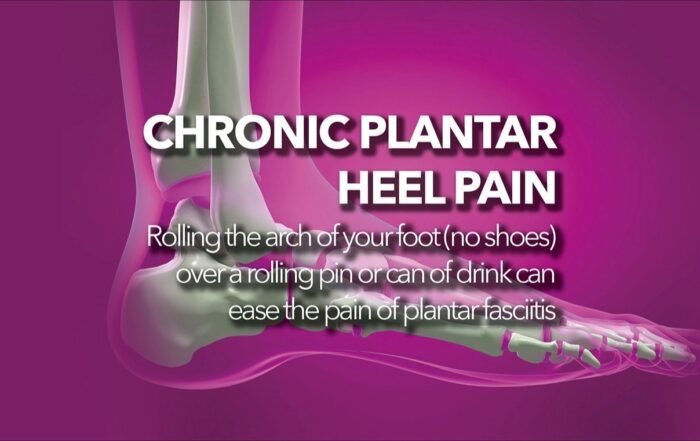
Pain under the heel rather than behind it, worst with the first steps in the morning. Heel pain explained
After Achilles surgery
Achilles repair rehab
Getting out of the boot, walking normally and rebuilding calf strength, step by step with your surgeon’s protocol.
Achilles tendinopathy: the key facts
| Typical signs | Pain and stiffness at the back of the heel or lower calf, worst first thing in the morning or at the start of exercise. |
|---|---|
| Do I need a scan? | Usually not. A physiotherapy assessment can diagnose it. A scan helps if a tear is suspected or it isn’t improving. |
| Main treatment | A progressive calf and tendon loading programme, adjusted running or sport, plus hands-on treatment, taping and, for stubborn cases, shockwave. |
| Can I keep running? | Often yes, at a level that keeps pain at a manageable 3 to 5 out of 10 and settled by the next morning. |
| How long it takes | Most people need a structured programme of around 12 weeks. Long-standing cases can take longer. |
Should I stop running?
Not always. In a trial of people with Achilles tendinopathy, those who kept running and jumping using a pain-monitoring approach did just as well as those who stopped. The rule of thumb is that pain during activity should stay at a manageable level and settle by the next morning.
Your physio will help you find the right amount and type of running for now and when to build it back up.
Should I stretch my Achilles?
For the common mid-portion type, gentle calf stretches are fine for most people. For pain right at the heel bone, deep stretches over the edge of a step can make it worse because they press the tendon against the bone.
This is one of the reasons a proper assessment matters. The best exercise for one type can aggravate the other.
How our physios use taping to support a painful Achilles
How physiotherapy treats Achilles tendinopathy
Tendons need load to recover. The aim is to calm the pain, then build a calf and tendon that can handle walking, running and sport again. Treatment may include:
- A thorough assessment – tendon tests, calf strength, ankle movement and a look at your running, footwear and training load
- Load management – what to keep doing, what to change for now and how to monitor pain
- Progressive calf strengthening – from gentle holds to heavy, slow heel raises and eventually hopping and running drills
- Hands-on treatment and taping – soft tissue release for tight calves and taping to offload the tendon
- Shockwave therapy – for Achilles pain lasting more than 3 months that hasn’t settled with exercise
- Return to running and sport – a graded plan, so it doesn’t flare up again

Eases stiffness
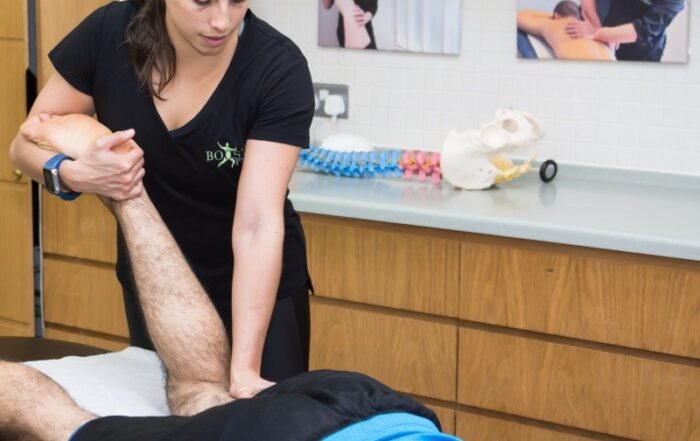
Hands-on treatment
Soft tissue release for a tight calf and joint mobilisation for a stiff ankle, so you can walk and load the tendon more comfortably.
For stubborn cases
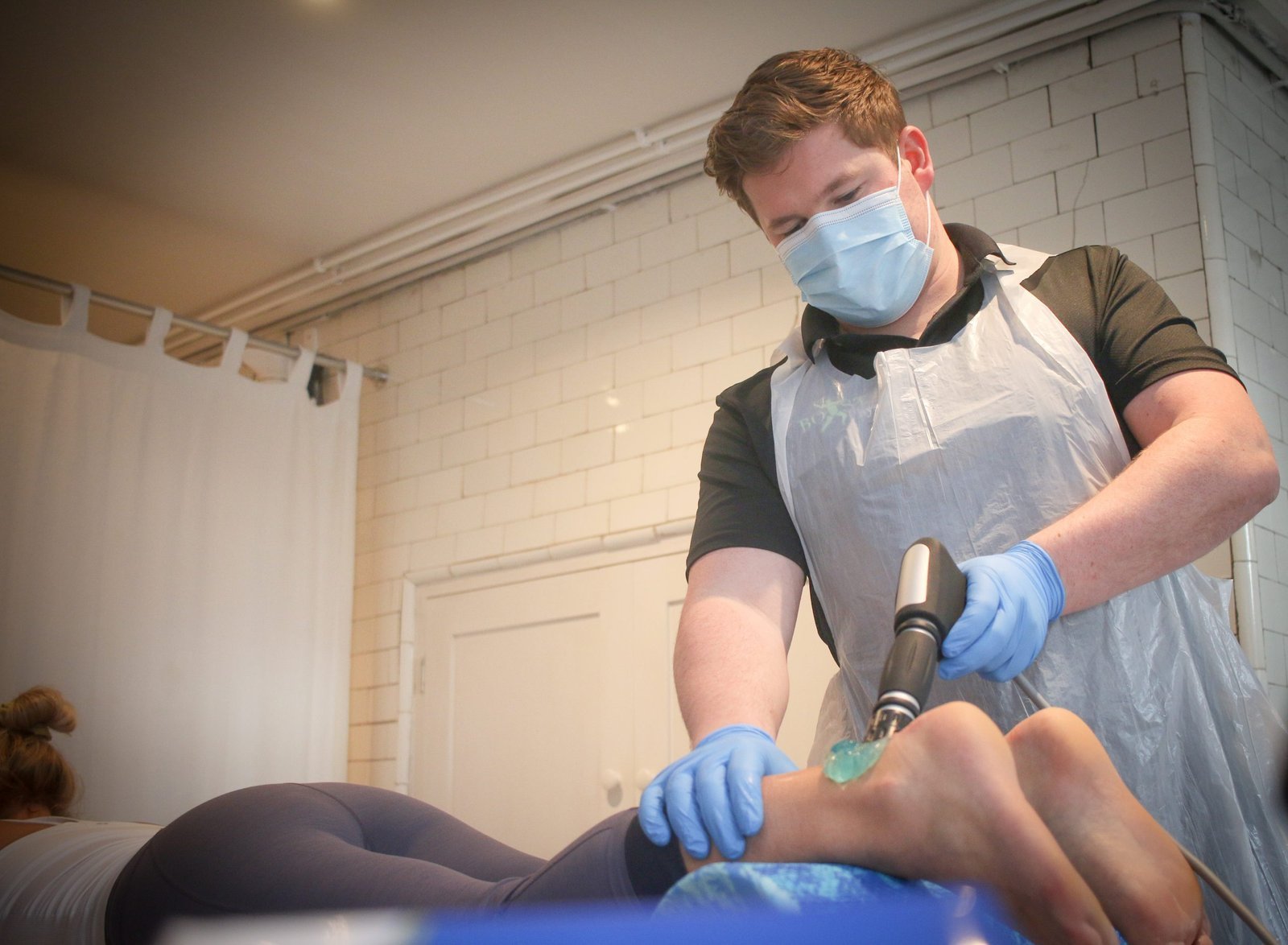
Shockwave therapy
In a trial, shockwave and a calf loading programme gave similar results for Achilles pain. We use it alongside exercise for pain that won’t settle.
Builds a stronger tendon
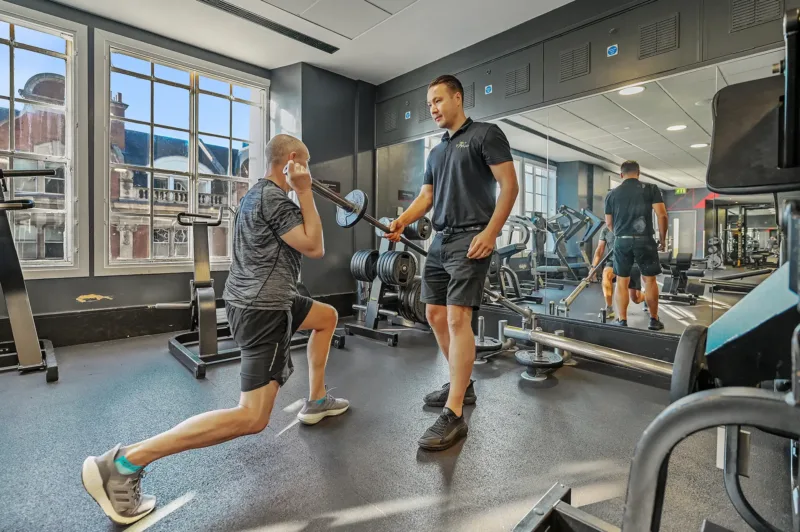
Gym-based rehab
Heavy, slow calf strengthening and then hopping and running drills, so the tendon copes with the demands of your sport.
Calf strength is what keeps Achilles pain away
Strengthening the calf and tendon has been the backbone of Achilles rehab since early research on heavy calf exercises in the 1990s and current clinical guidelines still put it first. We start where you are, then build towards single-leg strength, then spring and running.
We’ll test your calf strength against your other side, so you know when it’s safe to step up your running, padel or football, rather than guessing.
If you’ve had Achilles surgery or a rupture managed in a boot, we’ll guide you through each stage, from your first steps out of the boot to running and sport.
Physiotherapy after Achilles tendon repair surgery
Watch: Achilles and calf advice from our physios
Short, practical videos from the BOOST PHYSIO team. If an exercise makes your pain worse, stop and ask your physio for the right version for you.
Shockwave for an Achilles tendon problem
Early exercises for a pulled calf muscle
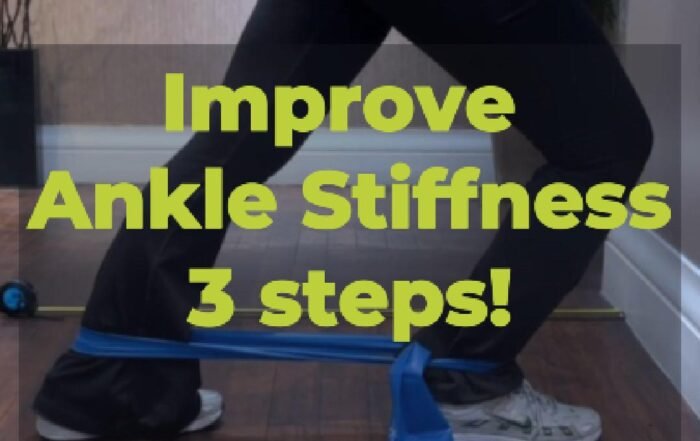
How to check your ankle mobility
Landing stability to prevent re-injury
When to get your Achilles checked urgently
See a doctor urgently or go to A&E if you have:
- a sudden snap or a feeling of being kicked in the back of the leg
- difficulty pushing off, standing on tiptoe or walking normally after an injury
- a painful, swollen or warm calf, particularly after surgery, a long journey or time in a boot
- a hot, red, swollen area with a fever or feeling unwell
Book an assessment if your Achilles pain hasn’t settled within a couple of weeks, keeps coming back or is stopping you running, walking or playing sport.

Why choose BOOST PHYSIO for Achilles pain?
We believe your best recovery comes from having every tool available, not relying on just one. Our physiotherapists combine hands-on treatment with exercise rehabilitation, tailored to you and adjusted as you improve. Every physio trains with the team twice a month and has a dedicated mentor who reviews their cases, so you benefit from the experience of the whole group.
If your Achilles needs a scan, a surgical opinion or rehab after surgery, we’ll arrange it through our consultant network and guide you all the way back to running and sport.
- Same day physiotherapy appointments, 8am to 9pm
- A network of clinics across North London and Hertfordshire
- Male and female chartered physiotherapists
- Shockwave therapy, acupuncture and gym-based rehab when you need them
- Close links with leading orthopaedic surgeons and sports physicians
- Treatment recognised by Bupa, AXA Health, Vitality, Aviva and WPA
Achilles physio near you
See a BOOST PHYSIO physiotherapist at our clinics in Hendon NW4, Hampstead NW3, Swiss Cottage, West Hampstead NW6, Kentish Town NW5, Hampstead Garden Suburb NW11, East Finchley N2, Muswell Hill N10, Crouch End N8, Mill Hill NW7, Kensington W8, Borehamwood WD6 and Elstree WD6.
Ready to get back on your feet?
See a chartered physiotherapist today and leave with a clear plan. Your Best Recovery, Guaranteed.
Related reading
 Achilles tendon treatment options
 Shockwave therapy for stubborn tendon painHow to test your ankle and calf strength
 Heel pain and plantar fasciitis
 Ankle sprain physio
 Running injury treatment
Written by Steven Berkman, Chartered Physiotherapist and founder of BOOST PHYSIO, with the BOOST PHYSIO team. This article is general guidance and is not a substitute for an individual physiotherapy or medical assessment.
Frequently asked questions about Achilles pain
What causes Achilles tendon pain?
Most Achilles pain is tendinopathy, caused by loading the tendon more than it’s ready for. Common triggers are a sudden increase in running, hills or speed work, a new sport such as padel, a change of footwear, more time on your feet or returning to exercise after a break.
Should I stop running with Achilles pain?
Not always. Research shows many people do just as well if they keep running at a level where pain stays manageable, around 3 to 5 out of 10 and settles by the next morning. Your physio will help you set the right level.
How long does Achilles tendinopathy take to heal?
Most people need a structured strengthening programme of around 12 weeks and some long-standing cases take longer. Many feel a difference within the first few weeks as pain and morning stiffness ease.
What are the best exercises for Achilles tendinopathy?
Progressive calf strengthening is the core of treatment, starting with holds or slow heel raises and building to heavier, single-leg and spring exercises. The right starting point depends on how irritable your tendon is and whether the pain is at the heel bone or higher up.
Does shockwave help Achilles tendinopathy?
It can help some people with long-standing Achilles pain. In one trial, shockwave and a calf loading programme gave similar results and both did better than waiting. NICE says it’s safe but the evidence is inconsistent, so we use it alongside exercise.
How do I know if I’ve ruptured my Achilles?
A rupture usually feels like a sudden snap or being kicked in the back of the leg, followed by difficulty pushing off or standing on tiptoe. If this happens, see a doctor or go to A&E the same day.
Can I use my private health insurance?
Yes. Our treatment is recognised by Bupa, AXA Health, Vitality, Aviva and WPA. Some insurers ask for a GP referral or authorisation code before your first appointment, so it’s worth checking your policy. You can also self-refer and pay directly, with no referral needed.
Where can I find an Achilles physio near me?
BOOST PHYSIO has a network of clinics across North London and Hertfordshire, including Hendon, Hampstead, Swiss Cottage, West Hampstead, Kentish Town, Muswell Hill, Crouch End, East Finchley, Mill Hill, Kensington, Borehamwood and Elstree. Same day appointments are available from 8am to 9pm. Book online, call 020 8201 7788 or WhatsApp us.
References
- Martin RL, Chimenti R, Cuddeford T et al. Achilles pain, stiffness, and muscle power deficits: midportion Achilles tendinopathy revision 2018. Journal of Orthopaedic and Sports Physical Therapy 2018;48(5):A1-A38.
- Kujala UM, Sarna S, Kaprio J. Cumulative incidence of Achilles tendon rupture and tendinopathy in male former elite athletes. Clinical Journal of Sport Medicine 2005;15:133-135.
- Silbernagel KG, Thomeé R, Eriksson BI, Karlsson J. Continued sports activity, using a pain-monitoring model, during rehabilitation in patients with Achilles tendinopathy: a randomized controlled study. American Journal of Sports Medicine 2007;35:897-906.
- Alfredson H, Pietilä T, Jonsson P, Lorentzon R. Heavy-load eccentric calf muscle training for the treatment of chronic Achilles tendinosis. American Journal of Sports Medicine 1998;26:360-366.
- Rompe JD, Nafe B, Furia JP, Maffulli N. Eccentric loading, shock-wave treatment, or a wait-and-see policy for tendinopathy of the main body of tendo Achillis: a randomized controlled trial. American Journal of Sports Medicine 2007;35:374-383.
- National Institute for Health and Care Excellence. Extracorporeal shockwave therapy for Achilles tendinopathy (HTG426, previously IPG571). 2016.
