

Ease the leg pain. Get back to living.
Slipped disc, bulging disc, herniated disc or sciatica down your leg. Expert assessment, a clear explanation and a recovery plan you can follow, at clinics across North London and Hertfordshire.
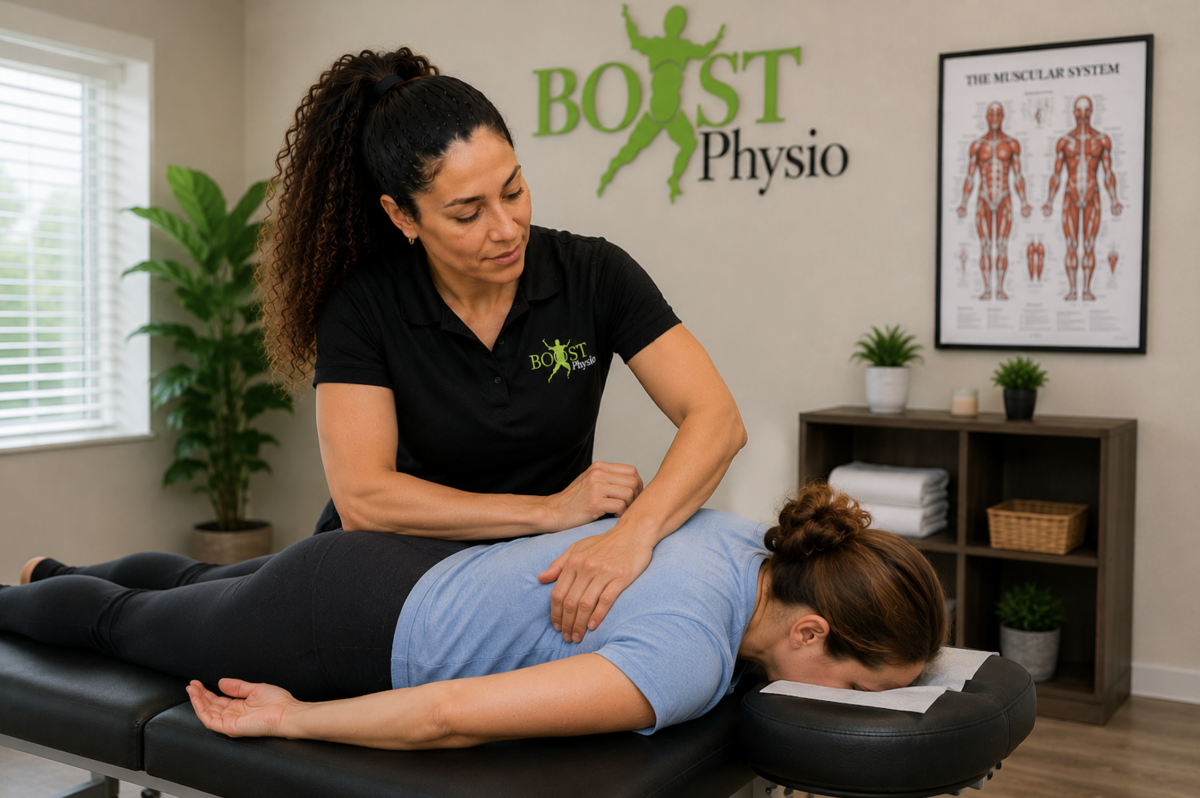
Quick answer: a slipped disc (also called a herniated or bulging disc) is when the soft centre of a spinal disc pushes outwards and irritates a nearby nerve. When that nerve is one of the roots of the sciatic nerve, you feel pain, tingling or numbness travelling down your leg, which is sciatica. Most people get better without surgery. Staying active with the right exercises, guided by a physiotherapist, is the treatment recommended by NICE and many disc herniations shrink on their own over time.
Why disc pain and sciatica feel so worrying
If you’ve got sciatica, you’ll know how relentless it can be. The pain shoots down your leg when you sit, drive, cough or bend to put your socks on. Sleep is broken. And when someone mentions the word “disc”, it’s easy to start worrying about scans, injections and surgery.
We see disc problems and sciatica in our clinics every single week, in office workers, parents, runners, builders and grandparents. The really reassuring news is that a disc bulge is very common, even in people with no pain at all and the large majority of people recover without an operation.
of 20-year-olds with no back pain at all have a disc bulge on an MRI scan. By age 80 it’s 84%. A bulge on a scan doesn’t always mean it’s the cause of your pain.
Brinjikji et al, American Journal of Neuroradiology 2015
What’s causing your back and leg pain?
Several different problems can cause pain in your back and down your leg and they’re often mixed up. Getting the diagnosis right is the first step to getting better.
Slipped or herniated disc
Prolapsed disc, disc herniation, disc extrusion
The soft inner part of the disc pushes through its tough outer wall. It’s the most common cause of sciatica in people under 50.
Bulging disc
Disc bulge, disc protrusion
The disc wall bulges outwards evenly, without breaking through. Often part of normal ageing and frequently painless.
Sciatica
Radicular pain, nerve root pain
Pain from an irritated nerve root, felt in the buttock and down the back or side of the leg, sometimes into the foot. Often worse than the back pain itself.
Trapped or pinched nerve
Radiculopathy
When an irritated nerve also causes pins and needles, numbness or weakness in the leg or foot. Your physio will test your strength, reflexes and sensation.
Spinal stenosis
Narrowing of the spinal canal
More common over 60. Leg pain and heaviness when walking or standing, which eases when you sit down or lean forward.
Something else?
Referred pain
Pain from the joints of the lower back, the sacroiliac joint or the hip can mimic sciatica. A thorough assessment tells them apart.
Slipped disc and sciatica: the key facts
| What it is | A disc in the spine pushes outwards and irritates a nerve root, causing back pain and pain down the leg (sciatica). |
|---|---|
| Common symptoms | Shooting or burning leg pain, pins and needles, numbness, leg or foot weakness, pain worse with sitting, bending, coughing or sneezing. |
| How long it lasts | Usually a few weeks to a few months. Many disc herniations shrink naturally, particularly larger ones. |
| Main treatment | Staying active with a tailored exercise programme, with hands-on treatment alongside it. Injections or surgery are considered if severe pain doesn’t settle. |
| When it’s urgent | Numbness around the genitals or back passage, new bladder or bowel problems, or sciatica in both legs. Call 999 or go to A&E. |
Do I need an MRI scan?
Usually not straight away. NICE guidelines advise against routine scans for back pain and sciatica, because so many people without pain have disc bulges too. A scan can’t tell us whether a bulge is causing your symptoms. Your history and a hands-on examination can.
A scan becomes useful if your pain isn’t improving as expected, you have increasing weakness or numbness, or an injection or surgery is being considered. If you need one, we’ll arrange it quickly through our spinal consultant network.
Will a slipped disc heal on its own?
Very often, yes. Your body has a natural way of breaking down and reabsorbing disc material that has pushed out. Surprisingly, the bigger the herniation, the more likely it is to shrink.
A review of studies following people with lumbar disc herniations found that 96% of sequestrations (where a piece of disc breaks off) and 70% of extrusions regressed naturally. While that happens, physiotherapy helps you manage the pain, keep moving and build the strength to stop it coming back.
Setareh, our Swiss Cottage physio, shows 3 moves to help relieve disc and sciatic nerve pain
How physiotherapy treats a slipped disc and sciatica
Bed rest used to be the advice. We now know it slows recovery. Gentle, regular movement keeps the nerve moving, eases muscle spasm and stops your back from stiffening up and losing strength while it heals.
Your physio will build your plan around the cause of your pain, how irritable it is and what you need to get back to. Treatment may include:
- A thorough assessment – nerve, strength, reflex and sensation testing, so you understand exactly what’s going on
- Positions and movements that ease the leg pain – so you can sleep, sit and get through the working day more comfortably
- Hands-on treatment – soft tissue release, spinal mobilisations and gentle traction to ease spasm, pain and pressure on the irritated nerve
- Acupuncture and dry needling – for some patients, to help calm pain and muscle tension
- Nerve mobility exercises – gentle “nerve flossing” to help the irritated nerve glide more freely
- Progressive strengthening – building your back, hips and core so you’re stronger than before
- A graded return – to work, driving, lifting, the gym, running and sport, step by step
Most people start to feel a difference within the first few sessions. Your physio will give you clear milestones, so you know you’re on track and when it’s time to ask for a specialist opinion.
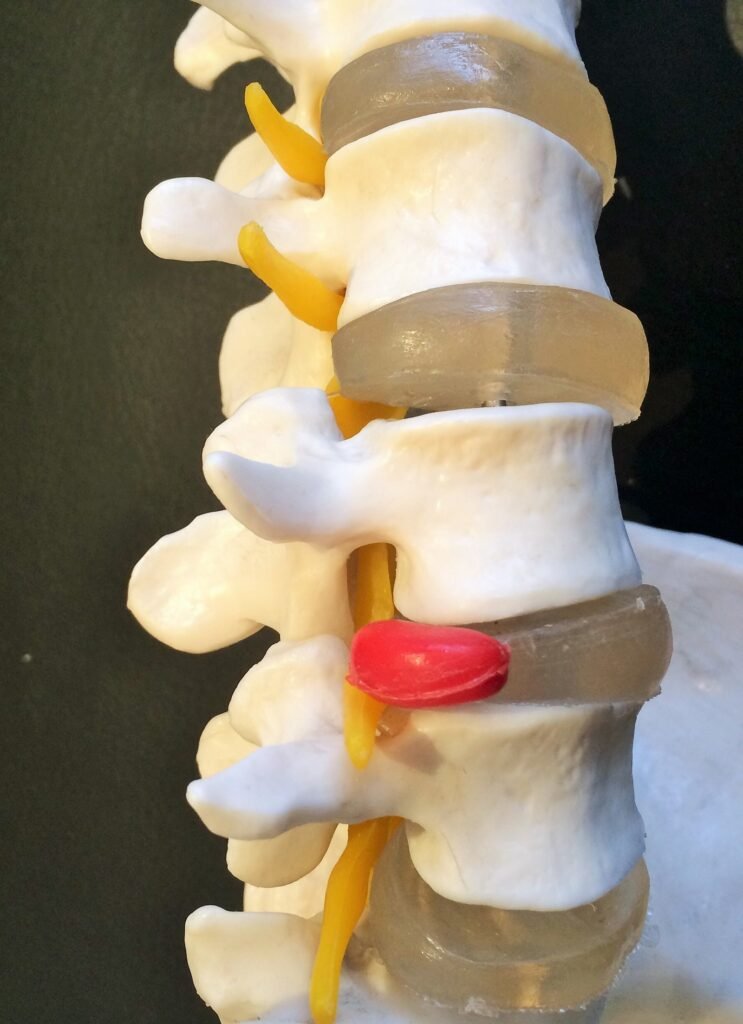
How hands-on treatment helps ease your symptoms
When a disc bulges and irritates a nerve root, the area around it becomes inflamed and the nerve becomes very sensitive. The muscles around your spine then tighten up to protect it. That protective spasm is often what leaves you feeling locked, bent over or unable to stand up straight.
Spasm, stiffness and nerve sensitivity feed off each other. The more it hurts, the less you move. The less you move, the stiffer and more sensitive everything gets. Hands-on treatment helps break that cycle. Easing the spasm, calming the pain and taking load off the irritated nerve gives you a window to move more freely, sleep better and start the exercises that lead to a lasting recovery.
Everyone is different, so your physio will choose the techniques that suit your symptoms and adjust them each session, depending on how your leg pain responds.
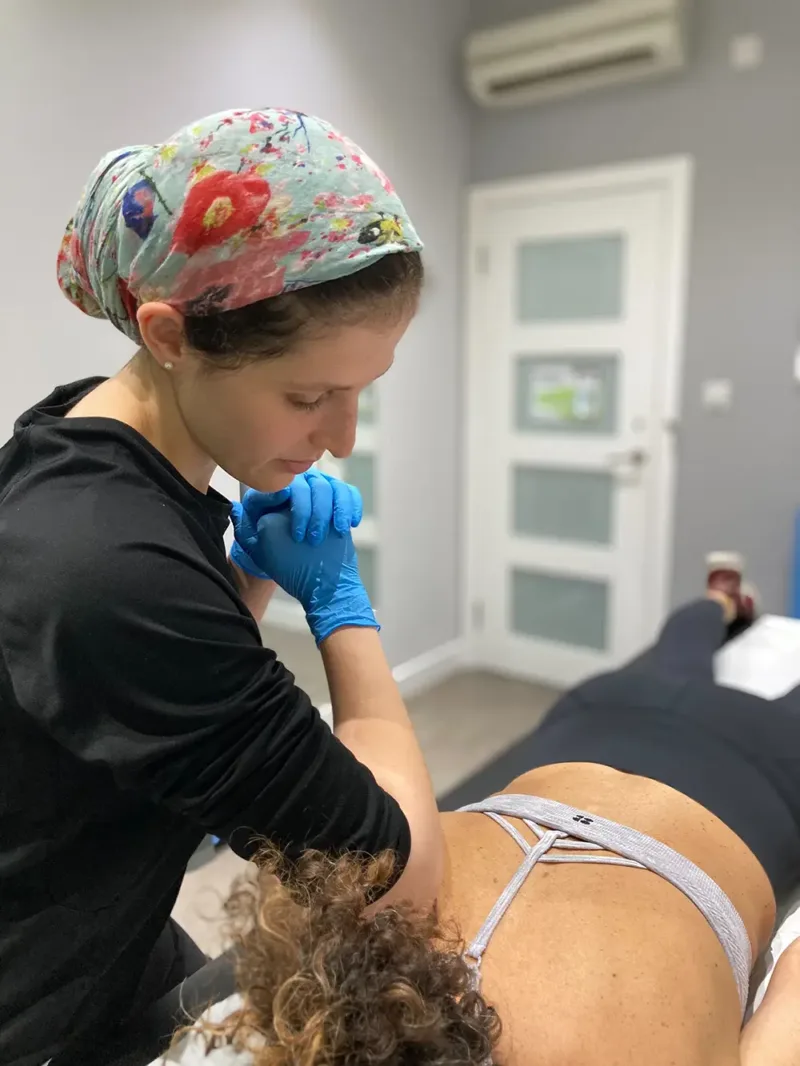
Soft tissue release
Massage and trigger point work on the muscles either side of your spine and around your hip and buttock. Relaxing these guarding muscles reduces pain, makes it easier to move and often brings quick relief when you feel stuck in spasm.
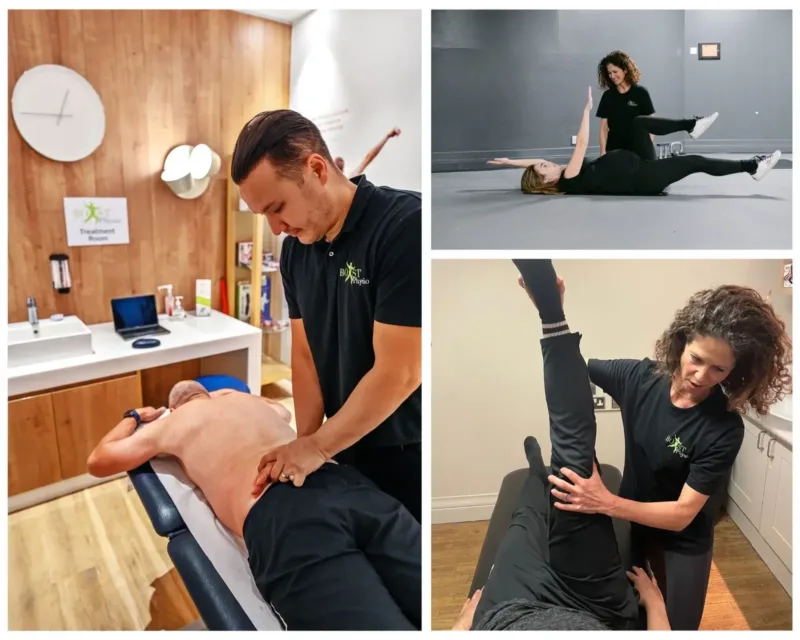
Spinal joint mobilisations
Small, rhythmic movements applied to the joints of your lower back. They help calm pain, restore movement to stiff areas and make bending, turning and getting out of bed easier. We always work within your comfort.
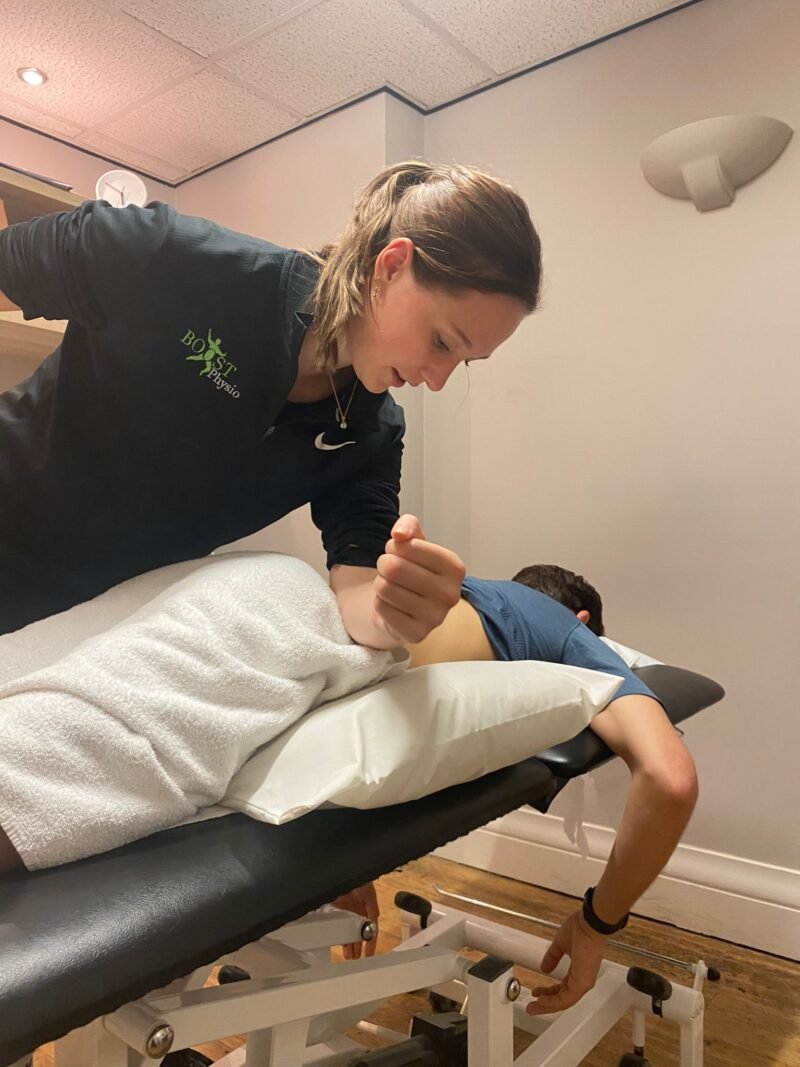
Offloading positions and gentle traction
Your physio finds the positions that ease your leg pain, often lying with your back and legs supported and uses gentle hands-on traction to reduce the load around the irritated nerve. These are positions you can use at home to settle a flare-up.
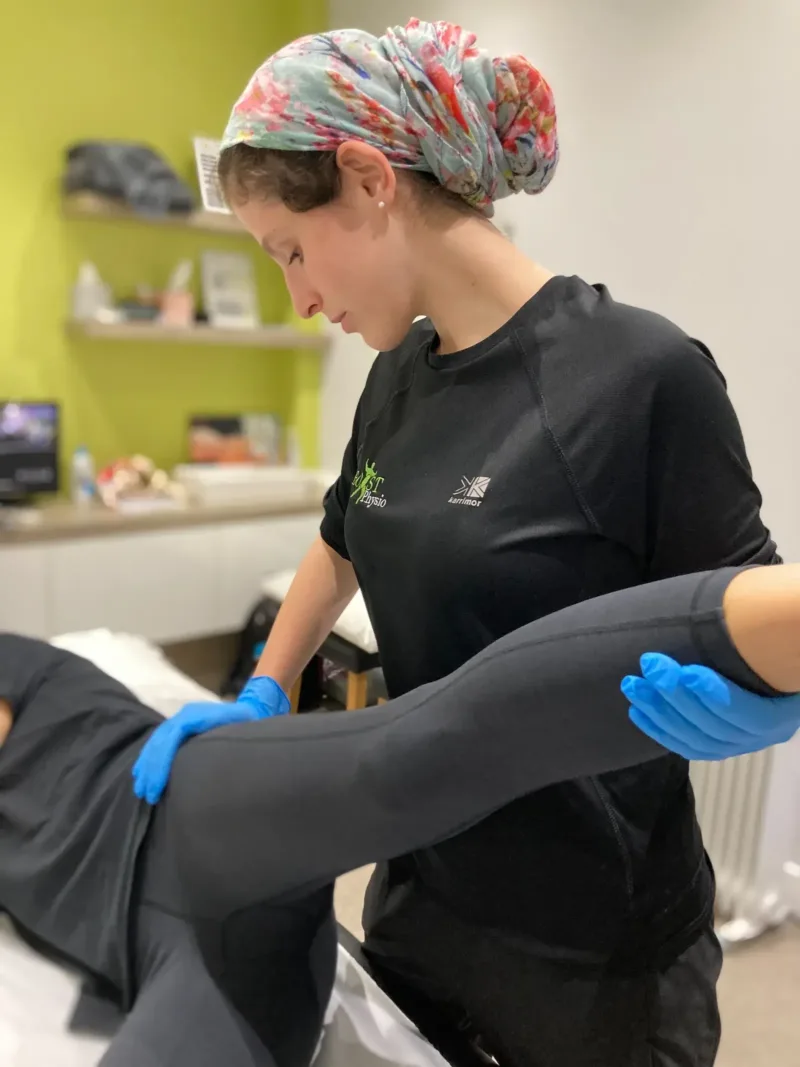
Nerve mobilisation
Gentle, controlled leg movements that help the sciatic nerve slide more freely through the tissues around it. Done carefully, this can ease nerve sensitivity, tingling and that pulling feeling down the back of your leg.
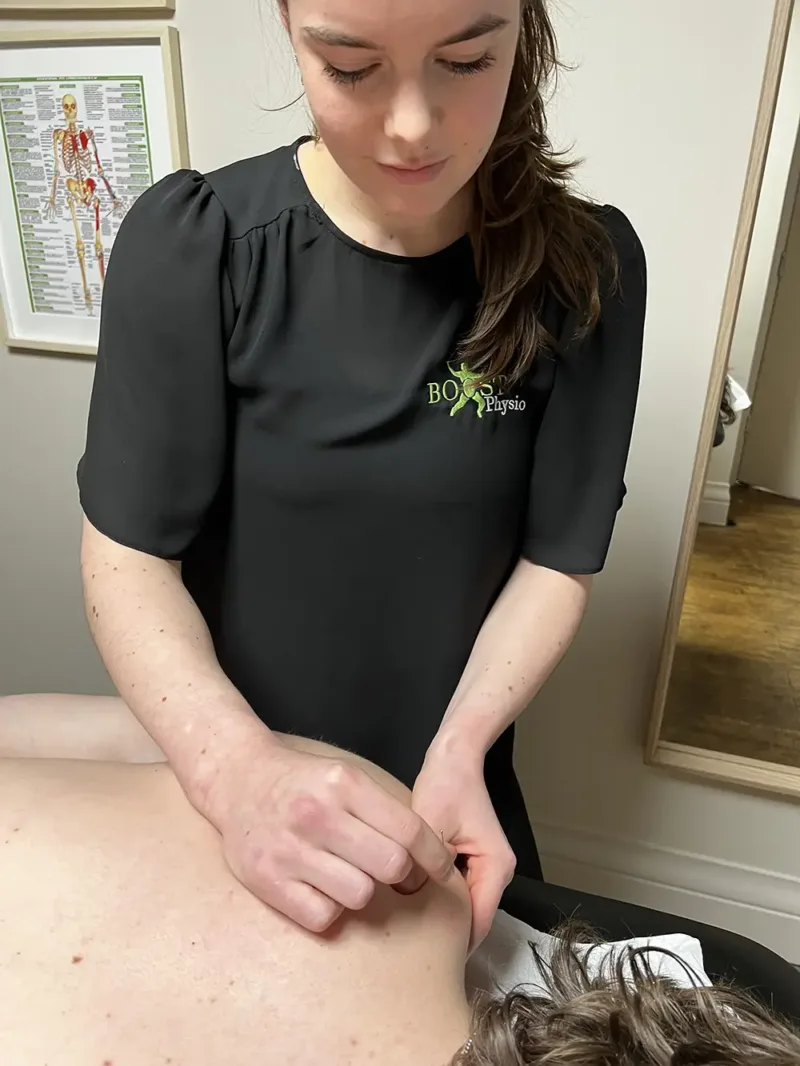
Acupuncture and dry needling
For some patients, acupuncture or dry needling helps settle pain and muscle tension enough to move and exercise more comfortably. We use it as part of your plan, alongside hands-on treatment and exercise and your physio will talk through whether it’s likely to suit you.
Why the right position makes such a difference
Pressure inside the lumbar discs changes a lot with posture. Classic research measuring disc pressure found that lying down loads the discs far less than standing, while bending forward and lifting loads them much more.
That’s why bending over the sink or lifting the shopping can send pain shooting down your leg and why lying in a supported position often eases it. Your physio will show you how to rest, sit, get up and move in ways that keep pressure off the irritated area while it settles, without stopping you staying active.
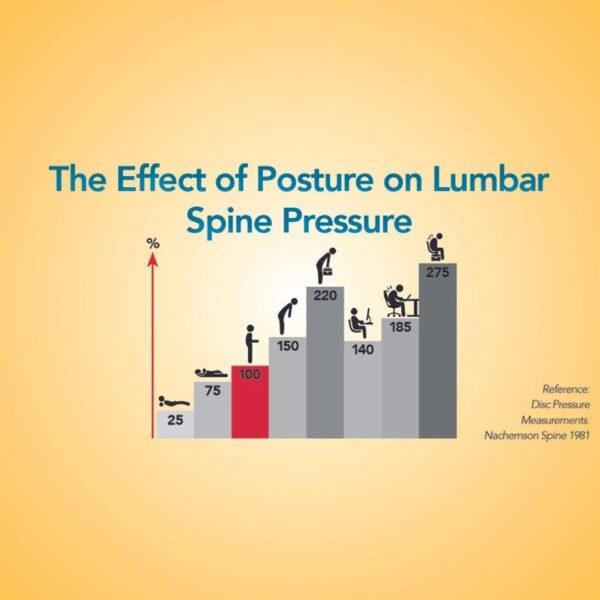
Disc pressure in different positions, based on Nachemson 1981
Our founder knows exactly how sciatica feels
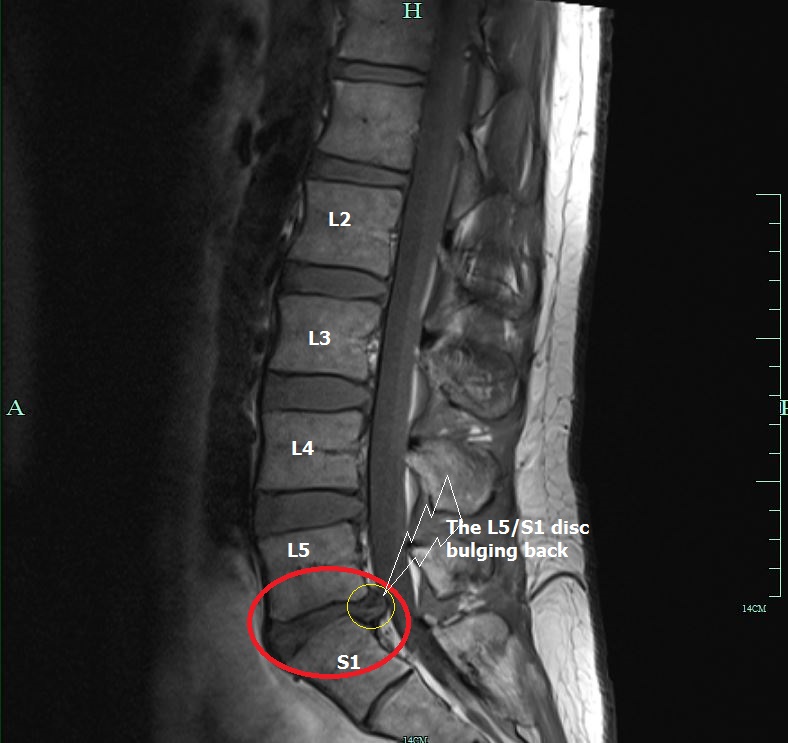
Steve Berkman, chartered physiotherapist and founder of BOOST PHYSIO, first had sciatica from an L5/S1 disc at the age of 19. Physiotherapy got him better and it’s the reason he became a physio.
At 40, while training for his fourth marathon, he lifted something heavy and the same disc flared up badly, leaving him with severe leg pain and a numb foot. The MRI above shows the bulge pressing on the nerve. With physio, a nerve root injection arranged by a spinal surgeon and a lot of patience, he was back at work and feeling much better within three months. You can read Steve’s full story.
Years later a different disc, at L3/L4, pinched a nerve and caused real weakness in his hip. That time he chose surgery. In the video below he explains why, which is exactly the kind of honest, informed conversation we have with our patients.
When are injections or surgery needed?
Most people never need either. NICE guidelines recommend considering an epidural steroid injection for acute, severe sciatica and spinal surgery when non-surgical treatment hasn’t improved pain or function and the scan matches your symptoms.
A large Dutch trial compared early surgery with a period of physiotherapy and care first, followed by surgery only if needed. Surgery eased leg pain faster, but after one year 95% of people in both groups felt they had recovered. Most people in the non-surgical group never needed an operation.
So the decision is usually about how quickly you need relief and how severe and persistent your symptoms are, not whether you’ll recover. We’ll be honest with you if your progress suggests a specialist opinion would help. We work closely with leading spinal surgeons and pain consultants across London and can usually arrange to be seen quickly.
Steve explains why he chose surgery for his L3/L4 disc
Watch: sciatica and back exercises from our physios
Short, practical videos from the BOOST PHYSIO team. If any exercise makes your leg pain worse, stop and ask your physio for the right version for you.
3 exercises for sciatica pain down the leg
How to relieve sciatica: 3 moves
Stretches physios recommend for back pain
Morning spine mobility routine
When sciatica is an emergency
These symptoms are rare, but they can mean a serious problem called cauda equina syndrome. Call 999 or go to A&E straight away if you have:
- sciatica in both legs
- severe or worsening weakness or numbness in both legs
- numbness around or under your genitals, or around your back passage
- new difficulty starting to wee, being unable to wee, or loss of bladder control
- new loss of bowel control, or not being aware you need to go
Book an assessment or see your GP if your pain isn’t improving after a few weeks, is getting worse, is stopping you working or sleeping, or you notice weakness in your leg or foot.
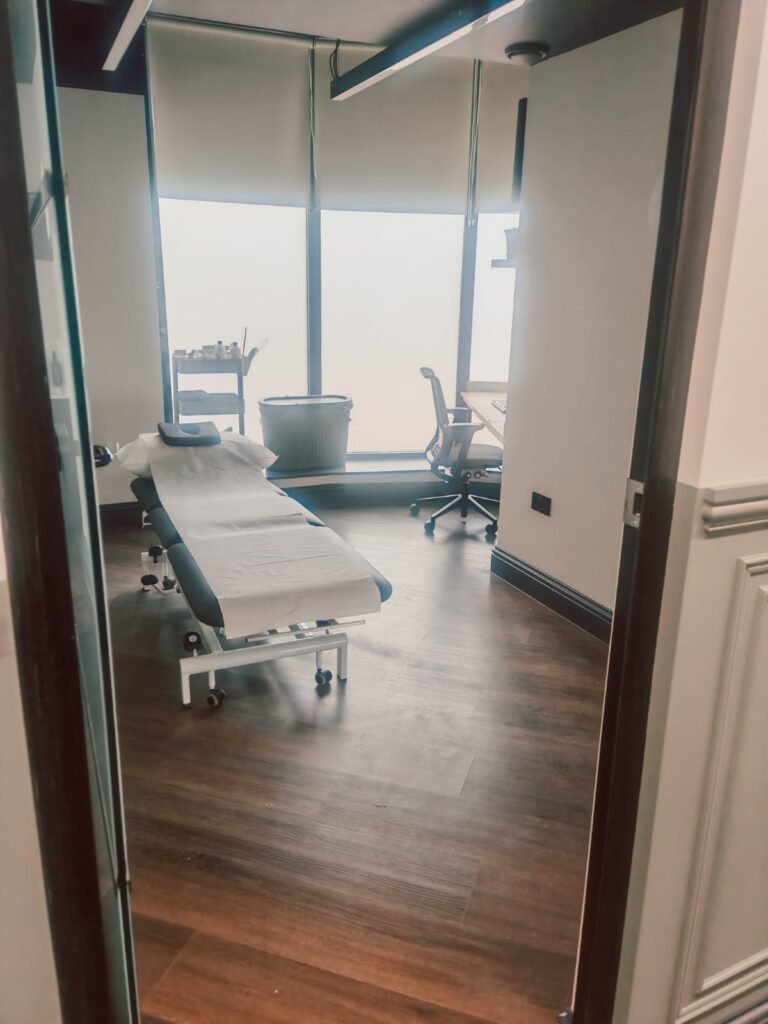
Why choose BOOST PHYSIO for disc pain and sciatica?
We believe your best recovery comes from having every tool available, not relying on just one. Our physiotherapists combine hands-on treatment with exercise rehabilitation, tailored to you and adjusted as you improve. Every physio trains with the team twice a month and has a dedicated mentor who reviews their cases, so you benefit from the experience of the whole group.
If you need a scan, an injection or a surgical opinion, we’ll arrange it. And if you’ve already had spinal surgery, we’ll guide your rehab every step of the way.
- Same day physiotherapy appointments, 8am to 9pm
- A network of clinics across North London and Hertfordshire
- Male and female chartered physiotherapists
- Close links with leading spinal surgeons and pain consultants
- Rehab after spinal surgery, including discectomy and decompression
- Treatment recognised by Bupa, AXA Health, Vitality, Aviva and WPA
Sciatica and slipped disc physio near you
See a BOOST PHYSIO physiotherapist at our clinics in Hendon NW4, Hampstead NW3, Swiss Cottage, West Hampstead NW6, Kentish Town NW5, Hampstead Garden Suburb NW11, East Finchley N2, Muswell Hill N10, Crouch End N8, Mill Hill NW7, Kensington W8, Borehamwood WD6 and Elstree WD6.
Ready to get rid of that leg pain?
See a chartered physiotherapist today and leave with a clear plan. Your Best Recovery, Guaranteed.
Related reading
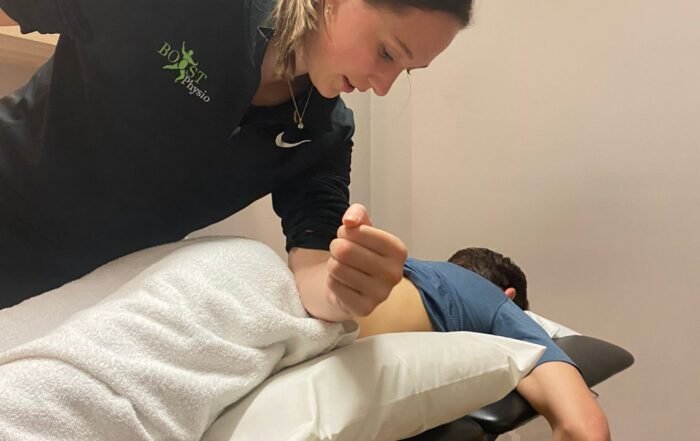 Back, neck and spine physiotherapyCan a physio have a slipped disc? Steve’s story
 Back pain brushing your teeth? Could it be a disc?
 Pinched or trapped nerve treatment
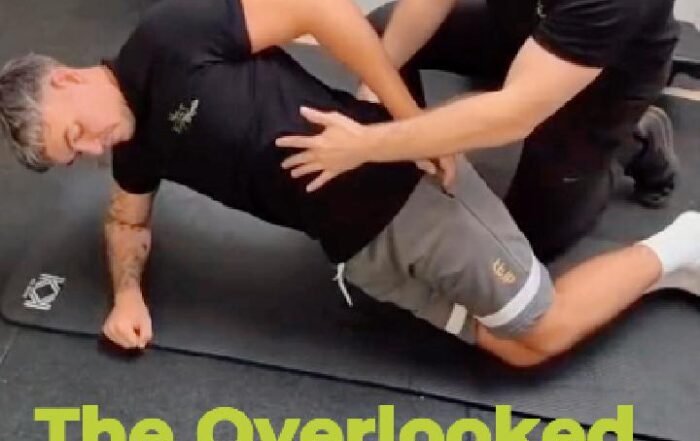 The overlooked back pain exercise
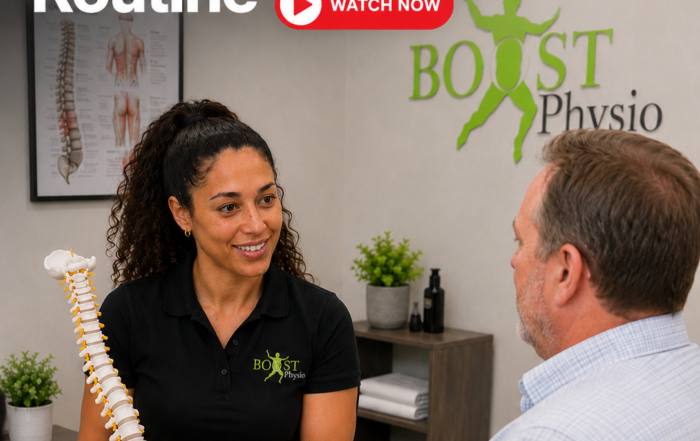 Morning low back stretch routine
Written by Steven Berkman, Chartered Physiotherapist and founder of BOOST PHYSIO, with the BOOST PHYSIO team. This article is general guidance and is not a substitute for an individual physiotherapy or medical assessment.
Frequently asked questions about slipped discs and sciatica
How long does a slipped disc take to heal?
Most people improve within a few weeks to a few months. The disc material that has pushed out often shrinks naturally over time, especially larger herniations. Physiotherapy helps you stay active and manage the pain while that happens and builds the strength to reduce the chance of it coming back.
What’s the difference between a slipped, bulging and herniated disc?
Discs don’t actually slip. “Slipped disc” is the everyday name for a herniated or prolapsed disc, where the soft centre pushes through the outer wall. A bulging disc is a broader, more even bulge without breaking through, which is very common and often painless. Either can irritate a nerve and cause sciatica.
Should I rest or keep moving with sciatica?
Keep moving as much as you comfortably can. Long periods of bed rest or sitting tend to make sciatica worse and slow recovery. Gentle walking, changing position often and the right exercises usually help. Your physio will show you which movements ease your leg pain and which to avoid for now.
Can massage or hands-on treatment help a slipped disc?
Yes, as part of your plan. Hands-on treatment can ease muscle spasm, reduce pain and stiffness and help take load off the irritated nerve, which makes it easier to move and do your exercises. It works best combined with an active rehab programme rather than on its own.
Does acupuncture help sciatica?
Some people find acupuncture or dry needling helps ease their pain and muscle tension, especially when symptoms are at their worst. Results vary from person to person, so we use it alongside hands-on treatment and exercise rather than on its own. Your physio will discuss whether it’s likely to help you.
Do I need an MRI scan for a slipped disc?
Usually not at first. NICE guidelines advise against routine scans, because disc bulges are common in people without pain and a scan can’t show whether a bulge is causing your symptoms. A scan is useful if you’re not improving as expected, you have increasing weakness or an injection or surgery is being considered. We can arrange one quickly if you need it.
Will I need surgery for a slipped disc?
Most people don’t. Surgery can ease severe leg pain faster, but research shows that after a year, outcomes are similar for people who had early surgery and those who tried non-surgical care first. Surgery is considered when severe pain or weakness persists despite good treatment and the scan matches your symptoms. We work closely with spinal surgeons and will refer you if it’s needed.
Can physiotherapy make a slipped disc worse?
Not when it’s guided properly. Your physio will start gently, monitor how your leg pain responds and adjust your plan as you go. A temporary increase in back pain can be normal, but leg pain spreading further down your leg is a sign to change the exercise and your physio will check this with you at every session.
Can I use my private health insurance?
Yes. Our treatment is recognised by Bupa, AXA Health, Vitality, Aviva and WPA. Some insurers ask for a GP referral or authorisation code before your first appointment, so it’s worth checking your policy. You can also self-refer and pay directly, with no referral needed.
Where can I get sciatica physio near me?
BOOST PHYSIO has a network of clinics across North London and Hertfordshire, including Hendon, Hampstead, Swiss Cottage, West Hampstead, Kentish Town, Muswell Hill, Crouch End, East Finchley, Mill Hill, Kensington, Borehamwood and Elstree. Same day appointments are available from 8am to 9pm. Book online, call 020 8201 7788 or WhatsApp us.
References
- National Institute for Health and Care Excellence. Low back pain and sciatica in over 16s: assessment and management (NG59). 2016, updated 2020.
- Brinjikji W, Luetmer PH, Comstock B et al. Systematic literature review of imaging features of spinal degeneration in asymptomatic populations. American Journal of Neuroradiology 2015;36:811-816.
- Chiu CC, Chuang TY, Chang KH et al. The probability of spontaneous regression of lumbar herniated disc: a systematic review. Clinical Rehabilitation 2015;29:184-195.
- Peul WC, van Houwelingen HC, van den Hout WB et al. Surgery versus prolonged conservative treatment for sciatica. New England Journal of Medicine 2007;356:2245-2256.
- NHS. Sciatica. nhs.uk, reviewed December 2024.
- Nachemson AL. Disc pressure measurements. Spine 1981;6:93-97.
