

Neck pain physio
Turn your head, sleep and work without neck pain
Woken up with a stiff neck, getting headaches at your desk or pain running into your arm? Hands-on treatment and a plan that fits your life can turn it around quickly.
★★★★★ Over 1,000 five-star Google reviews · 38,000+ people helped
Quick answer: most neck pain comes from stiff, irritated joints and tight, overworked muscles rather than serious damage and it usually responds well to physiotherapy. Hands-on treatment eases pain and restores movement, then exercise and a few changes to how you work, sleep and move keep it away. Neck-related headaches and trapped nerves often improve with the same approach.
In this guide · 5 min read
01 · We understand
Neck pain gets in the way of everything
You can’t check your blind spot driving. You can’t get comfortable on your pillow. By mid-afternoon at your desk there’s a familiar ache across your shoulders and maybe a headache creeping in behind your eyes.
Neck pain is incredibly common. Worldwide it’s the fourth biggest cause of years lived with disability. In our clinics we see it every day, from busy professionals and students to new parents and people who’ve been in a car accident.
The reassuring part? The vast majority of neck pain isn’t serious and gets better with the right help. You don’t need to just live with it.
02 · What could it be?
Common causes of neck pain
The stiff, sore neck
Mechanical neck pain
Often linked to long hours at a screen, stress or poor sleep. Stiff joints and tight muscles that respond very well to treatment.
Waking up with a locked neck
Acute wry neck
Sudden sharp pain and you can’t turn your head. It looks dramatic but often settles within days with the right care.
Trapped nerve
Cervical radiculopathy
Pain, pins and needles or numbness running into the arm or hand. Most people improve without surgery.
Neck-related headaches
Cervicogenic headache
A headache that starts at the back of the head, usually on one side. It’s linked to neck stiffness.
Whiplash
After a car accident or fall
Pain and stiffness after a sudden jolt. Staying gently active and guided rehab give the best recovery.
Arthritis in the neck
Cervical spondylosis
Wear and tear is normal as we age and doesn’t have to mean pain. Strength and movement make a real difference.
Neck pain is the fourth leading cause of years lived with disability worldwide, according to the Global Burden of Disease study. It deserves to be taken seriously and treated properly.
Hoy et al, Annals of the Rheumatic Diseases 2014
03 · How we help
How our physios treat neck pain
- A careful assessment of your neck, upper back, shoulders and nerves, plus how you sit, sleep and work
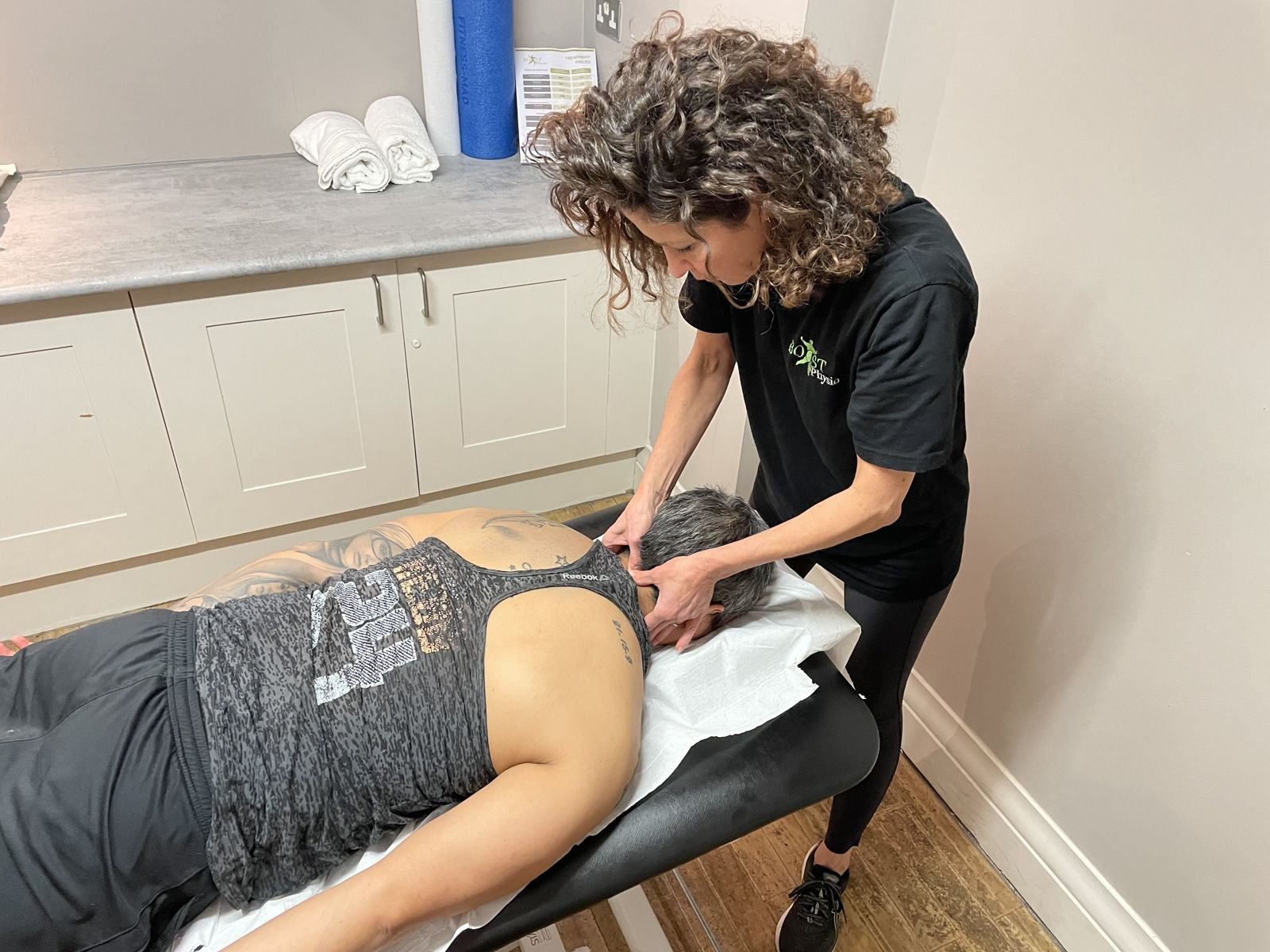
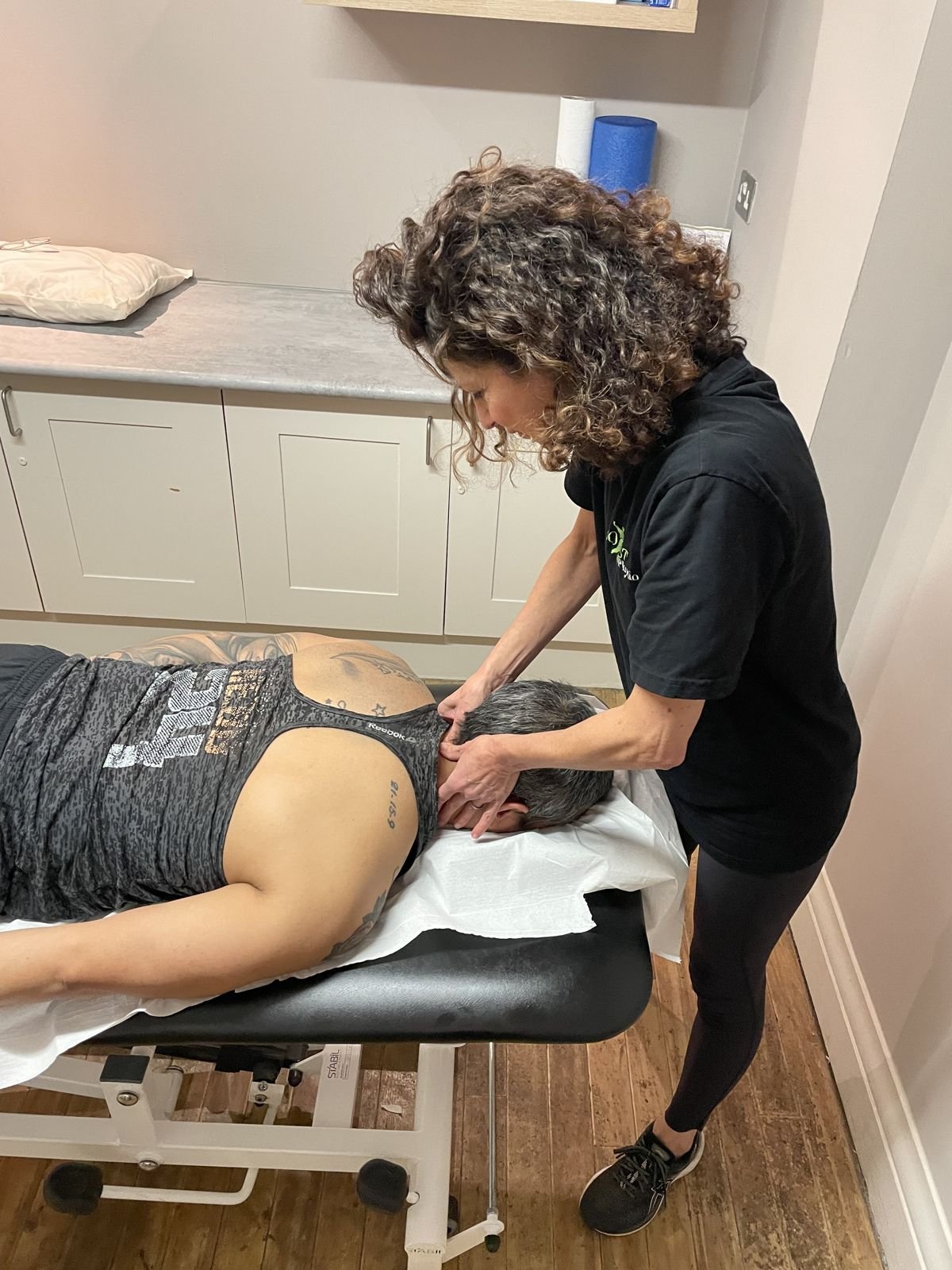
- Hands-on treatment such as joint mobilisation and soft tissue release to ease pain fast
- Exercises that actually fit your day, including a few desk-friendly moves you can do between meetings
- Acupuncture where it helps settle pain and muscle tension
- Practical changes to your desk set-up, phone habits, pillow and training
- Quick onward referral for a scan or consultant opinion if your symptoms need it
★★★★★
“From my very first session, I started to feel tremendous relief, and by the second session, it was as if the upper back and neck pain (which had been persisted for about a month) had completely disappeared.”
Funmi, Borehamwood, Google review
★★★★★
“I initially came in with back and neck pain, and both therapists have been fantastic in helping to relieve the pain, providing relevant exercises, and offering practical advice that I can incorporate into everyday life.”
Gabi Z, Hampstead Garden Suburb, Google review

Sarah Shamia
Senior Physiotherapist, Hendon NW4
Sarah worked for over five years in the NHS before joining us and is also a sports massage therapist and yoga teacher. She has a particular interest in pain neuroscience and in helping people who’ve had pain for three months or more, combining hands-on treatment, acupuncture and graded exercise.
A lot of people come in thinking their neck is fragile. Usually it’s just sensitive and stiff. When you understand what’s happening and start moving it again with confidence, it changes everything.
Sarah Shamia
04 · Headaches
Could your headaches be coming from your neck?
If your headaches start at the base of your skull, sit on one side, get worse with certain neck positions or long spells at a screen, your neck may be part of the problem. This is called a cervicogenic headache.
A well-known trial by Professor Gwendolen Jull found that hands-on treatment plus specific exercise reduced how often and how badly these headaches came back, with benefits still there a year later. It’s exactly the approach we use.
We’ll always check that your headaches fit this pattern. If anything suggests another cause, we’ll tell you and point you to the right doctor.

How mobile is your neck? Try this test from our Hendon physio

A simple way to ease tight neck muscles
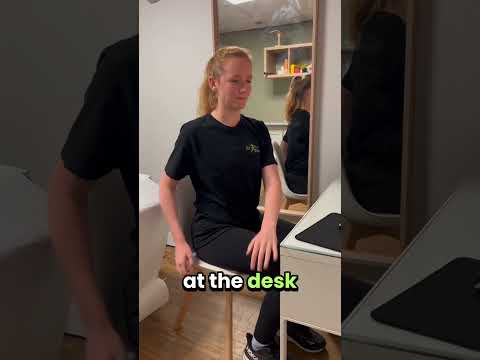
3 desk exercises for a stiff neck and achy back

Hands-on treatment for a trapped nerve in the neck
05 · Desk and phone
Small changes that make a big difference
There’s no single perfect posture. Your neck likes variety. Here are the tips we give our patients most often.
- Move every 30 to 45 minutes – stand, roll your shoulders and turn your head gently each way
- Bring the screen to you so the top is roughly at eye level and you’re not poking your chin forward
- Lift your phone rather than dropping your head to it
- Use one supportive pillow that keeps your neck level with your body when you lie on your side
- Keep active – walking, swimming and strength training all help necks feel better
When neck pain needs urgent attention
Call 999 or go to A&E if neck pain follows a significant accident or fall, or comes with sudden severe headache, slurred speech, double vision, dizziness, difficulty swallowing or weakness in your arms or legs.
See a doctor promptly if you have a fever and stiff neck, problems with balance or walking, clumsy hands, or unexplained weight loss.
Why BOOST PHYSIO
Every tool for your best recovery
We believe your best recovery comes from having every tool available, not relying on just one. So you’ll get hands-on treatment to ease pain and get you moving, exercise rehab that’s built around your life and a clear plan that changes as you improve.
Here’s something our patients don’t always realise. Behind every BOOST physio is the whole team. We train together twice a month and every physio has a dedicated mentor who reviews cases with them. If your problem is unusual or stubborn, it gets talked through by people who have seen it many times before.
- Same day appointments, 8am to 9pm, seven days a week at most clinics
- No GP referral needed
- On average our patients reach their goals in around 5 sessions
- Close links with leading orthopaedic surgeons and sports doctors if you need a scan or an opinion
- Recognised by Bupa, AXA Health, Vitality, Aviva and WPA, or simply self-pay
06 · Near you
Neck pain physio near you
See a BOOST PHYSIO physio for neck pain at any of our clinics across North London and Hertfordshire, with early morning, evening and weekend appointments.
Ready to move your neck freely again?
Book today and leave with a clear diagnosis and a plan. Your Best Recovery, Guaranteed.
Related reading
Keep reading
Your questions
Your questions answered
Can a physio help neck pain?
Yes. Physiotherapy is one of the most effective treatments for neck pain. Hands-on treatment eases pain and stiffness and targeted exercise, along with changes to how you work and sleep, helps stop it coming back.
How quickly will my neck pain get better?
Many people with a recent stiff neck feel much better within a few days to a couple of weeks. Longer-standing neck pain usually takes several weeks of treatment and exercise. On average our patients reach their goals in around 5 sessions.
I woke up with a stiff neck and can’t turn my head. What should I do?
Keep it gently moving within comfort, use heat and simple pain relief if suitable for you and avoid holding it completely still. If it hasn’t eased in a couple of days, a physio can usually loosen it quickly with hands-on treatment.
Can neck problems cause headaches?
Yes. Cervicogenic headaches start in the neck and are usually felt at the back of the head on one side. Research shows hands-on treatment combined with specific exercises can reduce how often they happen.
What is a trapped nerve in the neck?
It’s when a nerve is irritated as it leaves the neck, causing pain, pins and needles or numbness into the arm or hand. Most cases improve with physiotherapy and time. We’ll monitor your strength and sensation and refer you on if needed.
Do I need an X-ray or MRI for neck pain?
Usually not. Scans often show normal age-related changes that don’t explain pain. We’ll arrange imaging or a consultant opinion if your symptoms or examination suggest it’s needed.
Is my pillow causing my neck pain?
It can contribute. Aim for a pillow height that keeps your neck in line with your body. There’s no single best pillow, so we’ll help you find what works for you.
Should I use heat or ice on my neck?
Most people find heat more soothing for a stiff, achy neck. Use whichever feels better for short periods and keep the neck gently moving.
Can you treat whiplash?
Yes. After a car accident or fall we check carefully for anything that needs medical attention, then guide you through gentle movement and progressive rehab, which gives the best long-term results.
Do I need a GP referral?
No. You can book directly online or by phone. If you’re claiming on health insurance, check your policy and bring your authorisation number.
Do you accept health insurance?
Yes. Our physios are recognised by Bupa, AXA Health, Vitality, Aviva and WPA. Self-pay packages are also available.
Where can I see a physio for neck pain near me?
We have clinics across North London and Hertfordshire, including Hendon, Hampstead, Swiss Cottage, West Hampstead, Kentish Town, East Finchley, Muswell Hill, Crouch End, Mill Hill, Kensington, Borehamwood and Elstree.
Written by Steven Berkman, Chartered Physiotherapist and founder of BOOST PHYSIO, with the BOOST PHYSIO clinical team. Reviewed October 2026. This guide is general information and not a substitute for an individual assessment by a physiotherapist or doctor.
References
- Hoy D, March L, Woolf A et al. The global burden of neck pain: estimates from the Global Burden of Disease 2010 study. Annals of the Rheumatic Diseases 2014;73:1309-1315.
- Jull G, Trott P, Potter H et al. A randomized controlled trial of exercise and manipulative therapy for cervicogenic headache. Spine 2002;27:1835-1843.
