

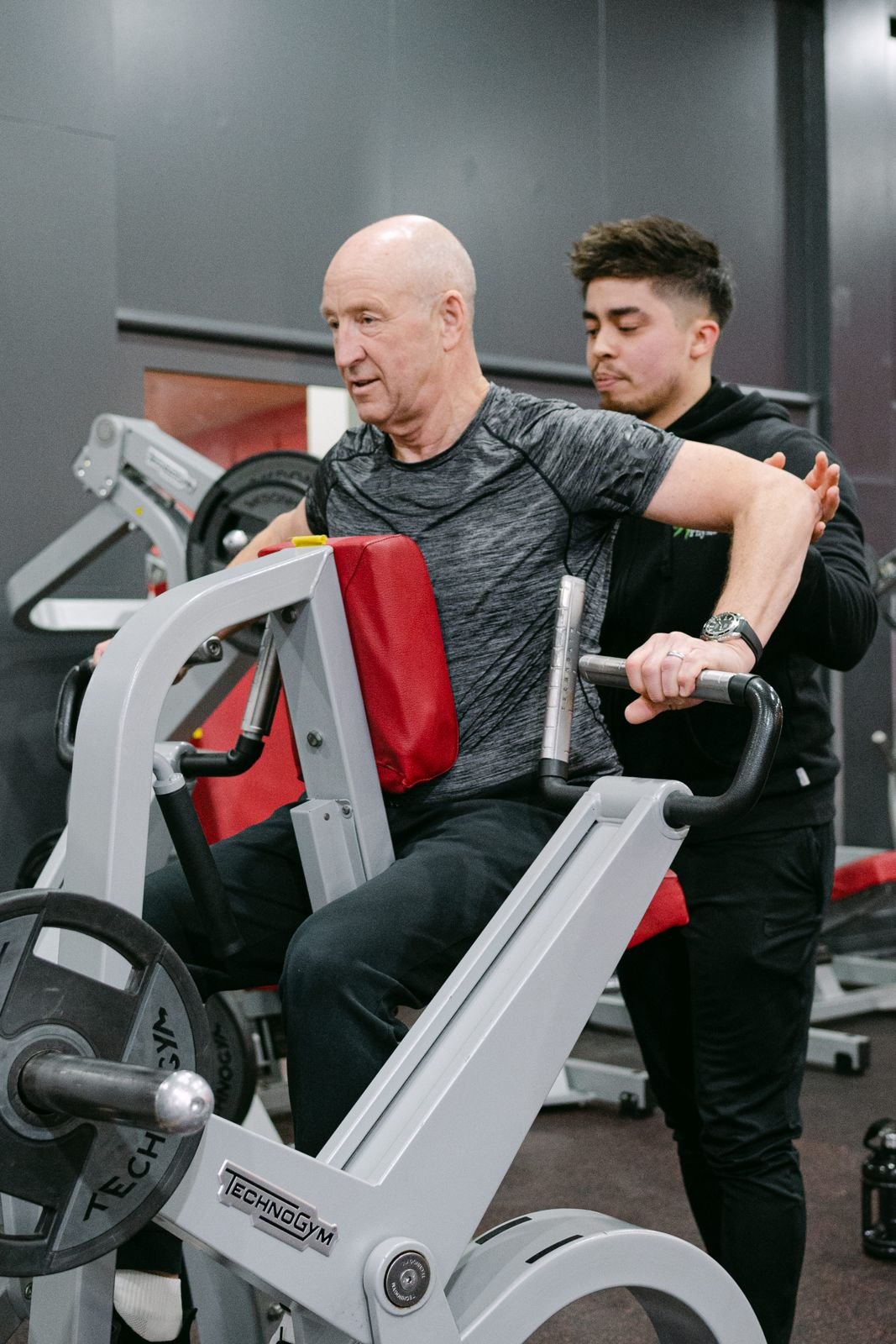
Strength and balance for over 60s
Stay strong, steady and independent for years to come
Feeling less steady on your feet, worried about falling or noticing you’re not as strong as you were? It’s never too late to build strength and confidence.
★★★★★ Over 1,000 five-star Google reviews · 38,000+ people helped
Quick answer: from middle age we gradually lose muscle and strength, (a process called sarcopenia) and balance can decline too. The good news is that strength and balance training works at any age. Exercise programmes reduce the rate of falls in older people by around a quarter. A physio can test your strength and balance, build a safe programme around your health and help you stay active and independent.
In this guide · 4 min read
01 · We understand
Independence is precious
Getting up from a low chair without pushing on your arms. Carrying the shopping home. Walking to see friends without worrying about uneven pavements. Getting down on the floor to play with the grandchildren and back up again.
These everyday things depend on strength and balance. When they start to slip, it’s easy to do less, which leads to losing more strength. We help people break that cycle every day, including people in their 80s and 90s.
Around 1 in 3 people over 65 has a fall each year. Many of those falls can be prevented.
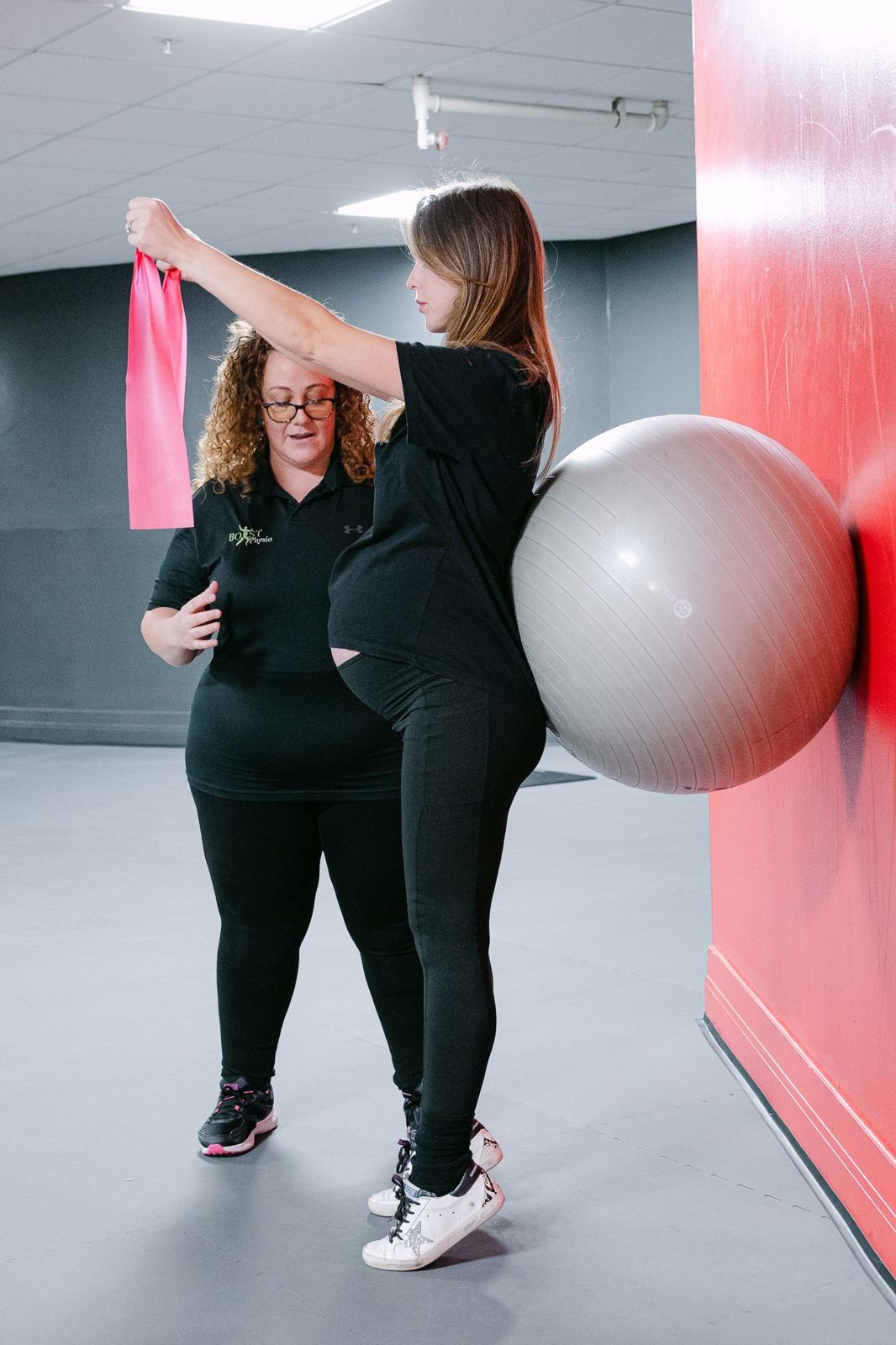
Exercise programmes reduced the rate of falls in older people living at home by around 23%, according to a Cochrane review of 108 trials. Balance and functional exercises had the biggest effect.
Sherrington et al, Cochrane Database of Systematic Reviews 2019
02 · Sarcopenia
What is sarcopenia and why does it matter?
Sarcopenia is the gradual loss of muscle mass, strength and function that comes with age. It speeds up from our 60s and 70s, particularly if we’re less active or unwell.
It matters because strength is linked to almost everything: walking speed, balance, recovering from illness or surgery and staying independent. Grip strength is even a powerful predictor of health. In the PURE study of nearly 140,000 people, every 5kg lower grip strength was linked to a 16% higher risk of death.
The encouraging part is that muscle responds to strength training at any age. With the right programme, people in their 70s, 80s and beyond get measurably stronger.
03 · How we help
How our physios help you stay strong and steady
- A strength and balance check, including grip strength, sit-to-stand, walking and balance tests, so we know your starting point
- A safe programme built around your health, medications and any joint problems
- Progressive strength training with simple equipment at home or in the gym
- Balance training to help you feel steady on stairs, pavements and buses
- Treatment for aches and pains that are holding you back, such as knee arthritis or back pain
- Confidence after a fall, including how to get up from the floor safely

3 exercises to improve balance and help prevent falls
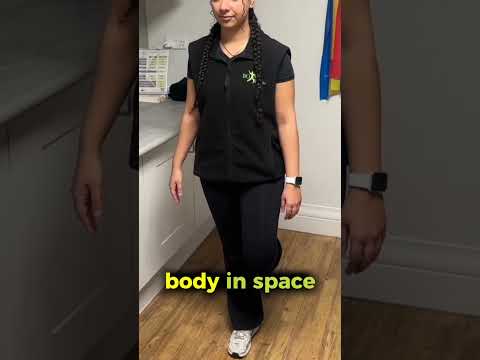
A balance test physios use, which you can try at home
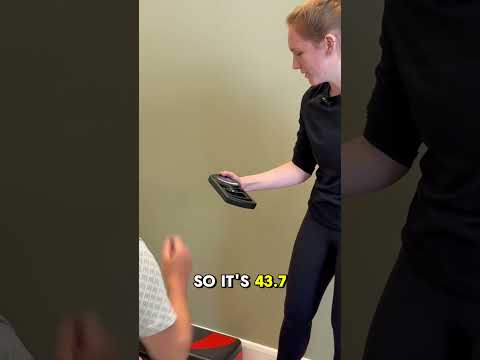
Is your grip strength right for your age?

Unsteady on your feet? Start with these

Setareh Radfar
Physiotherapist, Swiss Cottage NW3
Setareh studied Sport and Exercise Science before her MSc in Physiotherapy and worked as a gym instructor, so she’s brilliant at tailoring exercise to each person. Our Swiss Cottage clinic is inside the leisure centre, which makes it easy to move your rehab into the gym.
I find it incredibly rewarding to see the positive impact that personalised care can have on people’s lives.
Setareh Radfar
★★★★★
“…worked with my mum who is in her late 80s and has age related mobility challenges… Mum felt so much better after the work to relax stiff muscles and really inspired to do the exercises suggested as she has new confidence.”
Lynn M, East Finchley, Google review
★★★★★
“From my first consultation with Jolene I felt a connection that gave me the confidence to return to the gym after an eighteen month absence.”
Steve N, Borehamwood, Google review
04 · Start today
Four simple habits that help
- Sit to stand from a firm chair 10 times, twice a day, without using your hands if you can.
- Heel raises holding the kitchen worktop, building to 20.
- Stand on one leg while the kettle boils, holding on lightly if you need to.
- Walk a little further each week and include a gentle hill or stairs.
If any of these feel unsafe, or you’ve had a fall recently, please see us first so we can find the right starting point for you.
When to see a doctor first
Contact your GP or 111 if you’ve had a fall with a head injury, blackouts or dizziness, new confusion, chest pain or breathlessness on exertion, or a sudden change in your walking or balance. Call 999 if you can’t get up after a fall or are badly hurt.
Why BOOST PHYSIO
Every tool for your best recovery
We believe your best recovery comes from having every tool available, not relying on just one. So you’ll get hands-on treatment to ease pain and get you moving, exercise rehab that’s built around your life and a clear plan that changes as you improve.
Here’s something our patients don’t always realise. Behind every BOOST physio is the whole team. We train together twice a month and every physio has a dedicated mentor who reviews cases with them. If your problem is unusual or stubborn, it gets talked through by people who have seen it many times before.
- Same day appointments, 8am to 9pm, seven days a week at most clinics
- No GP referral needed
- On average our patients reach their goals in around 5 sessions
- Close links with leading orthopaedic surgeons and sports doctors if you need a scan or an opinion
- Recognised by Bupa, AXA Health, Vitality, Aviva and WPA, or simply self-pay
05 · Near you
Strength and balance physio near you
See a BOOST PHYSIO physio at any of our clinics across North London and Hertfordshire. Home visits may be possible depending on your needs, so please call us to talk it through.
Ready to feel stronger and steadier?
Book an assessment and leave with a plan that’s right for you. Your Best Recovery, Guaranteed.
Related reading
Keep reading
Your questions
Your questions answered
Is it too late to build strength in my 70s or 80s?
No. Muscles respond to strength training at any age. With a safe, progressive programme, older adults get measurably stronger and steadier, often within a few weeks.
What is sarcopenia?
Sarcopenia is the age-related loss of muscle mass, strength and function. It increases the risk of falls and losing independence, but strength training and enough protein can slow or even reverse it.
Can exercise really prevent falls?
Yes. A Cochrane review found exercise programmes reduce the rate of falls in older people living at home by around 23%, with balance and functional exercises having the biggest effect.
What does a strength and balance assessment involve?
We’ll ask about your health, any falls and your goals, then test things like grip strength, getting up from a chair, walking and balance. You’ll leave with clear results and a plan.
Why does grip strength matter?
Grip strength is a simple marker of overall strength and health. Lower grip strength is linked with higher risk of disability and illness, which is why we often test it.
I have arthritis. Can I still do strength training?
Yes. Strength training is one of the best treatments for arthritis. We’ll adapt the exercises to your joints so they’re comfortable and effective.
How many sessions will I need?
Many people start with 4 to 6 sessions to learn a programme and build confidence, then check in occasionally to keep progressing. On average our patients reach their goals in around 5 sessions.
Do you offer home visits?
Home visits depend on your specific needs. Please call us on 020 8201 7788 and we’ll talk through the options.
Can a family member come with me?
Of course. Many of our patients bring a son, daughter or partner, which also helps with exercises at home.
Do I need a GP referral?
No. You can book directly online or by phone.
Do you accept health insurance?
Yes. Our physios are recognised by Bupa, AXA Health, Vitality, Aviva and WPA. Self-pay packages are available too.
Written by Steven Berkman, Chartered Physiotherapist and founder of BOOST PHYSIO, with the BOOST PHYSIO clinical team. Reviewed October 2026. This guide is general information and not a substitute for an individual assessment by a physiotherapist or doctor.
References
- Sherrington C, Fairhall NJ, Wallbank GK et al. Exercise for preventing falls in older people living in the community. Cochrane Database of Systematic Reviews 2019;1:CD012424.
- Leong DP, Teo KK, Rangarajan S et al. Prognostic value of grip strength: findings from the Prospective Urban Rural Epidemiology (PURE) study. The Lancet 2015;386:266-273.
- Cruz-Jentoft AJ, Bahat G, Bauer J et al. Sarcopenia: revised European consensus on definition and diagnosis. Age and Ageing 2019;48:16-31.
- National Institute for Health and Care Excellence. Falls in older people: assessing risk and prevention.
