
Quick answer: the fear of falling again is often just as limiting as the fall itself, but balance is trainable at any age. A few minutes of the right exercises, done consistently, can measurably improve stability, confidence and independence.
Why this matters
A single fall can change everything, not just from the injury itself, but from the confidence it takes away. Many people quietly start avoiding stairs, uneven pavements or trips out altogether, which weakens balance and strength further and makes another fall more, not less, likely. Working on balance before or after a fall, rather than simply being more careful, is what actually breaks that cycle and protects independence.
Do you know someone who’s had a fall, or become unsteady on their feet?
It happens more than people realise. One wobble on the stairs, one near-miss stepping off a kerb, and confidence can drop fast, sometimes faster than physical ability actually has. Research published in the British Journal of Sports Medicine found that inability to stand on one leg for 10 seconds in mid to late life is linked to a near doubling of health risk over the following decade, a striking reminder of how much balance reflects overall physical resilience. You can read more about that simple balance test and what it means.
Balance exercises Maddy uses every day with patients
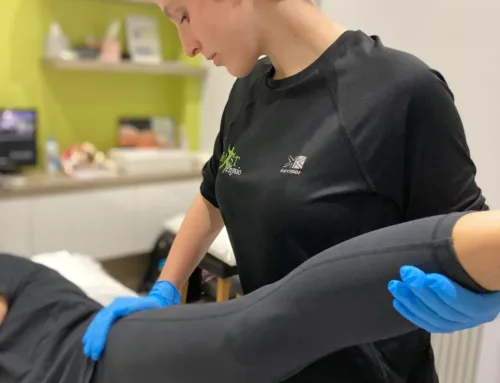
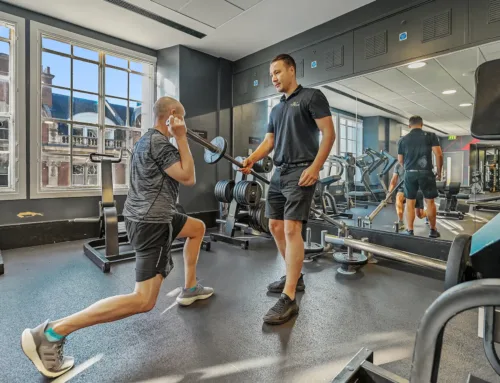
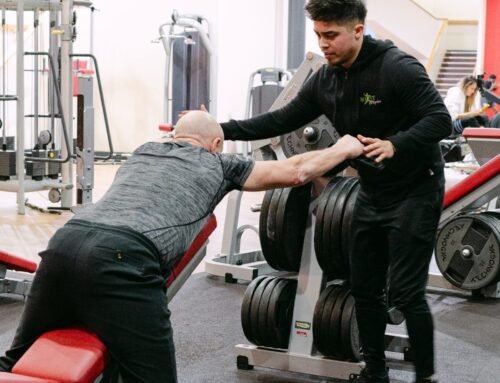
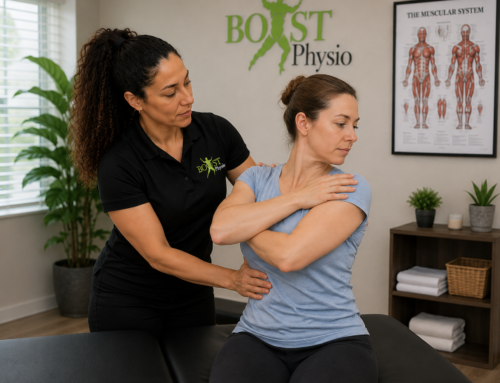
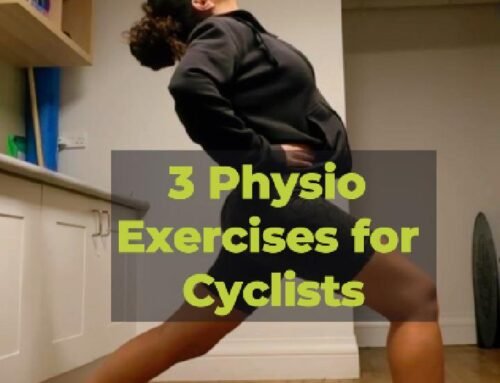
Maddy, physiotherapist at BOOST PHYSIO Hampstead NW3, works with patients on the key balance exercises our physios rely on: single leg stands (holding onto a chair for support if needed), heel-to-toe walking, and simple strength work for the legs and core that underpins good balance. They’re simple, they’re backed by evidence, and they make a real, measurable difference. If tired or heavy legs on a walk are also a concern, our guide on why legs get tired when walking covers the strength side of the same picture.
“Balance is trainable at any age. A few minutes of the right exercises, done consistently, can make a real difference.” — Maddy, Physiotherapist, BOOST PHYSIO Hampstead
Confidence and independence, not just physical safety
Falls prevention isn’t only about reducing physical risk. It’s about the confidence to keep doing the walk, the stairs, the garden, the things that make daily life feel normal. A tailored plan addresses both. Read more about maintaining strength as we age in our article on sarcopenia exercises. If you’re also thinking about who to see for a full assessment, our guide on choosing a physiotherapist in Hampstead may help.
Our approach: every tool for your best recovery
At BOOST PHYSIO, we believe your best recovery comes from having every tool available, not relying on just one. That’s why our physiotherapists combine hands-on manual therapy with targeted exercise rehabilitation, tailored specifically to you and adjusted as you progress. We’ve seen first-hand, time and again, that patients get the best and most lasting results when both are used together. It’s the thinking behind our promise: Your Best Recovery, Guaranteed.
At BOOST PHYSIO Hampstead, opposite Hampstead tube station, we offer:
- ✓ Same day physiotherapy appointments, 8am to 9pm
- ✓ Male and female clinicians
- ✓ Treatment recognised by BUPA, AXA and WPA
Book an assessment online now, call 020 8201 7788 or WhatsApp us.
Frequently asked questions about falls prevention and balance
Written with Maddy, physiotherapist at BOOST PHYSIO Hampstead NW3, and the BOOST PHYSIO team. This article is general guidance and is not a substitute for an individual physiotherapy assessment.