
Pain and injury advice
Hoping it will just go away?
Some aches do settle on their own. Many don’t. Waiting without a plan can quietly cost you strength, confidence and months of your life.

Quick answer: A short wait is reasonable for a new ache that is clearly getting better. But if your pain hasn’t improved within two to three weeks, stops you sleeping, working or exercising, or keeps coming back, waiting is not a recovery plan. Get it properly assessed, find out what you’re dealing with and start doing the right things now, rather than resting and hoping.
Will pain just go away if you leave it?
Sometimes, yes. The NHS says back pain usually improves within a few weeks and plenty of minor strains settle with sensible activity. We’d never tell you otherwise.
The problem is that “wait and see” often becomes “wait and worry”. We regularly meet people who have spent three, six or twelve months hoping a knee, shoulder or back would sort itself out. By the time they come in, the original problem is often joined by stiffness, weakness and a limp or a guarded way of moving that wasn’t there at the start.
So the honest answer is: some pain goes away, some doesn’t. You usually can’t tell which is which from your sofa.
Why recovery needs progressive loading, not just rest
What the research actually says about waiting
We like to be straight with you about the evidence. A large review of 14 studies and 69,606 patients (Lewis and colleagues, BMC Health Services Research, 2018) found that shorter waits for musculoskeletal care were linked with better return to work. It did not find a clear link between wait time and pain or function scores.
In plain English, waiting doesn’t make everyone worse. What it does do is keep people off work, away from their hobbies and stuck in a holding pattern for longer. And from what we see in clinic every week, the people who struggle most aren’t simply the ones who waited. They’re the ones who waited without knowing what was wrong or what to do about it.
The wait itself is rarely the problem. Waiting without a diagnosis or a plan is.
What waiting without a plan quietly costs you
Strength
Muscles weaken quickly when you rest and protect a sore area. Weak thigh muscles around a painful knee are one of the most common things we find at a first appointment.
Compensation
A limp or a stiff, guarded posture shifts load elsewhere. It is very common for a sore hip to be joined by a sore back, or one knee by the other.
Confidence
Patients often tell us they stopped running, gardening or lifting the grandchildren “just in case”. Avoidance is understandable but it shrinks your life faster than the injury does.
Sleep and mood
Pain that wakes you at night wears you down. Poor sleep makes pain feel worse, which makes sleep worse.
Work
The research above found shorter waits linked with better return to work. Time off or working in pain both have a real cost.
Persistent pain
Pain lasting longer than three months is classed as chronic. The nervous system can become more sensitive over time, which is one reason we’d rather help early than late.
When it is fine to wait
Waiting a little while is perfectly reasonable when:
- It is new and improving: each day or week is a bit better than the last
- You know the cause: a heavy weekend in the garden or a new gym class that is easing
- You can still do your normal day: work, sleep and walking are mostly unaffected
- There are no warning signs: see the red box further down
If that’s you, keep moving gently, stay as active as comfort allows and give it a couple of weeks. If it stops improving, that is your cue.
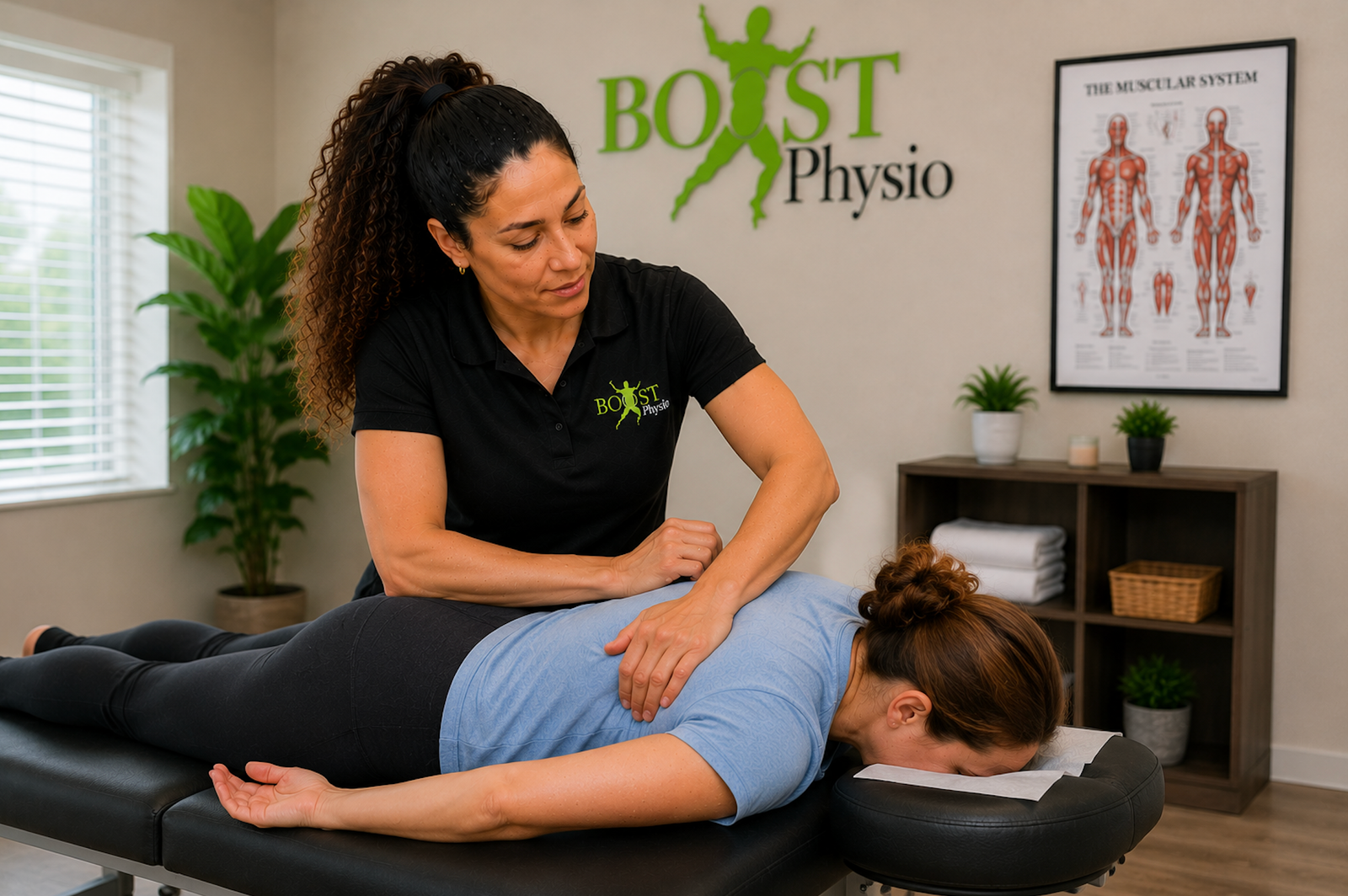
Not getting better?
Book a full assessment and leave with a diagnosis and a plan. No GP referral needed.
Active waiting: what to do instead of just resting
Whether you’re waiting for an NHS appointment, a scan or a consultant, or you simply aren’t sure yet, these steps make the time count:
- Keep moving within comfort: complete rest is rarely the answer for back, neck or joint pain
- Get a diagnosis: knowing what is wrong takes away a lot of the fear and guesswork
- Start the right exercises early: the right exercise at the right dose is the backbone of almost every recovery we see
- Track your progress: note what you can do, not just how much it hurts
- Know your red flags: so you know when waiting is not safe
- Set a review date: if it isn’t clearly better in two to three weeks, get it looked at
If you’re already on an NHS list, our guide to what to do while you wait for NHS physio goes into more detail and our article on why people choose private physio explains the other option.
When not to wait: get urgent help
Call 999 or go to A&E if back pain comes with any of these (NHS guidance):
- Pain, tingling, weakness or numbness in both legs
- Loss of feeling around your genitals or bottom
- New problems controlling your bladder or bowels
- Chest pain
- Pain that started after a serious accident, such as a car crash
See your GP urgently for pain with a high temperature, unexplained weight loss, a swollen and hot calf, or pain that is getting steadily worse at night.
Waiting at a glance
| Usually fine to wait | New, mild pain that is clearly improving week by week |
|---|---|
| Time to get it checked | No clear improvement after two to three weeks, or it keeps coming back |
| Don’t wait | Red flag symptoms (see the red box), or pain after a significant injury |
| What the evidence shows | Shorter waits linked with better return to work (Lewis et al, 2018) |
| What helps most | A clear diagnosis, staying active and the right exercises at the right dose |
Watch: how we get people moving again
A few short videos from our physios on the kind of active rehab that beats waiting and resting.
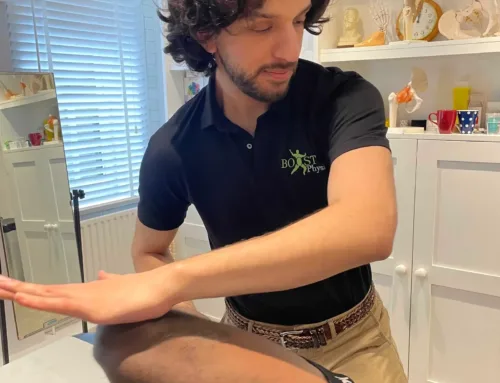
Hands-on physio with a plan from day one
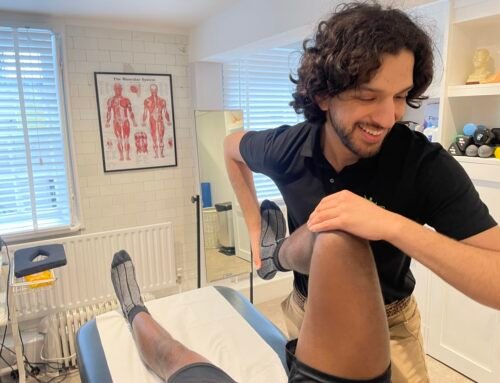
Knee exercises physios actually recommend
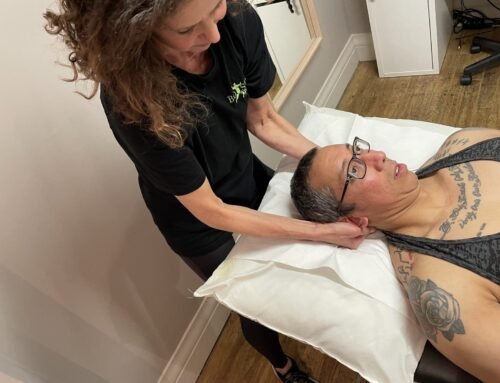
What expert physio treatment looks like

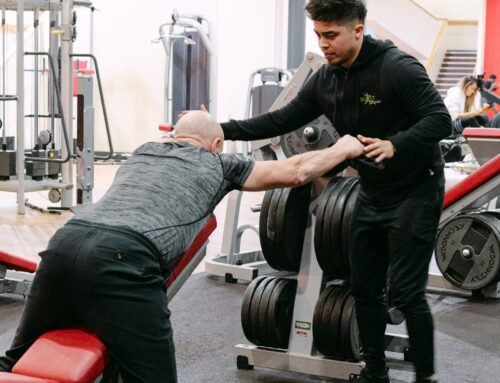
Every tool for your best recovery
At BOOST PHYSIO, we believe your best recovery comes from having every tool available, not relying on just one. Our physiotherapists combine hands-on treatment with exercise rehabilitation built around you, then adjust it as you progress.
Something our patients don’t always realise is how much support sits behind each physio. Our team trains together twice a month and every physio has a dedicated mentor who reviews cases with them, so whichever clinic you visit you get the experience of the whole team.
- Same day appointments, seven days a week
- No GP referral needed to book
- Treatment recognised by Bupa, AXA Health, Vitality, WPA and Aviva
Find your nearest BOOST PHYSIO clinic: Borehamwood, Crouch End, East Finchley, Elstree, Hampstead, Hampstead Garden Suburb, Hendon, Kensington, Kentish Town, Mill Hill, Muswell Hill, Swiss Cottage Leisure Centre and West Hampstead. Same day appointments, 7 days a week, 8am to 9pm.
Stop waiting, start recovering
Same day appointments, 7 days a week, across North London and Hertfordshire.
Related reading
 Knee pain physio
 Slipped disc and sciatica
 The overlooked back pain exercise
 How stiff is your shoulder?Why do my legs get tired when I walk?
 Tennis elbow physio
Your questions answered
How long should I wait before seeing a physio?
If new pain isn’t clearly improving after two to three weeks, it is worth getting assessed. See someone straight away if the pain followed a significant injury, stops you walking or sleeping, or comes with any red flag symptoms.
Is rest good for an injury?
A day or two of relative rest can help after an acute strain, but long periods of complete rest usually lead to stiffness and weakness. For most back, neck and joint problems, staying gently active is better.
Does waiting for physio make outcomes worse?
Not for everyone. A 2018 review of 69,606 patients found shorter waits were linked with better return to work, but no clear link with pain or function. What tends to hold people back is waiting without a diagnosis or a plan.
Do I need a GP referral to see a physio?
No. You can book directly with BOOST PHYSIO without a GP referral. If you are claiming on health insurance, check whether your insurer needs a GP referral or authorisation code first.
What if my pain keeps coming back?
Recurring pain usually means something hasn’t been fully addressed, such as strength, load or movement habits. That is a good reason to get assessed rather than waiting for the next flare up.
Can I see a private physio while waiting for NHS treatment?
Yes. Many of our patients see us while they wait for an NHS appointment, scan or surgery. Seeing a private physio doesn’t affect your place on an NHS waiting list.
This article is general information and not a substitute for an individual assessment. References: Lewis AK, Harding KE, Snowdon DA, Taylor NF. Reducing wait time from referral to first visit for community outpatient services may contribute to better health outcomes: a systematic review. BMC Health Services Research 2018;18:869. NHS: Back pain (nhs.uk). Written by the BOOST PHYSIO team, reviewed by Steven Berkman, Chartered Physiotherapist, MCSP, HCPC registered.