Heat or ice: which is better?
It’s one of the questions we hear most. The short version: ice for fresh, hot, swollen injuries in the first couple of days, heat for stiff, achy muscles and backs. But neither will fix the problem on its own.
★★★★★ 4.9 from 1,400+ Google reviews across our 13 clinics
Quick answer: Use ice for short-term pain relief in the first 48 to 72 hours after a sprain or strain, for 10 to 20 minutes at a time, wrapped in a towel. Use heat for stiff muscles, persistent back or neck pain and before exercise, for about 15 to 20 minutes. A Cochrane review found heat wraps give a small, short-term benefit for acute low back pain. Movement matters more than either.
When should I use ice?
Ice numbs pain. It is most useful for fresh injuries such as a sprained ankle, a knock or a pulled muscle in the first 2 to 3 days and after exercise if a joint flares up.
- 10 to 20 minutes: then let the skin return to normal before repeating
- Always wrap it: a thin towel stops ice burns
- Check your skin: don’t use ice over areas with poor feeling or circulation
Current guidance (PEACE and LOVE, Dubois and Esculier, BJSM 2020) questions routine icing to reduce swelling, as some inflammation is part of healing. So use ice for comfort rather than as a treatment in its own right.
When should I use heat?
Heat relaxes muscles and eases stiffness. It works well for ongoing back and neck pain, muscle tightness and stiff joints and many people find it helps them move more comfortably before exercise.
15-20 min
a typical heat session
Clinical practice
Small
short-term benefit of heat wraps for acute low back pain
French et al, Cochrane 2006
48-72 h
the window where ice is most often used
Clinical practice
- Use a warm (not hot) hot water bottle or heat pack wrapped in a cover
- Never fall asleep on a heat pad
- Avoid heat on a fresh, swollen injury or an area that is hot and red
Still sore after a few days?
WhatsApp us your question, call 020 8201 7788 or book online at any of our 13 clinics across North London and Hertfordshire, often the same day.
Heat or ice: a quick guide
| Ice (cold) | Heat | |
|---|---|---|
| Best for | Fresh sprains, strains and knocks in the first 48 to 72 hours and flare-ups after exercise | Stiff muscles, ongoing back and neck pain, stiff joints and before exercise |
| What it does | Numbs pain for a while | Relaxes muscles and eases stiffness |
| How long | 10 to 20 minutes, wrapped in a towel | About 15 to 20 minutes, warm not hot |
| How often | Every 2 to 3 hours if it helps | A few times a day, or before activity |
| Avoid if | You have poor circulation or reduced feeling in the area | The area is hot, red or very swollen, or you have reduced feeling |
| Evidence | Good for pain relief, limited for speeding healing | Small, short-term benefit for acute low back pain (Cochrane, French 2006) |
| Sprained ankle in the last 2 days | Ice for comfort, elevate, gentle movement |
|---|---|
| Pulled hamstring or calf, first days | Ice for comfort, avoid stretching hard |
| Stiff, achy lower back | Heat, then gentle movement and walking |
| Neck stiffness from desk work | Heat, plus regular movement breaks |
| Arthritis stiffness in the morning | Heat often helps, followed by exercise |
| Tendon pain | Neither matters much: the right loading programme does |
For back pain, see our back pain page and our low back stretch routine.
Why heat and ice are only part of the answer
Both are useful for comfort, but the evidence for actually speeding healing is limited. What makes the real difference is a gradual return to movement and building strength. NICE’s back pain guideline (NG59) focuses on staying active and exercise rather than passive treatments.
There’s one more thing worth knowing. Pain is your body’s alarm system and both heat and ice turn the volume down for a while. That’s useful, because it lets you move more comfortably. But if you rely on them for weeks without changing anything else, the alarm usually comes back. The aim is to use the comfort window to walk, stretch and strengthen, so the tissue gradually becomes less sensitive and more able to cope with load.
Heat or ice can help you move. Moving is what helps you heal.
Get medical advice if
- The area is hot, red and swollen and you feel unwell or feverish
- Swelling is large and came on within minutes of an injury
- You have pain with numbness or weakness
How we use heat, ice and movement at BOOST PHYSIO
Heat or ice is one of the questions we’re asked most, usually by someone who has been switching between the two for days and still isn’t sure. Our answer is simple: use whichever gives you the most relief, then use that relief to move more. Neither one fixes the problem on its own.
When you come in, we work out what has been injured and what stage of healing it is at. A two-day-old ankle sprain, a hamstring that keeps tightening and a stiff back after a long week at the desk all need different things. We’ll tell you whether heat or ice fits your stage and then put the real work into the plan around it.
- Pain relief that lets you move: hands-on treatment, taping and heat or ice advice for your stage
- Gradual loading: exercises that build strength in the injured tissue, which is what actually helps it heal
- Fewer flare-ups: advice on how much activity to do while it settles
- A clear finish line: tests to show you’re ready for sport, work or the gym
Heat or ice buys you comfort. Movement buys you recovery.
When should I see a physio?
If your pain isn’t easing after a few days, if it keeps coming back or if you’re not sure what you’ve injured, an assessment will get you on the right track. You can book at any of our 13 clinics, often the same day, with no GP referral needed.
What our patients say
★★★★★
“Tanvi is super knowledgeable and understands how to treat my back injury.”
★★★★★
“I had such a lovely experience with Soma! I’ve been struggling with sciatic pain, and she made me feel so comfortable and welcome from the moment I arrived.”
★★★★★
“She has helped me get back to full fitness, feeling stronger than before.”
Watch: simple exercises from our physios
Short videos with gentle exercises to keep you moving.
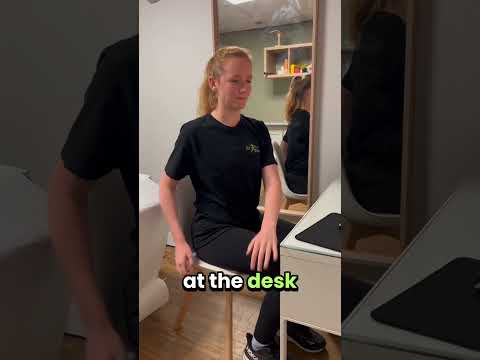
Stiff Neck? Achy Back? 3 Physio Approved Desk Exercises To Help You Now.

How To Help Back Stiffness At Work

How do you test if your upper back is stiff?
Got a question about your own pain or injury? Send it to our physios.
Get help at your nearest BOOST PHYSIO clinic
We help people with this at all 13 of our clinics across North London and Hertfordshire. Choose your nearest clinic to see the team, opening times and how to find us, or book straight in.
Get the right plan for your injury
WhatsApp us your question, call 020 8201 7788 or book online at any of our 13 clinics across North London and Hertfordshire, often the same day.
Related reading
Your questions answered
Is heat or ice better for back pain?
Heat usually helps more for back pain, as it eases muscle tension and stiffness. A Cochrane review found heat wraps give a small short-term benefit for acute low back pain.
Should I ice a sprained ankle?
Ice can ease pain in the first 2 to 3 days. Use it for 10 to 20 minutes wrapped in a towel and combine it with elevation, compression and gentle movement.
Can I use heat and ice together?
Some people alternate them, but there is little evidence it helps more than either alone. Use whichever makes you more comfortable and able to move.
How long should I use ice for?
10 to 20 minutes at a time, a few times a day, with the ice wrapped in a towel.
Is heat bad for inflammation?
Avoid heat on a fresh, swollen injury or an area that is hot and red. Heat is better for stiffness and ongoing muscle aches.

Written and clinically reviewed by Steven Berkman, BSc Physiotherapy (University of Cape Town), HCPC-registered chartered physiotherapist, MCSP, founder of BOOST PHYSIO in 2008, with Finlay McDonald and Martin Sarembock at BOOST PHYSIO Crouch End. Last reviewed 12 November 2026.
References
- Dubois B, Esculier JF. Soft-tissue injuries simply need PEACE and LOVE. Br J Sports Med. 2020;54(2):72-73.
- French SD, et al. Superficial heat or cold for low back pain. Cochrane Database Syst Rev. 2006;(1):CD004750.
- National Institute for Health and Care Excellence. Low back pain and sciatica in over 16s (NG59). 2016, updated 2020.
- NHS. Sprains and strains. nhs.uk.