Padel injuries: the most common ones and how to prevent them
Padel has taken London by storm. It’s sociable, fast and great fun, but the quick stops, low lunges and overhead smashes can catch out bodies that aren’t used to them.
★★★★★ 4.9 from 1,400+ Google reviews across our 13 clinics

Quick answer: The most common padel injuries are tennis elbow, shoulder pain, calf strains, ankle sprains and lower back pain. Most come from doing too much too soon, quick changes of direction and repeated overhead shots. Warming up, building up your playing time gradually, strengthening your forearm, shoulder and calves and using the right racket grip size prevent most of them.
What are the most common padel injuries?
Tennis elbow
Pain gripping the racket, lifting a kettle or shaking hands. Often from a sudden increase in playing.
Shoulder pain
Aches with overhead smashes and bandejas, often worse lying on that side at night.
Calf strain
A sudden grab or pop when pushing off or lunging, common in players over 35.
Ankle sprain
Quick sideways movements and landing near the glass or another player’s foot.
Lower back pain is also common, from the low, twisting shots and long periods of bending. Our sports injury page covers how we treat all of these.
Which padel injury is it?
| Injury | Usually caused by | What it feels like | Typical recovery with rehab |
|---|---|---|---|
| Tennis elbow | Repeated backhands and gripping, often after a jump in playing time | Pain on the outside of the elbow when gripping or lifting | Often several months, improving steadily with a loading programme |
| Shoulder pain | Smashes, bandejas and overhead shots | Pain lifting the arm or reaching overhead | Usually 6 to 12 weeks of strengthening |
| Calf strain | Sudden push-off or lunging for a ball | A sharp grab in the calf | About 1 to 6 weeks depending on the grade |
| Ankle sprain | Quick changes of direction and landing on a foot | Pain and swelling on the outside of the ankle | Usually 2 to 6 weeks for a mild to moderate sprain |
| Low back pain | Low, twisting shots and long periods bent over | Ache or stiffness in the lower back, often the next day | Often days to a few weeks with activity and exercise |
Timescales vary a lot with how long you’ve had the problem and how much you play. Our guides on calf strains and tennis elbow go into more detail.
Padel injury not settling?
WhatsApp us your question, call 020 8201 7788 or book online at any of our 13 clinics across North London and Hertfordshire, often the same day.
Why do padel players get injured?
- Too much too soon: going from one game a week to four is the most common trigger
- Quick stops and turns: padel’s small court means constant changes of direction
- Overhead shots: repeated smashes load the shoulder and elbow
- Grip and racket: a grip that’s too small or a heavy racket increases forearm strain
- No warm-up: cold calves and shoulders are more likely to strain
Padel is easy to pick up and hard to put down. Build your body up as quickly as your diary fills up.
How can I prevent padel injuries?
| Warm up | 5 to 10 minutes: brisk movement, lunges, arm circles and some easy rallies |
|---|---|
| Build up gradually | Increase games per week by one at a time, with rest days between hard sessions |
| Strengthen your forearm | Wrist and grip strength work 2 to 3 times a week protects the elbow |
| Strengthen your shoulder | Rotator cuff and shoulder blade exercises for overhead shots |
| Strengthen your calves | Single-leg calf raises, building to 20 or more on each side |
| Footwear | Padel or clay court shoes with good grip and side support |
Our tennis elbow page explains how a loading programme helps the elbow recover and our ankle sprain page covers rehab to stop sprains coming back.
Can I keep playing with a padel injury?
Often, yes, with changes. Mild elbow or shoulder pain (up to about 3 out of 10) that settles by the next day usually lets you keep playing while you strengthen. Reduce the number of games, avoid the shots that hurt most and focus on rehab. Sudden injuries like a calf pop or a badly rolled ankle need you to stop and get assessed.
3/10
a rough limit of pain during play for overuse injuries
Clinical practice
6-12 weeks
typical time for a loading programme to settle tennis elbow
Clinical practice
1-6 weeks
typical return after most calf strains
Clinical practice
How we help padel players at BOOST PHYSIO
Padel has brought a lot of new players through our doors, many of whom hadn’t played a racket sport in years. The pattern we see most is someone who goes from one game a week to four, feels great for a fortnight and then develops elbow or shoulder pain that won’t settle.
At your first appointment we work out which tissue is irritated and why. We ask how often you play, what changed recently, your grip size and the shots that hurt. Then we test grip and forearm strength, shoulder strength and range and calf and ankle control, comparing your sides.
- Keep you playing where possible: adjusting how often and how hard you play rather than stopping completely
- Hands-on treatment to ease pain and stiffness so you can load the area
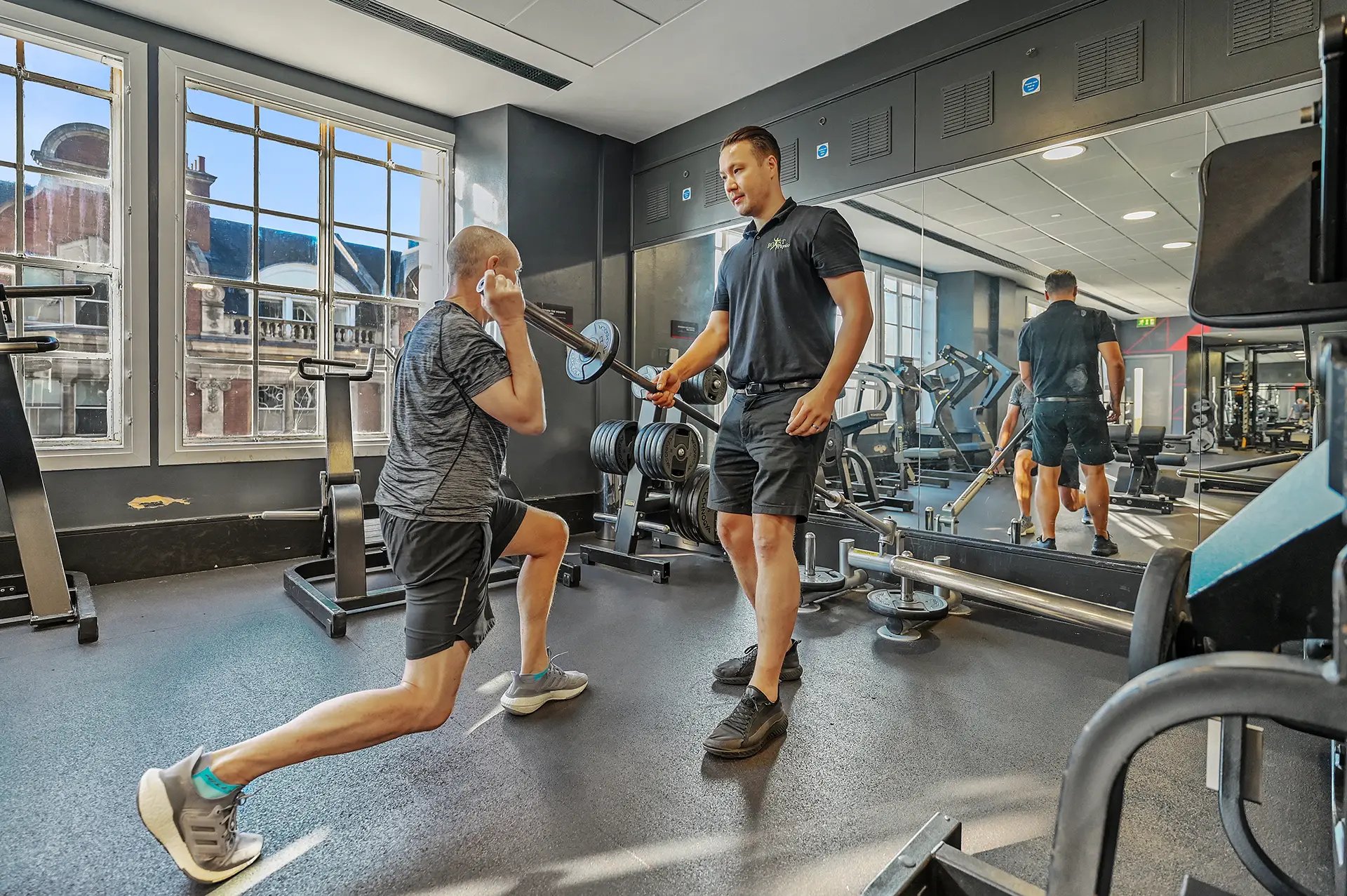
- Targeted strength work: forearm, rotator cuff, calf and hip exercises that fit around your games
- Prevention: a short warm-up and a twice-weekly strength routine to keep you on court
Most people don’t need to give up padel. They need a plan that lets the injured tissue catch up with how much they’re now playing.
When should I see a physio?
Stop playing and get checked if
- You felt a pop in your calf or Achilles and can’t push off
- Your ankle is badly swollen and you can’t put weight on it
- Shoulder pain stops you lifting your arm after a fall
Book an assessment if pain hasn’t settled within 2 weeks or keeps coming back after games. We treat padel and tennis players at all 13 of our clinics, often the same day and can work out what is overloading your elbow, shoulder or calf.
What our patients say
★★★★★
“After wasting time trying to see a physio through my GP it felt very worthwhile to see a private sports physio and start to get some progress towards healing my achillies tendon.”
★★★★★
“She was friendly, informative, and helped to create a plan targeted at a return to sport.”
★★★★★
“When needed he also gave excellent recommendations to sports medicine doctors who helped diagnose issues beyond what physiotherapy can.”
Watch: exercises for racket sport players
Short videos with elbow, shoulder and ankle exercises our physios use.
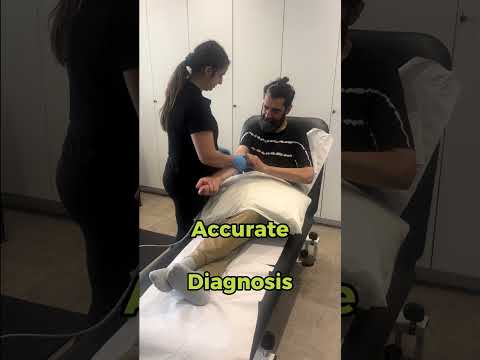
Elbow Pain? On the inside of the elbow? It could be golfer's elbow.
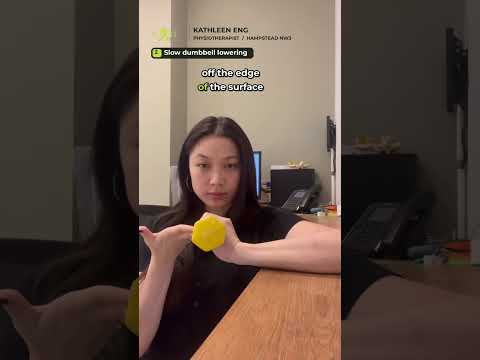
Hampstead Private Physiotherapists shows what she would do if she had tennis elbow

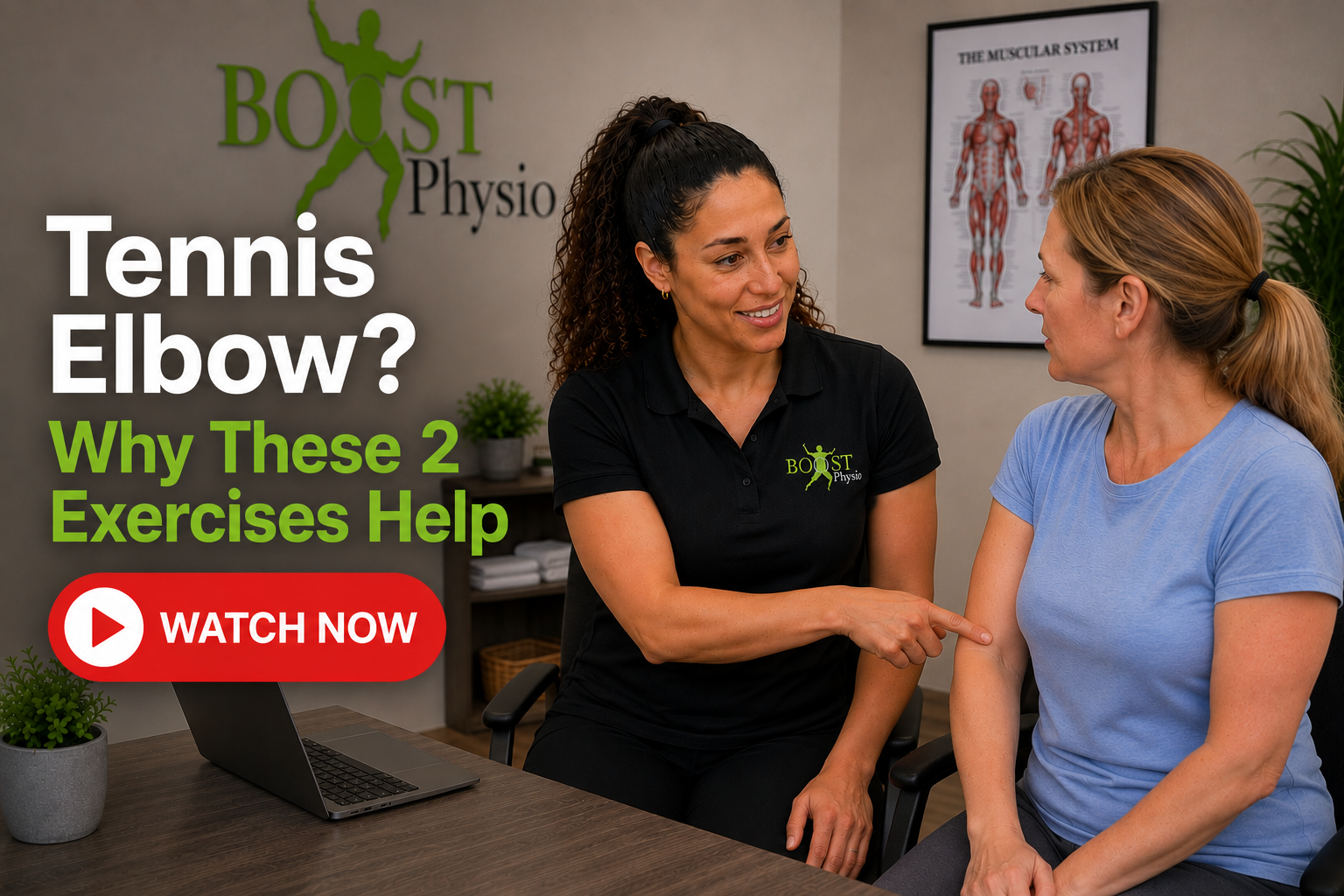
Tennis Elbow? Pain on outside of elbow? How Physio assessment and shockwave can help
Got a question about your own pain or injury? Send it to our physios.
Get help at your nearest BOOST PHYSIO clinic
We help people with this at all 13 of our clinics across North London and Hertfordshire. Choose your nearest clinic to see the team, opening times and how to find us, or book straight in.
Get back on court
WhatsApp us your question, call 020 8201 7788 or book online at any of our 13 clinics across North London and Hertfordshire, often the same day.
Related reading

Your questions answered
What is the most common padel injury?
Tennis elbow is one of the most common, along with shoulder pain, calf strains and ankle sprains. Most are overuse injuries from increasing playing time too quickly.
Can you get tennis elbow from padel?
Yes. Gripping the racket and repeated shots load the tendons on the outside of the elbow, especially if you’ve recently increased how often you play.
How do I stop my elbow hurting from padel?
Build up playing time gradually, strengthen your wrist and forearm, check your grip size and reduce the shots that hurt. If pain lasts more than 2 weeks, get assessed.
Should I play padel with a calf strain?
No. Rest from playing until you can walk briskly, do single-leg calf raises and hop without pain, then build back up.
Do I need special shoes for padel?
Yes, padel or clay court shoes give better grip and side support on padel courts than running shoes, which can reduce ankle sprains.

Written and clinically reviewed by Steven Berkman, BSc Physiotherapy (University of Cape Town), HCPC-registered chartered physiotherapist, MCSP, founder of BOOST PHYSIO in 2008, with Finlay McDonald and Martin Sarembock at BOOST PHYSIO Crouch End. Last reviewed 12 November 2026.
References
- Dubois B, Esculier JF. Soft-tissue injuries simply need PEACE and LOVE. Br J Sports Med. 2020;54(2):72-73.
- National Institute for Health and Care Excellence. Clinical Knowledge Summaries: Tennis elbow. cks.nice.org.uk.
- NHS. Tennis elbow. nhs.uk.