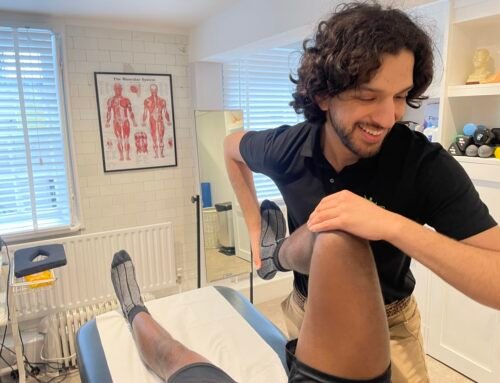
How soon should you see a physio after an injury?
Twisted ankle on the Parkland Walk, a tweak in your back lifting the shopping, a pulled muscle at five-a-side. Should you wait and see, or book in now?
★★★★★ 4.9 from 1,400+ Google reviews across our 13 clinics
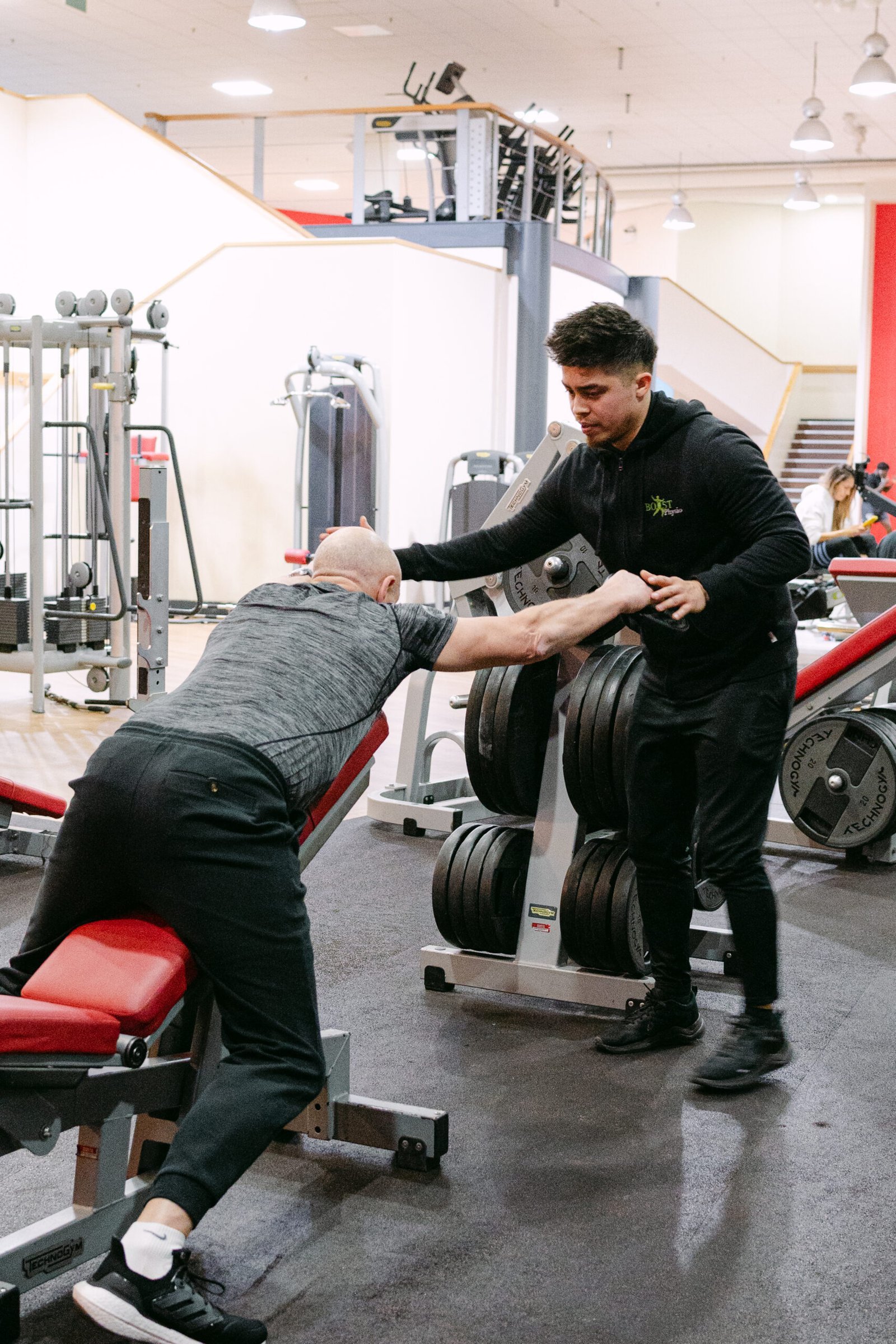
Quick answer: For most sprains, strains and back pain, see a physio within the first 2 to 7 days. Early advice and graded movement usually speed up recovery and help you avoid getting stuck. Research on back pain (Fritz 2012) linked early physio with less later healthcare use. Go to A&E first if you can’t bear weight, suspect a fracture or have numbness, weakness or severe swelling.
Why does seeing a physio early help?
The first few days after an injury shape how the rest of your recovery goes. Getting the right advice early means you protect what needs protecting, keep moving what can move and avoid the stiffness and weakness that come from resting too long.
2-7 days
a good window for a first physio assessment for most injuries
Clinical practice
Lower
later healthcare use with early physio for back pain
Fritz et al, Spine 2012
No GP
referral needed to see a physio privately
NHS / CSP
For ankle sprains, guidance now favours early movement and exercise over long periods of immobilisation. Our ankle sprain page explains why.
How soon should I book for different injuries?
| Ankle sprain | Within a few days, once you can put some weight on it. Ankles that aren’t rehabbed often sprain again. |
|---|---|
| Pulled muscle (hamstring, calf, groin) | Within a few days, so the strain can be graded and a return to sport plan started. |
| Back or neck pain | If it isn’t easing after a few days, or sooner if it is stopping you working or sleeping. |
| Knee twist with swelling | Within a week. Swelling within hours of a twist can mean a ligament or cartilage injury. |
| After a fracture | As soon as your fracture team allows you to start moving it. |
For more on strains, see our muscle strain page. If you’ve broken a bone, our fracture rehab page explains what physio does at each stage.
Injured and not sure what to do?
WhatsApp us your question, call 020 8201 7788 or book online at any of our 13 clinics across North London and Hertfordshire, often the same day.
What should I do before my appointment?
Follow PEACE and LOVE (Dubois and Esculier, BJSM 2020): protect the area for a day or two, elevate it, avoid anti-inflammatories in the first days, use compression and learn about your injury. Then start loading it gently, stay positive, keep your circulation going with pain-free movement and build up exercise.
- Move within comfort: gentle movement is better than complete rest
- Use simple pain relief if needed: follow the packet or your pharmacist’s advice
- Note what happened: how you injured it, any pop, how quickly it swelled. It helps your physio
Waiting it out works for some injuries. Getting the right advice early works for almost all of them.
What happens if you wait?
Most minor injuries do get better on their own. The problem is that many don’t get fully better. They settle enough to stop you noticing them day to day, then come back when you run, lift or play again.
| Seen early (first week) | Left for weeks | |
|---|---|---|
| Movement | Kept moving within comfort, so less stiffness | Often stiff from protecting the area |
| Strength | Rebuilt from early on | Muscles around the injury weaken |
| Confidence | Clear plan, less worry about doing harm | Fear of moving can make pain more sensitive |
| Return to sport | Guided by tests, so fewer setbacks | Often guessed, with a higher chance of re-injury |
This is especially true of ankle sprains and muscle strains. People who skip rehab often sprain the same ankle again and a hamstring or calf that comes back too quickly is the classic cause of a repeat injury.
When should I go to A&E instead?
Go to A&E or an urgent treatment centre if
- You can’t put any weight on the leg or use the arm
- The area looks deformed or you suspect a broken bone
- There is numbness, pins and needles or weakness that is getting worse
- You hit your head, or have neck pain after a fall or collision
- Back pain comes with numbness around your bottom or bladder or bowel changes: go to A&E straight away
If none of these apply, a physio is usually the right first stop. Our same day physio page explains how quickly we can see you.
How we help you recover quickly at BOOST PHYSIO
We see people at every stage after an injury: the day after a twisted ankle, a week into a back flare and a year after a hamstring strain that never quite settled. The earlier we see you, the simpler the plan usually is, but we tailor it to wherever you are.
That’s why we keep same day appointments available at our clinics, with appointments from 8am to 9pm and at weekends. At your first visit we grade the injury, check for anything that needs an X-ray or a doctor and start treatment straight away.
- Protect what needs protecting: clear guidance on what to avoid and for how long, without unnecessary rest
- Calm the pain: hands-on treatment, taping where it helps and advice on sleep and pain relief
- Load early: the right exercises from the first days, because tissues heal better when they are gradually loaded
- Test before you return: strength and movement checks so you go back to sport or work with confidence
On average our patients reach their goals in around five sessions and we’ll tell you at the first visit what to expect for your injury.
What if I’ve waited weeks already?
It’s never too late. Many people come to us months after an injury that never fully settled. It may take a little longer, but strength and confidence can almost always be rebuilt. You can book at any of our 13 clinics with no GP referral and our first appointment guide explains what to expect.
What our patients say
★★★★★
“Simran was brilliant, quickly identified and isolated the issue and pain I was in.”
★★★★★
“Very good session with Aaran. Detailed medical debrief, and he identified the problem very quickly.”
★★★★★
“I’ve been working with Tanvi for the past month. Tanvi is super knowledgeable and understands how to treat my back injury.”
Watch: injury rehab from our physios
Short videos on getting back from common injuries.

Muswell Hill Physio Advises on Groin Strain Injury Rehab and Recovery

Physio exercises for ankle sprain in first few days

How To Avoid Repeat Ankle Sprains- 3 Exercises To Try
Got a question about your own pain or injury? Send it to our physios.
Get help at your nearest BOOST PHYSIO clinic
We help people with this at all 13 of our clinics across North London and Hertfordshire. Choose your nearest clinic to see the team, opening times and how to find us, or book straight in.
Get seen quickly
WhatsApp us your question, call 020 8201 7788 or book online at any of our 13 clinics across North London and Hertfordshire, often the same day.
Related reading


Your questions answered
Should I rest an injury before seeing a physio?
A day or two of protection is sensible, but long rest usually slows recovery. Gentle movement within comfort and an early assessment are better for most sprains and strains.
Can I see a physio the same day I get injured?
Yes, as long as there are no signs of a fracture or a serious injury that needs A&E. Same day appointments are often available at BOOST PHYSIO.
Do I need an X-ray before seeing a physio?
Not usually. Your physio will check for signs of a fracture and refer you for an X-ray if needed.
Is it too late to see a physio months after an injury?
No. Old injuries that haven’t fully recovered often respond well to a structured strength and movement plan.
Will my insurance cover physio after an injury?
Most health insurers, including Bupa, AXA Health, Vitality, WPA and Aviva, cover physio. Call them first for a pre-authorisation code.
Can I see a physio on the same day as my injury?
Yes. We keep same day appointments available at our clinics and seeing you early means we can grade the injury and start the right plan straight away. If you can’t put weight on the leg or suspect a fracture, go to A&E or an urgent treatment centre first.

Written and clinically reviewed by Steven Berkman, BSc Physiotherapy (University of Cape Town), HCPC-registered chartered physiotherapist, MCSP, founder of BOOST PHYSIO in 2008, with Finlay McDonald and Martin Sarembock at BOOST PHYSIO Crouch End. Last reviewed 12 November 2026.
References
- Fritz JM, et al. Primary care referral of patients with low back pain to physical therapy: impact on future health care utilization and costs. Spine. 2012;37(25):2114-2121.
- Dubois B, Esculier JF. Soft-tissue injuries simply need PEACE and LOVE. Br J Sports Med. 2020;54(2):72-73.
- NHS. Sprains and strains. nhs.uk.