

Get back to sport without groin pain
Groin strain, adductor pain, sportsman’s hernia, osteitis pubis or hip-related groin pain. Expert assessment and a clear recovery plan, at clinics across North London and Hertfordshire.
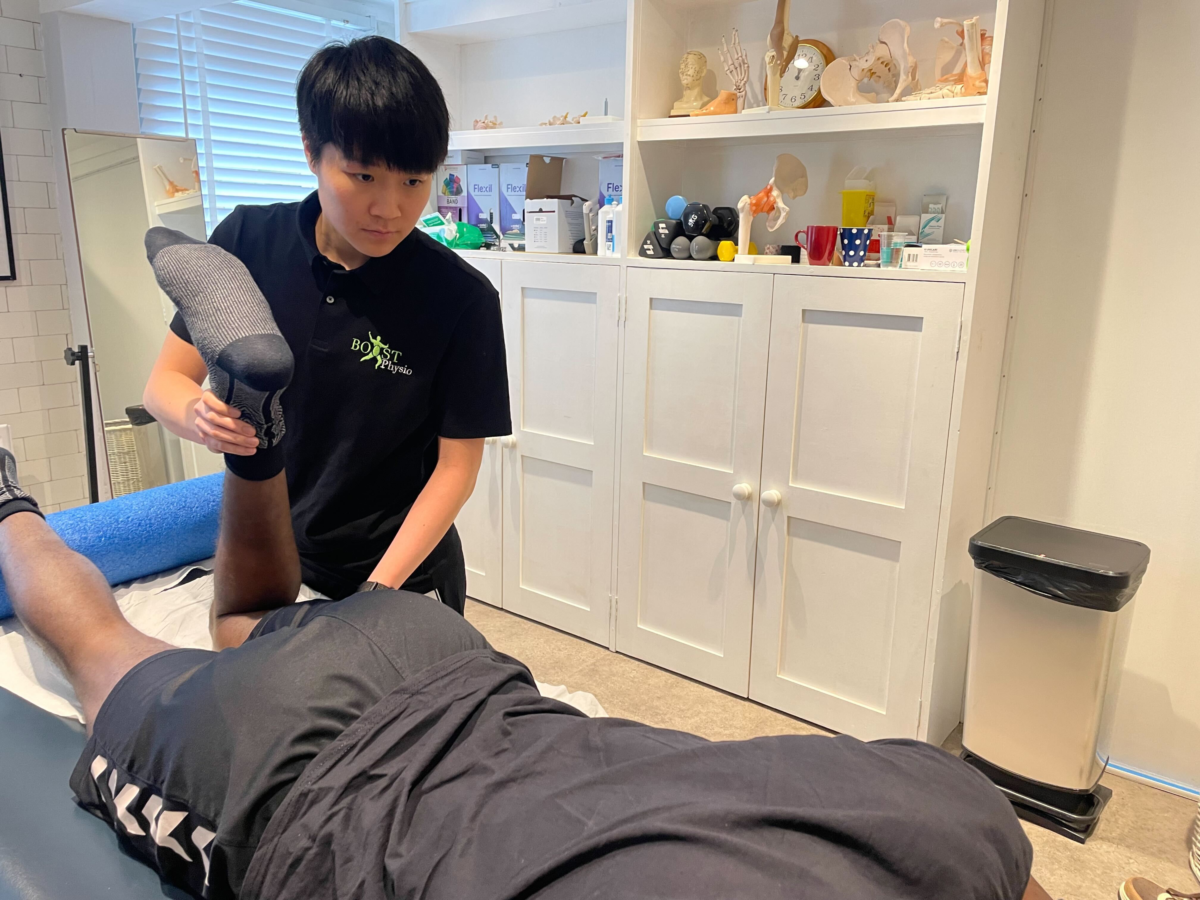
Quick answer: most groin pain in active people comes from the inner thigh (adductor) muscles, the hip flexors, the area around the lower abdominal wall often called a “sportsman’s hernia”, the pubic bone (osteitis pubis) or the hip joint itself. A physiotherapy assessment pinpoints which one is causing your pain. A progressive strengthening programme is the treatment with the strongest research behind it.
Why groin pain needs the right plan
Groin pain has a habit of hanging around. It often starts as a niggle after football, running or a sudden change of direction, eases with rest, then comes straight back the moment you return to sport. Some people live with it for months, unsure whether they’ve pulled a muscle, have a hernia or need a scan.
We see groin pain every week across our clinics in footballers, runners, tennis and squash players, gym-goers and people who’ve simply slipped or overstretched. The good news is that once the cause is clear, most groin pain responds very well to the right physiotherapy.
of all injuries in professional football each season are hip and groin injuries. Inner thigh (adductor) problems are by far the most common cause.
UEFA injury study, British Journal of Sports Medicine
What’s causing your groin pain?
The groin is a crowded area, which is why it’s so easy to get the wrong diagnosis. Our physios use this framework that groups groin pain by the structure it comes from.
Adductor-related
Groin strain, pulled groin, adductor tendinopathy
Pain on the inside of the upper thigh, worse when squeezing your knees together, kicking or changing direction.
Iliopsoas-related
Hip flexor strain
Pain at the front of the hip and groin, worse lifting your knee, sprinting or kicking.
Inguinal-related
Sportsman’s hernia, sports hernia, Gilmore’s groin
Pain in the lower abdomen and groin, often worse with sit-ups, sprinting, coughing or sneezing.
Pubic-related
Osteitis pubis
Tenderness right over the pubic bone at the front of the pelvis, often building up gradually.
Hip-related
Hip impingement (FAI), labral tear, early arthritis
Deep groin ache, clicking or catching, stiffness and pain with deep bending or sitting.
Something else?
Referred pain
Groin pain can also come from your lower back or, occasionally, something non-musculoskeletal. A thorough assessment rules this out.
Sportsman’s hernia: is it really a hernia?
Usually not. Despite the name, a “sportsman’s hernia” is rarely a true hernia with a lump. It describes pain where the abdominal and inner thigh muscles attach near the groin, an area that takes huge load when you twist, sprint and kick. Many experts now call it inguinal-related groin pain.
Most people improve with a structured programme that strengthens the core, hips and adductors before gradually reintroducing sport. If pain persists despite good rehab, we’ll refer you on for a specialist opinion, as surgery can help in some cases.
Osteitis pubis: pain at the front of the pelvis
Osteitis pubis describes pain and irritation where the two halves of the pelvis meet at the front, called the pubic symphysis. It’s usually caused by repeated load from kicking, running and twisting. It tends to build slowly rather than coming on suddenly.
Treatment focuses on easing load at first, then building strength through the adductors, hips and trunk. Pain at the front of the pelvis during or after pregnancy is a different condition, which our Mummy MOT® physios specialise in.
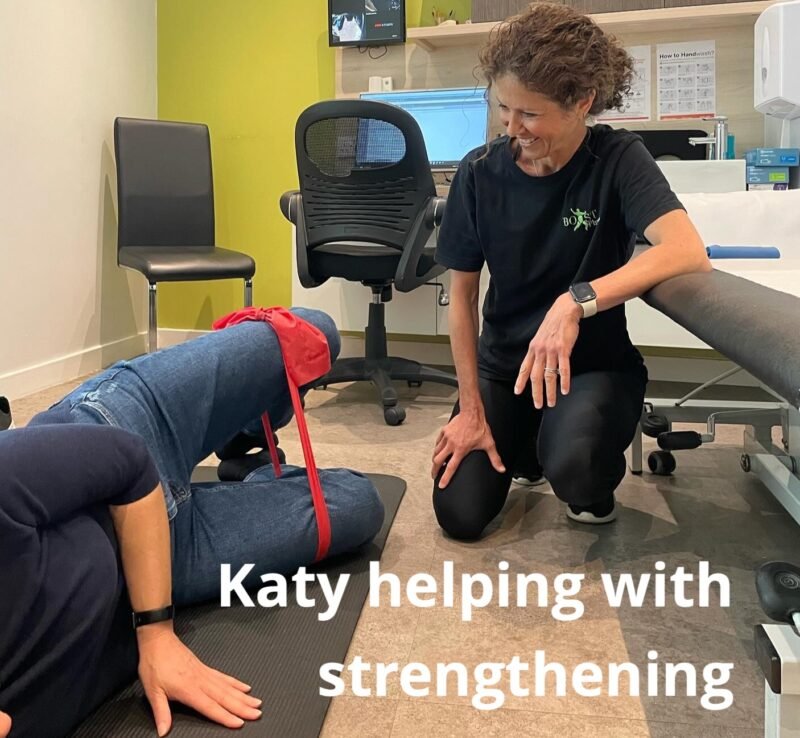
Katy, our Muswell Hill physio, on groin strain rehab and recovery
How physiotherapy treats groin pain
Rest alone rarely fixes groin pain, because the tissues lose strength and capacity while you wait. In a landmark Danish trial of athletes with long-standing adductor-related groin pain, 79% of those who followed an active strengthening programme returned to their sport without groin pain, far more than those treated with passive therapies alone.
Your physio will tailor your plan to the cause of your pain, your sport and your goals. Treatment may include:
- A thorough assessment – strength testing, hip and back checks and a clear diagnosis
- Progressive strengthening – from gentle, pain-easing holds to exercises like the Copenhagen plank
- Hands-on treatment – soft tissue work and joint mobilisations to ease pain and stiffness
- Shockwave therapy – for stubborn, long-standing tendon pain that hasn’t responded to exercise alone
- Acupuncture – alongside your exercises to help calm pain so you can keep active
- Return to sport rehab – running, sprinting, kicking and change of direction, reintroduced step by step
Mild groin strains often settle within a few weeks with the right rehab. Pain that has been around for months usually needs a structured programme over a few months, with clear milestones so you know you’re on track.
Could your hip be the problem?
A deep ache in the groin, especially with clicking, catching or pain when you sit or bend deeply, can come from the hip joint itself. Hip impingement and labral problems are common in active people and are easily mistaken for a groin strain.
Our physios always check the hip as part of your assessment, using hands-on mobilisation and targeted strengthening when the hip is involved. Our guide to hip impingement explains more.
Can groin injuries be prevented?
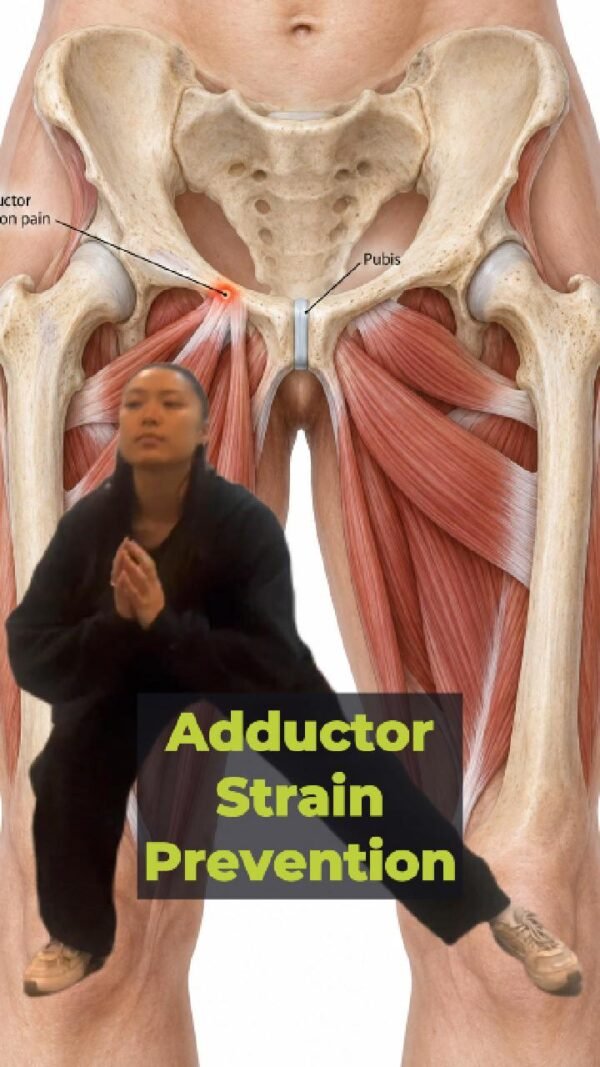
Yes. This is where the Copenhagen plank comes in, a side-lying exercise that targets the inner thigh muscles. It’s now part of training at clubs all over the world.
In a study of 652 Norwegian footballers, teams that did a short Copenhagen programme in pre-season and once a week during the season had a 41% lower risk of groin problems than teams that trained as usual.
Kathleen, a chartered physiotherapist at our Hampstead clinic, shows three exercises our physios recommend to help prevent adductor injuries. The full Copenhagen plank is harder than it looks, so your physio can show you the right level to start at.
Watch: more from our physios
Short, practical videos from the BOOST PHYSIO team on keeping your hips and groin strong.
3 exercises to prevent adductor injuries
How to improve hip joint flexibility
Exercises for pain on the outside of the hip
Returning from a running injury
When to get your groin pain checked
Book an assessment if your pain hasn’t settled within a week or two, keeps returning when you go back to sport, stops you running, kicking or changing direction, or is affecting your sleep or daily life.
See your GP or seek urgent medical advice if you notice a lump in the groin, testicular pain or swelling, fever, unexplained weight loss, pain that is severe at night, or pain after a fall that stops you putting weight through your leg.
Why choose BOOST PHYSIO for groin pain?
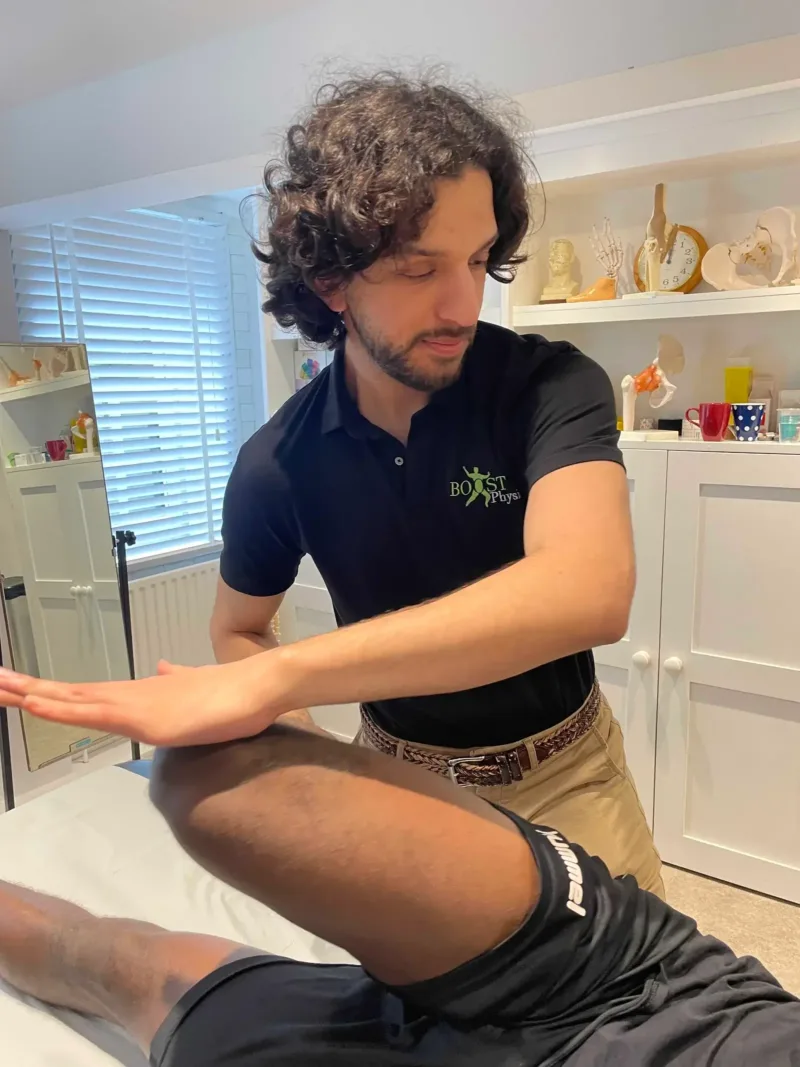
We believe your best recovery comes from having every tool available, not relying on just one. Our physiotherapists combine hands-on treatment with targeted exercise rehabilitation, tailored to you and adjusted as you progress. Every physio trains with the team twice a month and has a dedicated mentor who reviews their cases, so you benefit from the experience of the whole group.
If your recovery needs a scan, an injection or a surgical opinion, we’ll arrange it. We work closely with leading hip and groin consultants and sports physicians across London. Over the years our team has learnt directly from specialists such as Prof Ernest Schilders.
- Same day physiotherapy appointments, 8am to 9pm
- A network of clinics across North London and Hertfordshire
- Male and female clinicians
- Close links with leading hip and groin consultants
- Treatment recognised by Bupa, AXA Health, Vitality and WPA
Ready to get back to sport?
See a chartered physiotherapist today and leave with a clear plan. Your Best Recovery, Guaranteed.
Related reading
 What everyone should know about hip impingement
 Pain on the outside of your hip? Gluteal tendinopathy explained
 Exercises for cyclists’ tight hips and back
 Our sports injury clinic
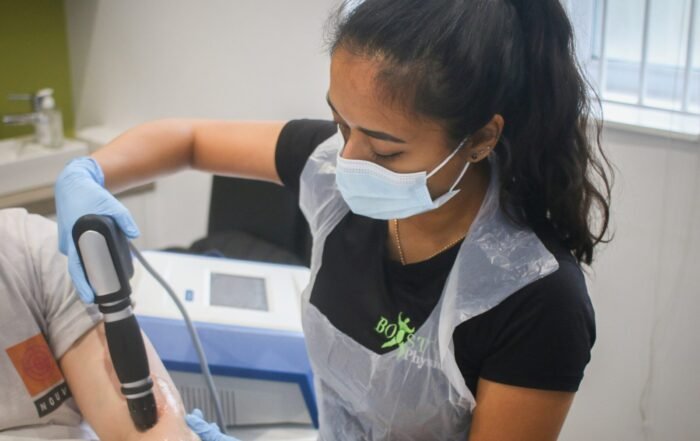 Which conditions can shockwave help treat?
 Why feeling better isn’t the same as being fully recovered
Written with Kathleen Eng, Chartered Physiotherapist at BOOST PHYSIO Hampstead with the BOOST PHYSIO team. This article is general guidance and is not a substitute for an individual physiotherapy assessment.
Frequently asked questions about groin pain
How long does a groin strain take to heal?
Mild groin strains often settle within a few weeks with the right rehab. More significant strains, or groin pain that has been building for months, usually need a structured strengthening programme over a few months. Your physio will give you clear milestones so you know when it’s safe to return to sport.
What is the fastest way to heal a groin strain?
Get it assessed early, keep moving within comfortable limits and start the right strengthening exercises as soon as they’re appropriate. Complete rest weakens the muscles and tendons, which is a common reason groin pain keeps coming back.
Is a sportsman’s hernia a real hernia? Will I need surgery?
Usually it isn’t a true hernia, as there’s normally no lump. It describes pain where the abdominal and inner thigh muscles attach near the groin, now often called inguinal-related groin pain. Most people improve with physiotherapy. If pain persists despite good rehab, we’ll refer you to a specialist to discuss whether surgery could help.
What is osteitis pubis and can physiotherapy help?
Osteitis pubis is pain and irritation at the pubic bone, where the two halves of the pelvis meet at the front. It’s usually caused by repeated load from kicking, running and twisting. Physiotherapy helps by easing load at first, then strengthening the adductors, hips and trunk so you can return to sport gradually.
Do I need a scan for groin pain?
Most groin pain can be diagnosed with a thorough physiotherapy assessment. A scan is useful if your pain isn’t improving as expected, a hip joint problem is suspected or there are signs of something more serious. If you need one, we’ll arrange it through our consultant network.
Should I stop playing football with groin pain?
Not always. Many people can keep training at a modified level while they rehab, as long as pain stays mild and settles by the next day. Your physio will help you adjust training rather than stop completely. They’ll also tell you when sprinting, kicking and full matches are safe again.
Can I use my private health insurance?
Yes. Our treatment is recognised by Bupa, AXA Health, Vitality and WPA. Some insurers ask for a GP referral or authorisation code before your first appointment, so it’s worth checking your policy. You can also self-refer and pay directly, with no referral needed.
Where can I get groin pain physiotherapy near me?
BOOST PHYSIO has a network of clinics across North London and Hertfordshire, with same day appointments from 8am to 9pm. You can book online, call 020 8201 7788 or WhatsApp us and we’ll find the most convenient clinic for you.
References
- Weir A, Brukner P, Delahunt E et al. Doha agreement meeting on terminology and definitions in groin pain in athletes. British Journal of Sports Medicine 2015;49:768-774.
- Werner J, Hägglund M, Waldén M, Ekstrand J. UEFA injury study: a prospective study of hip and groin injuries in professional football over seven consecutive seasons. British Journal of Sports Medicine 2009;43:1036-1040.
- Hölmich P, Uhrskou P, Ulnits L et al. Effectiveness of active physical training as treatment for long-standing adductor-related groin pain in athletes: randomised trial. The Lancet 1999;353:439-443.
- Harøy J, Clarsen B, Wiger EG et al. The Adductor Strengthening Programme prevents groin problems among male football players: a cluster-randomised controlled trial. British Journal of Sports Medicine 2019;53:150-157.
