

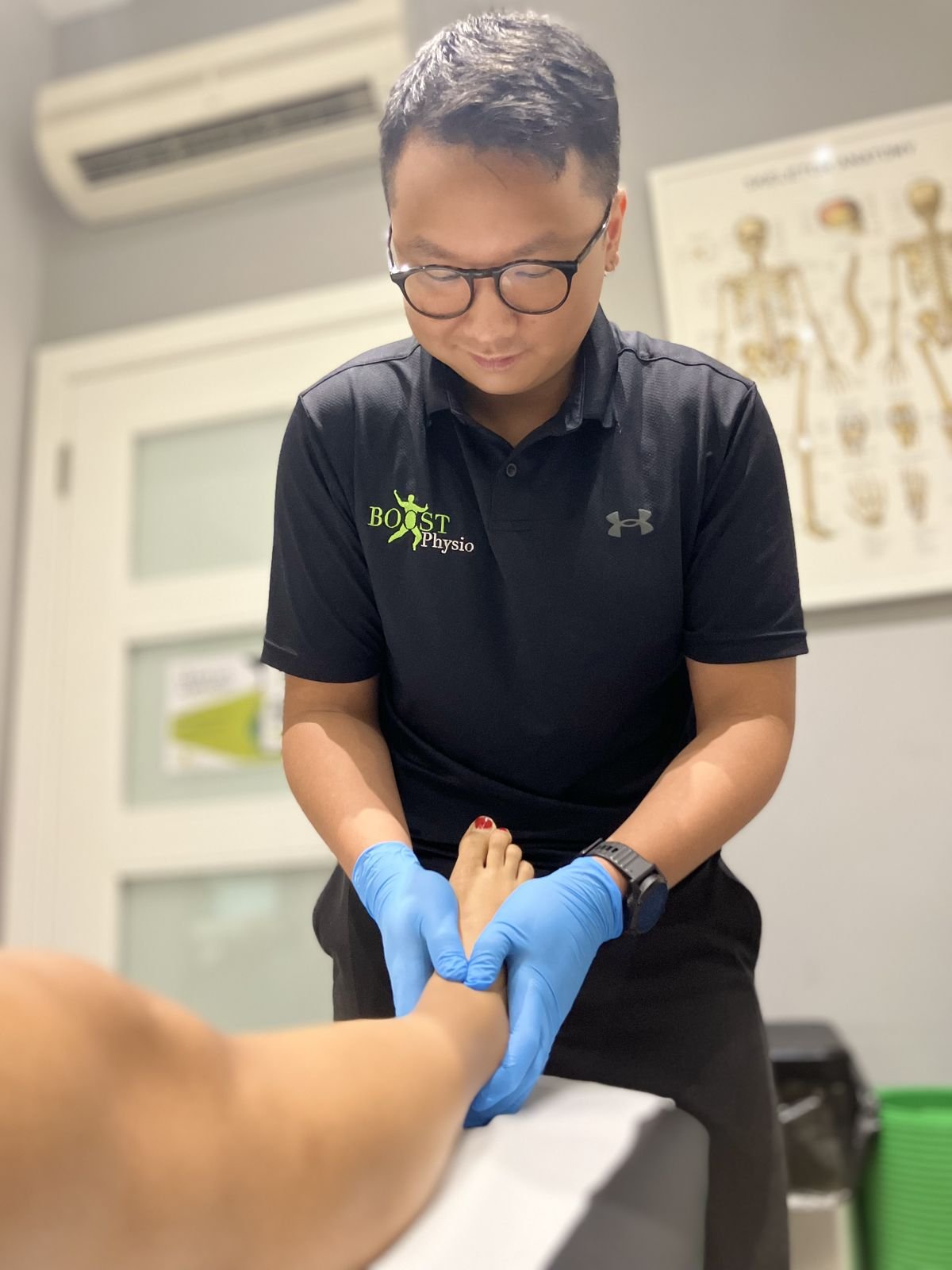
Heel pain physio
Take your first steps in the morning without heel pain
That stabbing pain under your heel when you get out of bed is plantar fasciitis more often than not. It’s stubborn, but with the right plan it gets better.
★★★★★ Over 1,000 five-star Google reviews · 38,000+ people helped
Quick answer: plantar fasciitis (also called plantar heel pain) is the most common cause of heel pain in adults. It causes sharp pain under the heel, worst with the first steps in the morning or after sitting. Around 80% of people improve within a year with simple treatment, but you can usually speed that up a lot with strength-based rehab, footwear advice, taping and, for stubborn cases, shockwave therapy.
In this guide · 5 min read
01 · We understand
Heel pain wears you down
You swing your legs out of bed, put your foot down and there it is. A sharp, bruised pain under your heel that makes you hobble to the kettle. It eases a bit as you get going, then comes back after you’ve been sitting or on your feet all day.
It’s one of the most frustrating problems we see, because it affects every single step. Runners, walkers, teachers, nurses, people who’ve recently gained weight or changed their shoes. And lots of people for no obvious reason at all.
The good news is that plantar heel pain responds well to the right treatment. Most people don’t need injections or surgery.
02 · Is it plantar fasciitis?
The tell-tale signs
- Sharp or bruised pain under the heel, often towards the inside
- Worst with your first steps in the morning or after sitting
- Eases a little once you get moving, then aches later in the day
- Tender when you press on the bottom of your heel
- Often started after a change in activity, footwear or weight
Other things can cause heel pain too, such as Achilles problems, a stress fracture, nerve irritation or fat pad pain. That’s why a proper assessment matters before you start treatment.
In a Danish trial, people with plantar fasciitis who did a simple high-load heel raise exercise had better results at three months than those who only stretched. Strength, not just stretching, is the key.
Rathleff et al, Scandinavian Journal of Medicine and Science in Sports 2015
03 · How we help
How our physios treat plantar fasciitis
- A clear diagnosis, ruling out other causes of heel pain
- Load management – adjusting walking, running and standing so the heel can settle without you stopping everything
- Strength training for the calf and foot, progressing to heel raises and hopping as you improve
- Hands-on treatment for the calf, ankle and foot to ease pain and stiffness
- Taping and footwear advice to offload the heel, plus guidance on insoles if they’d help
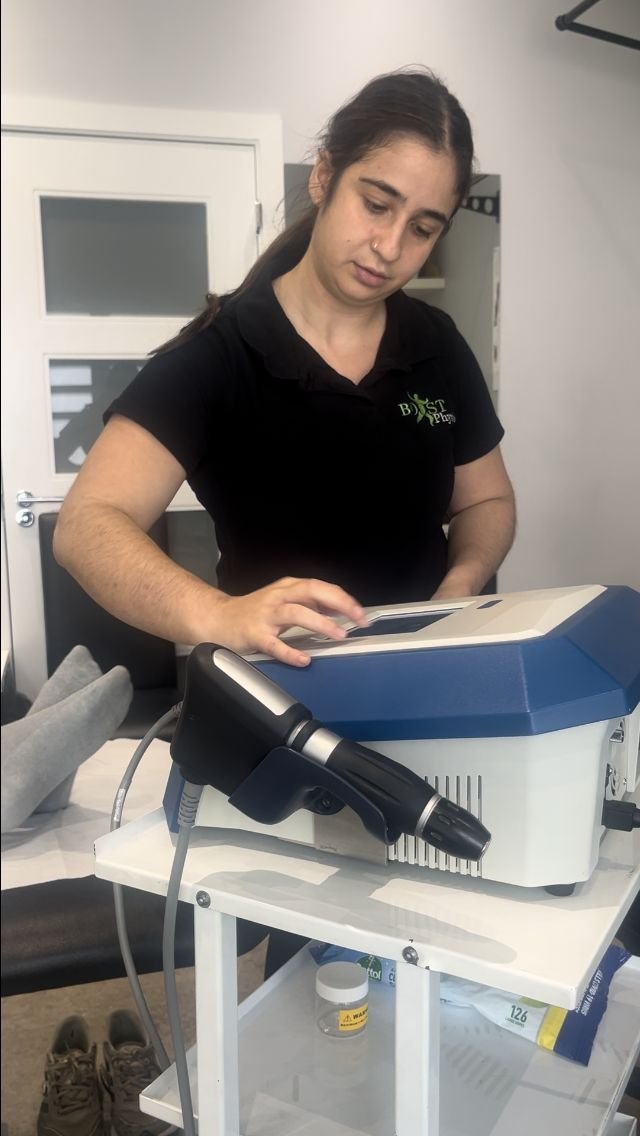
- Shockwave therapy for heel pain that’s lasted more than a few months, at Hendon, Hampstead, Swiss Cottage and Borehamwood
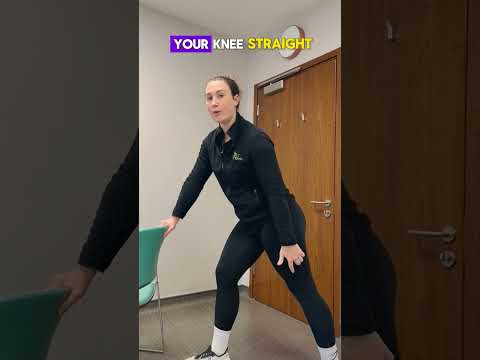
Ease that first-step morning heel pain

4 things you can do at home for plantar fasciitis

Simple taping to offload a painful heel
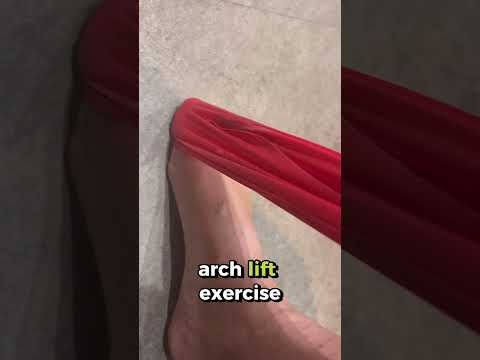
Sarah, our Hendon physio, on why your foot arches matter

Michael Bolger
Clinical Specialist Physiotherapist, Borehamwood WD6
Michael brings over 15 years of experience in elite sport and private practice, most recently as Head of Medical at Northampton Town Football Club. He’s used to getting people back on their feet under pressure and our Borehamwood clinic offers shockwave therapy for stubborn heel pain.
Heel pain is all about getting the load right. Too much and it flares, too little and it never gets stronger. Find that sweet spot, build the calf and foot up week by week and it does settle.
Michael Bolger
04 · Stubborn heel pain
Is shockwave therapy right for me?
If your heel pain has lasted more than three to six months despite good rehab, shockwave therapy is a sensible next step. It delivers sound waves into the painful tissue to stimulate healing and reduce pain.
NICE says it’s safe, though research results vary. That’s why we use it alongside your strength programme, not instead of it. Courses are usually 3 to 6 sessions, a week apart. Read more about shockwave therapy at BOOST PHYSIO.
05 · Helping yourself
Five things that help heel pain
- Wear supportive, cushioned shoes and avoid walking barefoot on hard floors for now.
- Do your calf and foot strength work every other day, as your physio prescribes.
- Ease into your mornings with a few ankle circles and gentle calf stretches before you stand.
- Reduce, don’t stop. Cut back long walks or runs rather than giving up all activity.
- Be patient. Tendon and fascia tissue adapts over weeks, not days.
★★★★★
“Tyrone is great, he worked very closely with me to improve the strength in my ankle. Genuinely feels like a miracle I can walk with little to no pain on my left foot.”
M Jassim, Mill Hill, Google review
★★★★★
“Tyrone at Boost Physio has been amazing with my daughter. He is incredibly patient, knowledgeable and really took the time to understand what she needed.”
Esther D, Hampstead Garden Suburb, Google review
When heel pain needs a doctor
See a doctor promptly if your heel pain followed an injury and you can’t bear weight, if the heel is hot, red and swollen, if you have numbness or burning in the foot, or if you have diabetes and notice any change in the skin or sensation of your feet.
Why BOOST PHYSIO
Every tool for your best recovery
We believe your best recovery comes from having every tool available, not relying on just one. So you’ll get hands-on treatment to ease pain and get you moving, exercise rehab that’s built around your life and a clear plan that changes as you improve.
Here’s something our patients don’t always realise. Behind every BOOST physio is the whole team. We train together twice a month and every physio has a dedicated mentor who reviews cases with them. If your problem is unusual or stubborn, it gets talked through by people who have seen it many times before.
- Same day appointments, 8am to 9pm, seven days a week at most clinics
- No GP referral needed
- On average our patients reach their goals in around 5 sessions
- Close links with leading orthopaedic surgeons and sports doctors if you need a scan or an opinion
- Recognised by Bupa, AXA Health, Vitality, Aviva and WPA, or simply self-pay
06 · Near you
Heel pain physio near you
See a BOOST PHYSIO physio for heel pain at any of our clinics. For shockwave therapy, book at one of these clinics:
All our clinics:
Ready for pain-free mornings?
Book today and get a plan that works for your heel. Your Best Recovery, Guaranteed.
Related reading
Keep reading
Your questions
Your questions answered
Can a physio help plantar fasciitis?
Yes. Physiotherapy is one of the most effective treatments for plantar fasciitis. A physio will confirm the diagnosis, adjust your activity, prescribe calf and foot strengthening, offload the heel with taping or footwear advice and add shockwave therapy for stubborn cases.
How long does plantar fasciitis take to heal?
Around 80% of people improve within a year with simple treatment. With a good strength-based programme many people feel a clear difference within 6 to 12 weeks.
Why is my heel pain worse in the morning?
Overnight the tissue under your foot tightens. Those first steps stretch and load it suddenly, which is why it hurts most then. Gentle ankle movements before you get up can help.
Should I stop running with plantar fasciitis?
Not necessarily. Many runners can keep running at a reduced level while they rehab. We’ll help you adjust your training so you stay fit while it settles.
Do insoles help plantar fasciitis?
They can help some people in the short term, especially with heel cushioning or arch support. They work best alongside strengthening rather than on their own.
Does shockwave therapy work for plantar fasciitis?
It can help people whose heel pain hasn’t improved after several months of good rehab. NICE considers it safe, but evidence for how well it works varies, so we use it as an add-on to your exercise programme.
Should I have a steroid injection?
An injection may give short-term relief for some people, but it isn’t a long-term fix and has some risks. We’ll discuss the options with you and refer you to a consultant if it’s appropriate.
What is the difference between plantar fasciitis and heel spurs?
Heel spurs are bony growths that show on X-ray. Lots of people have them without any pain. Plantar fasciitis is irritation of the tissue under the foot. Treating the plantar fascia is what makes the difference.
Which clinics offer shockwave therapy?
Shockwave therapy is available at our Hendon, Hampstead, Swiss Cottage and Borehamwood clinics.
Do I need a GP referral?
No. You can book directly online or by phone.
Do you accept health insurance?
Yes. Our physios are recognised by Bupa, AXA Health, Vitality, Aviva and WPA. Self-pay packages are available too.
Where can I see a physio for heel pain near me?
We have clinics across North London and Hertfordshire, including Hendon, Hampstead, Swiss Cottage, West Hampstead, Kentish Town, Muswell Hill, Crouch End, Mill Hill, Kensington, Borehamwood and Elstree.
Written by Steven Berkman, Chartered Physiotherapist and founder of BOOST PHYSIO, with the BOOST PHYSIO clinical team. Reviewed October 2026. This guide is general information and not a substitute for an individual assessment by a physiotherapist or doctor.
References
- Buchbinder R. Plantar fasciitis. New England Journal of Medicine 2004;350:2159-2166.
- Rathleff MS, Molgaard CM, Fredberg U et al. High-load strength training improves outcome in patients with plantar fasciitis: a randomized controlled trial with 12 months follow-up. Scandinavian Journal of Medicine and Science in Sports 2015;25:e292-e300.
- National Institute for Health and Care Excellence. Extracorporeal shockwave therapy for refractory plantar fasciitis (IPG311). 2009.
