What can be mistaken for frozen shoulder?
A painful, stiff shoulder is often labelled “frozen”. Sometimes it is, but several other conditions look very similar and need quite different treatment.
★★★★★ 4.9 from 1,400+ Google reviews across our 13 clinics
Quick answer: Rotator cuff tendinopathy or tears, calcific tendinopathy, shoulder arthritis and pain referred from the neck are the conditions most often mistaken for frozen shoulder. True frozen shoulder affects about 2 to 5% of people, is more common with diabetes and causes stiffness in every direction, including when someone else moves your arm for you. That passive stiffness is the key test.
What is a true frozen shoulder?
Frozen shoulder (adhesive capsulitis) happens when the capsule around the shoulder joint becomes inflamed, then thickens and tightens. It usually affects people aged 40 to 60, is more common in women and in people with diabetes and typically runs through phases over 1 to 3 years.
| Freezing phase | Pain builds, often worse at night, movement starts to reduce |
|---|---|
| Frozen phase | Pain eases a little but the shoulder is very stiff |
| Thawing phase | Movement gradually returns over months |
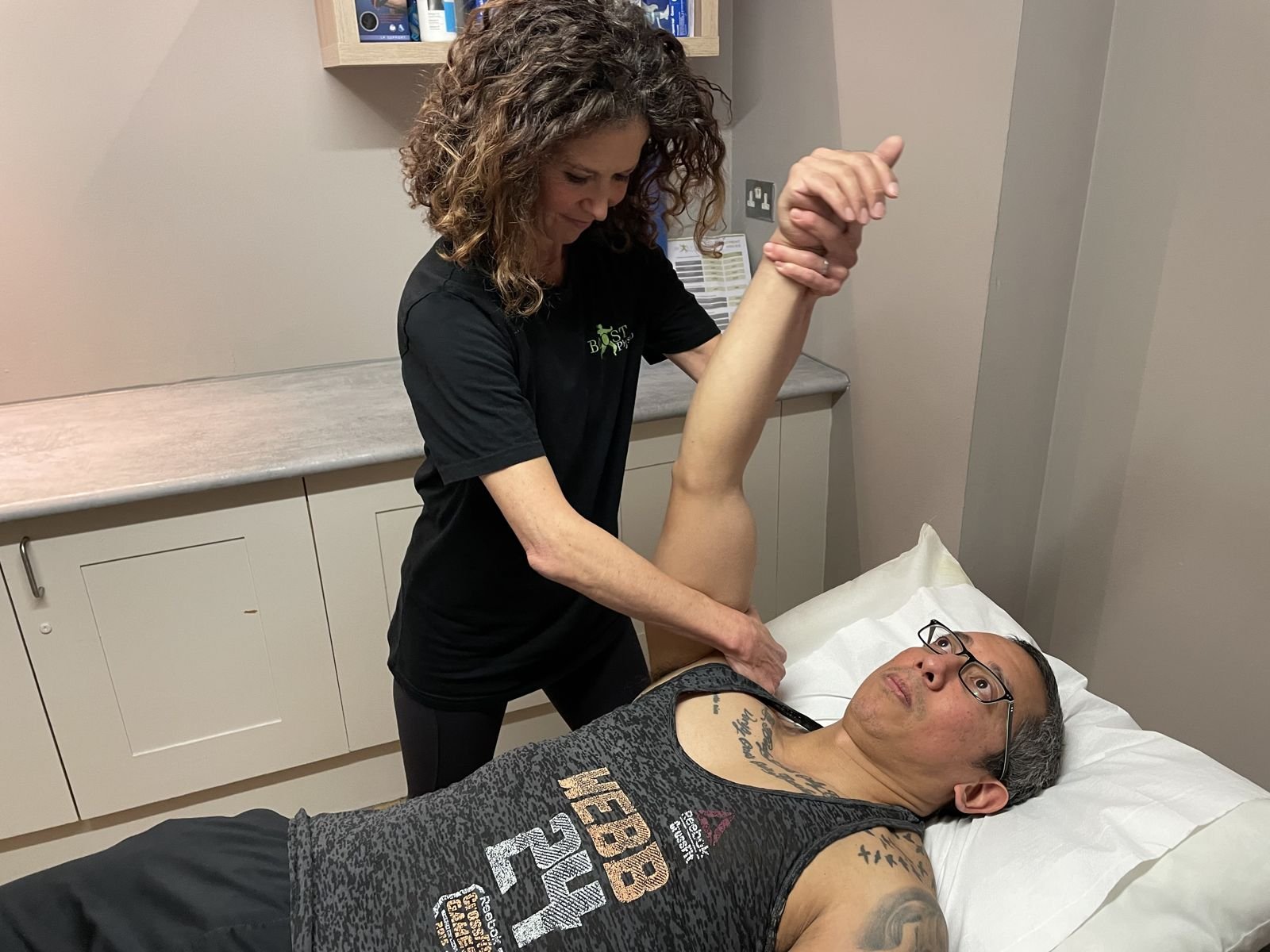
The giveaway is that the shoulder is stiff in all directions, especially turning the arm outwards, even when a physio moves it for you while you relax. Our frozen shoulder guide covers treatment in more detail.
Which conditions look like frozen shoulder?
Rotator cuff problems
Pain lifting the arm, often a painful arc between shoulder and head height. A physio can usually move your arm further than you can yourself.
Calcific tendinopathy
A calcium deposit in a tendon can cause intense pain and limited movement. It shows on an X-ray or ultrasound.
Shoulder arthritis
Usually in older adults. Stiffness and crunching with a gradual onset. An X-ray confirms it.
Neck-referred pain
Pain from the neck can spread over the shoulder blade and down the arm, sometimes with pins and needles.
Our article on frozen shoulder or rotator cuff compares the two most common causes side by side.
Not sure it’s frozen shoulder?
WhatsApp us your question, call 020 8201 7788 or book online at any of our 13 clinics across North London and Hertfordshire, often the same day.
How do these conditions compare?
The single most useful clue is what happens when someone else moves your arm for you. In a true frozen shoulder, the joint capsule itself is tight, so the shoulder is stiff whether you lift your arm or your physio moves it, especially turning the arm outwards. In most of the lookalikes, your physio can still move the arm much further than you can.
| Condition | Key clue | When your physio moves your arm |
|---|---|---|
| Frozen shoulder | Gradual pain then marked stiffness, often worse at night | Stiff in all directions, especially turning outwards |
| Rotator cuff tendinopathy | Pain lifting the arm through the middle of the range (painful arc) | Moves much further, pain at certain points |
| Rotator cuff tear | Weakness lifting or turning the arm, sometimes after a fall | Moves well, but you can’t hold the position |
| Calcific tendinopathy | Sudden, severe pain, sometimes after no injury | Painful and calcium shows on ultrasound or X-ray |
| Shoulder arthritis | Grinding and stiffness, usually over 60 | Stiff and joint changes show on X-ray |
| Pain from the neck | Pain that shifts with neck movement, sometimes pins and needles | Shoulder moves freely |
How do physios tell the difference?
A good assessment answers three questions: is the shoulder stiff or just painful, where is the pain coming from and is anything serious going on?
- Active versus passive movement: if your physio can move your arm much further than you can, frozen shoulder is less likely
- Turning the arm out: loss of outward rotation is the hallmark of a frozen shoulder
- Rotator cuff tests: tests such as the painful arc and Hawkins-Kennedy point towards the tendons
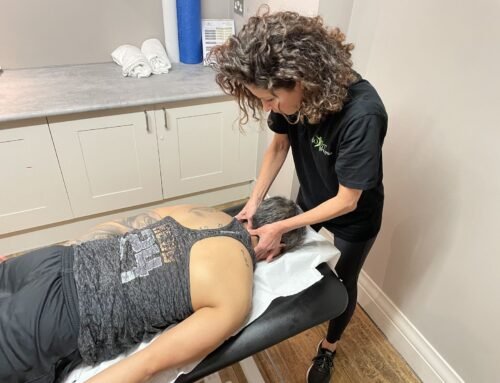
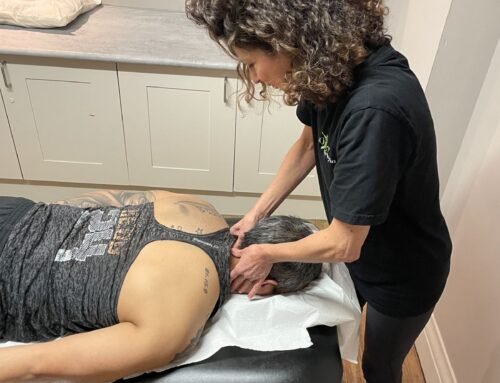
- Neck screen: checking neck movement and nerve signs rules referred pain in or out
2-5%
of people develop frozen shoulder
NHS
1-3 years
typical course of frozen shoulder
NHS
X-ray
shows calcific deposits and arthritis, not frozen shoulder
Clinical practice
Why does getting the diagnosis right matter?
Treatment is different for each. A rotator cuff problem usually improves with a progressive strengthening programme, while a frozen shoulder needs gentle movement within pain limits and sometimes an injection in the painful phase. Pushing hard into a frozen shoulder early on can flare it, while resting a rotator cuff problem tends to make it weaker.
The right label leads to the right plan and the right plan saves you months.
Our shoulder pain page explains how we treat each cause.
How we get to the right answer at BOOST PHYSIO
We regularly see people who have been told they have a frozen shoulder, sometimes for months, when the real problem is the rotator cuff or their neck. We also see the opposite: a true frozen shoulder that has been treated as a simple strain. Because the treatments are so different, the first job is always to get the diagnosis right.
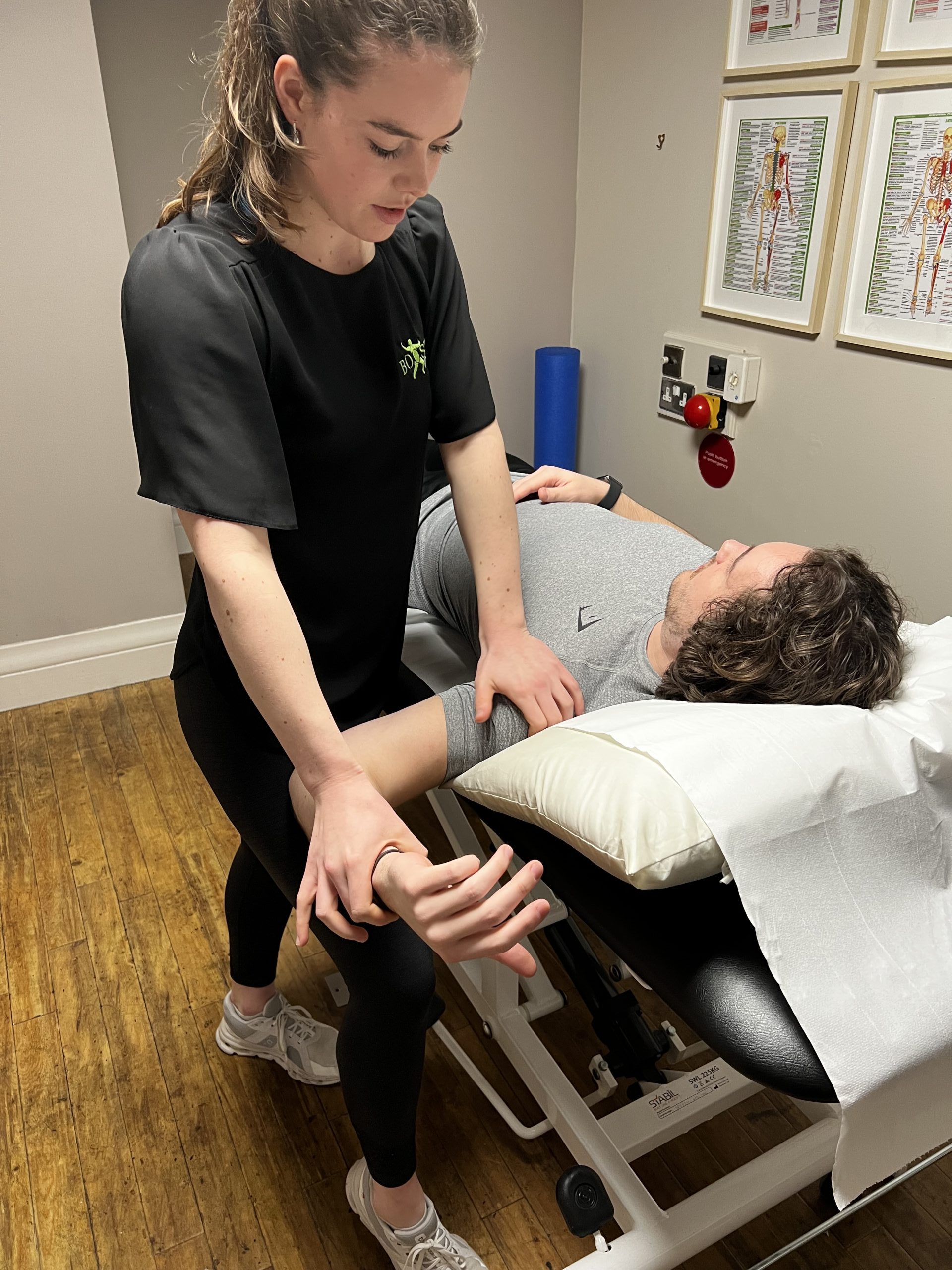
Your first appointment includes a careful history (how it started, night pain, diabetes or thyroid problems, which are linked to frozen shoulder), a neck screen and a comparison of how far you can move your arm with how far we can move it. We test the strength of the rotator cuff in different positions and use tests such as the painful arc and Hawkins-Kennedy test. If the picture doesn’t fit, we’ll tell you and help you get a scan or a specialist opinion.
- Frozen shoulder: pain relief first, then gentle stretching within comfort as the stiffness phase allows, with realistic timelines
- Rotator cuff problems: progressive strengthening, which usually brings steady improvement over 6 to 12 weeks
- Neck-related pain: treatment aimed at the neck, which often settles the shoulder too
- Hands-on treatment alongside exercise to ease pain and help you move
When should I get my shoulder checked?
When to get urgent help
- Shoulder or arm pain with chest pain, breathlessness or sweating: call 999
- A shoulder that suddenly can’t move after a fall
- A hot, red, swollen shoulder with fever
Otherwise, book an assessment if your shoulder has been painful or stiff for more than 2 weeks or is waking you at night. You can be seen at any of our 13 clinics, often the same day, with no GP referral needed. If you have a scan or X-ray report, bring it along.
What our patients say
★★★★★
“I was referred to Rebecca by a doctor who is a consultant specialist in arms/shoulders following fractures in both my arms (bilateral proximal humeral fractures).”
★★★★★
“I initially came to see her with a painful shoulder, which was making it hard to walk, sit and sleep comfortably.”
★★★★★
“I received excellent advice and treatment for shoulder pain from Madeleine this past winter.”
Watch: shoulder videos from our physios
Short videos explaining frozen shoulder and shoulder rehab.

Physiotherapy exercises for Frozen Shoulder

Frozen Shoulder Explained: What is it? How does frozen shoulder happen?
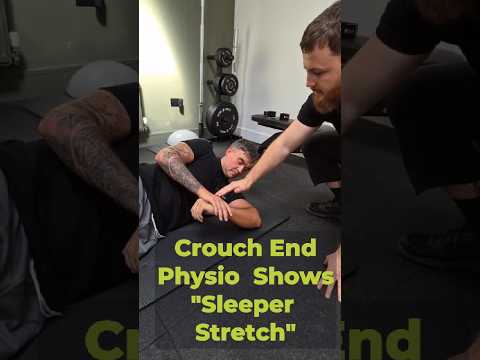
Crouch End Physio Demonstrates Sleeper Stretch for shoulder internal rotation stiffness
Got a question about your own pain or injury? Send it to our physios.
Get help at your nearest BOOST PHYSIO clinic
We help people with this at all 13 of our clinics across North London and Hertfordshire. Choose your nearest clinic to see the team, opening times and how to find us, or book straight in.
Get your shoulder properly assessed
WhatsApp us your question, call 020 8201 7788 or book online at any of our 13 clinics across North London and Hertfordshire, often the same day.
Related reading

Your questions answered
How do I know if I have frozen shoulder or a rotator cuff problem?
With frozen shoulder the arm is stiff even when someone else moves it for you, especially turning outwards. With a rotator cuff problem the shoulder hurts to lift but can usually be moved further passively. A physio can test this in one appointment.
Can neck problems cause shoulder pain?
Yes. Pain from the neck often spreads over the shoulder blade and top of the shoulder and sometimes down the arm with pins and needles. Checking the neck is part of every shoulder assessment.
Will an X-ray show frozen shoulder?
No. An X-ray is usually normal in frozen shoulder. It is useful to rule out arthritis or calcific deposits, which look similar.
Is frozen shoulder more common with diabetes?
Yes. People with diabetes are more likely to develop frozen shoulder and it can last longer, so mention it at your assessment.
Can I see a physio without a GP referral?
Yes. You can book directly with BOOST PHYSIO and our physios are recognised by Bupa, AXA Health, Vitality, WPA and Aviva.

Written and clinically reviewed by Steven Berkman, BSc Physiotherapy (University of Cape Town), HCPC-registered chartered physiotherapist, MCSP, founder of BOOST PHYSIO in 2008, with Finlay McDonald and Martin Sarembock at BOOST PHYSIO Crouch End. Last reviewed 12 November 2026.
References
- NHS. Frozen shoulder. nhs.uk.
- National Institute for Health and Care Excellence. Clinical Knowledge Summaries: Shoulder pain. cks.nice.org.uk.
- Hawkins RJ, Kennedy JC. Impingement syndrome in athletes. Am J Sports Med. 1980;8(3):151-158.