
Quick answer: your first physiotherapy appointment is mostly listening and assessment, understanding your injury, your goals and how your body is actually moving, before any treatment plan is built. Knowing what to expect makes it far less daunting, and helps you get more out of the session.
Why this matters
Putting off that first appointment because you’re not sure what’s involved is one of the most common reasons pain or injury drags on longer than it needs to. Understanding what actually happens, a conversation, an assessment, a plan built around you, removes the uncertainty that keeps people waiting. Booking sooner rather than later, with a clear idea of what to expect, is often the single biggest factor in how quickly you get back to normal.
Getting to know your physio matters
Whether you’re recovering from an injury, managing ongoing pain or want to feel stronger, treatment that’s genuinely tailored to you starts with getting to know your physiotherapist, and them getting to know you. That relationship, more than any single exercise, is often what makes a treatment plan actually work.
Meet Cynthia, physiotherapist in East Finchley N2
Cynthia brings care, expertise and a genuine passion for helping people move better into every session at our East Finchley clinic. She guides patients through recovery step by step, with treatment tailored specifically to their injury, their pain and their goals, not a generic protocol applied to everyone. If you’re recovering from surgery rather than an everyday injury, our guide to physiotherapy after knee or shoulder surgery covers what a first assessment looks like in that context.
What actually happens in a first appointment
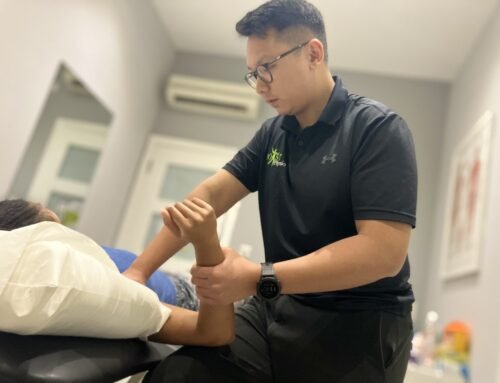
Expect a detailed conversation about your symptoms and history, a physical assessment of movement and strength, a clear explanation of what’s likely going on, and a personalised plan you understand and agree with, not just a sheet of exercises handed over at the end. You can read what our patients say about this approach on our reviews page.
“Treatment that’s genuinely tailored to you starts with getting to know your physiotherapist, and them getting to know you.” — Cynthia, Physiotherapist, BOOST PHYSIO East Finchley
Our approach: every tool for your best recovery
At BOOST PHYSIO, we believe your best recovery comes from having every tool available, not relying on just one. That’s why our physiotherapists combine hands-on manual therapy with targeted exercise rehabilitation, tailored specifically to you and adjusted as you progress. We’ve seen first-hand, time and again, that patients get the best and most lasting results when both are used together. It’s the thinking behind our promise: Your Best Recovery, Guaranteed.
At BOOST PHYSIO East Finchley, we offer:
- ✓ Same day physiotherapy appointments, 8am to 9pm
- ✓ Male and female clinicians
- ✓ Treatment recognised by BUPA, AXA and WPA
Book your first appointment online now, call 020 8201 7788 or WhatsApp us.
Frequently asked questions about your first physiotherapy appointment
Written with Cynthia, physiotherapist at BOOST PHYSIO East Finchley N2, and the BOOST PHYSIO team. This article is general guidance and is not a substitute for an individual physiotherapy assessment.