
Kentish Town NW5 · Back pain
Desk-bound back pain? Here’s what actually helps
For anyone working from home or commuting from Kentish Town, Tufnell Park and Dartmouth Park. Simple, evidence-based steps and when to see a physio.
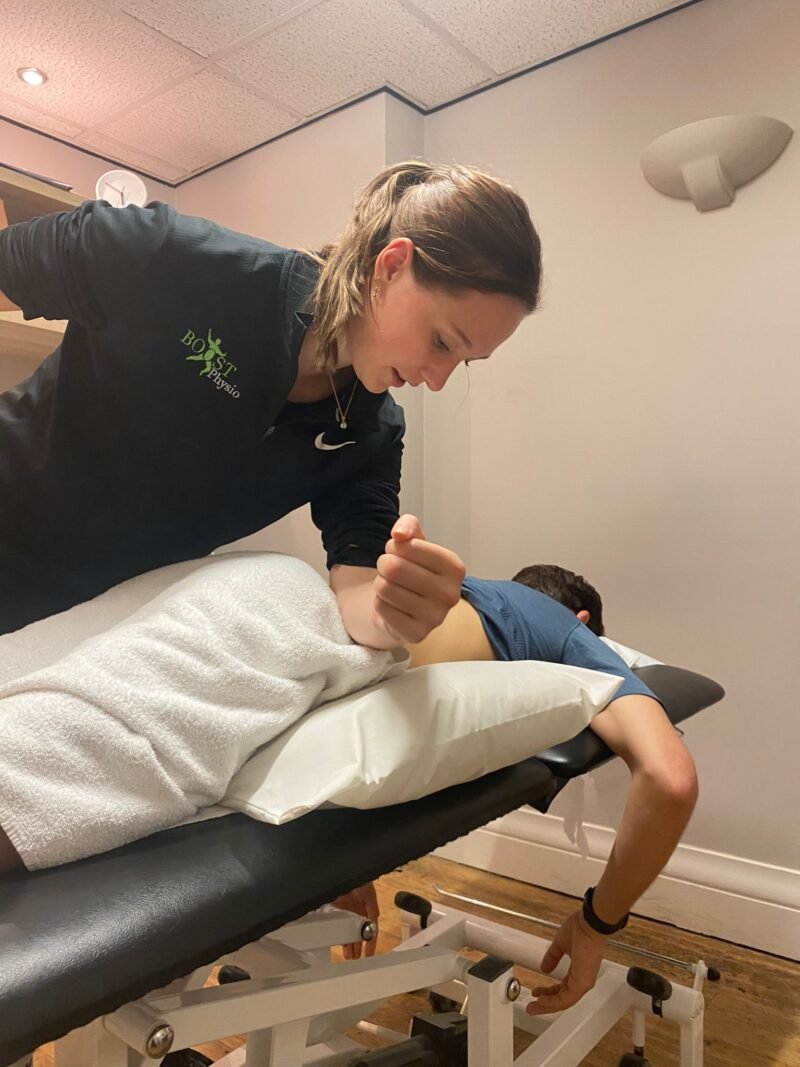
Quick answer: most desk-related back pain isn’t caused by damage and doesn’t need a scan. It’s usually a back that’s been asked to sit still for too long and isn’t strong or mobile enough for the day you’re giving it. Moving more often, building strength and staying active, whether that’s walking on the Heath, yoga or the gym, help most. If pain spreads down your leg, gets worse or doesn’t settle after a few weeks, get it assessed.
Why we see so much back pain in NW5
Many of our Kentish Town, Tufnell Park and Dartmouth Park patients work from home for part of the week, often at a kitchen table or in a spare room that was never meant to be an office. Add a Northern line commute on the other days and it’s a lot of sitting.
Patients often tell us their back is fine at the weekend and starts aching again by Tuesday afternoon. That pattern usually points to a back that’s sensitive to long spells in one position, not something structurally wrong.
3 physio approved desk exercises for a stiff neck and achy back
Three myths we correct every week
“I need a scan”
Myth 1
For most back pain, scans don’t change treatment and often show normal age-related changes. NICE advises against routine imaging in non-specialist settings.
“I must find the perfect posture”
Myth 2
There isn’t one correct way to sit. The best posture is the one you change regularly. Your back likes variety.
“I should rest until it stops”
Myth 3
Staying active is one of the most helpful things you can do. Bed rest tends to make back pain last longer.
What actually helps
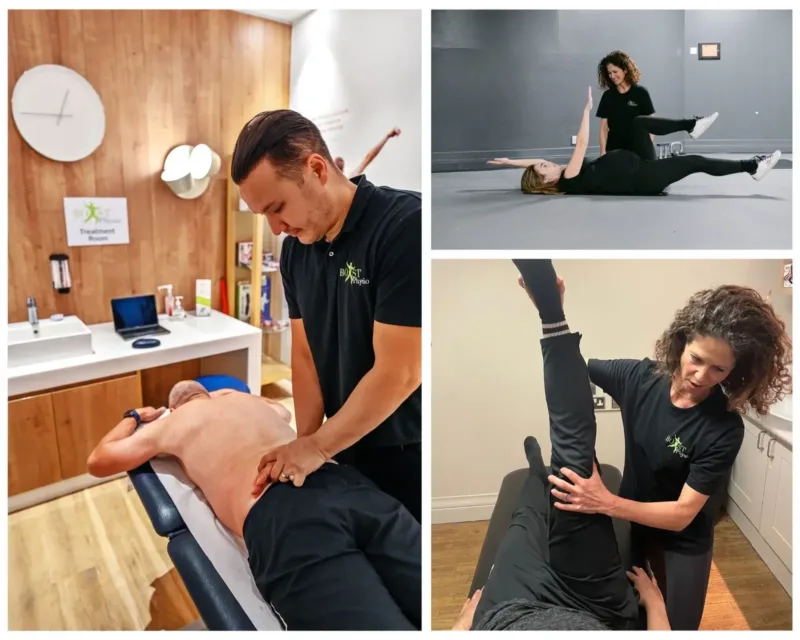
NICE guidance on low back pain puts exercise at the heart of treatment, with hands-on therapy used as part of a package alongside exercise. That matches what we see: the patients who do best combine short-term relief with a plan that makes their back stronger.
- Break up your sitting: stand, walk to the kettle or stretch every 30 to 45 minutes.
- Get outside: a brisk lunchtime walk across Parliament Hill or around Dartmouth Park is great medicine for a stiff back.
- Build strength: simple hip, trunk and leg exercises make your back less sensitive over time. Try our morning low back stretch routine.
- Choose movement you enjoy: yoga, Pilates, swimming or the gym all help. The best exercise is the one you’ll keep doing.
- Set up your desk: screen roughly at eye level, feet supported and a chair you can lean back in.
What about yoga?
It’s one of the questions our Kentish Town patients ask us most. Yoga can be a really good choice for back pain because it combines movement, strength and relaxation. The key is starting at the right level.
If your back is flared up, some deep forward bends and twists may aggravate it, so tell your teacher and ease in. Our article on yoga for back pain goes into more detail. A physio can also tell you which positions suit you right now.
Our physios love seeing patients go from “I’m scared to bend” to back at their yoga class or the gym. That confidence is a big part of recovery.
A morning spine mobility routine for stiffness
Back aching by Tuesday?
See Zoe at Kentish Town for a clear diagnosis and a plan that fits your working week.
When back pain needs an assessment
Book an assessment if pain is spreading down your leg, you have pins and needles or numbness, it’s getting worse or it hasn’t settled after a few weeks of staying active. Our slipped disc and sciatica page explains leg pain in more detail.
Seek urgent medical help straight away if you have back pain with numbness around your bottom or genitals, new difficulty passing urine or controlling your bladder or bowels, or weakness in your legs. These are rare but need same day attention.
At a glance
| Most desk back pain | Not caused by damage and doesn’t need a scan. |
|---|---|
| Best posture | Your next one. Change position regularly. |
| Most helpful | Staying active, strength work and exercise you enjoy. |
| Hands-on treatment | Useful for short-term relief as part of a plan that includes exercise. |
| Get it checked if | Pain spreads down the leg, worsens or hasn’t settled after a few weeks. |
Watch: back pain advice from our physios
Short videos from the BOOST PHYSIO team. If an exercise makes your pain worse, stop and ask your physio for the right version for you.
3 physio recommended moves to help sciatica
The side plank, an overlooked exercise for back pain
One move to relieve upper back tension
Your Kentish Town physio
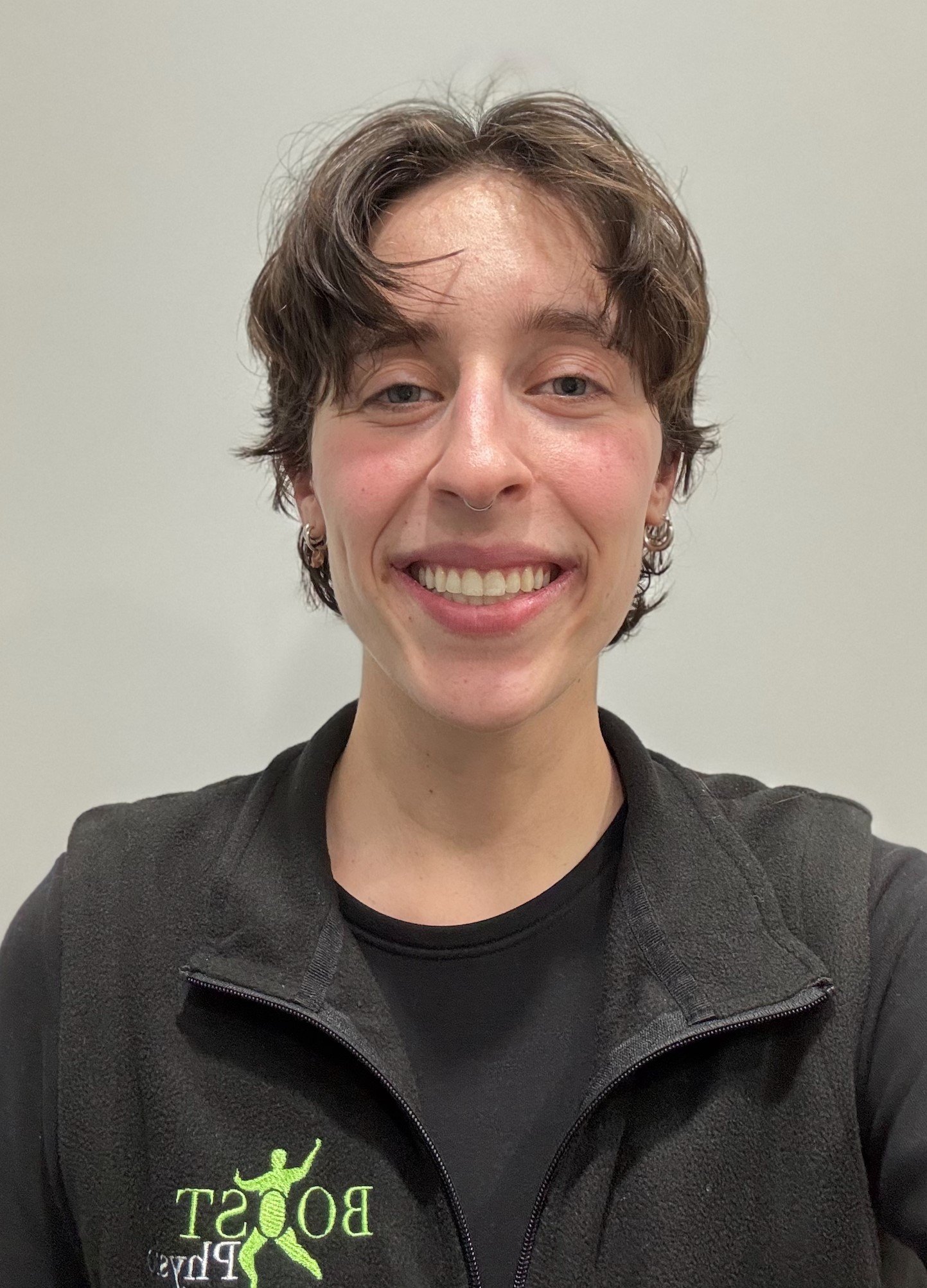
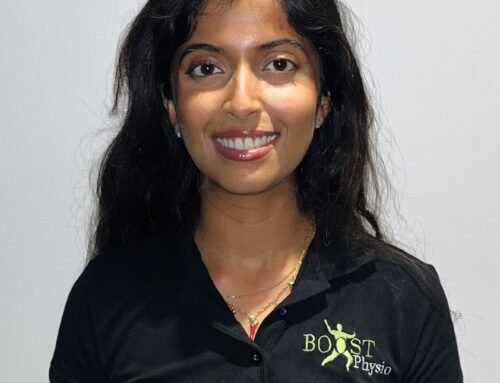
Zoe Katz
Physiotherapist, Kentish Town and Mill Hill
Zoe works at our Kentish Town clinic inside THRIVE Gym, a couple of minutes from Gospel Oak station and an easy trip from Tufnell Park, Dartmouth Park and Highgate Road. Her interests include chronic pain management, postural and biomechanical assessment and functional strength training.
Every tool for your best recovery
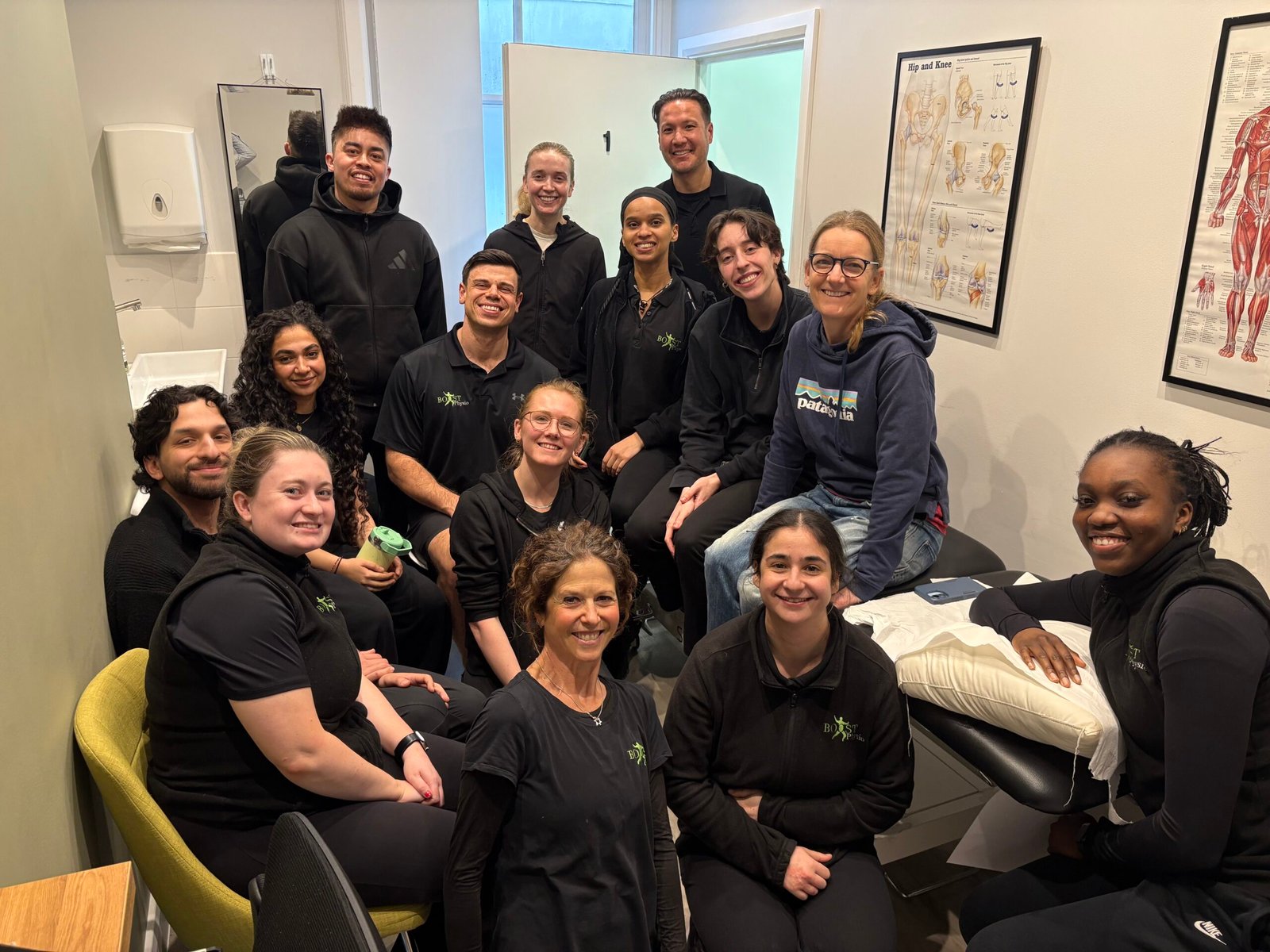
At BOOST PHYSIO, we believe your best recovery comes from having every tool available, not relying on just one. Our physiotherapists combine hands-on treatment with exercise rehabilitation built around you, then adjust it as you progress.
Something our patients don’t always realise is how much support sits behind each physio. Our team trains together twice a month and every physio has a dedicated mentor who reviews cases with them, so when you see us in Kentish Town you get the experience of the whole team.
- Same day appointments, seven days a week
- No GP referral needed to book
- Treatment recognised by Bupa, AXA Health, Vitality, WPA and Aviva
Closer to Hampstead or Swiss Cottage? Our Hampstead and Swiss Cottage Leisure Centre clinics are close by, or you can see all our clinic locations.
Get your back moving again
Same day appointments inside THRIVE Gym, Gordon House Road. Your Best Recovery, Guaranteed.
Related reading
 7 yoga poses to help back pain
 Morning low back stretch routineSlipped disc and sciatica physio
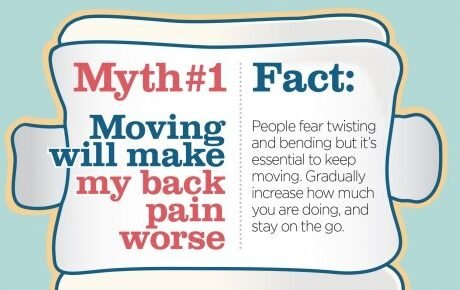 Back pain myth busters
 Beat back pain: our top tipsPhysiotherapy in Kentish Town and Parliament Hill
Your questions answered
Do I need a scan for my back pain?
Usually not. NICE advises against routine imaging for low back pain in non-specialist settings, because scans rarely change treatment. If your assessment raises any concerns, we can arrange onward referral.
Is yoga good for lower back pain?
It can be very helpful, as it combines gentle strength, movement and relaxation. Start at a level that suits your back, let your teacher know about your pain and ease into deeper bends and twists.
What is the best desk set up for working from home?
There’s no single perfect set up. Aim for your screen at roughly eye level, feet supported and a chair you can sit back in. Changing position often matters more than any piece of equipment.
How quickly can I be seen in Kentish Town?
We offer same day appointments wherever possible, seven days a week. Book online, call 020 8201 7788 or message us on WhatsApp.
Should I rest if my back hurts?
Gentle activity is usually better than rest. Keep moving within comfortable limits and gradually build up. Bed rest tends to slow recovery from back pain.
Written by the BOOST PHYSIO team. Clinician details are taken from their BOOST PHYSIO profile. Back pain guidance refers to NICE guideline NG59, Low back pain and sciatica in over 16s: assessment and management. This article is general guidance and is not a substitute for an individual physiotherapy assessment. If you have severe or worsening pain, numbness, loss of bladder or bowel control, or you feel unwell, seek urgent medical advice.