
West Hampstead NW6 · Neck and shoulders
Commute, laptop, phone, repeat?
Practical help for neck and shoulder pain from our West Hampstead physios, just across the road from the Thameslink station.

Quick answer: neck and shoulder pain in people who commute and work at screens is very common and usually isn’t a sign of damage. It tends to come from long spells in one position, tension and a neck and shoulders that aren’t strong or mobile enough for the day you’re giving them. Regular movement, strengthening and some hands-on treatment usually help a lot. Pain or pins and needles spreading into your arm, or pain that’s worsening, should be assessed.
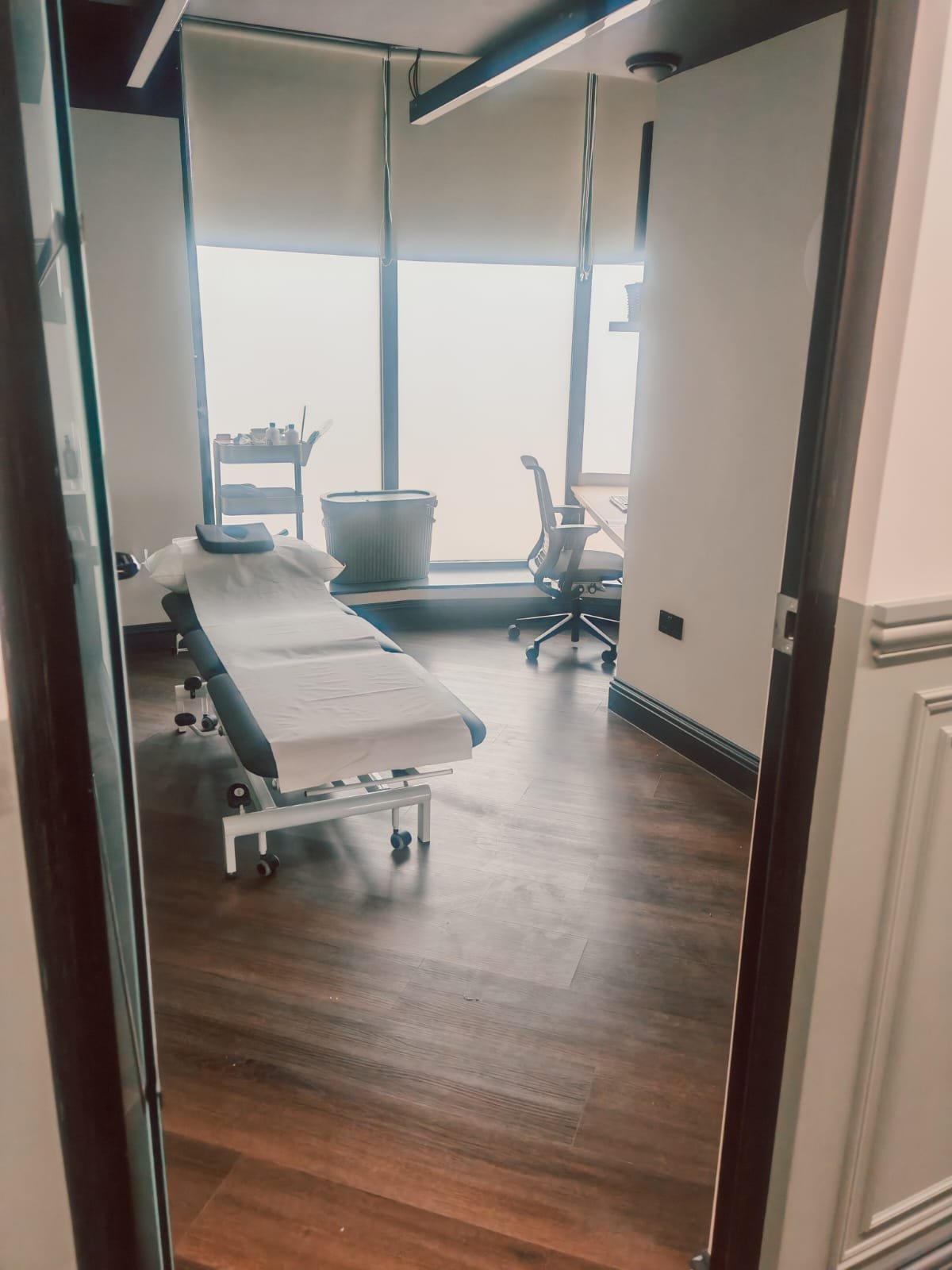
Our treatment room at Apex Health, 160 West End Lane
A very West Hampstead problem
West Hampstead is one of the best connected corners of London, with Thameslink, the Jubilee line and the Overground all a few minutes apart on West End Lane. Great for getting to work. It also means many NW6 patients spend their day standing on a train with a bag on one shoulder, then at a laptop, then scrolling on a phone on the way home.
Add the days working from home at a kitchen table and it’s no surprise neck and shoulder pain is something we see a lot. Our West Hampstead physio clinic is just across the road from the Thameslink station.
What patients tell us
Patients often describe a tight band across the top of the shoulders, an ache at the base of the skull that turns into a headache by the end of the day, or a neck that’s stiff turning one way, really noticeable when reversing the car or checking traffic on a bike.
Many worry they’ve “damaged” something or that their posture is beyond repair. Most of the time, neither is true. The tissues are usually healthy but sensitive. They respond well to the right mix of movement, strength and treatment.
Our physios find that once patients understand their neck isn’t fragile, they move more freely and the pain often eases faster.
How to relieve neck pain and help prevent it coming back
Three things that help most
Move little and often
Habit 1
Shoulder rolls, gentle neck turns and standing up every 30 to 45 minutes do more than one big stretch at the end of the day.
Get stronger, not just looser
Habit 2
Stretching feels good, but strengthening the muscles around your shoulder blades and neck makes flare ups less likely.
Share the load
Habit 3
Swap your bag between shoulders, or use a backpack with both straps, on your commute.
Small changes for your desk and commute
- Raise your laptop: a stand or a pile of books with a separate keyboard brings the screen nearer eye level.
- Bring your phone up: lift it towards eye level rather than dropping your head to it.
- Vary your position: there’s no single perfect posture. The best posture is the one you change regularly.
- Use your walk to the station: relax your shoulders, let your arms swing and use West End Lane as a reset.
Neck tight by the end of the day?
See Otis or Tyrone at West Hampstead for hands-on treatment and a plan that sticks.
When to get your neck or shoulder checked
Book an assessment if your pain hasn’t settled after a couple of weeks, is getting worse, keeps coming back, or you have pain, pins and needles or numbness spreading into your arm or hand. Shoulder pain that’s worse lifting your arm or lying on that side at night may be coming from the shoulder joint itself, as our guide on what’s causing your shoulder pain explains.
Seek urgent medical help if neck pain follows a significant fall or accident, or comes with weakness or clumsiness in your arms or legs, problems with balance or walking, or feeling generally unwell with a fever.
At a glance
| Most common cause | Long spells in one position, often with a laptop, phone or heavy bag. |
|---|---|
| Is it serious? | Usually not. Most neck and shoulder pain is sensitive, not damaged, tissue. |
| What helps most | Regular movement, strengthening and hands-on treatment as part of a plan. |
| Quick wins | Raise your screen, swap bag shoulders and move every 30 to 45 minutes. |
| Get it checked if | Symptoms spread into your arm, worsen or keep returning. |
Watch: neck and shoulder advice from our physios
Short videos from the BOOST PHYSIO team. If an exercise makes your pain worse, stop and ask your physio for the right version for you.
3 physio approved desk exercises for a stiff neck and achy back
One move to relieve upper back tension
How to test your neck mobility
Hands-on treatment options for a trapped nerve in the neck
Meet your West Hampstead physio

Otis Barton-Black
Chartered Physiotherapist, West Hampstead
Otis has a particular interest in neck and shoulder pain, lower back pain and long-term injuries. He combines hands-on treatment, including deep tissue massage, dry needling and joint mobilisation, with a rehab plan built around your goals and routine. He works alongside Tyrone Kon, Specialist Physiotherapist and Director of BOOST PHYSIO. The clinic is also handy for Kilburn, South Hampstead, Fortune Green and Frognal.
Every tool for your best recovery
At BOOST PHYSIO, we believe your best recovery comes from having every tool available, not relying on just one. Our physiotherapists combine hands-on treatment with exercise rehabilitation built around you, then adjust it as you progress.
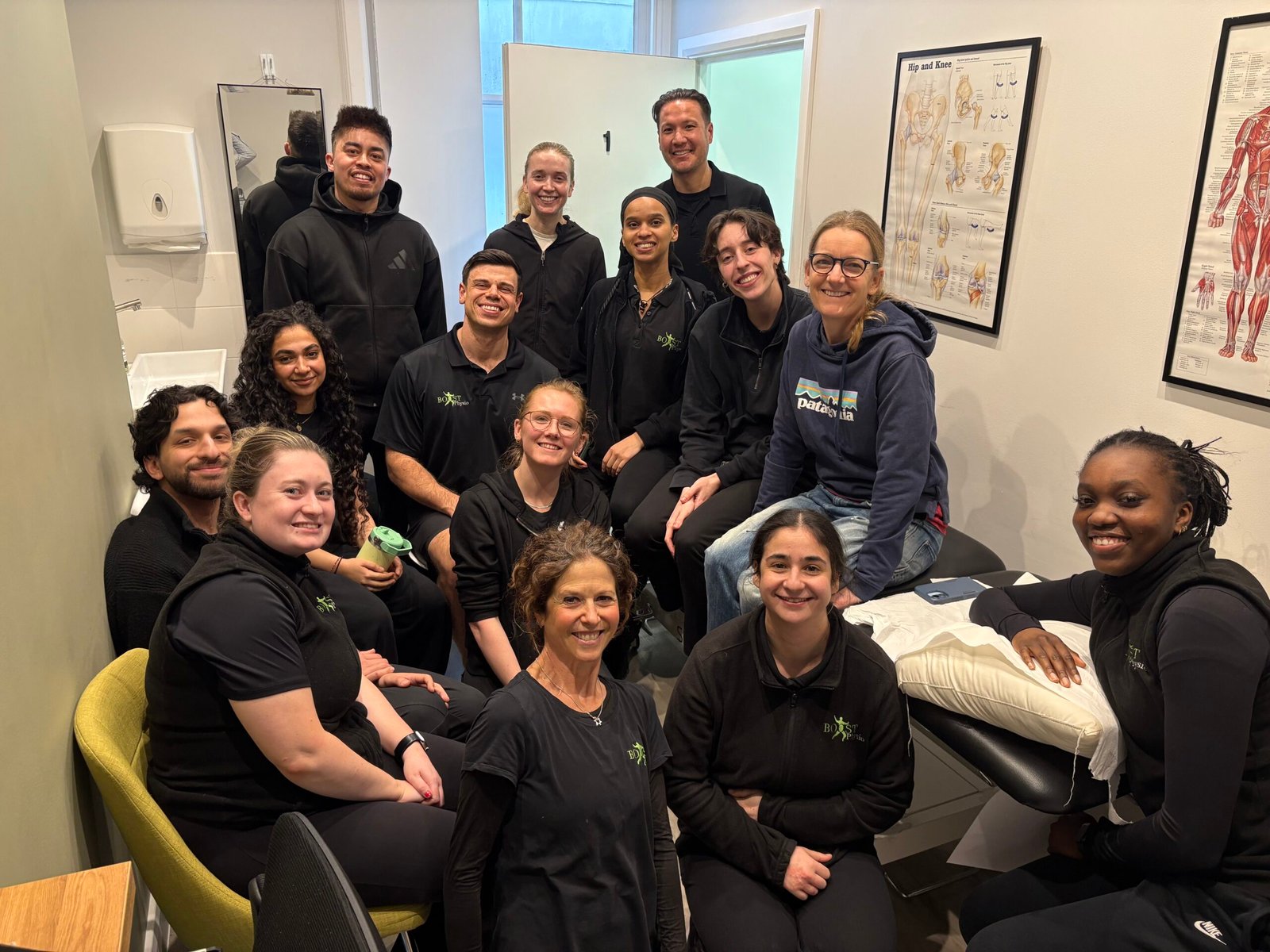
Something our patients don’t always realise is how much support sits behind each physio. Our team trains together twice a month and every physio has a dedicated mentor who reviews cases with them, so when you see us in West Hampstead you get the experience of the whole team.
- Same day appointments, seven days a week
- No GP referral needed to book
- Treatment recognised by Bupa, AXA Health, Vitality, WPA and Aviva
Closer to Hampstead or Swiss Cottage? Our Hampstead and Swiss Cottage Leisure Centre clinics are close by, or you can see all our clinic locations.
Loosen up and stay that way
Same day appointments at Apex Health, 160 West End Lane. Your Best Recovery, Guaranteed.
Related reading
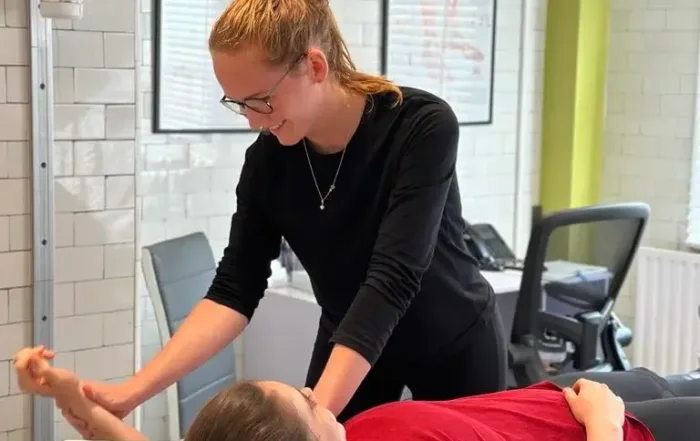 What is causing my shoulder pain?
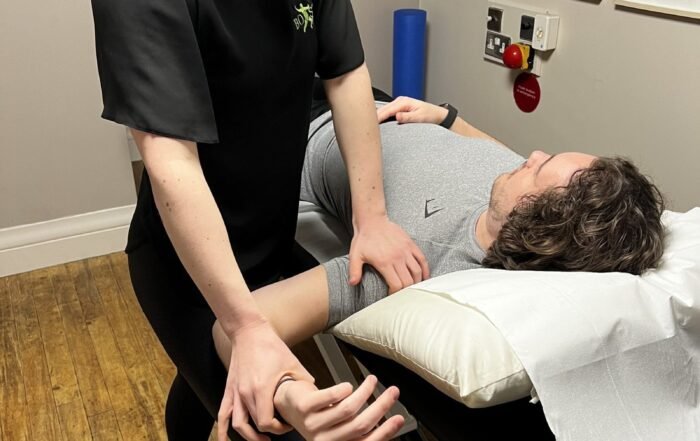 How physios help shoulder pain
 How to relieve neck pain
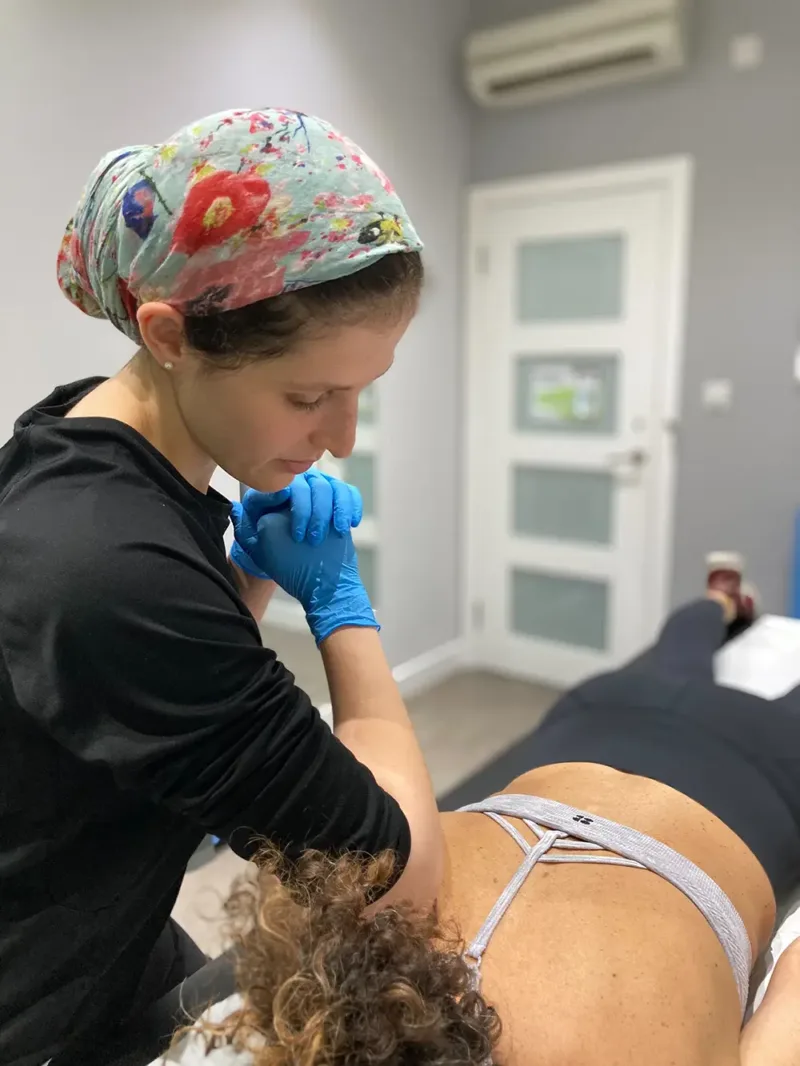 Upper back stiffness and tension
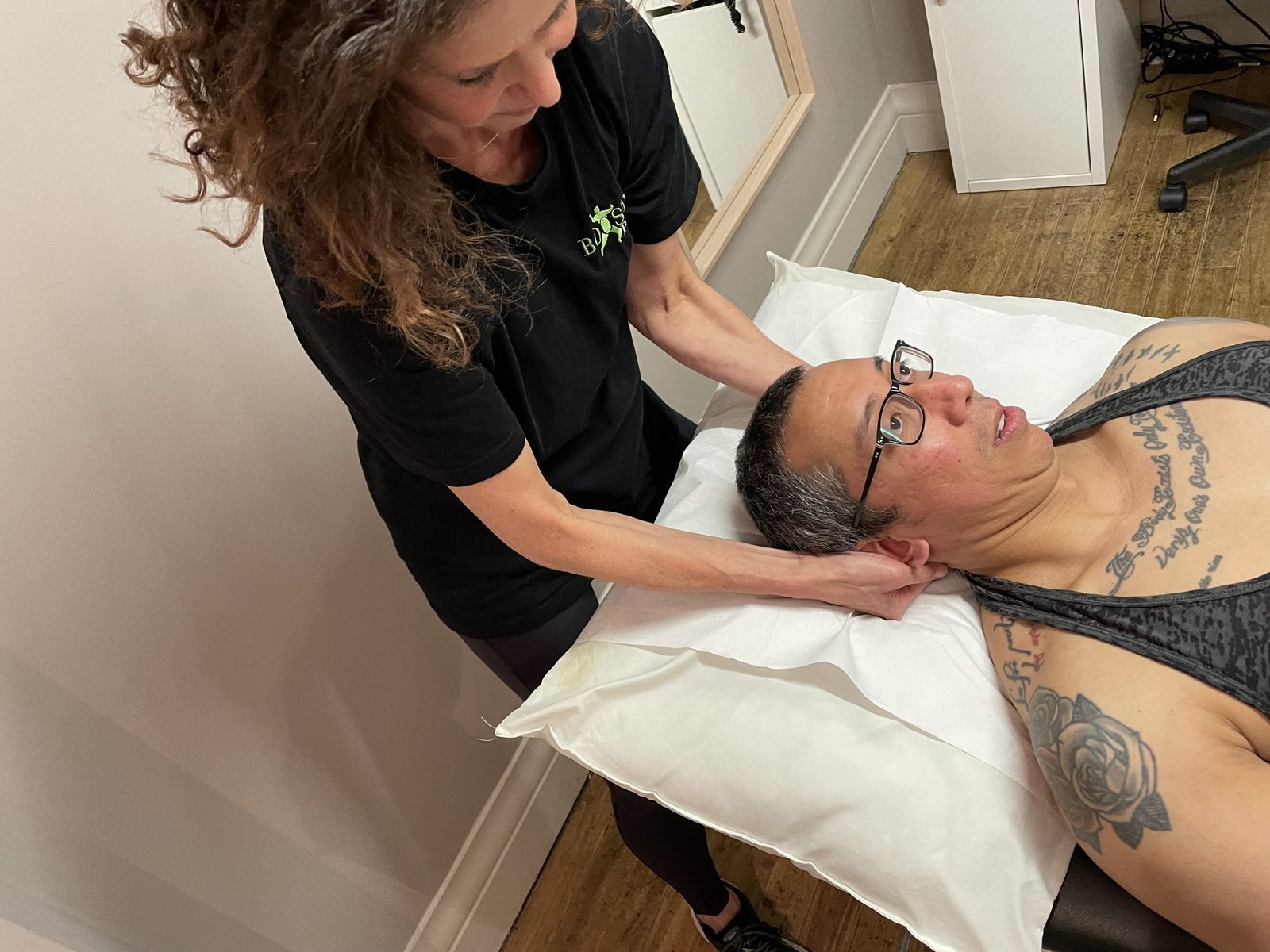 4 steps to prevent tech neck
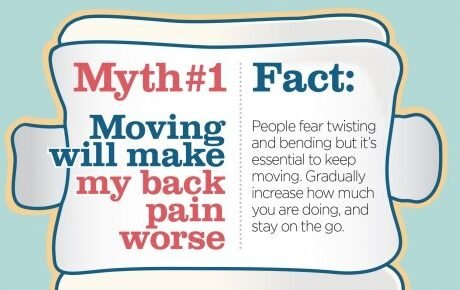 Back pain myth busters
Your questions answered
Can my laptop cause neck pain?
Long spells looking down at a laptop can contribute to neck and shoulder pain, mainly because you stay in one position for so long. Raising the screen, using a separate keyboard and changing position regularly usually helps.
Should I see a physio for a stiff neck?
If your neck hasn’t settled after a couple of weeks, keeps coming back, or you have symptoms spreading into your arm, a physio assessment is worthwhile. We can find what’s driving it and give you a clear plan.
Is it my neck or my shoulder?
Neck problems can refer pain into the shoulder area. Equally, shoulder problems can feel like neck tension. Pain that’s worse lifting your arm or lying on that shoulder at night often comes from the shoulder itself. Your physio will check both.
Do you offer dry needling in West Hampstead?
Yes. Otis uses dry needling alongside other hands-on techniques and exercise where it suits the patient.
Where is the West Hampstead clinic?
At Apex Health, Unit 9, 160 West End Lane, NW6 1HU, opposite West Hampstead Thameslink station and a few minutes’ walk from the Jubilee line and Overground stations.
Written by the BOOST PHYSIO team. Clinician details are taken from their BOOST PHYSIO profiles. This article is general guidance and is not a substitute for an individual physiotherapy assessment. If you have severe or worsening pain, numbness, loss of bladder or bowel control, or you feel unwell, seek urgent medical advice.