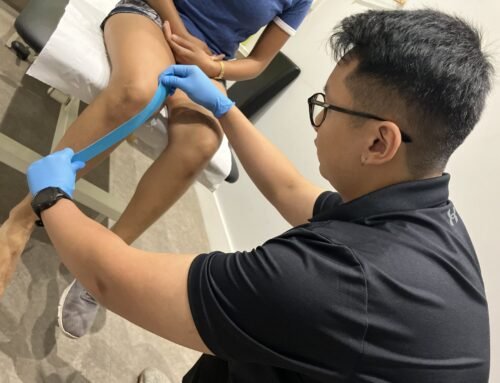

Shin pain when you run? Here’s what a physio would do
That ache along the inside of your shin that turns up when you add miles. Otis, our West Hampstead physio, explains what’s going on, when to get it checked and the three exercises he’d start with.
★★★★★ 5.0 on Google from our West Hampstead patients
Quick answer: Shin splints (medial tibial stress syndrome) is an aching pain along the inner edge of the shinbone that comes on with running, especially when you increase your mileage or how often you run. It usually settles with a period of lower impact training, strengthening and a gradual return to running. Pain that is very localised, severe or getting worse could be a bone stress injury and should be assessed before you keep training. Otis and Tyrone see runners with shin pain at our West Hampstead clinic, opposite West Hampstead Thameslink.
What are shin splints?
Shin splints is the everyday name for medial tibial stress syndrome. It’s pain along the inner edge of your shinbone (the tibia), usually spread over several centimetres rather than in one spot. It tends to come on during or after running and is especially common when you increase your mileage, add speed sessions or start running more often.
You’re in good company if you’ve had it. Research suggests it affects somewhere between 5% and 35% of runners. A review of the risk factors found it was more common in female runners, people who’ve had shin splints before, newer runners and people with a higher body mass index or a foot arch that drops more when they stand.
5-35%
of runners are affected by medial tibial stress syndrome, depending on the group studied.
Newman et al, Open Access J Sports Med 2013
3 trials
compared treatments for shin splints. In each, rest did as well as any single treatment tried.
Moen et al, Sports Medicine 2009
~3-4 months
was the average time for athletes to complete a graded return-to-running programme in a trial of 74 athletes.
Moen et al, 2012
Otis’s three-step plan
In his video, filmed at our West Hampstead clinic on West End Lane, Otis sets out exactly what he would do if he had shin splints himself.
Here’s what I’d do as a physio if I had shin splints. First, I’d reduce activities that aggravate my symptoms, switching to low impact exercise like cycling or swimming to maintain my fitness.
Otis Barton-Black, Chartered Physiotherapist, BOOST PHYSIO West Hampstead
Otis explains what he would do for shin splints, with three exercises
1. Reduce the irritation
Adapt your training
Cut back on the running that brings your pain on and keep your fitness with low impact exercise like cycling or swimming.
2. Build lower leg strength
Three exercises
Calf raises with a straight knee and a bent knee, plus toe raises for the muscle at the front of your shin.
3. Progress gradually
Don’t push through pain
Start with what’s manageable and build up as your symptoms allow.
Shin splints or a bone stress injury?
This is the most important part of Otis’s advice. Shin splints sits on the same spectrum as bone stress injuries, including stress fractures of the tibia. The two can feel similar early on. The difference matters, because a bone stress injury needs a very different amount of time away from running.
It’s important to note that bone stress injuries can sometimes be mistaken for shin splints.
Otis Barton-Black
| More typical of shin splints | Pain spread along the inner border of the shin, often over several centimetres. It may ease once you’re warmed up, then ache afterwards. |
|---|---|
| More suspicious of a bone stress injury | Pain in one small spot you can point to with a fingertip, pain that is getting worse, starts earlier in each run or carries on into walking and daily life. |
| What we do | Assess where and how it hurts, test how your leg copes with load and, if a bone stress injury is suspected, arrange the right scan through our consultant network. |
Get your shin checked before you keep training if:
- The pain is very localised, severe or persistent, or it feels like it’s getting worse
- You have pain when walking, resting or at night
- There is a tender lump, swelling or redness on the shin
- Your calf feels tight, numb or tingly during exercise and settles when you stop
If you have sudden, severe pain and swelling in the lower leg after an injury, or your calf is hot, swollen and painful, seek urgent medical help.
The three exercises Otis recommends
These are the exercises Otis uses to build lower leg strength during shin splints rehab. Do them slowly and with control, stopping short of anything that sharpens your shin pain. A mild, settling ache is fine. Pain that lingers into the next day means you’ve done too much.
1. Straight knee calf raises
Calf (gastrocnemius)
Stand facing a wall with your hands on it for balance. Rise up onto your toes with your knees straight, then lower slowly. Otis’s tip: aim for slow, controlled repetitions. A good starting point is 2 to 3 sets of 10 to 15.
2. Bent knee calf raises
Soleus
Keep a small bend in your knees and rise up onto your toes, then lower slowly. In Otis’s words, this helps build the soleus muscle and improves ankle stability. Build towards single leg as it gets easier.
3. Tibialis anterior toe raises
Front of the shin
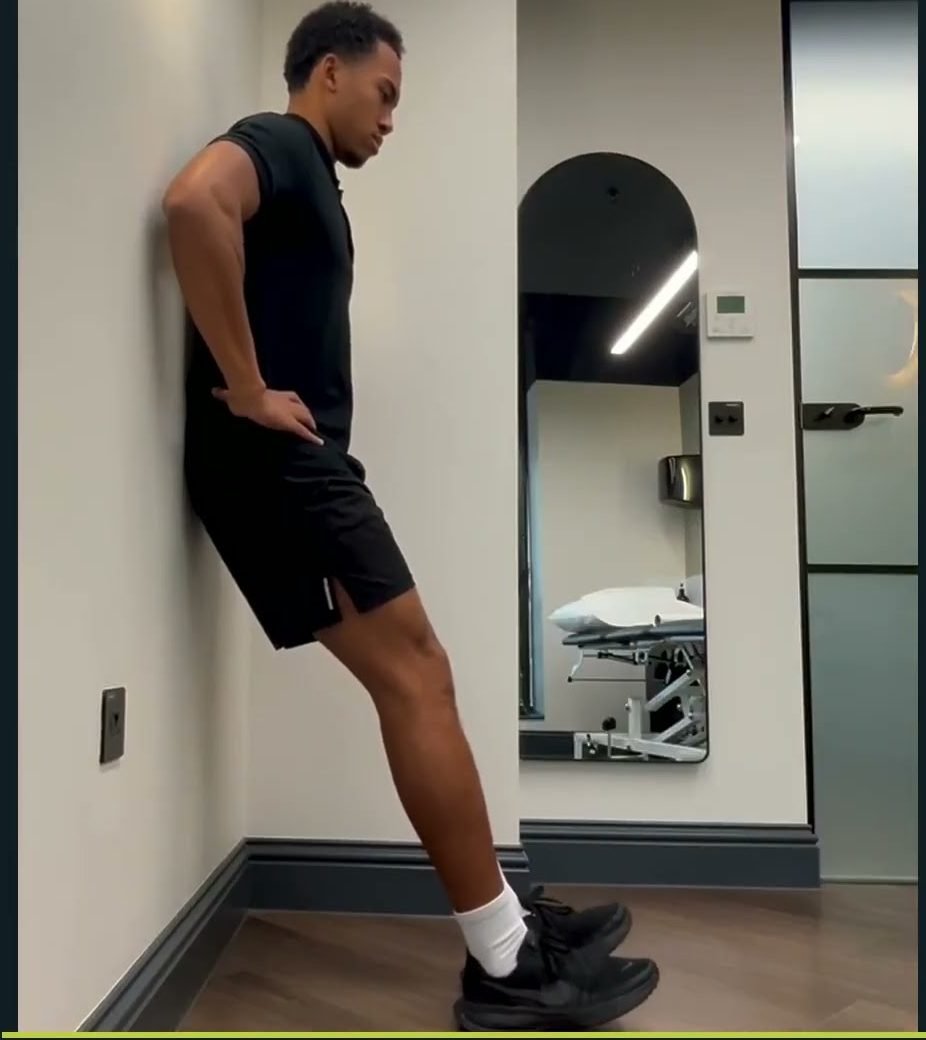
Lean your back against a wall with your feet a step forward. Lift your toes and the front of your feet towards your shins, then lower slowly. Otis explains this will help with toe lift and clearance in runners.
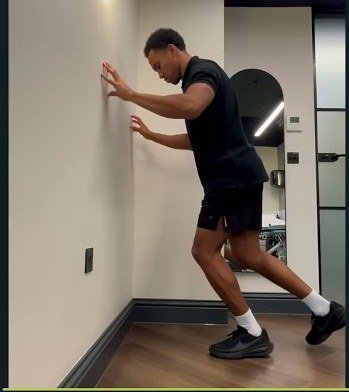
Bent knee calf raises target the soleus
Why the soleus matters for runners
The soleus is the deeper of your two calf muscles and it does a huge amount of work every time your foot hits the ground. Part of it attaches along the back of the shinbone, close to where shin splints pain is usually felt. That’s one reason the bent knee calf raise, which targets the soleus, is a staple of our rehab for runners.
A benchmark our physios use: can you do 20 to 25 slow single leg calf raises on each side? If not, there’s strength to build before you ramp your running back up.
I wouldn’t be pushing through pain during rehab exercises. I’d start with what’s manageable and progress when symptoms allow.
Otis Barton-Black
Shin pain stopping your running?
Book a physio assessment in West Hampstead. No GP referral needed.
Getting back to running
We want to be honest about what the research shows. Strength work matters, but the biggest factor in recovering from shin splints is how you bring your running back. In a trial of 74 athletes, adding calf exercises or a compression stocking to a graded running programme didn’t make people finish it any faster. Everyone took around three to four months on average.
So the plan we build with you focuses on getting your running load right, with strength work alongside it to make your legs more resilient for next time:
- Find your starting point: a pain-free run time or distance, even if it’s short
- Build gradually: increase one thing at a time, distance or speed or frequency, not all three
- Mix your surfaces: soft trails on Hampstead Heath can feel kinder than pavement, but change surfaces gradually too
- Keep cross-training: cycling and swimming keep your fitness up while your shins recover
- Check your kit and load: worn-out trainers or a sudden jump in weekly mileage are common triggers
- Know your warning signs: pain that gets worse during a run, lingers into the next day or becomes pinpoint means stop and get checked
What our runners say
★★★★★
“I wouldn’t have been able to run the marathon without his help treating my shin splints.”
Josh K., Google review, West Hampstead
★★★★★
“I am a keen runner with a fairly intense training programme ahead of a big race in January.”
George W., Google review, West Hampstead
★★★★★
“He asked the right questions, his knowledge was really impressive and he helped me with a clear plan of recovery and treatment going forward.”
Tanya C., Google review, West Hampstead
Your West Hampstead physios
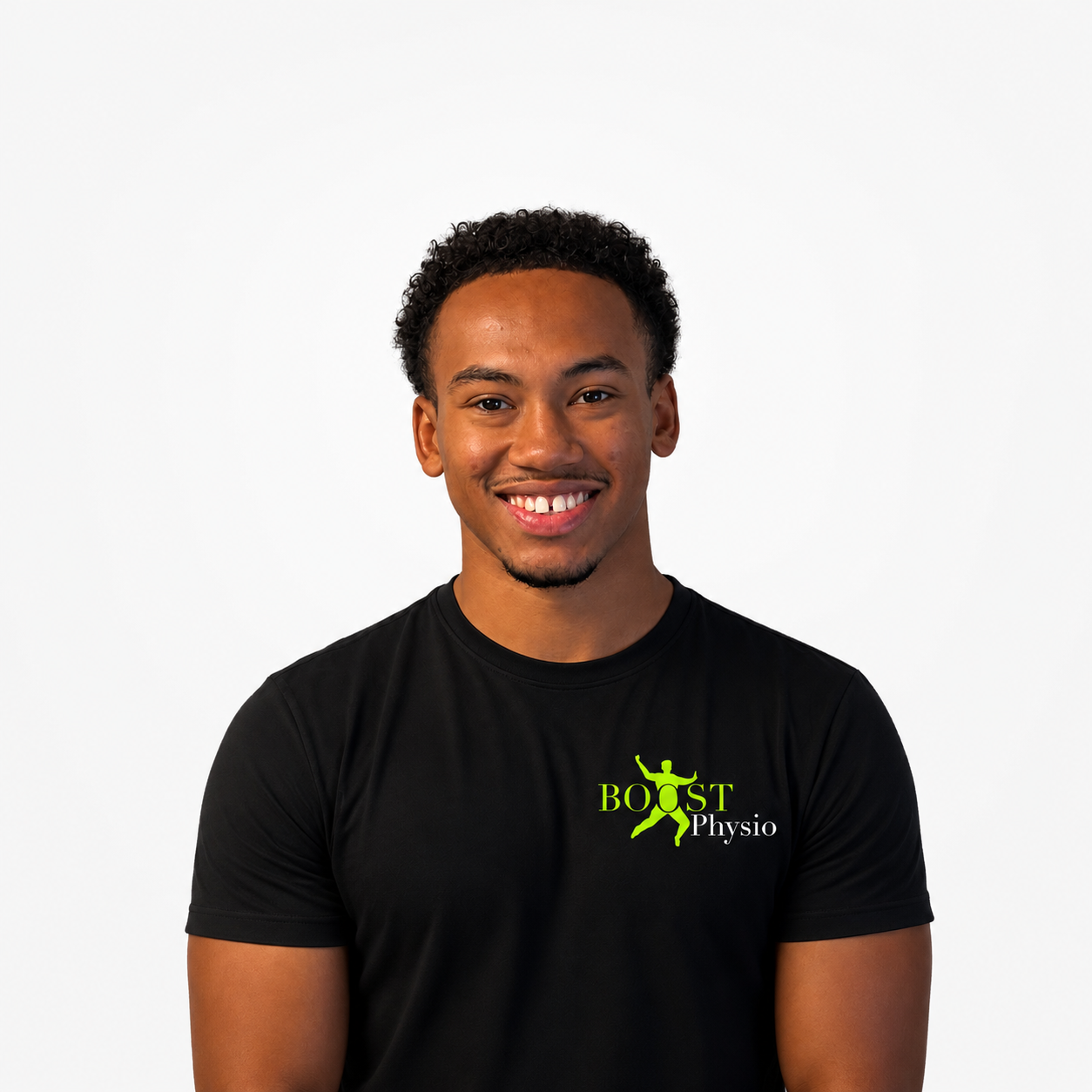
Otis Barton-Black
Chartered Physiotherapist, West Hampstead
Otis has over four years’ experience across sports, musculoskeletal clinics and hospital physiotherapy. He has a particular interest in long-standing injuries and helping people get safely back to running, sport and exercise. He enjoys heading out for a run himself.
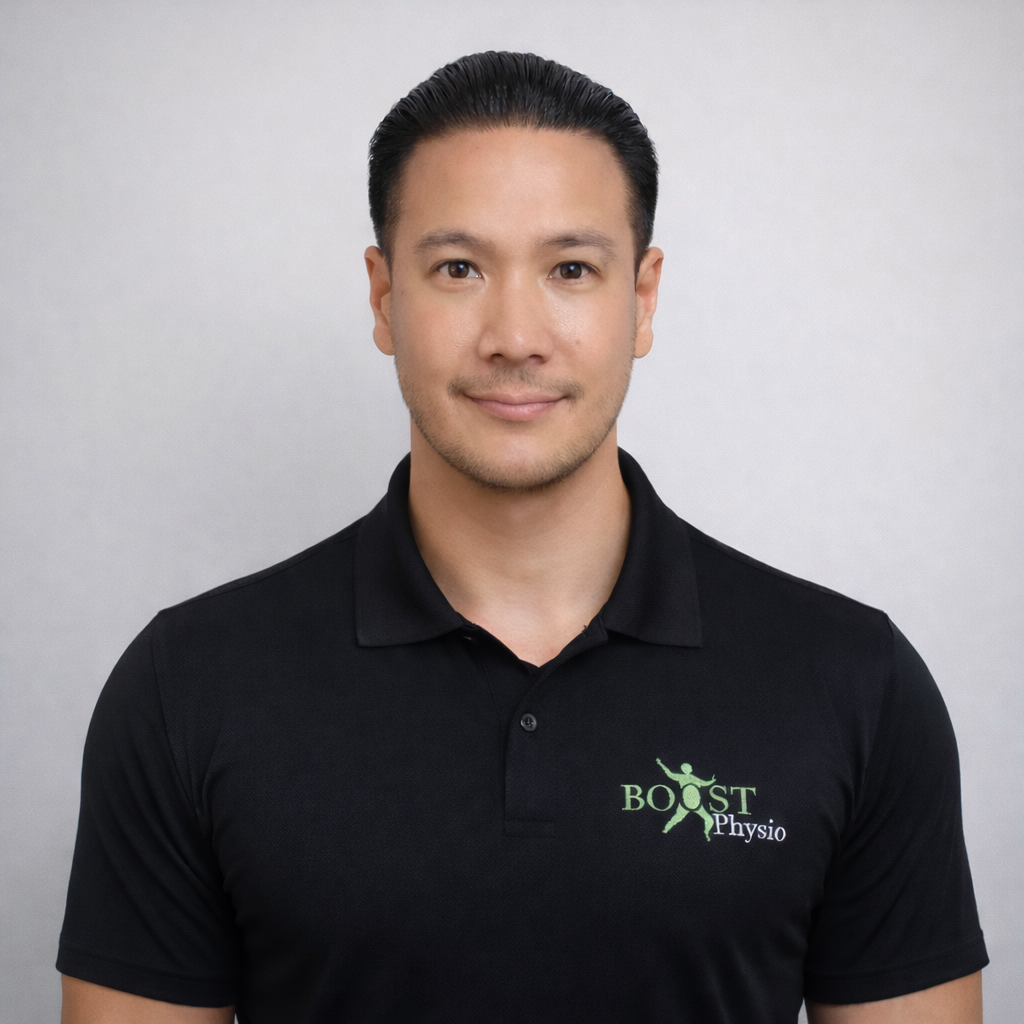
Tyrone Kon
Specialist Physiotherapist and Director, West Hampstead
Tyrone has more than 15 years’ experience and leads our West Hampstead clinic. One of his West Hampstead patients credits him with getting them through a marathon after shin splints.
Watch: more advice for runners
Short videos from the BOOST PHYSIO team. Tap to play.

From shin splints to a London Marathon medal

Test your calf strength: can you do 20 to 25?

Preparing to return to running after a lower leg injury

Meet Otis at our West Hampstead clinic
| Clinic | BOOST PHYSIO West Hampstead, Apex Health, 160 West End Lane, London NW6 1HU |
|---|---|
| Getting here | Opposite West Hampstead Thameslink, a few minutes’ walk from the Jubilee line and Overground stations |
| Physios | Otis Barton-Black and Tyrone Kon |
| Running problems we treat | Shin splints, calf and Achilles pain, runner’s knee, hip and hamstring problems, returning to running after injury |
| Insurance | Bupa, AXA Health, Vitality, WPA and Aviva |
| Referral | Not needed. Book online, call or WhatsApp us |
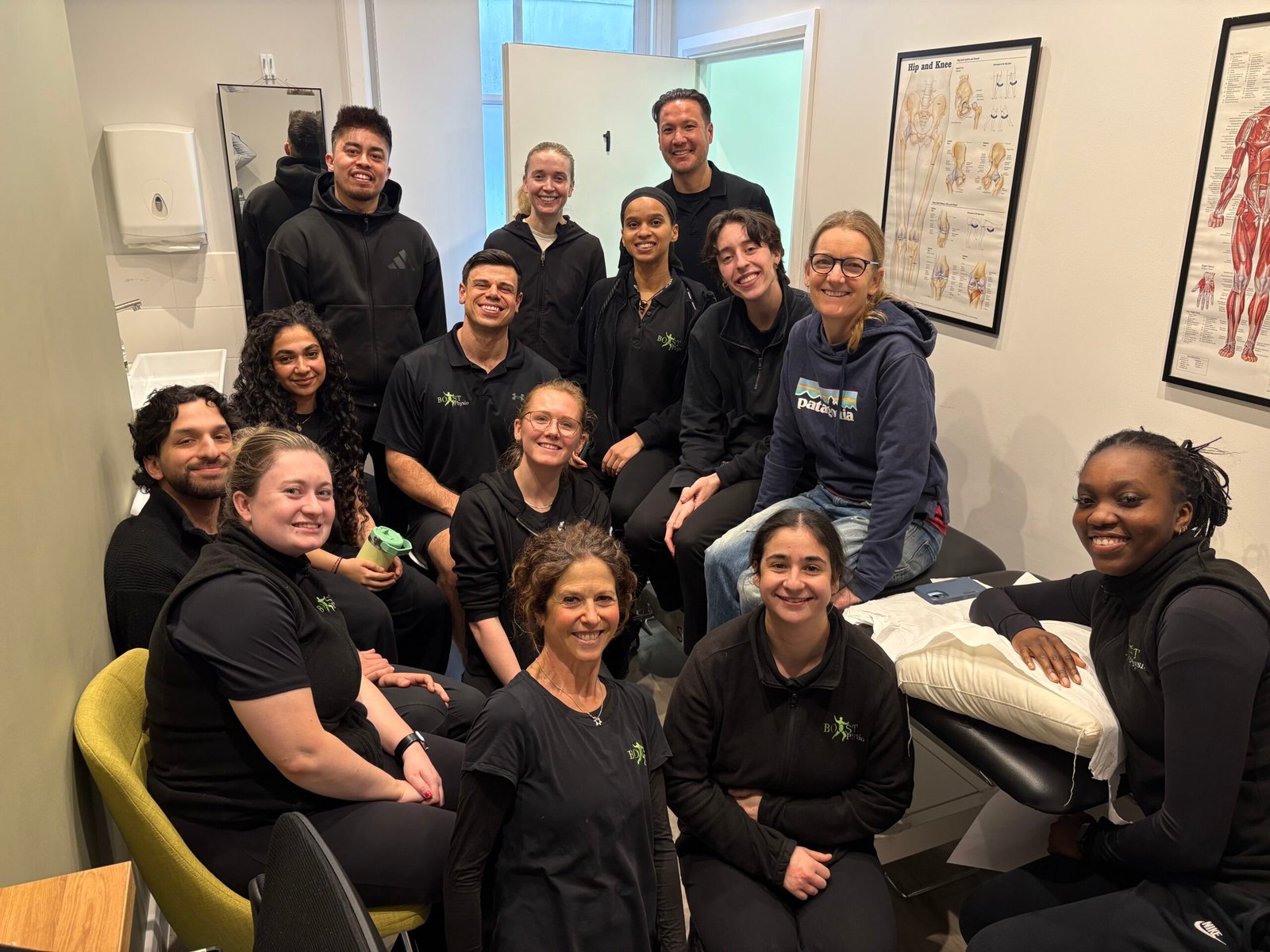
Why patients choose BOOST PHYSIO
West Hampstead is one of 13 BOOST PHYSIO clinics across North London and Hertfordshire. Being part of a bigger group matters more than most people realise. Our physios train together twice a month and every physio has a dedicated mentor who reviews cases with them, so when you see one of us you get the experience of the whole team behind them.
We combine hands-on treatment with exercise rehabilitation built around you, then adjust it as you progress. That’s what sits behind our promise: Your Best Recovery, Guaranteed.
- Same day appointments, seven days a week
- No GP referral needed to book
- Recognised by Bupa, AXA Health, Vitality, WPA and Aviva
- Strong links with London’s leading consultants and surgeons
Run on Hampstead Heath or Primrose Hill? Our Kentish Town, Swiss Cottage Leisure Centre and Hampstead clinics are close by too. Find out more about our West Hampstead physio clinic.
Book your West Hampstead appointment
Same day appointments, seven days a week, at 160 West End Lane.
Related reading
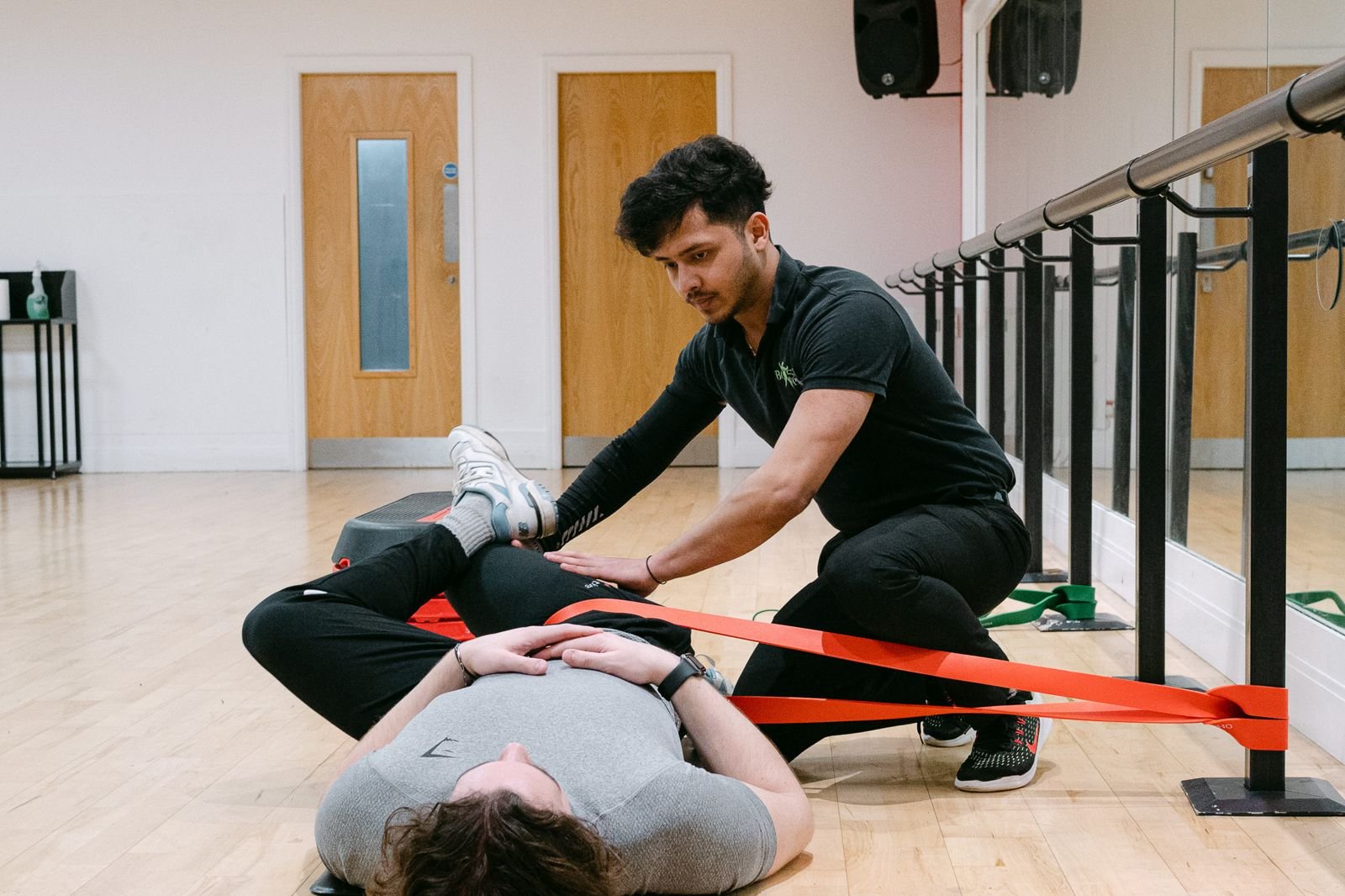 Parliament Hill runners and Heath swimmers: injuries we see
 Running injuries around Crouch End
 Sports injury clinic in London
 Achilles tendon pain physio
 Weekend sport knee injury in West Hampstead
 Elbow and arm pain in West Hampstead
Your questions answered
What are shin splints?
Shin splints, or medial tibial stress syndrome, is pain along the inner edge of the shinbone caused by repeated load, most often from running. It usually builds up when you increase how far, how fast or how often you run.
How long do shin splints take to heal?
It varies. Many runners feel better within a few weeks of reducing their running, but a full graded return to running took around three to four months on average in a clinical trial. Getting the load right early usually speeds things up.
Can I keep running with shin splints?
Sometimes, at a reduced level, if the pain stays mild and settles quickly afterwards. If the pain gets worse during a run, lingers into the next day or becomes very localised, stop and get it assessed.
How do I know if it’s a stress fracture?
Pain in one small spot you can point to, pain when walking or resting, or pain that keeps getting worse are warning signs of a bone stress injury. A physio can assess you and arrange a scan if needed.
What exercises help shin splints?
Otis recommends straight knee calf raises, bent knee calf raises to build the soleus and tibialis anterior toe raises against a wall. Do them slowly and don’t push through pain.
Should I rest completely with shin splints?
Usually not. Swapping running for low impact exercise like cycling or swimming keeps your fitness while your shins settle, then you return to running gradually.
Do I need a GP referral to see a physio in West Hampstead?
No. You can book directly online, by phone or on WhatsApp. If you’re claiming on health insurance, check whether your insurer needs a GP referral first.
Where is the BOOST PHYSIO West Hampstead clinic?
At Apex Health, 160 West End Lane, London NW6 1HU, opposite West Hampstead Thameslink and close to the Jubilee line and Overground stations.

Written and clinically reviewed by Steven Berkman, BSc Physiotherapy (University of Cape Town), HCPC-registered chartered physiotherapist, MCSP, founder of BOOST PHYSIO in 2008, with Otis Barton-Black and Tyrone Kon at BOOST PHYSIO West Hampstead. Last reviewed 29 October 2026.
References
- Newman P, Witchalls J, Waddington G, Adams R. Risk factors associated with medial tibial stress syndrome in runners: a systematic review and meta-analysis. Open Access Journal of Sports Medicine 2013;4:229-241.
- Moen MH, Tol JL, Weir A, Steunebrink M, De Winter TC. Medial tibial stress syndrome: a critical review. Sports Medicine 2009;39(7):523-546.
- Moen MH, Holtslag L, Bakker E et al. The treatment of medial tibial stress syndrome in athletes; a randomized clinical trial. Sports Medicine, Arthroscopy, Rehabilitation, Therapy and Technology 2012;4:12.
- Patterson K, Forster B. The role of imaging in tibia stress injury. Aspetar Sports Medicine Journal 2016;5(1).
This article is general guidance and is not a substitute for an individual physiotherapy assessment. If you have severe or worsening pain, numbness, weakness, loss of bladder or bowel control, or you feel unwell, seek urgent medical advice.