
Crouch End N8 · Running
Run the hills of N8 without the niggles
The Parkland Walk, Ally Pally and Crouch End Hill are brilliant for fitness. Here’s how to keep them from catching up with your calves, knees and ankles.

Quick answer: most running niggles we see around Crouch End come from doing a bit too much, a bit too soon, rather than one bad step. The climbs up to Alexandra Palace, Highgate and Crouch End Hill load your calves, Achilles and knees far more than a flat loop. If pain is changing how you run, getting worse week on week or hasn’t settled after a couple of weeks of easing off, it’s time for an assessment rather than another rest week.
Why running in N8 is different
Ask anyone who runs round here and they’ll tell you there’s no such thing as a flat run. Head out from the Broadway and within minutes you’re climbing, whether that’s up Crouch End Hill towards Hornsey Lane, up to Highgate or the long drag to Alexandra Palace.
Hills shift more work onto your calves and Achilles on the way up and onto the front of your knees on the way down. That’s why so many runners we see at our Crouch End clinic come in with the same handful of problems.
Then there’s the Parkland Walk, the old railway line from Finsbury Park towards Highgate and on to Alexandra Park. It’s London’s longest local nature reserve and a lovely traffic-free run, but after rain and in leaf season the surface turns soft and uneven. That’s exactly when we see a run of ankle sprains.
Meet Fin, our Crouch End physio at Equal Results on Crouch End Hill
The running injuries we see most in N8
Achilles and calf pain
Achilles tendinopathy, calf strain
Stiff first thing, easing as you warm up, then grumbling afterwards. Often after adding hills. Achilles guide
Kneecap pain
Runner’s knee, patellofemoral pain
An ache around the kneecap, classic on long downhills and stairs. Knee pain guide
Rolled ankle
Ankle sprain
Tree roots, wet leaves and uneven trail. Most settle well with the right early care. Ankle sprain guide
Heel pain
Plantar heel pain
Sharp under the heel with your first steps in the morning, often after more miles on harder ground.
Outer hip pain
Gluteal tendon pain
An ache on the side of the hip or buttock, sometimes linked to long or downhill runs.
Shin pain
Shin splints, bone stress
Usually when mileage or speed jumps. Sharp pain in one spot on the bone needs checking.
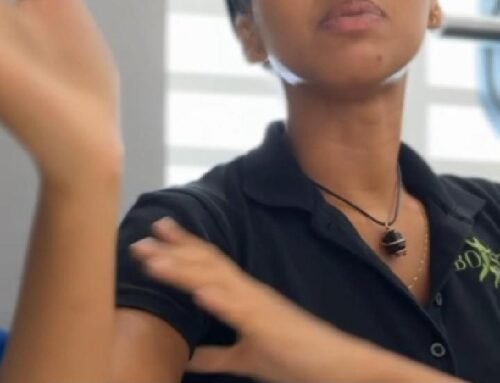
An exercise our physios use to ease Achilles pain and build it back up
What our patients tell us
Patients often tell us they’ve rested for weeks, felt fine, gone back to their usual loop and the pain was straight back. Rest takes the pain down but doesn’t rebuild the tendon’s capacity to cope with load.
We also hear “I didn’t change anything” a lot. When we go through it together there’s almost always something: new trainers, a half marathon plan, hill reps at Ally Pally or simply more running on lighter evenings.
We rarely tell a runner to stop running completely. Far more often we change how much, how fast and where you run while we build you back up.
Five ways to keep running round here
- Add hills gradually: swap one flat run a week for a hilly one rather than changing every route at once.
- Respect the downhill: shorter, quicker steps coming down from Highgate or Alexandra Palace take load off your knees.
- Pick your Parkland Walk days: after heavy rain or deep in leaf season, slow down or choose a firmer route if your ankles are a weak spot.
- Strength twice a week: calf raises, step ups and single leg work are the backbone of almost every running rehab plan we write.
- Use the two week rule: if a niggle is getting worse or hasn’t settled in a couple of weeks, get it checked early.
Niggle that won’t settle?
See Fin at Crouch End and leave with a clear plan to keep you running.
Five quick facts for N8 runners
| Parkland Walk | About 5km of old railway line, now a local nature reserve, passing the old Crouch End station platforms. |
|---|---|
| Hills | Climbs to Highgate, Hornsey Lane and Alexandra Palace load the calves and Achilles more than flat running. |
| Surface | Gravel and earth paths on the Parkland Walk and in Alexandra Park change with the weather. |
| Most common trigger | A change in training, such as more distance, hills or speed, rather than one bad step. |
| When to get help | Pain that changes how you run, keeps getting worse or hasn’t settled after about two weeks. |
For long-standing tendon pain, shockwave can be a helpful addition to strengthening at selected BOOST PHYSIO clinics. Our shockwave therapy page explains who it suits.
Watch: running advice from our physios
Short, practical videos from the BOOST PHYSIO team. If an exercise makes your pain worse, stop and ask your physio for the right version for you.
Are your calves as strong as they should be? A quick test
Stretches for morning heel pain
3 exercises to avoid repeat ankle sprains
3 exercises for returning from a running injury
Meet your Crouch End physio
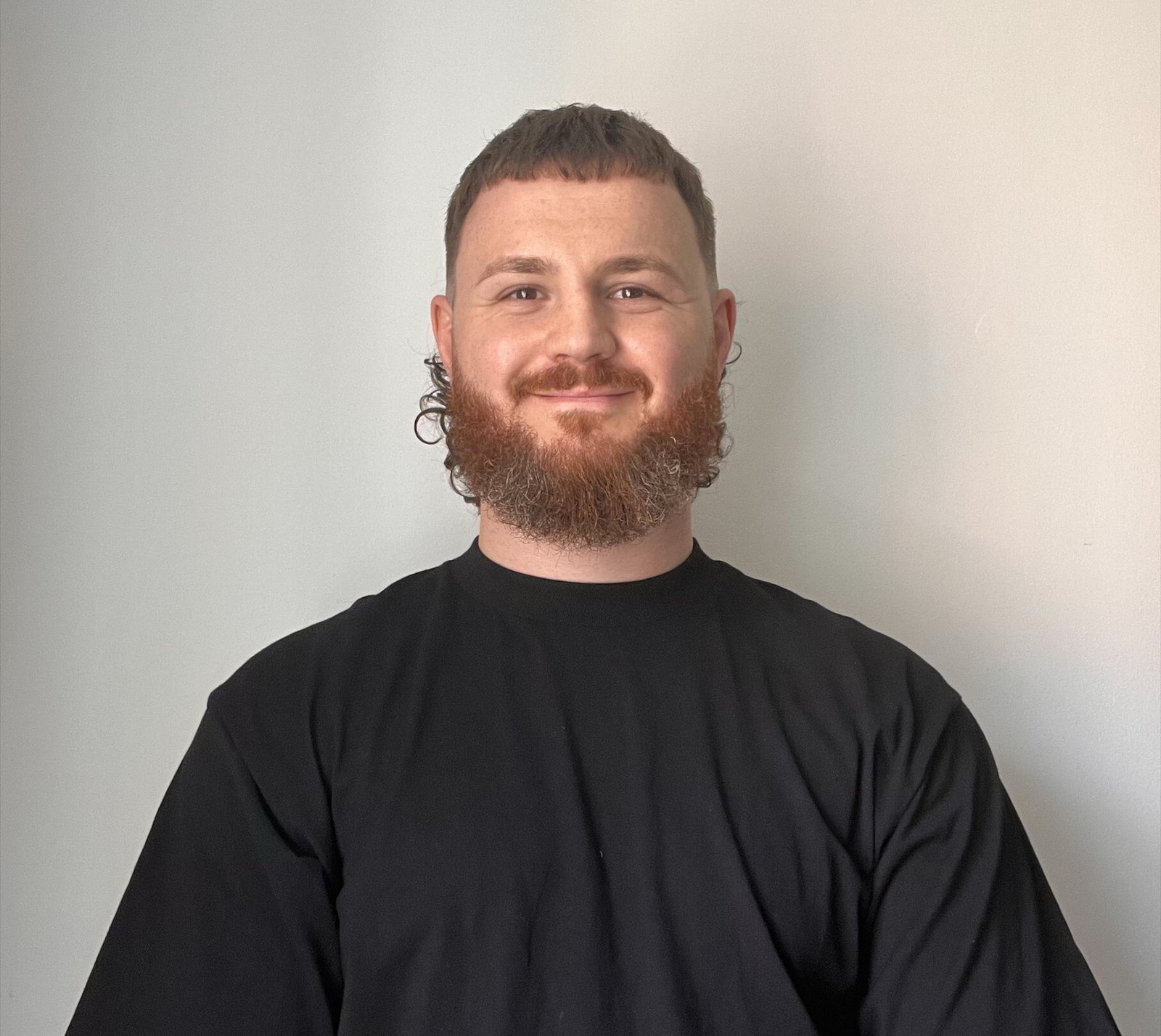
Finlay McDonald
Physiotherapist, Crouch End and East Finchley
Fin has a particular interest in foot and ankle, hip and knee injuries and the late stages of rehab that get you back to sport. His strength and conditioning background means your plan is built to cope with the hills, not just to calm the pain. He’s also shared the side plank exercise he uses with lots of runners.
Every tool for your best recovery
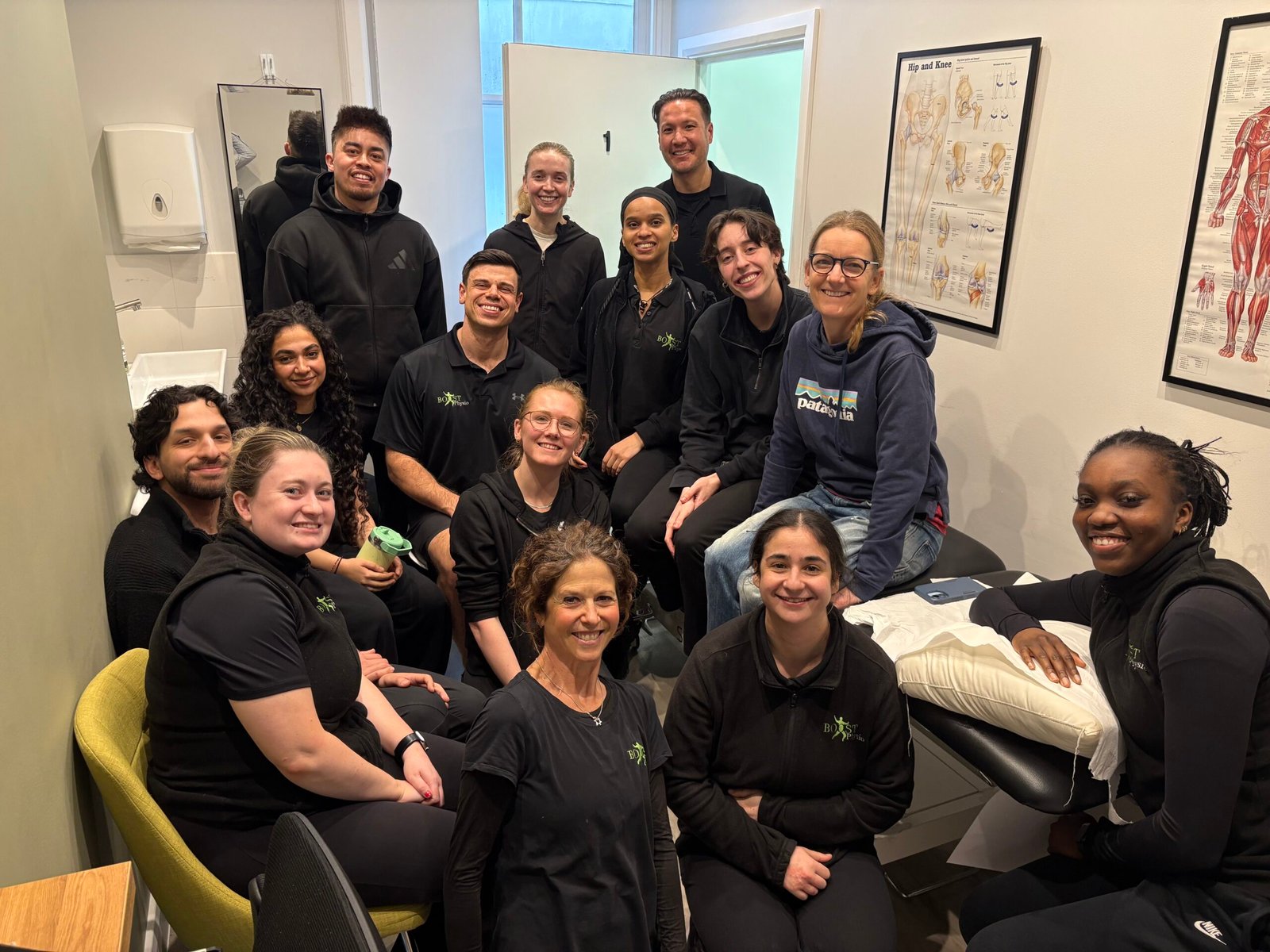
At BOOST PHYSIO, we believe your best recovery comes from having every tool available, not relying on just one. Our physiotherapists combine hands-on treatment with exercise rehabilitation built around you, then adjust it as you progress.
Something our patients don’t always realise is how much support sits behind each physio. Our team trains together twice a month and every physio has a dedicated mentor who reviews cases with them, so when you see us in Crouch End you get the experience of the whole team.
- Same day appointments, seven days a week
- No GP referral needed to book
- Treatment recognised by Bupa, AXA Health, Vitality, WPA and Aviva
Closer to Muswell Hill or East Finchley? Our Muswell Hill and East Finchley clinics are just up the road, or you can see all our clinic locations.
Ready to get back to pain-free running?
Same day appointments at Equal Results Gym, 56 Crouch End Hill. Your Best Recovery, Guaranteed.
Related reading
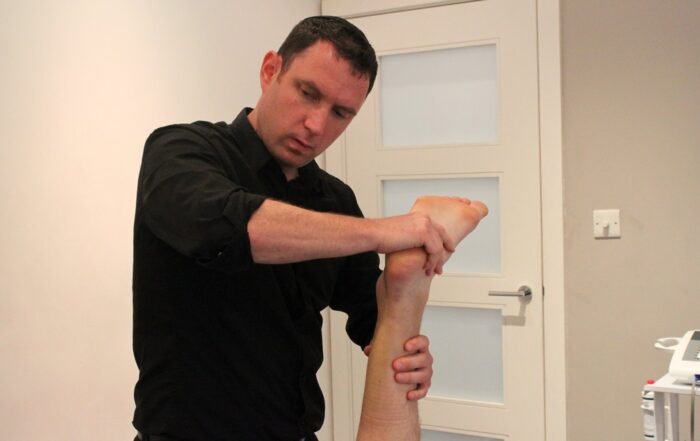
 Achilles tendon physio
 Ankle sprain physio
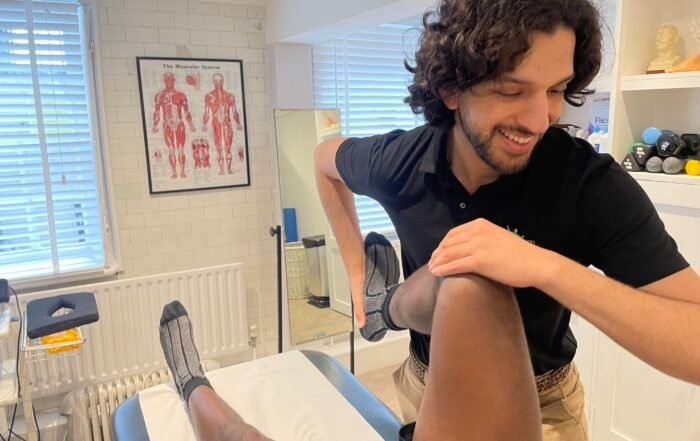 Knee pain physio
 Stress fractures in runners
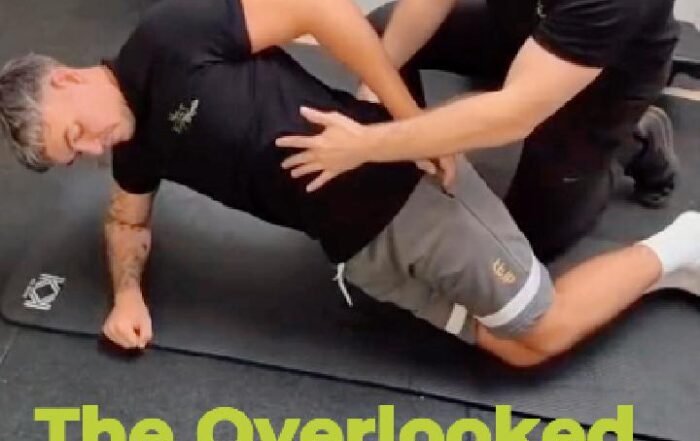 The overlooked back pain exercise
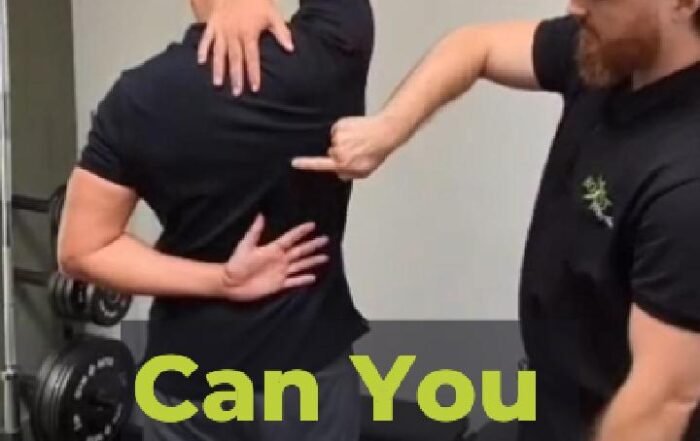 How to test shoulder stiffness
Your questions answered
Should I stop running if I have pain?
Not always. Many running injuries do better with modified running than complete rest. A physio can tell you how much running is safe while you recover and which routes, speeds or distances to avoid for now.
Is the Parkland Walk good for running?
Yes. It’s a traffic-free route of about 5km on an old railway line with fairly gentle gradients. The surface can be soft, uneven and slippery after rain or in leaf season, so take care if you’re prone to rolling your ankles.
Why do my knees hurt after running down from Alexandra Palace?
Running downhill puts more load through the front of the knee and the kneecap. Shorter, quicker steps on the way down and strengthening your thighs and hips usually help. If it keeps coming back, get it assessed.
Do I need a scan for a running injury?
Most running injuries don’t need a scan. A thorough assessment usually tells us what’s going on. If something doesn’t add up or isn’t progressing, we can arrange onward referral or imaging.
Can I see a physio in Crouch End without a GP referral?
Yes. Book directly online, by phone or on WhatsApp. If you’re claiming on private health insurance, check whether your insurer needs a GP referral first.
Written by the BOOST PHYSIO team. Clinician details are taken from their BOOST PHYSIO profile. This article is general guidance and is not a substitute for an individual physiotherapy assessment. If you have severe or worsening pain, numbness, loss of bladder or bowel control, or you feel unwell, seek urgent medical advice.