
Hurt yourself at the gym? Train smarter, not less
A twinge in the lower back on a deadlift, a shoulder that complains on the bench, knees that ache in a squat class. Our Mill Hill physios work inside Anytime Fitness on Flower Lane, so gym injuries are our everyday work.
★★★★★ 5.0 on Google from 105 reviews of our Mill Hill clinic

Quick answer: Most gym injuries are strains and overload problems that improve by adjusting your training, not stopping it. A physio can identify what is irritated, modify your programme and build you back up. BOOST PHYSIO Mill Hill is inside Anytime Fitness, 1 Flower Lane, NW7 2JA, near Mill Hill Broadway.
The gym injuries we see most
Lower back strain
Deadlifts, squats, kettlebells
Sudden pain or a slow build-up of stiffness. Usually a muscle or joint irritation that settles well with modified training.
Shoulder pain
Bench, overhead press, pull-ups
Pain at the front or side of the shoulder, often the rotator cuff or biceps tendon reacting to too much load too soon.
Knee pain
Squats, lunges, running classes
Pain around the kneecap or below it, usually a load and technique issue rather than damage.
Elbow and wrist pain
Pull-ups, curls, push-ups
Tendon irritation from gripping and pulling, common when volume jumps quickly.
Hip and groin pain
Squats, sprints, classes
Pinching at the front of the hip or a groin strain from explosive work.
Neck and upper back
Shrugs, rows, long desk days
Stiffness and pain that often comes from the combination of training and sitting all day.
Most gym injuries happen when something changes: a new programme, a heavier weight, more classes a week, a return after time off, or simply poor sleep and a stressful week. The tissue is asked to do more than it is ready for and it complains.
The answer is rarely to stop training altogether. Instead we find what is irritated, adjust the exercises, weights and volume, and build you back up so you come out stronger.

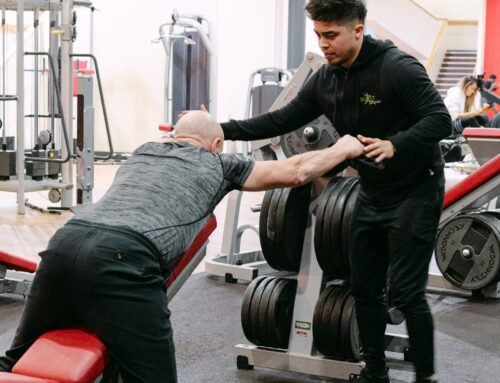
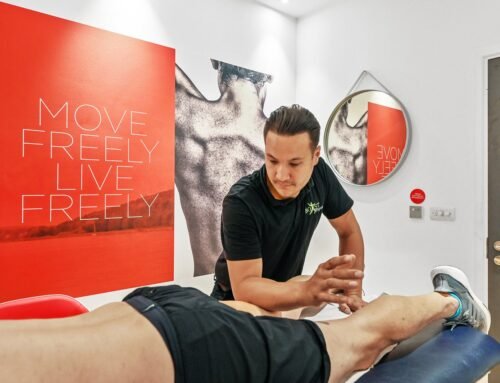
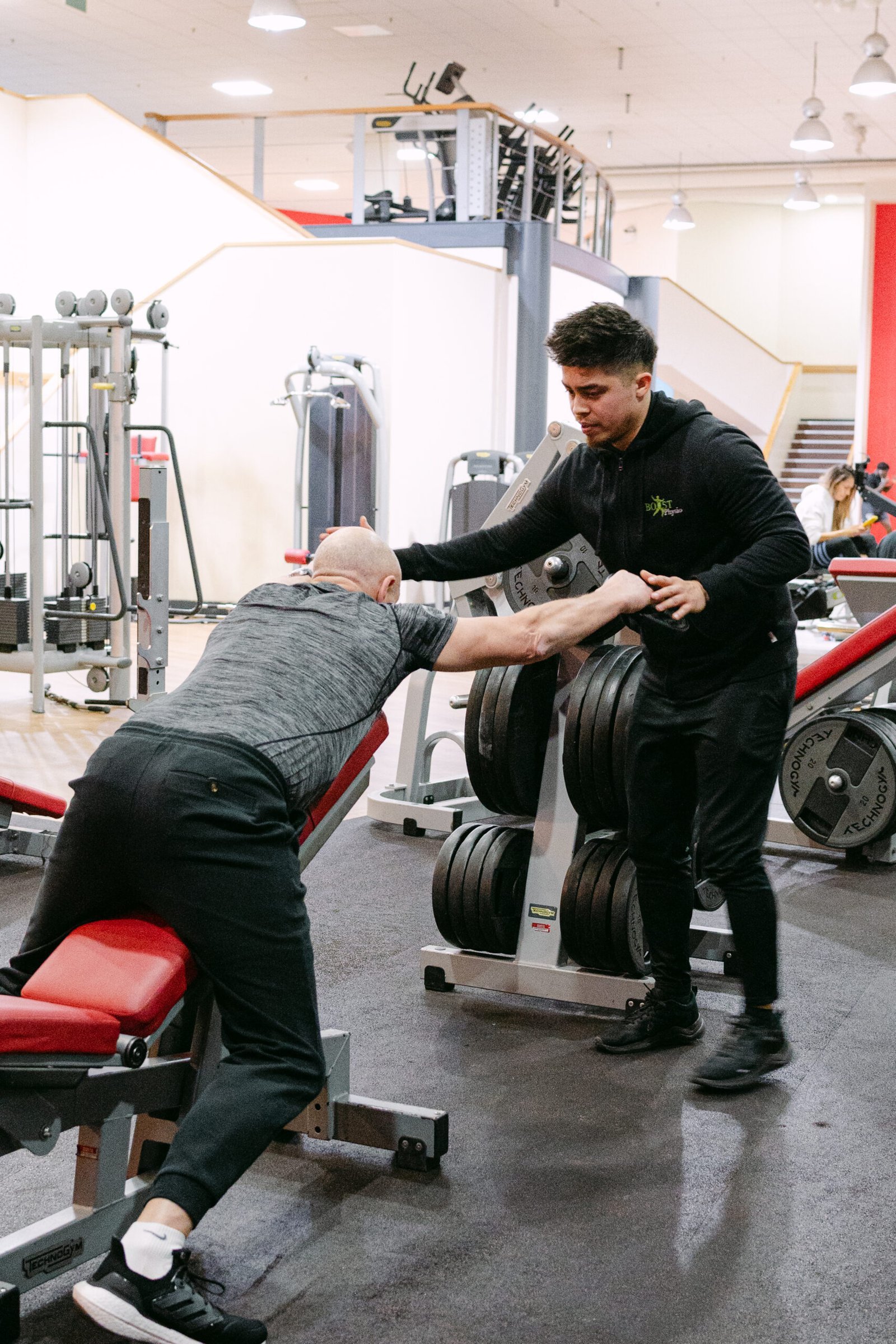
Why is he pushing against a squat rack? An isometric exercise our physios use
Book at our Mill Hill clinic, inside Anytime Fitness
Flower Lane, NW7 2JA. No GP referral needed.
What to do in the first few days
- Keep training the parts that do not hurt, and keep moving the injured area within comfort
- Swap or reduce the exercise that hurts rather than pushing through sharp pain
- Mild discomfort, around 3 out of 10, that settles within 24 hours is usually acceptable
- Avoid complete rest, which often makes the return harder
- Get it checked if it is not improving after a week or two, or if it is getting worse
How we get you back under the bar
| 1. Find the cause | Assessment of the injured area, your movement and your training history |
|---|---|
| 2. Modify, do not stop | A temporary programme that keeps you training around the injury |
| 3. Rebuild | Progressive loading of the injured tissue, often using the same gym equipment you use |
| 4. Return | A planned return to your normal weights and classes, with technique tweaks where needed |
Load
management and progressive strengthening are the core of tendon and muscle injury rehab
Cook and Purdam, Br J Sports Med 2009
~5
sessions is typical for our patients to reach their goals
BOOST PHYSIO patient data
7 days
a week appointments across our clinic group
BOOST PHYSIO
We would much rather keep you training safely than tell you to stop. The gym is usually part of the solution.
Meet your Mill Hill physios
Michael was Lead Academy Physio at Brentford FC and brings that sports background to gym injuries; Zoe and Abbiher both treat sports injuries and rehab after surgery.

Zoe Katz
Senior Physiotherapist
Zoe works at our Mill Hill and Kentish Town clinics, helping patients with rehab after surgery, new injuries and longer-standing pain.

Abbiher Banfield
Senior Physiotherapist
Abbiher brings a holistic approach to sports injuries and surgery rehab at Mill Hill and Borehamwood, combining hands-on care, acupuncture and tailored exercise.
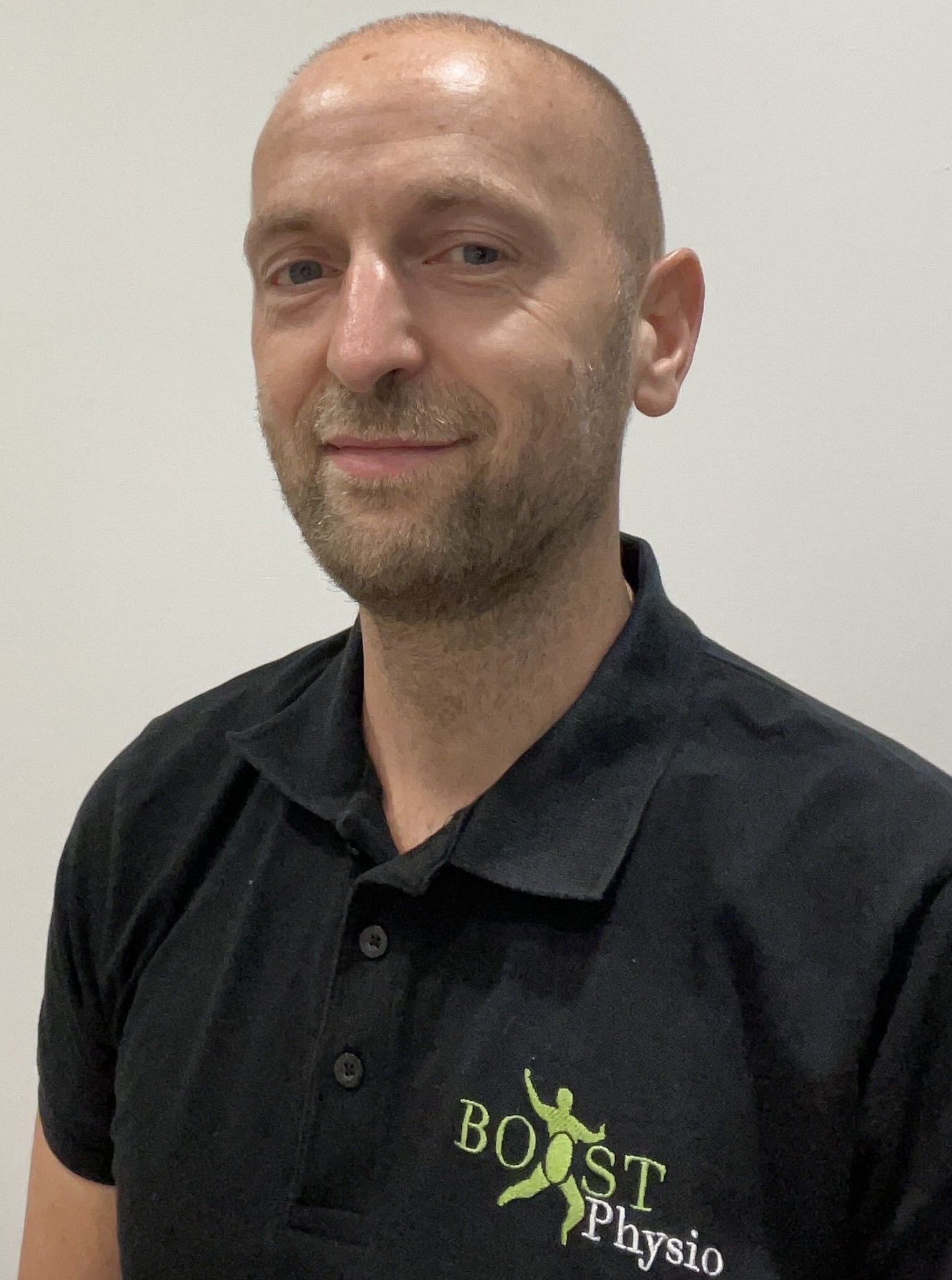
Michael English
Specialist Physiotherapist
Michael was Lead Academy Physio at Brentford FC and now treats patients at our Hendon and Mill Hill clinics, from sports injuries to everyday aches and pains.
What our Mill Hill patients say
★★★★★
“She carefully reviewed every aspect of my pain and tailored both the treatment and exercises to my specific needs.”
★★★★★
“Excellent and remarkably patient, well pitched exercise advice for back pain, helping me rebuild confidence after a particularly stressful phase of life that interrupted regular exercise habits and calls…”
★★★★★
“She has helped me regain confidence in pushing in exercises, knowing what I can and can’t do.”
Watch: gym-based rehab
Short videos from our physios.

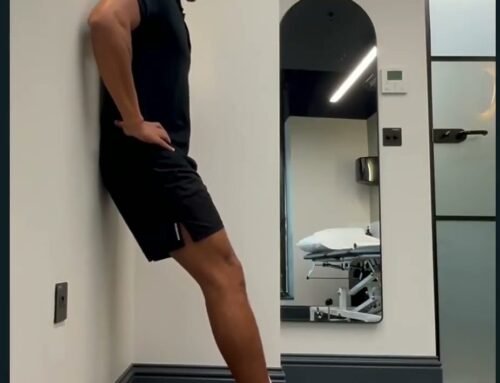
Squat mobility test

Is your ankle affecting your squat?

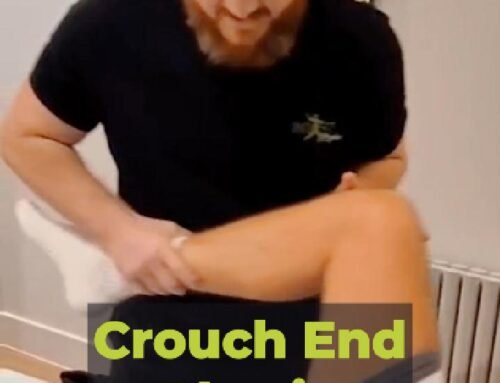
Physio-approved resistance band exercises
One clinic, the experience of a whole team
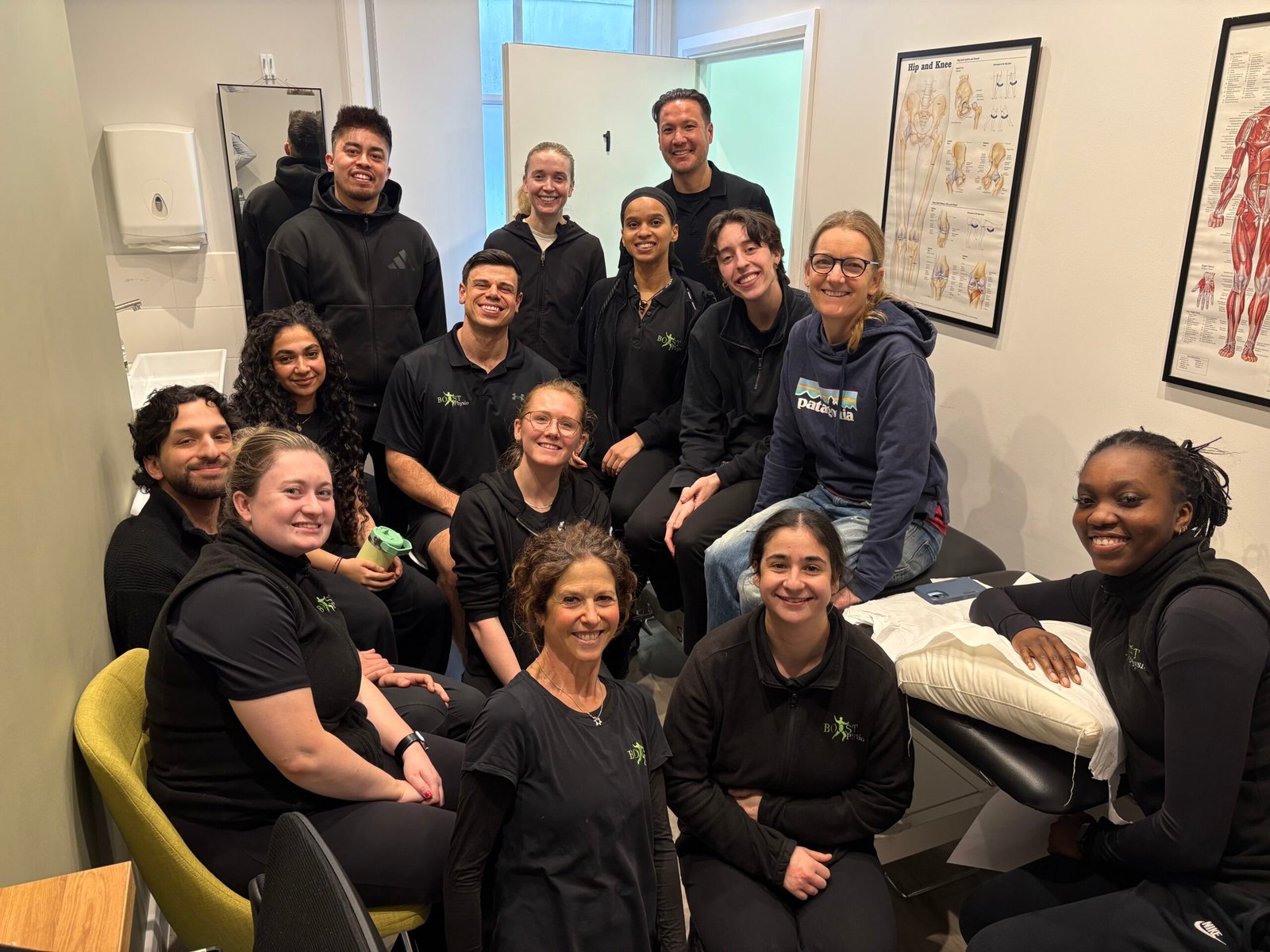
Something our patients don’t always realise is how much support sits behind each physio. Our team trains together twice a month and every physio has a dedicated mentor who reviews cases with them, so when you see us in Mill Hill you get the experience of the whole BOOST PHYSIO group.
- Same day appointments, seven days a week across our clinics
- No GP referral needed
- Recognised by Bupa, AXA Health, Vitality, WPA and Aviva
Prefer another clinic? Book at BOOST PHYSIO Hendon, Borehamwood or Elstree, or read more about our Mill Hill clinic.
Back to training, stronger
Book at BOOST PHYSIO Mill Hill, inside Anytime Fitness on Flower Lane.
Related reading
 Sports physio
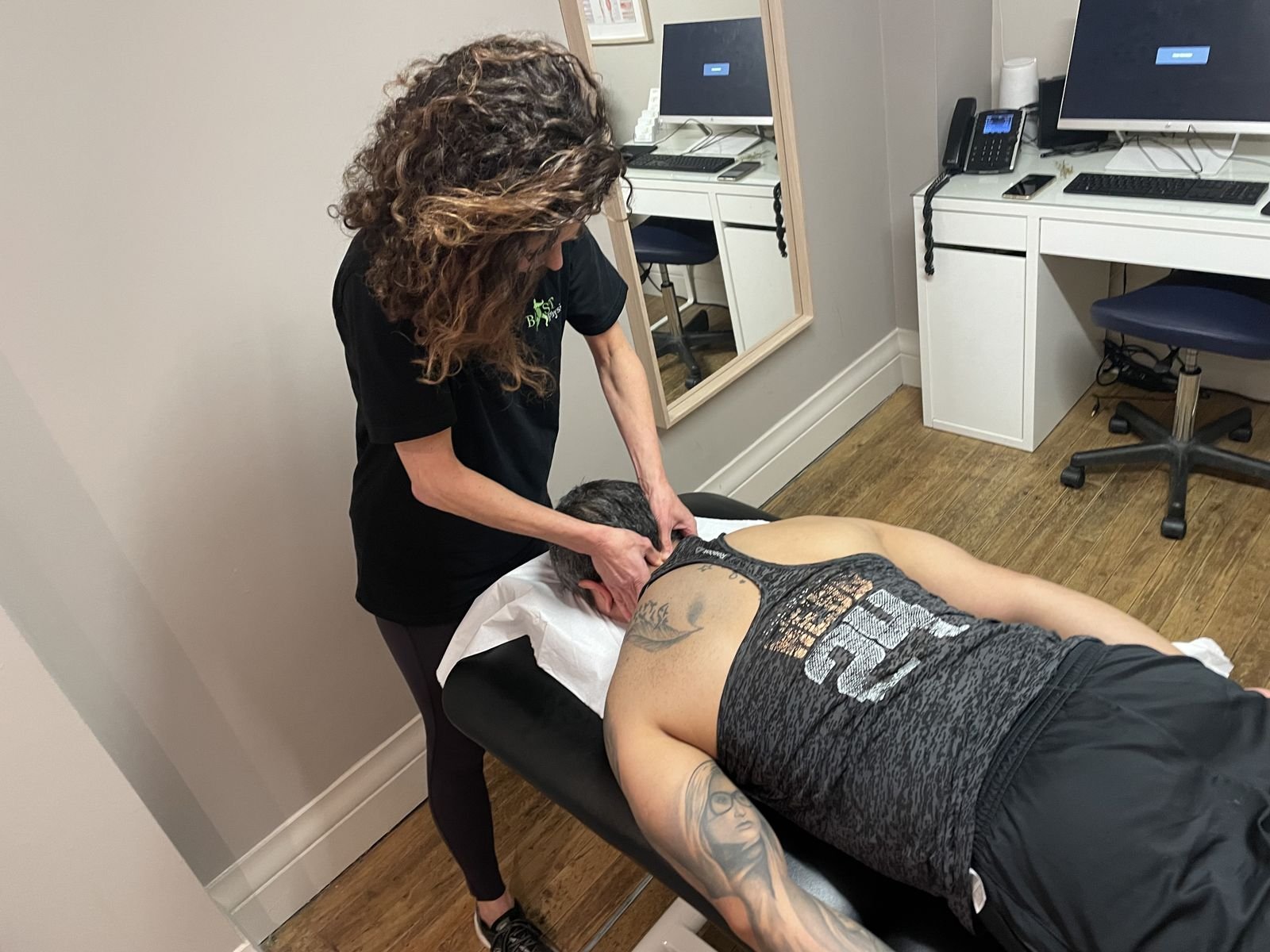 Back pain physio
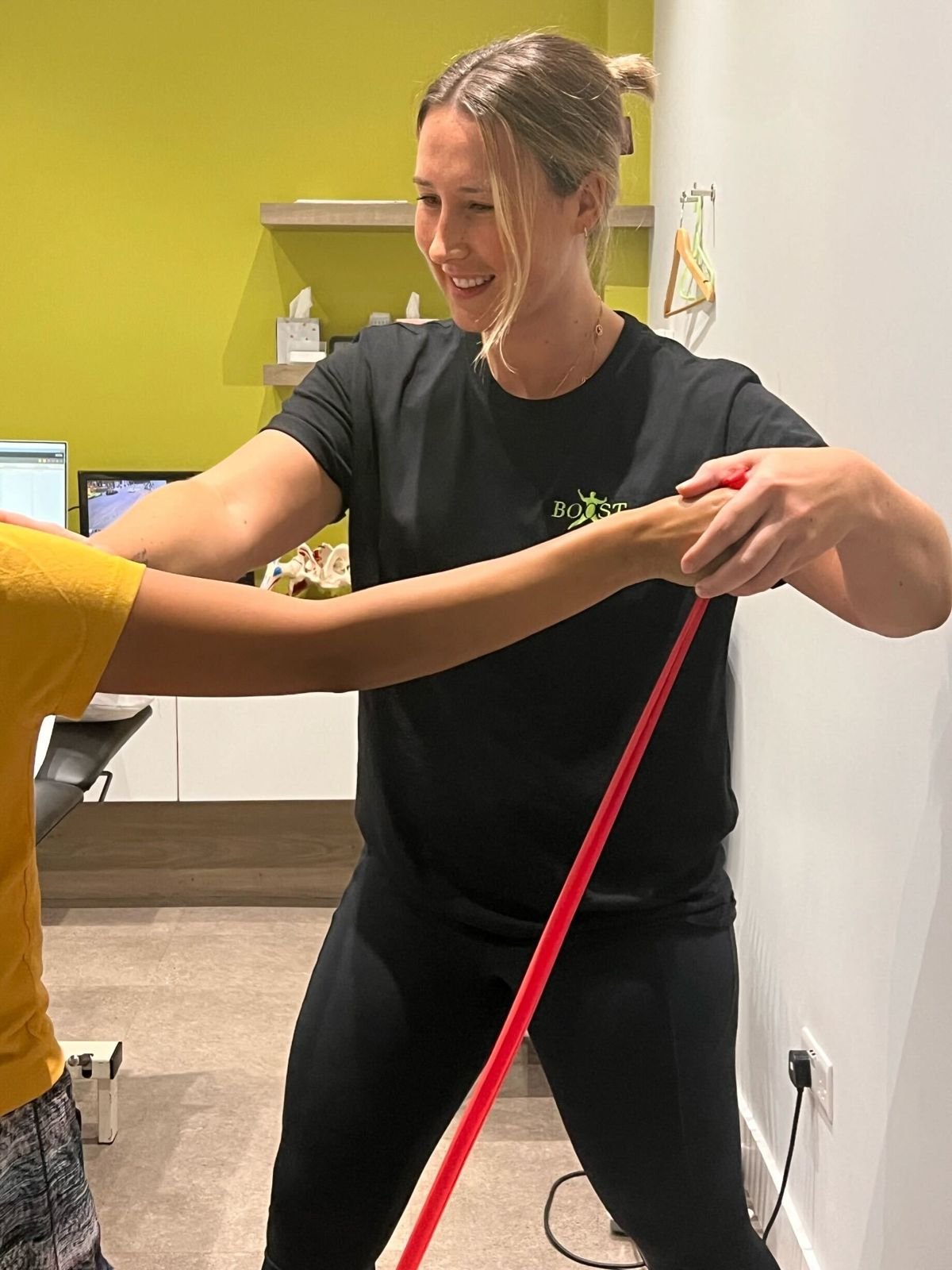 Shoulder pain physio
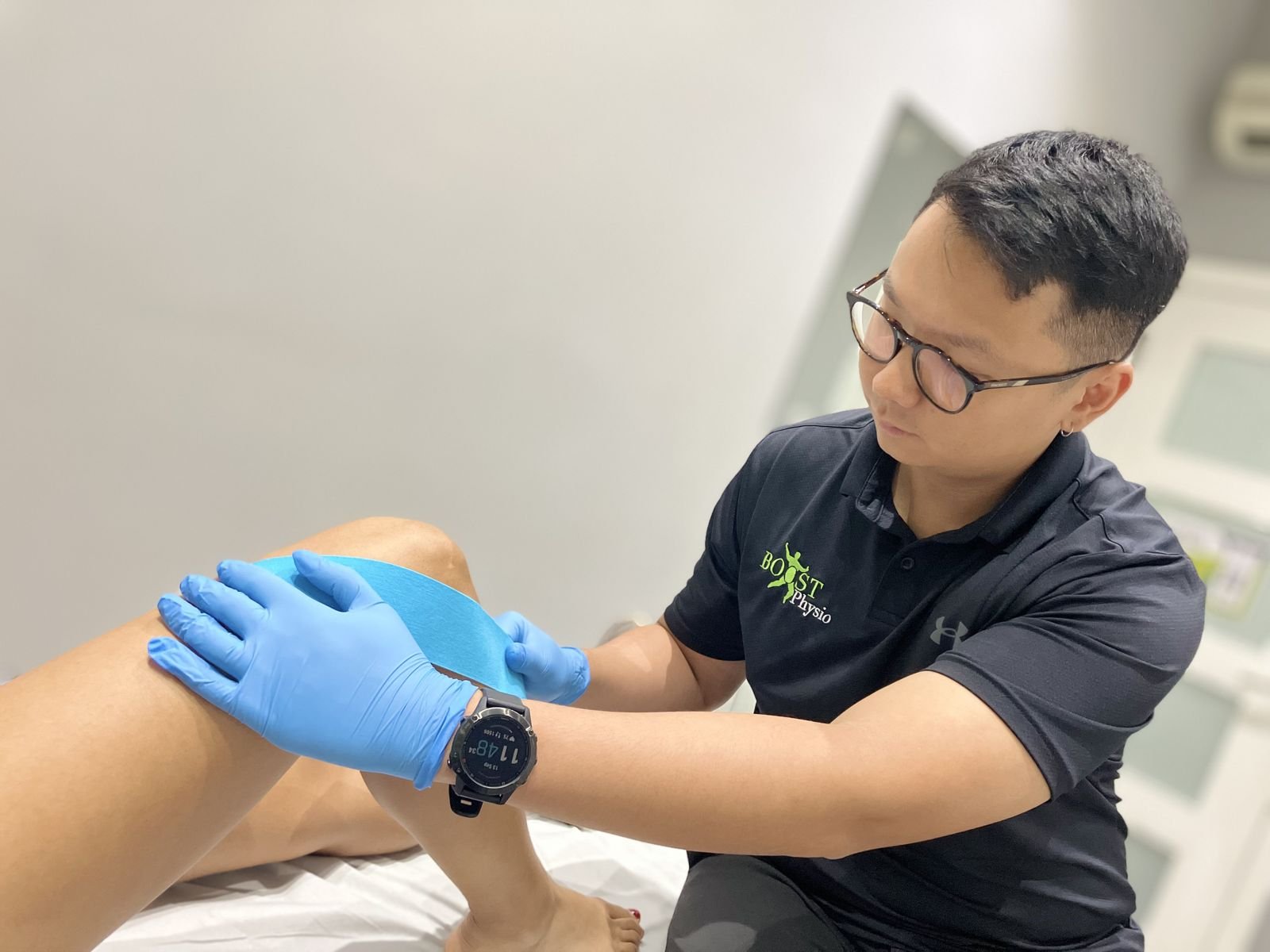 Knee pain physio
 Back to the gym after injuryA holistic approach to physio in Mill Hill
Your questions answered
Where is BOOST PHYSIO Mill Hill?
Inside Anytime Fitness at 1 Flower Lane, Mill Hill, NW7 2JA, close to Mill Hill Broadway.
Should I stop going to the gym if I am injured?
Usually not. Most people can keep training with some changes. We will show you what to modify and what to keep doing.
Can I lift weights with back pain?
Often yes, with the right adjustments to weight, range and exercise choice. Get it assessed if pain travels down your leg or is getting worse.
How long will it take to get back to my normal training?
Minor strains often take 2 to 6 weeks. Tendon problems can take longer. We give you a plan and a realistic timeline at your first visit.
Do I need a GP referral?
No. You can book directly online, by phone or on WhatsApp. If you are claiming on health insurance, check whether your insurer needs a GP referral first.
Can I use my health insurance?
Yes. We are recognised by Bupa, AXA Health, Vitality, WPA and Aviva. Bring your authorisation code to your first appointment.

Written and clinically reviewed by Steven Berkman, BSc Physiotherapy (University of Cape Town), HCPC-registered chartered physiotherapist, MCSP, founder of BOOST PHYSIO in 2008, with Zoe Katz, Abbiher Banfield and Michael English at BOOST PHYSIO Mill Hill. Last reviewed 12 November 2026.
References
- Cook JL, Purdam CR. Is tendon pathology a continuum? Br J Sports Med 2009;43:409-416.
- NICE guideline NG59. Low back pain and sciatica in over 16s. 2016, updated 2020.
- Lewis J. Rotator cuff related shoulder pain: assessment, management and uncertainties. Man Ther 2016;23:57-68.
This article is general information, not a diagnosis. If you are unsure what is causing your symptoms, book an assessment or speak to your GP. If you have severe or rapidly worsening symptoms, call 111 or 999.