
Patient story
Both knees replaced three months apart, now back on the tennis court
How one of our Elstree patients recovered from two total knee replacements, with real videos from her rehab.

Quick answer: Yes, you can make an excellent recovery after having both knees replaced. One of our patients had two total knee replacements about three months apart with consultant orthopaedic surgeon Mr Jonathan Miles. She did her rehab with us at BOOST PHYSIO Elstree, was walking without crutches two weeks after surgery and is now back playing tennis.
Her story: two new knees in three months
When both of your knees need replacing, it’s natural to worry. Will I cope? How long will it take? Will I ever get back to the things I love?
Our patient had both knees replaced by Mr Jonathan Miles, a consultant orthopaedic surgeon at The Wellington Hospital who specialises in knee and hip surgery. Rather than having both done at once, she had them one at a time, about three months apart.
She did her rehabilitation with us at our Elstree clinic in Beaufort House at The Waterfront. That’s the same building as The Wellington Hospital Elstree Waterfront, where Mr Miles also sees patients, so getting from surgeon to physio couldn’t have been easier.
She’s back on the tennis court. We’ve kept her name private, but she let us film parts of her recovery so you can see what it really looks like.
Walking 10 days after a total knee replacement
Two weeks after a total knee replacement
Two weeks after surgery
At two weeks she was walking well without crutches. That’s ahead of what we usually see, as most people still use a stick or crutches at this stage for comfort and support.
You’ll notice her leg is swollen from the ankle to above the knee, with some bruising. That’s normal after a knee replacement. Using an ice compression device helps control the swelling, which in turn eases pain and helps you get your knee moving.
Stiffness is normal too. It can take up to three months to get the flexibility back. Each week you should be getting a little more bend in the knee.
How we planned her rehab
We always follow your surgeon’s guidelines first. Where they fit with our approach, this is how we guide physio after a knee replacement:
- Start early: we see you around 7 days after your operation to check your walking, make sure you are doing the right exercises and look out for complications such as a blood clot (DVT) or wound infection
- One or two sessions a week: until you can manage stairs on your own without a stick and are back driving
- Then work towards your goals: from around 6 to 12 weeks we focus on getting you ready for your hobbies, which for her meant tennis
Then, about three months after the first operation, we did it all again for her second knee. One real advantage of having the knees done one at a time is that by the second operation you have a strong, well rehabilitated knee to lean on.
Every knee replacement recovery is different, but the people who do best start physio early, keep up their exercises between sessions and have a clear goal to work towards. For her, that goal was tennis.
Her recovery at a glance
| Surgery | Total knee replacements on both knees, one at a time |
|---|---|
| Gap between operations | About three months |
| Surgeon | Mr Jonathan Miles, consultant orthopaedic surgeon, The Wellington Hospital |
| Physio | BOOST PHYSIO Elstree WD6 |
| Result | Walking without crutches at two weeks and back playing tennis |
Both knees at once or three months apart?
Some people have both knees replaced in the same operation. Others, like our patient, have them staged weeks or months apart. Which is right for you is a decision for you and your surgeon, based on your health and your circumstances.
Both at the same time
Simultaneous bilateral
One anaesthetic, one hospital stay and one recovery period. A meta-analysis found a higher rate of serious complications, than staging, so surgeons select patients carefully.
One at a time
Staged bilateral
Two operations with a recovery in between. Large studies suggest staged operations carry similar risks to a single knee replacement and the gap between them does not seem to change how well the second knee does.
Either way
What matters most
Good rehab. We have helped many patients through both routes, including people who had both knees done in one operation, who have gone on to make excellent recoveries.
If you’ve had both knees replaced at once, the early weeks are harder because you have no “good leg” to rely on. That’s when hands-on support and a carefully paced exercise plan make the biggest difference.
Every tool for your best recovery
At BOOST PHYSIO, we believe your best recovery comes from having every tool available, not relying on just one. Our physiotherapists combine hands-on treatment with exercise rehabilitation built around you, then adjust it as you progress.
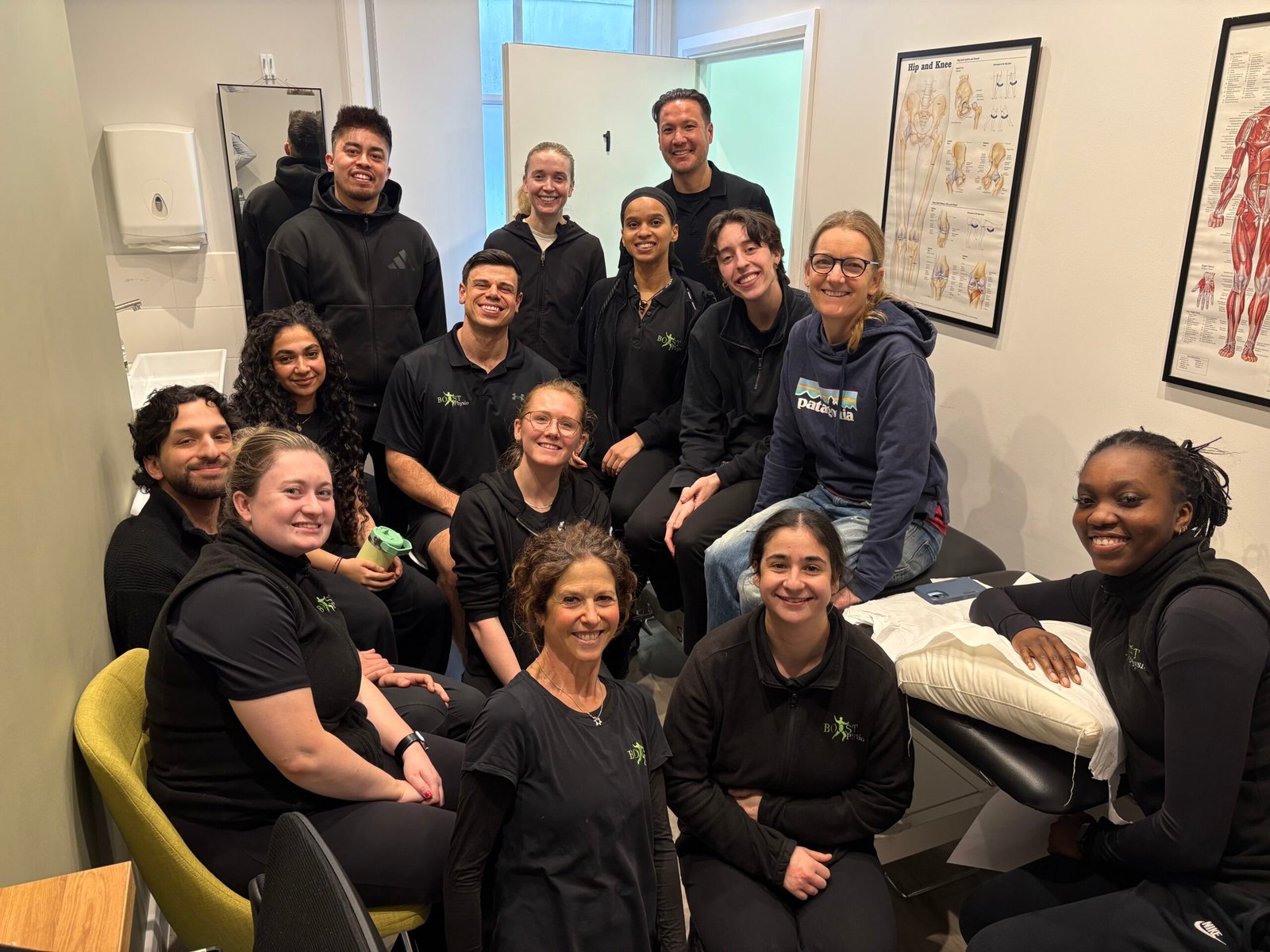
Something our patients don’t always realise is how much support sits behind each physio. Our team trains together twice a month and every physio has a dedicated mentor who reviews cases with them, so when you see us in BOOST PHYSIO you get the experience of the whole team.
- Same day appointments, seven days a week
- No GP referral needed to book
- Treatment recognised by Bupa, AXA Health, Vitality, WPA and Aviva
Live near Elstree, Borehamwood, Radlett, Bushey, Stanmore or Edgware? Our Elstree and Borehamwood clinics in WD6 are both close by. We help people recover from knee replacements across our network of clinics in North London and Hertfordshire.
Having one or both knees replaced?
Start your rehab with a team that has helped many people get back to walking, driving and the sports they love. No GP referral needed.
Related reading
 Physio after knee replacement: when to start and how often
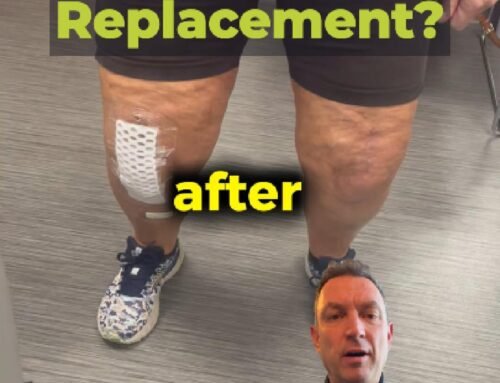
 Total knee replacement: what to expect after surgery
 Rehab after surgery close to home
Your questions answered
Can you have both knees replaced at the same time?
Yes. Some surgeons replace both knees in one operation, called a simultaneous bilateral knee replacement. Research suggests it carries a higher risk of serious complications than having the knees done separately, so your surgeon will decide whether it suits you. We help patients recover after both approaches.
How long should you wait between two knee replacements?
There’s no single right answer and your surgeon will advise you. Studies comparing different gaps between staged knee replacements found the interval did not affect early complications or how well the second knee worked. Our patient had her operations about three months apart.
Is recovery from the second knee replacement the same as the first?
Usually very similar. A University of Oxford study of 328 patients with both knees replaced found most people reached a comparable score in both knees, whatever the gap between operations. Many people also find the second time easier because they know what to expect.
Can you play tennis after a knee replacement?
Many people can, once their surgeon is happy. Our patient is back playing tennis after having both knees replaced. We usually start preparing you for sport and hobbies from around 6 to 12 weeks, once you’re walking, managing stairs and driving.
When should I start physio after a knee replacement?
Always follow your surgeon’s guidance first. Where it fits, we like to see you around 7 days after your operation, then one or two sessions a week until you can manage stairs without a stick and are back driving.
Do I need a GP referral and can I use my insurance?
No GP referral is needed to book with BOOST PHYSIO. We are recognised by Bupa, AXA Health, Vitality, WPA and Aviva. Check with your insurer whether your policy covers physio after surgery.
Her name has been kept private. Every recovery is different, so always follow your own surgeon’s guidance. Sources: University of Oxford NDORMS, outcomes of 656 bilateral total knee replacements (simultaneous and staged); meta-analysis of simultaneous versus staged bilateral total knee arthroplasty (PMC3640720); The Ideal Timing of Bilateral Total Knee Arthroplasty: Simultaneous Versus Staged, Archives of Bone and Joint Surgery (PMC10989730); BMC Surgery 2024, interval between staged bilateral total knee arthroplasty and outcomes.