Physiotherapy for osteoporosis and osteopenia
Your bones respond to load. The right weight bearing and resistance exercise, plus better strength and balance, can help protect you from the fall that causes a fracture.
★★★★★ 4.9 from 1,400+ Google reviews across our 13 clinics
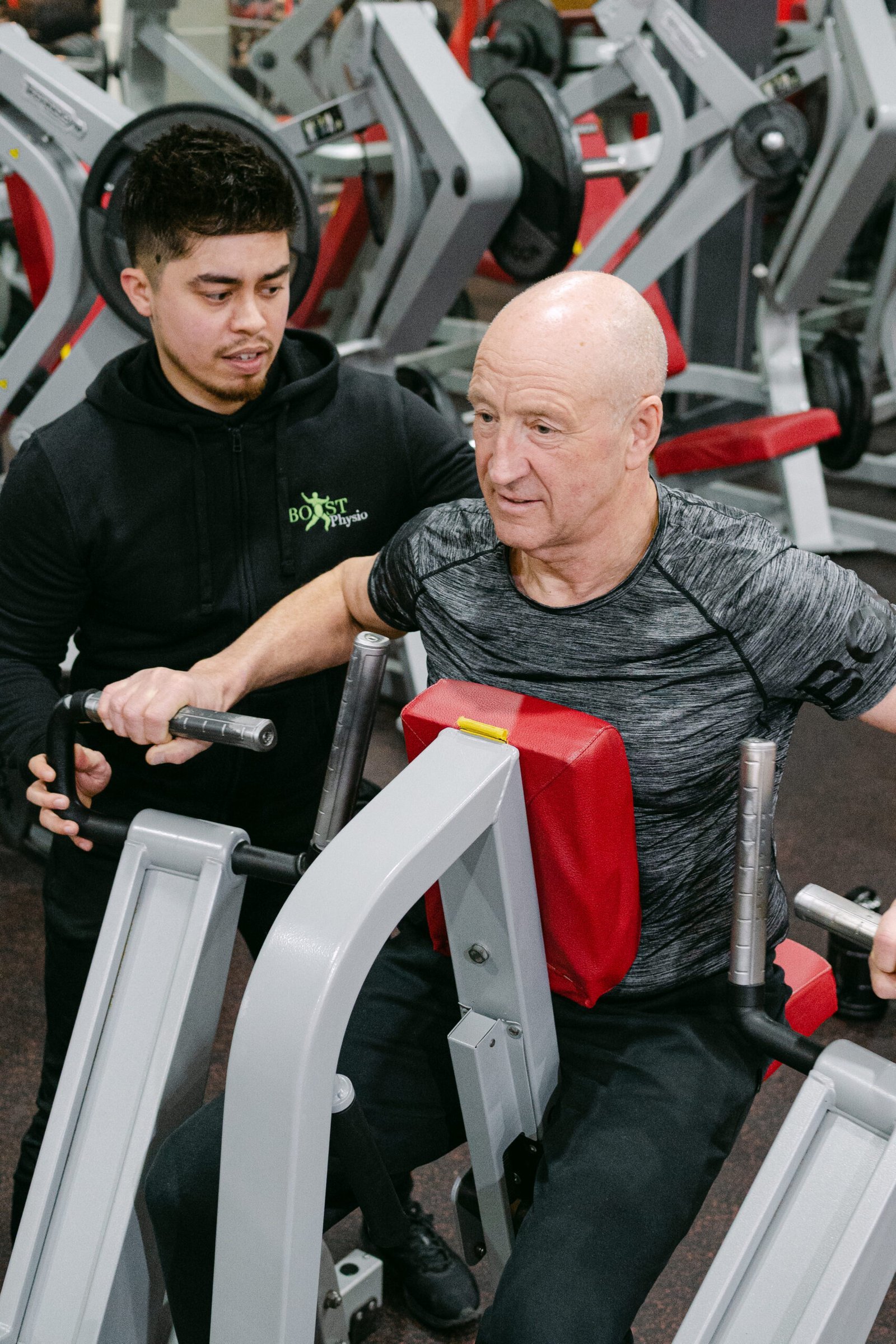
Quick answer: The best exercise for osteoporosis and osteopenia combines three things: progressive resistance training 2-3 days a week, weight bearing or moderate impact exercise (building up to about 50 impacts) on most days and strength and balance work to prevent falls. Most fractures happen after a fall, so staying strong and steady matters as much as your bone density score.
What is the difference between osteopenia and osteoporosis?
Both describe bones that have lost some of their density. A DEXA (bone density) scan compares your bones with those of a healthy young adult and gives you a T-score. Osteopenia is the stage before osteoporosis: your bones are thinner than average, but not thin enough to be called osteoporosis.
| Normal bone density | T-score of -1 or above |
|---|---|
| Osteopenia | T-score between -1 and -2.5 |
| Osteoporosis | T-score of -2.5 or below |
| Severe (established) osteoporosis | T-score of -2.5 or below plus one or more fragility fractures |
| How it’s measured | DEXA scan, usually of the hip and lower spine, arranged by your GP or consultant |
We often meet people who were told they have “thin bones” and then stopped doing the things they love, worried they might break something. Please don’t! The national guidance is clear that the message should be how to exercise, not what to avoid.
3.5m
people in the UK are estimated to have osteoporosis
Royal Osteoporosis Society
1 in 2
women over 50 will break a bone because of osteoporosis (1 in 5 men)
Royal Osteoporosis Society
500,000+
fragility fractures every year in the UK, about one a minute
Royal Osteoporosis Society
Which exercises are best for your bones?
Bone is living tissue. It gets stronger when the muscles pulling on it and the forces going through it are a bit more than it’s used to. That’s why gentle stretching or swimming alone, lovely as they are, don’t do much for bone density. Your bones need two kinds of load: weight bearing impact and muscle resistance.
| Type of exercise | What it does | Examples | How often |
|---|---|---|---|
| Resistance (strength) training | Muscles pull on bone and stimulate it to strengthen | Squats, sit to stands, lunges, step-ups, leg press, rows, weights or bands | 2-3 days a week, 3 sets of 8-12 reps of a weight that feels hard |
| Weight bearing and impact | Ground forces travel through hips and spine | Heel drops, low jumps, skipping, jogging, dancing, brisk walking uphill | Most days, building up to about 50 impacts |
| Balance and strength | Makes you steadier so you are less likely to fall | Single leg standing, tandem walking, step-ups, Tai Chi | At least 2 days a week, as part of your routine |
| Spine (posture) strength | Strengthens the back extensor muscles that support your posture | Back extensions, rows, ‘superman’ lifts | 2-3 days a week |
The weight matters. In the LIFTMOR trial, postmenopausal women with osteopenia and osteoporosis did 30 minutes of supervised heavy lifting and impact training twice a week for 8 months. Their spine and hip bone density and their physical function improved more than a group doing low intensity home exercise and the supervised programme was safe. The key word is supervised: heavy lifting is built up step by step with good technique.
If you’ve had a spinal fracture, are frail or are new to exercise, the guidance is to start lower, with up to 20 minutes of low impact weight bearing such as walking on most days and build up. That’s where a physio can help you find your starting point. Our sarcopenia exercises are a good place to see the kind of leg strengthening we mean.
Worried about your bones or your balance?
WhatsApp us your question, call or book online at any of our 13 clinics.
Why does falls prevention matter so much?
Here’s the part people often miss. Osteoporosis itself doesn’t hurt. It’s the fracture that changes lives and most fractures in older adults happen after a fall. About 95% of hip fractures are caused by falling, usually sideways. So a lower T-score matters most when it’s combined with weak legs, poor balance or a fear of falling.
The good news is that falls are not an inevitable part of getting older. A large Cochrane review of 108 trials found that exercise cuts the rate of falls by around a quarter and programmes built on balance and functional exercise worked best. NICE’s 2025 falls guideline recommends a falls prevention exercise programme for people who have fallen and have a gait or balance problem.
1 in 3
people aged 65 and over fall at least once a year (half of those over 80)
NICE NG249, 2025
95%
of hip fractures are caused by falls
CDC
23%
fewer falls in people who do falls prevention exercise
Cochrane review, 2019
Strong legs and good balance are your best insurance policy against a broken hip.
We’ve written more about this in how to reduce your risk of falls and physiotherapy to improve balance and our strength and balance physio for older adults page explains how we work with you.
When to see a doctor first
- Sudden back pain after a minor strain, cough or lift – it may be a spinal (vertebral) fracture
- Losing height or a back that is becoming more rounded
- A fall where you hurt yourself, couldn’t get up or hit your head
- You can’t put weight through a leg after a fall – go to A&E
- Repeated falls, dizziness or blackouts
Is it safe to exercise with osteoporosis?
Yes, for almost everyone. The UK consensus statement Strong, Steady and Straight (endorsed by the Royal Osteoporosis Society) says the benefits of exercise outweigh the risks and that people with osteoporosis should be encouraged to be active, not told to stop. What changes is how you do some movements.
- Bend from your hips – when lifting, keep your back straight and bend at the hips and knees rather than rounding your spine
- Go easy on loaded twisting – avoid repeated, fast twisting or deep forward bending while holding weight, especially if you’ve had a spinal fracture
- Build up gradually – add weight, impacts or difficulty a little at a time and let your body adapt
- Expect some muscle ache – feeling it the next day is normal; sharp or worsening bone pain is not
- Keep your medication – exercise works alongside the bone treatment your GP or consultant recommends, not instead of it
How we help you build stronger bones at BOOST PHYSIO
Every week our physios help people with osteopenia and osteoporosis feel confident exercising again, from people who’ve just had their first DEXA result to those recovering from a wrist, hip or spinal fracture. Many come to us worried. Most leave with a clear plan and the reassurance that they can still walk, garden, hike, play with the grandchildren and lift weights.
Your first appointment starts with your story: your scan results, any fractures, falls or near misses, your medication and what you want to get back to. Then we test what matters. That usually includes the 30-second sit to stand test for leg strength, single leg and eyes closed balance tests, walking and the timed up and go, grip strength and your posture and back strength.
From there we build a progressive programme with you: leg and hip strengthening, impact work pitched at the right level, balance training and back extensor exercises, with hands-on treatment where pain is holding you back. We review and progress it every visit and give you a home programme you can actually stick to. If you’re planning a walking holiday, we’ll get your legs ready for the hills too. On average our patients reach their goals in around 5 sessions and many keep coming back for a check-up and a new set of exercises.
You don’t need a GP referral. We’re open 8am-9pm with weekend appointments across 13 clinics in North London and Hertfordshire and our chartered, HCPC-registered physios are recognised by Bupa, AXA Health, Vitality, WPA and Aviva. If you’d like to know what to expect, read what happens at your first physio appointment.
How can you get started at home this week?
If you’re not doing much at the moment, start here. Do these 2-3 times a week, near a kitchen worktop or a sturdy chair for support.
- Sit to stand – stand up from a chair without using your hands, 10 times, then sit down slowly
- Calf raises and heel drops – rise up onto your toes, then drop onto your heels with a gentle thud, building towards 50 impacts across the day
- Step-ups – step up onto the bottom stair, leading with alternate legs, 10 each side
- Single leg balance – hold onto the worktop, lift one foot and hold for 10-30 seconds
- Back extensions – lie on your front and gently lift your head and shoulders, or press your back against a wall and stand tall
- Brisk walking – on most days, including some hills or stairs if you can
If any of these feel too easy, that’s great news – it means you’re ready for more load and that’s exactly where a physio-guided programme makes the difference. Our videos below show some of these exercises, including the ones we use to prepare people for hiking.
What our patients say
★★★★★
“Abbiher Banfield is a most qualified physiotherapist and has overseen my rehab following a bad fall on my left side about 4+ months ago.”
★★★★★
“Rebecca has been carefully working on my arms and providing targeted exercises according to the different stages of my bones healing, and to gradually restore movement of my arms.”
Watch: strength, balance and falls prevention exercises
Short videos from our physios on leg strengthening, preparing for hiking and avoiding falls.

Jason’s strengthening exercises to prepare for hiking

Sarah’s 3 exercises for walks on uneven ground

Setareh’s 3 exercises to prevent falls and improve balance

Maddy’s exercise to reduce your risk of falls

Jason’s 30-second sit to stand test for leg strength
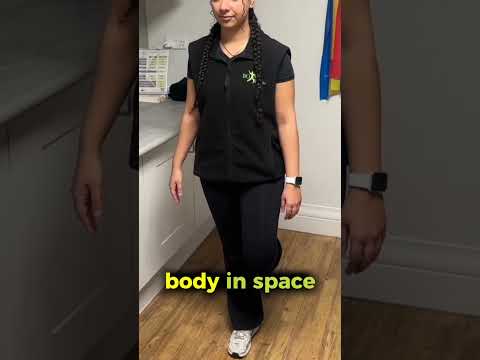
A balance test you can try at home
Got a question about your own recovery? Send it to our physios.
Get help at your nearest BOOST PHYSIO clinic
We help people with this at all 13 of our clinics across North London and Hertfordshire. Choose your nearest clinic to see the team, opening times and how to find us, or book straight in.
Ready to feel strong and steady again?
Same day appointments, no GP referral needed, 13 clinics across North London and Hertfordshire.
Related reading
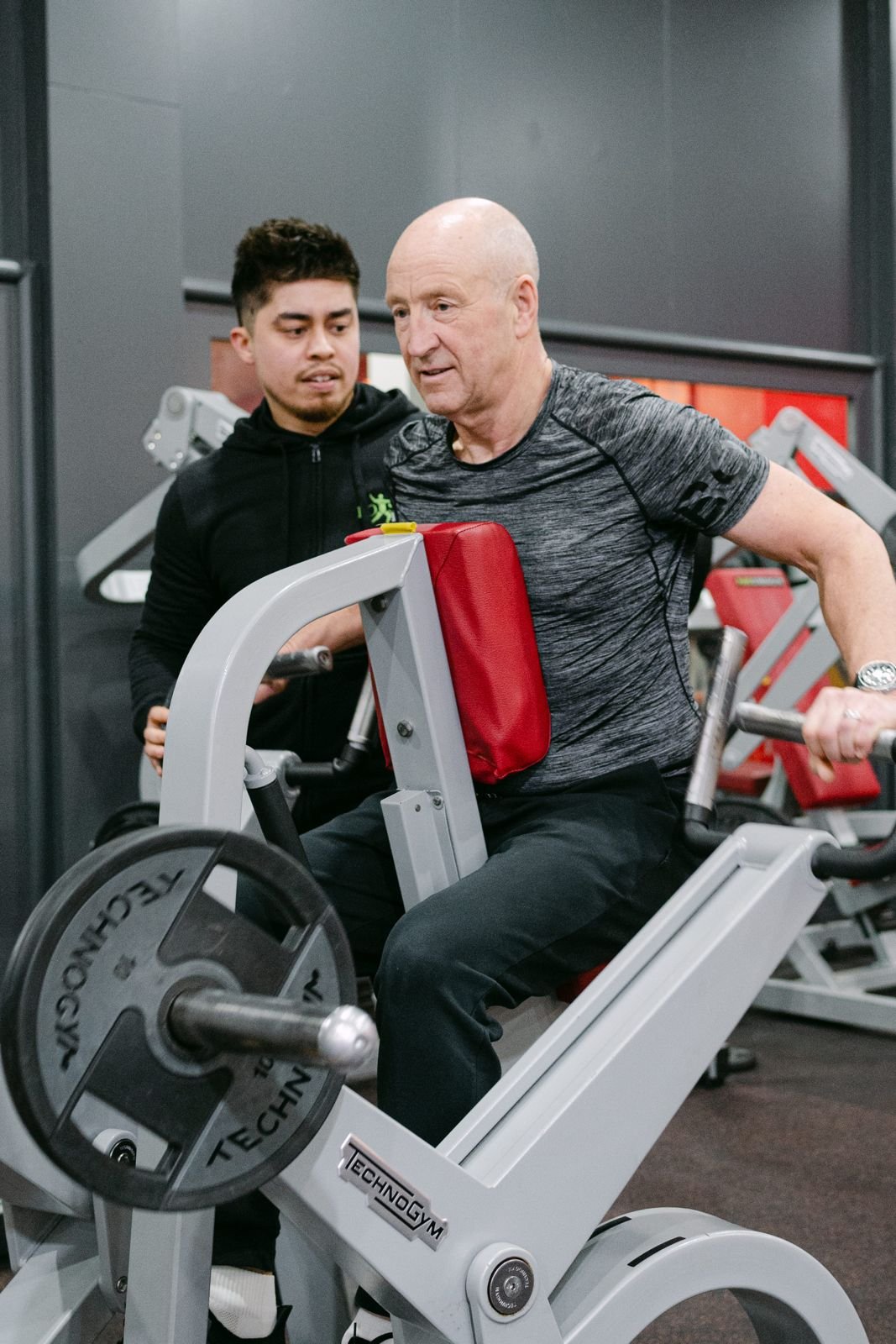 Strength and balance physio for older adults
 How to reduce your risk of falls
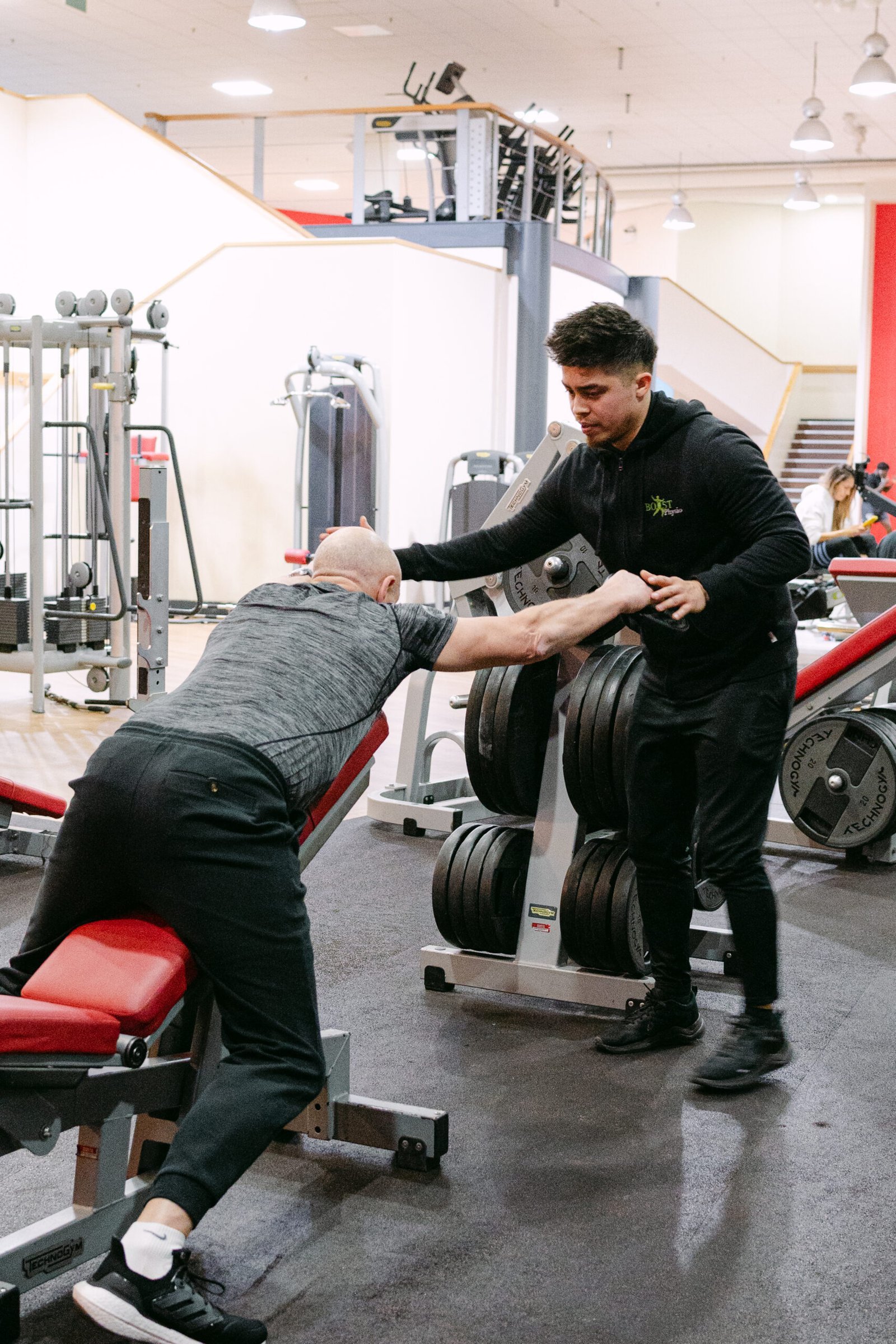 Sarcopenia exercises to prevent and reverse muscle loss
 Physio after a fracture
Your questions answered
Can exercise reverse osteoporosis?
Exercise can help maintain bone density and, with the right load, improve it a little, as the LIFTMOR trial showed. Its biggest benefit is making you stronger and steadier, which lowers your chance of the fall that causes a fracture. Many people also need bone medication, so keep working with your GP or consultant.
Is walking enough for osteoporosis?
Walking is a great start and better than sitting, but on its own it’s usually not enough load for your bones. Add resistance exercise 2-3 times a week and some impact work, such as heel drops or brisk uphill walking and include balance exercises to cut your falls risk.
Can I still do yoga or Pilates with osteoporosis?
Yes, both can help your balance, strength and posture. If you’ve had a spinal fracture or have osteoporosis in your spine, avoid repeated deep forward bends and forced twisting and tell your instructor. Pair them with resistance and impact exercise for your bones.
Can I go hiking if I have osteopenia or osteoporosis?
Yes. Walking on hills and uneven ground is good for your bones and balance. Prepare with leg strengthening, step-ups and balance work for a few weeks beforehand, wear supportive boots and consider walking poles on steep descents. Our hiking preparation videos show the exercises we use.
Do I need a GP referral to see a physio for osteoporosis?
No. You can book directly with BOOST PHYSIO online, by phone or by WhatsApp, often the same day. If you’re insured with Bupa, AXA Health, Vitality, WPA or Aviva, check whether your policy needs a GP referral or an authorisation number first.

Written and clinically reviewed by Steven Berkman, BSc Physiotherapy (University of Cape Town), HCPC-registered chartered physiotherapist, MCSP, founder of BOOST PHYSIO in 2008, with the BOOST PHYSIO physiotherapy team. Last reviewed 26 November 2026. This article is general information and doesn’t replace advice from your own doctor, surgeon or physio.
References
- Brooke-Wavell K, et al. Strong, steady and straight: UK consensus statement on physical activity and exercise for osteoporosis. Br J Sports Med. 2022;56(15):837-846.
- Royal Osteoporosis Society. Key facts and statistics (media toolkit). theros.org.uk, accessed November 2026.
- Watson SL, et al. High-intensity resistance and impact training improves bone mineral density and physical function in postmenopausal women with osteopenia and osteoporosis: the LIFTMOR randomized controlled trial. J Bone Miner Res. 2018;33(2):211-220.
- Sherrington C, et al. Exercise for preventing falls in older people living in the community. Cochrane Database Syst Rev. 2019;1:CD012424.
- NICE. Falls: assessment and prevention in older people and in people 50 and over at higher risk (NG249). April 2025.
- Centers for Disease Control and Prevention. Keep on your feet: preventing older adult falls. cdc.gov.
- NHS. Osteoporosis: diagnosis. nhs.uk.