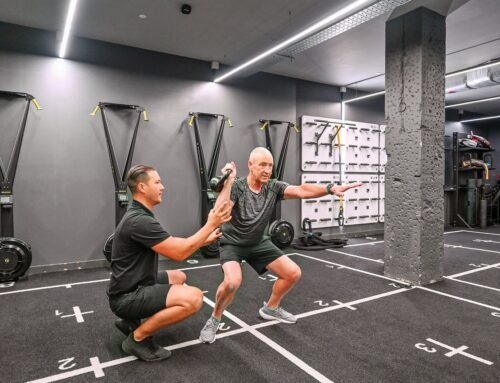
Knee arthritis: physio or knee replacement?
Being told you have “wear and tear” in your knee can feel like the start of a countdown to surgery. For most people it isn’t. Exercise is the first treatment for knee arthritis and it works.
★★★★★ 4.9 from 1,400+ Google reviews across our 13 clinics
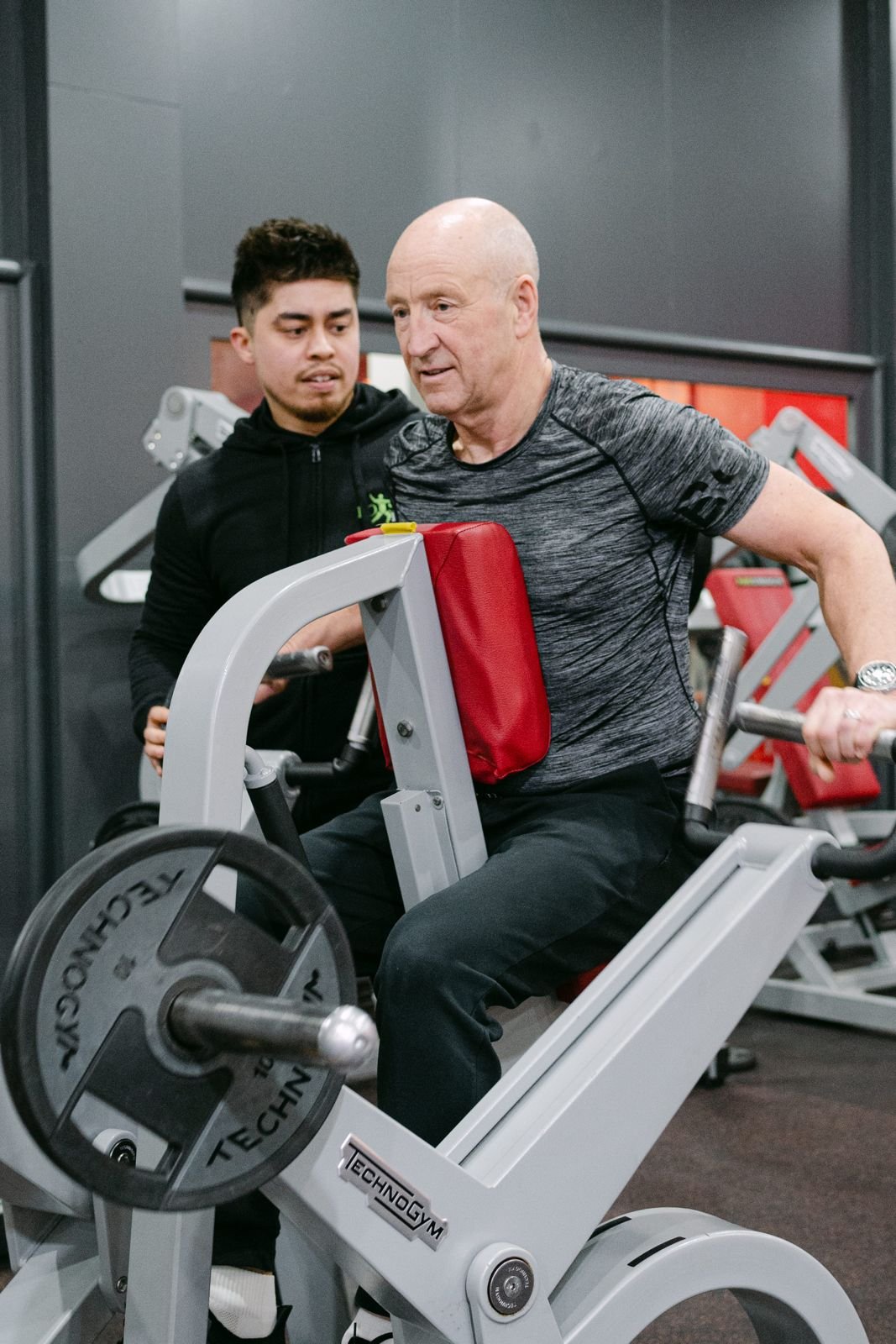
Quick answer: Physio and exercise should come first for most people with knee arthritis. NICE (NG226) recommends exercise and weight management as core treatments. In a NEJM trial (Skou 2015), only 26% of people given a structured exercise and education programme went on to have a knee replacement within 12 months. Surgery is worth discussing when pain stays severe and limits your life despite a good 3-month programme.
Can physio really help knee arthritis?
Yes. Strengthening the muscles around your knee, especially your thigh and hip muscles, reduces the load on the joint and eases pain. Education about arthritis also helps, because understanding that movement is safe makes people more active and being active reduces pain.
Core
exercise is a core treatment for every person with knee OA
NICE NG226, 2022
26%
of the exercise group had a knee replacement within 12 months
Skou et al, NEJM 2015
8-12 weeks
typical length of a structured programme such as GLA:D
GLA:D
| Exercise and education first | Knee replacement | |
|---|---|---|
| Who it suits | Most people with knee arthritis, at any stage | People with severe symptoms despite good non-surgical treatment |
| Evidence | NICE core treatment; reduces pain and improves function | Larger improvement on average in the Skou trial, with more complications |
| Time to benefit | Usually 8 to 12 weeks of regular exercise | Around 3 months for most daily activities, up to a year to settle fully |
| Risks | Temporary soreness | Surgical risks such as infection, blood clots and stiffness |
| Keeps options open? | Yes and being stronger helps if you have surgery later | Ongoing rehab still needed |
Programmes such as GLA:D, which combine education and supervised exercise, have helped thousands of people with knee and hip arthritis reduce their pain. Our arthritis physio page explains our approach.
Do I need an X-ray to know I have knee arthritis?
Usually not. NICE says osteoarthritis can be diagnosed without imaging if you are 45 or over, have activity-related joint pain and either no morning stiffness or stiffness that lasts 30 minutes or less. What an X-ray shows often doesn’t match how much pain you have, so it shouldn’t decide your treatment on its own.
| Typical signs | Pain on walking, stairs or getting up, stiffness after rest, sometimes swelling or grinding |
|---|---|
| Less typical | Morning stiffness for over an hour, hot red swollen joints, pain at rest at night: needs a doctor’s review |
| Who’s at risk | People over 45, previous knee injury, higher body weight, family history |
This matters because many people are told they have “bone on bone” from an X-ray and then stop doing things they love. The X-ray picture and how your knee feels often don’t match closely. Plenty of people with marked changes on an X-ray walk, garden and play golf with little pain, while others with mild changes struggle. What you can do and how strong your legs are, tells us far more about how you’ll get on.
Knee arthritis holding you back?
WhatsApp us your question, call 020 8201 7788 or book online at any of our 13 clinics across North London and Hertfordshire, often the same day.
What does a good knee arthritis programme look like?
- Strength: sit to stands, step ups, leg press and bridges, 2 to 3 times a week
- Movement: regular walking, cycling or swimming to keep the joint moving
- Weight: for people carrying extra weight, even modest weight loss reduces knee load
- Pacing: spreading activity through the day rather than doing it all at once
- Hands-on treatment: can ease pain short term while you build strength
Give it a fair trial. Most people need about 8 to 12 weeks of regular exercise to feel the benefit. Mild discomfort during exercise is normal and safe if it settles within 24 hours.
Strong muscles are the best knee support you’ll ever have.
When is it time to think about a knee replacement?
NICE recommends considering referral for joint surgery when joint symptoms have a substantial impact on quality of life and non-surgical treatment hasn’t helped enough. Signs to talk to your GP or a consultant include:
- Severe pain most days despite a good exercise programme
- Pain waking you most nights
- Walking distance shrinking to a few minutes
- Your knee is giving way or becoming deformed
If you do have surgery, being stronger beforehand helps your recovery. Our knee replacement rehab page covers prehab and rehab week by week and our guide to physio after knee replacement explains when to start.
How we help knee arthritis at BOOST PHYSIO
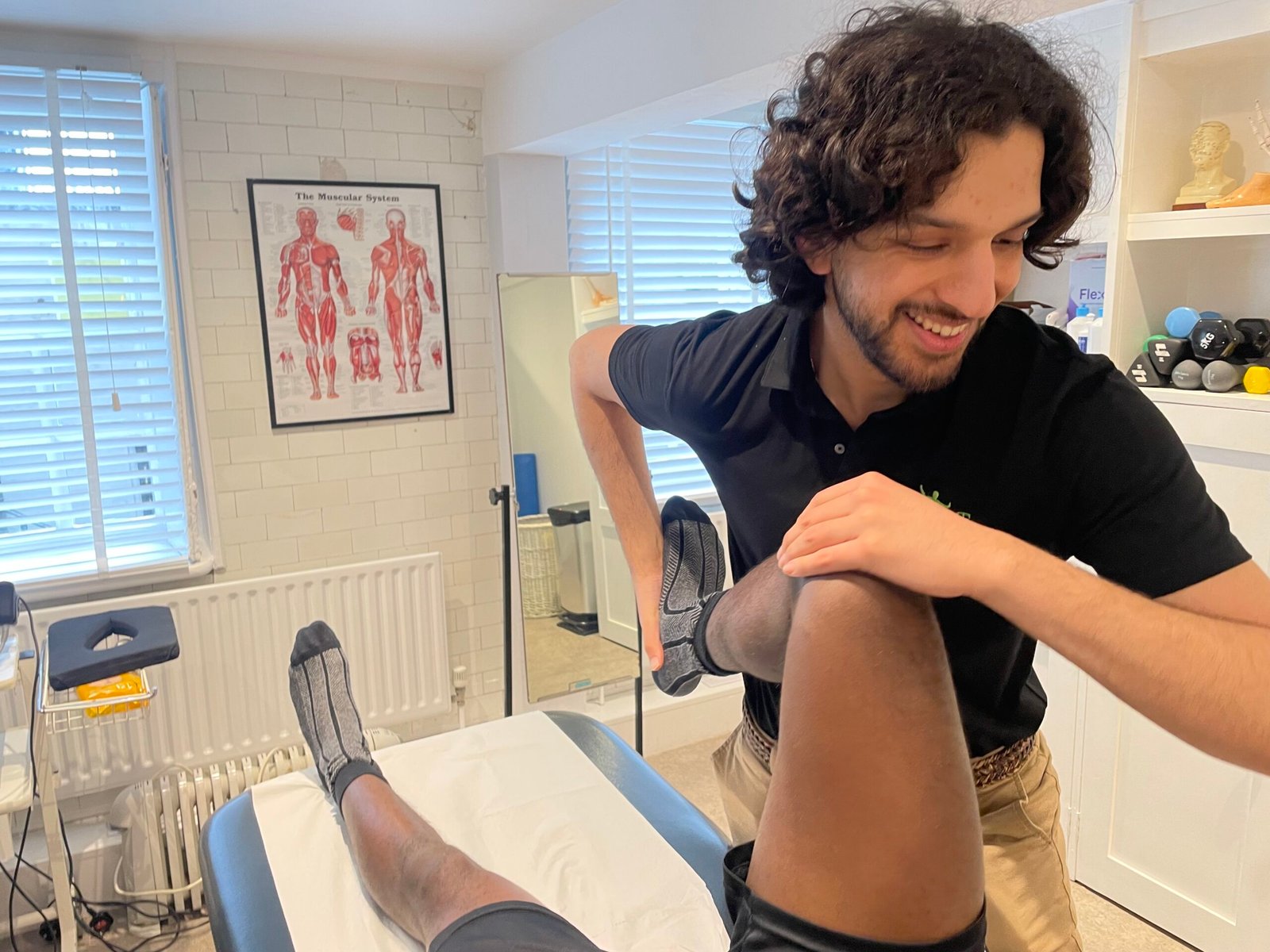
Many people come to us after being told they have “bone on bone” or “wear and tear” and assume a knee replacement is the only way forward. Some do need surgery in time. But a lot of them, once they have a clear explanation and a programme that builds their strength, find they can walk further, manage stairs more easily and put surgery off, sometimes for good.
At your first appointment we look at what your knee is stopping you doing, then test your strength, balance and walking, how far your knee bends and straightens and how it copes with sit to stands and steps. We use simple measures you can track, such as how many sit to stands you can do in 30 seconds and how far you can walk before pain builds.
- Education: what arthritis is and why movement is safe, which NICE recommends for everyone with osteoarthritis
- Hands-on treatment to ease pain and stiffness so exercise is more comfortable
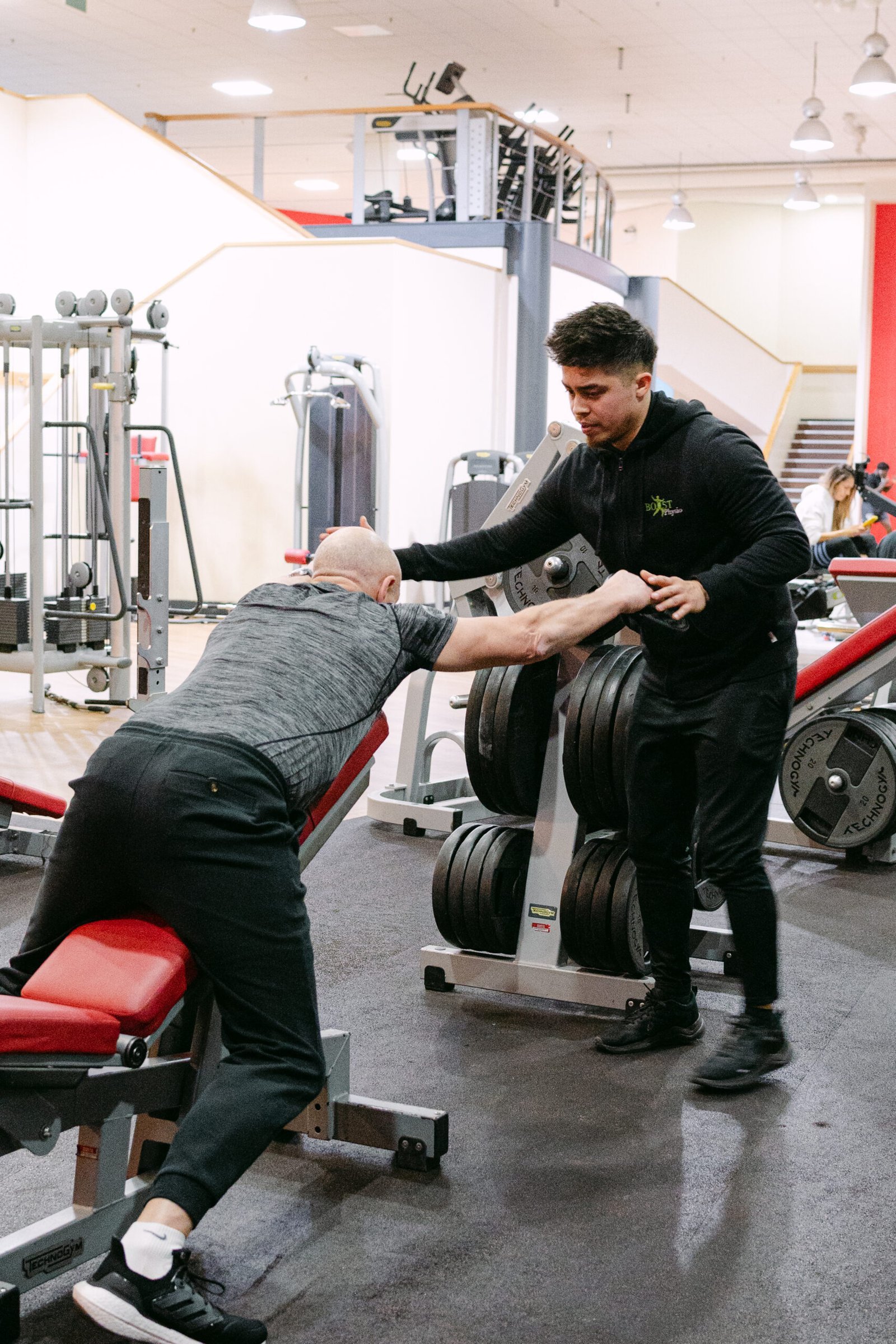
- A strength programme built around your goals, progressed every visit
- An honest view on surgery: if your knee isn’t responding, we’ll tell you and help you get a consultant opinion and if you’re having a replacement we’ll get you strong beforehand
See a doctor promptly if
- Your knee is hot, red and very swollen, especially with fever
- You can’t take weight on your leg
- Pain at night with unexplained weight loss
What our patients say
★★★★★
“I was having bad muscle pains in my leg, but after a session of deep massage with Rebecca, I felt I could walk for miles.”
★★★★★
“Most recently, to help me recover from simultaneous hip and knee replacements, she has patiently taken me though the process of building back surrounding muscle strength to enable me to return to tennis.”
★★★★★
“I had been attending an osteopath for osteoarthritis in both my knees.”
Watch: knee exercises our physios use
Short videos with knee strengthening exercises and advice.

How to Help Total Knee Replacement Recovery

What Exercise Should I do in the first weeks after Total Knee Replacement surgery?

How will I be 3 months after Total Knee Replacement Surgery?
Got a question about your own pain or injury? Send it to our physios.
Get help at your nearest BOOST PHYSIO clinic
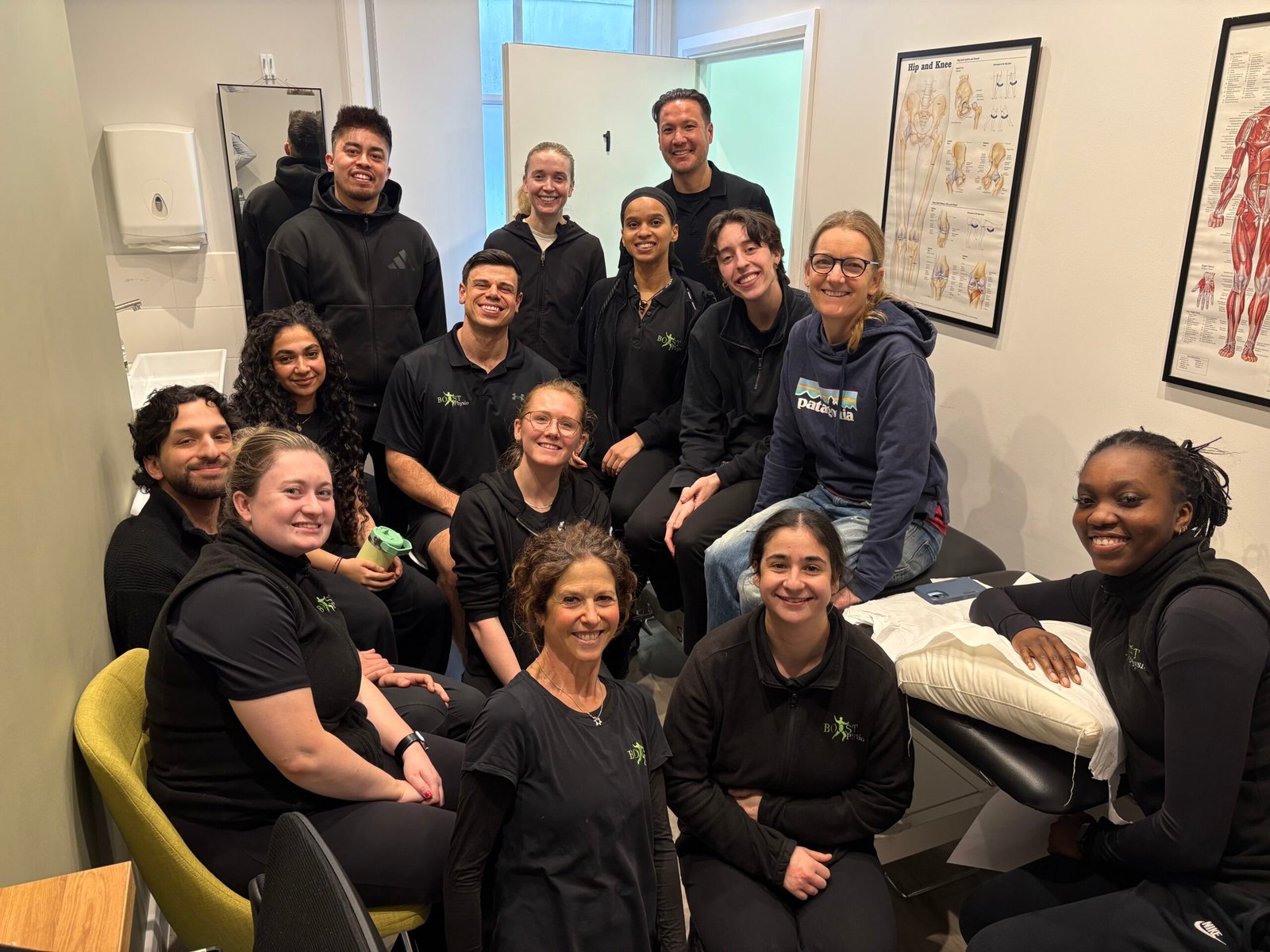
We help people with this at all 13 of our clinics across North London and Hertfordshire. Choose your nearest clinic to see the team, opening times and how to find us, or book straight in.
Stay active with a plan that works
WhatsApp us your question, call 020 8201 7788 or book online at any of our 13 clinics across North London and Hertfordshire, often the same day.
Related reading
Your questions answered
Can exercise make knee arthritis worse?
No. Exercise is the first treatment NICE recommends. Some discomfort during exercise is normal and safe if it settles within 24 hours.
Can physio avoid a knee replacement?
For many people it delays or avoids surgery. In one trial, only 26% of people on a structured exercise programme went on to have a replacement within a year.
What is the best exercise for knee arthritis?
Strengthening exercises for the thighs and hips, such as sit to stands and step ups, plus regular walking or cycling. A physio can tailor this to your knee.
Do I need an X-ray for knee arthritis?
Not usually. NICE says it can be diagnosed from your symptoms if you’re 45 or over with typical signs.
Is walking good for knee arthritis?
Yes. Regular walking keeps the joint moving and the muscles working. Build up gradually and use supportive footwear.
Will exercise make my knee arthritis worse?
No. Exercise is one of the core treatments NICE recommends for osteoarthritis. Some discomfort during or after exercise is normal and safe if it settles within about 24 hours.

Written and clinically reviewed by Steven Berkman, BSc Physiotherapy (University of Cape Town), HCPC-registered chartered physiotherapist, MCSP, founder of BOOST PHYSIO in 2008, with Finlay McDonald and Martin Sarembock at BOOST PHYSIO Crouch End. Last reviewed 12 November 2026.
References
- National Institute for Health and Care Excellence. Osteoarthritis in over 16s: diagnosis and management (NG226). 2022.
- Skou ST, et al. A randomized, controlled trial of total knee replacement. N Engl J Med. 2015;373(17):1597-1606.
- Skou ST, Roos EM. Good Life with osteoArthritis in Denmark (GLA:D). BMC Musculoskelet Disord. 2017;18:72.
- NHS. Osteoarthritis. nhs.uk.