
Back pain or sciatica? Let’s get you moving
Back pain from long days at a laptop, a back that went lifting at the gym, or sciatica shooting down your leg on the commute. Most people recover well with the right approach. Here is what our West Hampstead physio recommends.
★★★★★ 5-star Google reviews from our West Hampstead patients
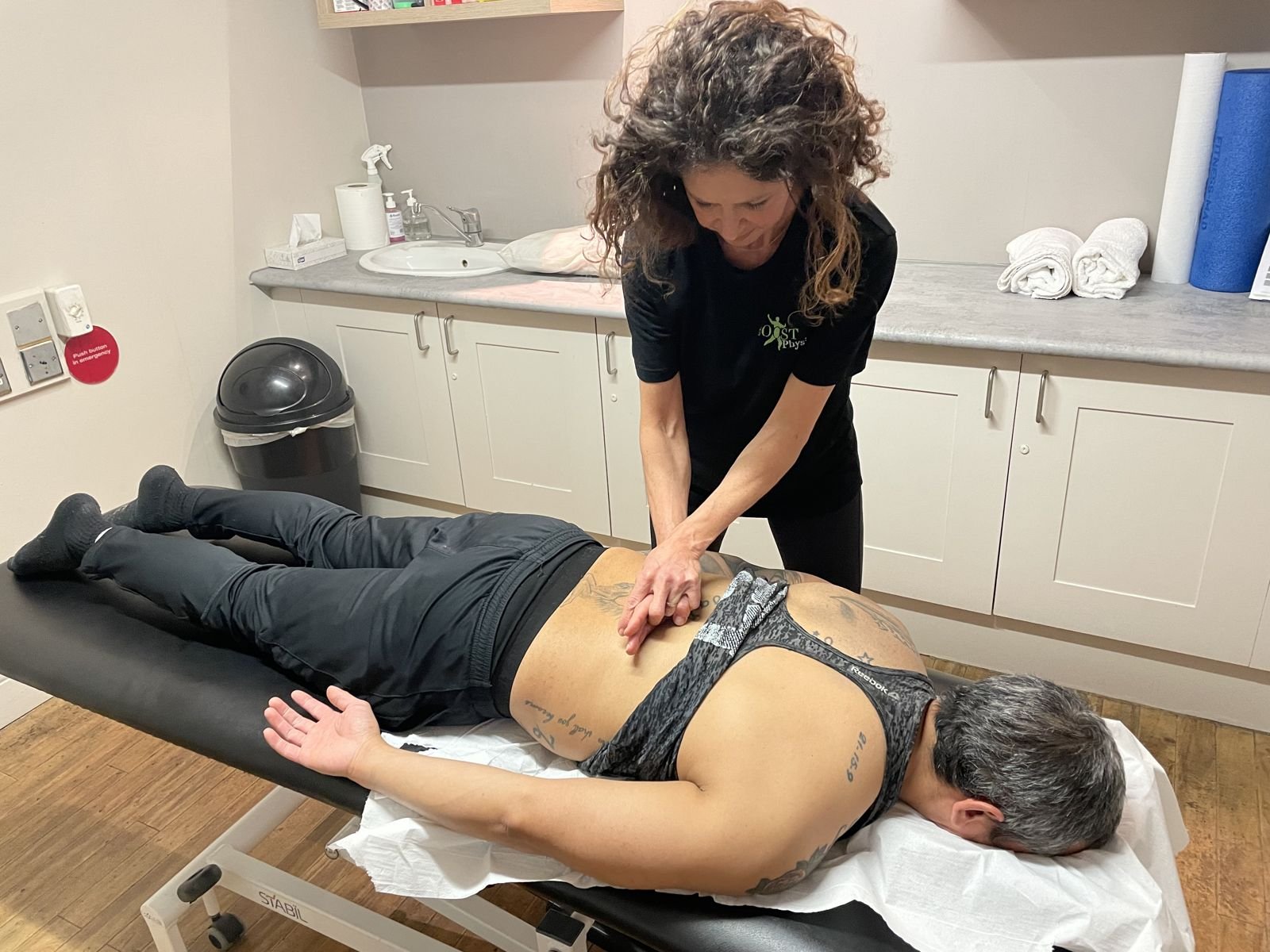
Quick answer: Most back pain and sciatica improves within weeks with staying active, exercise therapy and hands-on treatment, as recommended by NICE. Scans are rarely needed. Seek urgent help for numbness around the groin or bladder or bowel changes. BOOST PHYSIO West Hampstead is at Apex Health, 160 West End Lane, NW6 1HU.
The types of back pain we see
Non-specific low back pain
The most common type
Pain and stiffness in the lower back without a single structural cause on a scan. Usually settles within weeks with the right approach.
Sciatica
Pain down the leg
Pain, tingling or numbness travelling down the back of the leg, often from an irritated nerve root, sometimes with a disc bulge.
Back spasm
The back that has gone
Sudden pain and stiffness after bending or lifting. Frightening, but most improve quickly.
Long-standing back pain
Months or years
Pain that keeps coming back. We look at strength, movement, sleep, stress and work to break the cycle.
Many of our West Hampstead patients work long hours at a desk, commute on packed trains and squeeze in gym sessions or runs around the edges. That combination of long periods of sitting and sudden bursts of load is a very common trigger for back pain.
Back pain can be very painful without meaning serious damage. We find what is driving yours, calm it down and build your back up so it copes better next time.

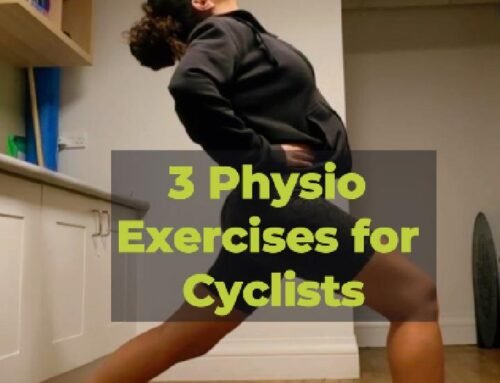
Three physio exercises to help relieve sciatica
Book a back pain assessment in West Hampstead
No GP referral needed. Book online, call us or send a WhatsApp.
What actually helps
- Stay as active as you can and avoid bed rest; gentle walking helps most people
- Exercise therapy, such as strengthening, mobility and Pilates-style work, is recommended by NICE
- Hands-on treatment alongside exercise to ease pain and stiffness
- Heat and simple pain relief, as advised by your pharmacist or GP, to help you keep moving
- Return to work and normal activities gradually rather than waiting until the pain has completely gone
Most
acute back pain improves considerably within about 6 weeks
NICE NG59; NHS
Exercise
is the first-line treatment NICE recommends for low back pain, with or without sciatica
NICE NG59, 2016 (updated 2020)
Rarely
needed: most people with back pain or sciatica do not need an MRI scan
NICE NG59
A clear explanation and the confidence to keep moving are two of the most powerful treatments for back pain.
Red flags: when to get urgent help
- Numbness around the back passage or genitals, or new problems controlling your bladder or bowels: go to A&E immediately
- Weakness in the legs that is getting worse, or numbness in both legs
- Back pain with fever, unexplained weight loss or a history of cancer
- Severe pain after a significant fall or accident
These can be signs of a serious problem such as cauda equina syndrome and need same day medical assessment.
Desk-based back pain: small changes, big difference
- Get up every 30 to 45 minutes, even for a minute
- Set your screen at eye level and your chair so your feet are flat and hips slightly above knees
- Walk part of your commute if you can, for example one stop on the Jubilee line
- Two short strength sessions a week do more than an occasional long stretch
Meet your West Hampstead physio
Otis treats neck, back and sports injuries and has a particular interest in pain that has hung around for a while.
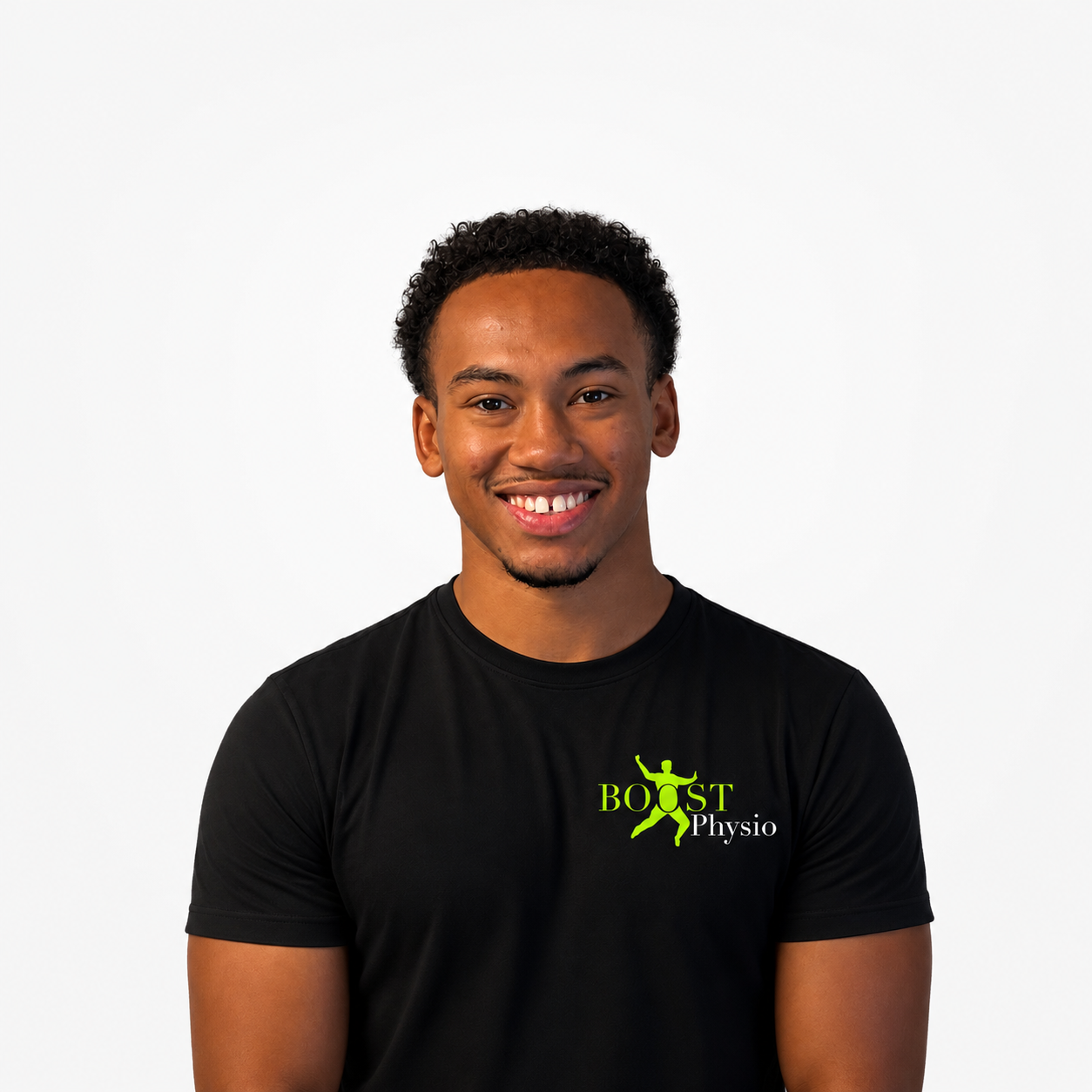
Otis Barton-Black
Chartered Physiotherapist
Otis has experience across sports, musculoskeletal clinics and hospital physiotherapy, with a particular interest in long-standing injuries and getting people back to running, sport and exercise.
What our West Hampstead patients say
★★★★★
“I have had four sessions with Otis for lower back pain and cannot recommend him highly enough.”
★★★★★
“Smooth booking system. Very convenient location.”
★★★★★
“I’ve had a really positive experience with Otis at BOOST Physio. He’s incredibly knowledgeable, friendly, professional and personable, and always takes the time to explain things clearly and make you feel…”
Watch: back pain exercises from our physios
Short videos from our team.

Back pain exercises recommended by our physios

How to help back stiffness at work

A morning spine mobility routine
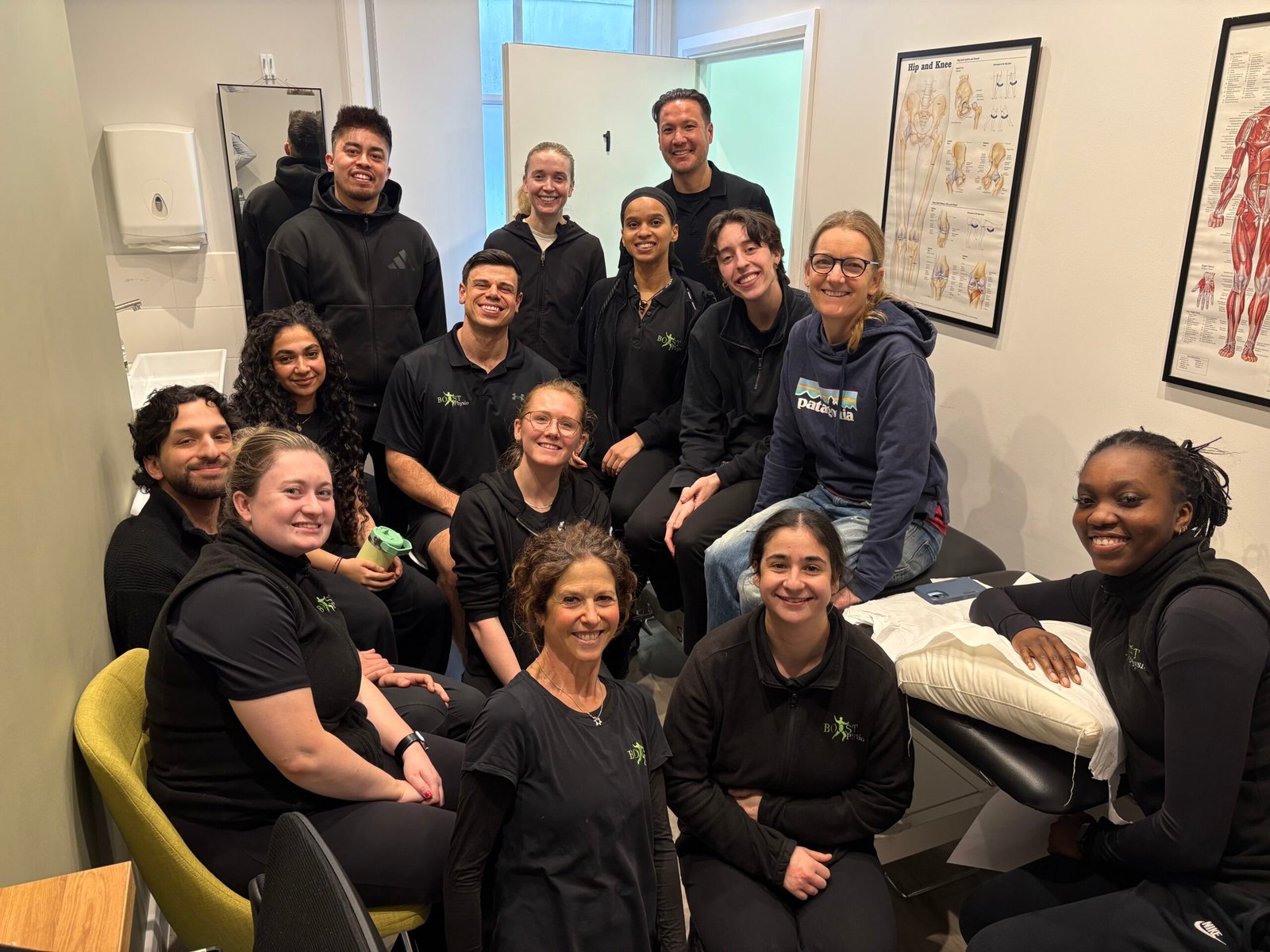
One clinic, the experience of a whole team
Something our patients don’t always realise is how much support sits behind each physio. Our team trains together twice a month and every physio has a dedicated mentor who reviews cases with them, so when you see us in West Hampstead you get the experience of the whole BOOST PHYSIO group.
- Same day appointments, seven days a week across our clinics
- No GP referral needed
- Recognised by Bupa, AXA Health, Vitality, WPA and Aviva
Prefer another clinic? Book at BOOST PHYSIO Swiss Cottage, Hampstead or Kentish Town, or read more about our West Hampstead clinic.
Get your back moving again
Book at BOOST PHYSIO West Hampstead, 160 West End Lane, NW6.
Related reading
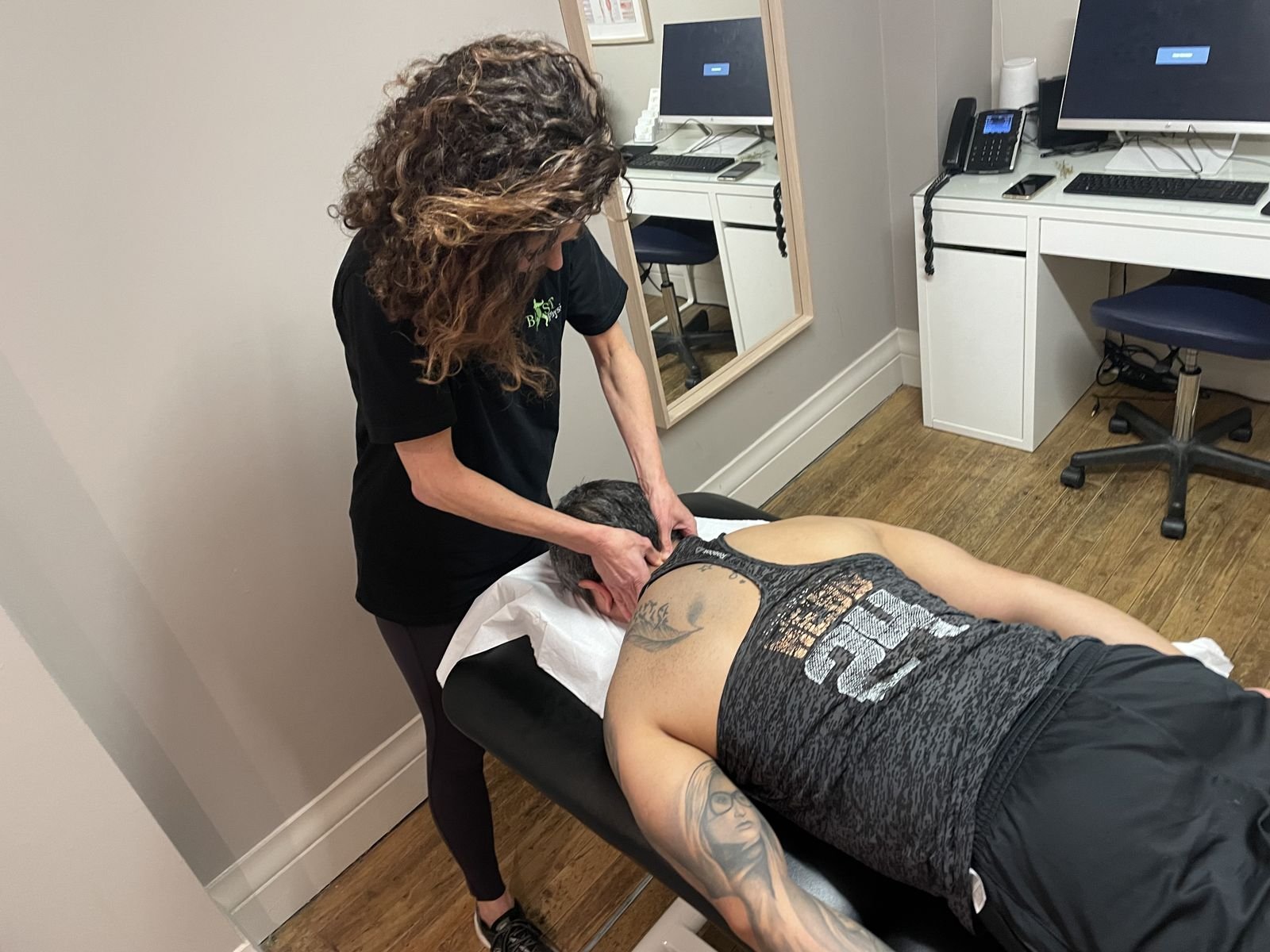 Back pain physioSlipped disc and sciaticaDo I need an MRI scan for back pain?
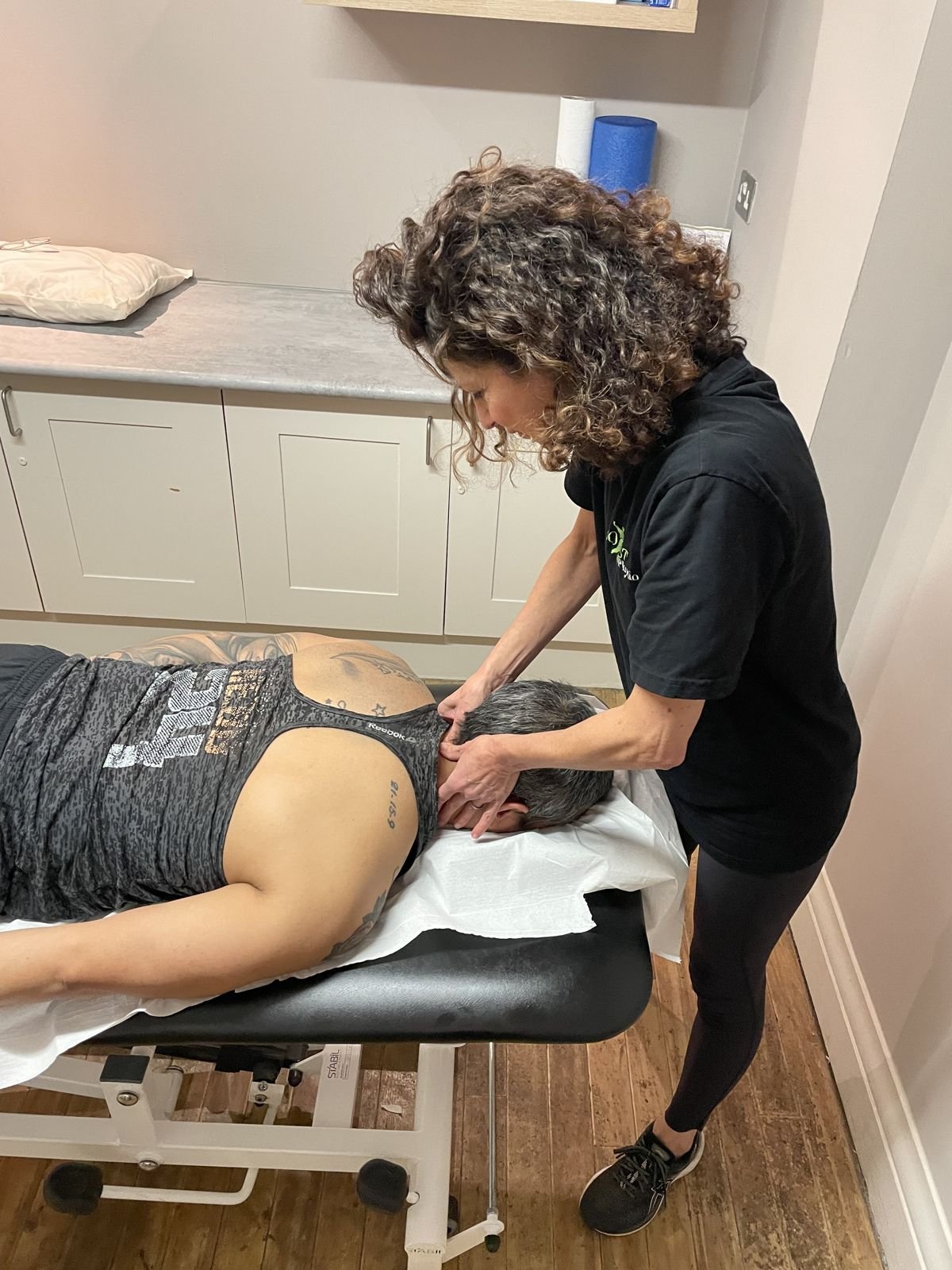 Neck and shoulder pain for NW6 commuters
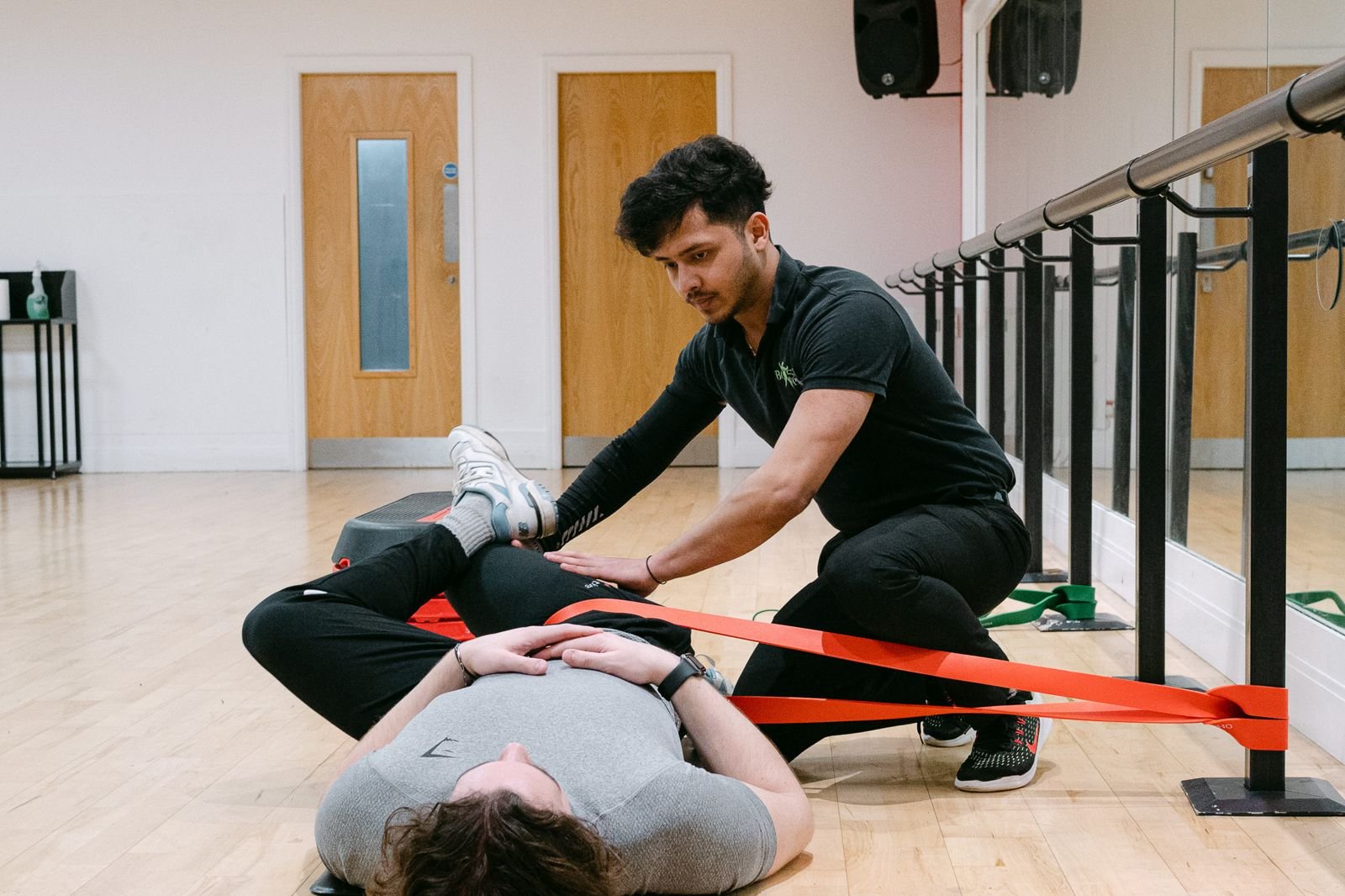 Hip pain in West HampsteadHow much does private physio cost?
Your questions answered
Should I rest with back pain?
No, bed rest tends to slow recovery. Stay as active as you can, even if that means shorter walks and changing position often.
Do I need an MRI scan for back pain?
Most people do not. NICE advises scans only when the result would change treatment, for example if surgery is being considered or there are red flag symptoms.
How long does sciatica last?
Many people improve significantly within 6 to 12 weeks, though some take longer.
Can I keep going to the gym with back pain?
Often yes, with adjustments to weight, range and exercise choice. We will show you what to modify.
Do I need a GP referral?
No. You can book directly online, by phone or on WhatsApp. If you are claiming on health insurance, check whether your insurer needs a GP referral first.
Can I use my health insurance?
Yes. We are recognised by Bupa, AXA Health, Vitality, WPA and Aviva. Bring your authorisation code to your first appointment.

Written and clinically reviewed by Steven Berkman, BSc Physiotherapy (University of Cape Town), HCPC-registered chartered physiotherapist, MCSP, founder of BOOST PHYSIO in 2008, with Otis Barton-Black at BOOST PHYSIO West Hampstead. Last reviewed 12 November 2026.
References
- NICE guideline NG59. Low back pain and sciatica in over 16s: assessment and management. 2016, updated 2020.
- Foster NE et al. Prevention and treatment of low back pain: evidence, challenges, and promising directions. Lancet 2018;391:2368-2383.
- NHS. Back pain and Sciatica. nhs.uk.
This article is general information, not a diagnosis. If you are unsure what is causing your symptoms, book an assessment or speak to your GP. If you have severe or rapidly worsening symptoms, call 111 or 999.