Why is my back pain worse in the morning?
You go to bed feeling fine and wake up stiff as a board. Morning back pain is very common and most of the time it eases within half an hour once you get moving.
★★★★★ 4.9 from 1,400+ Google reviews across our 13 clinics

Quick answer: Morning back pain is usually caused by stiffness from lying still for hours, which eases within about 30 minutes of moving. Your mattress, sleeping position and activity the day before also play a part. A Lancet trial (Kovacs 2003) found medium-firm mattresses better than firm ones for chronic low back pain. Stiffness lasting over 30 minutes that eases with exercise, starting under 45, should be checked for inflammatory back pain.
What causes back pain in the morning?
Stiffness from lying still
Joints and muscles stiffen after hours without moving. It eases as you get going.
Mattress and pillow
A mattress that sags or is too hard can leave you sore. Medium-firm suits most backs.
Sleeping position
Lying on your front or twisted can strain the lower back.
Yesterday’s activity
Gardening, a long drive or a gym session can make you stiff the next morning.
Our guide to back pain explains the common causes in more detail.
Your activity the day before plays a big part too. A long drive, a heavy session in the garden or hours at a desk without a break can all leave your back stiffer the next morning. So can very little movement at all. Most people find their mornings improve when they move little and often through the day, rather than doing a lot in one go and then resting.
When is morning stiffness a sign of something else?
Inflammatory back pain, caused by conditions such as axial spondyloarthritis, behaves differently from mechanical back pain. NICE’s spondyloarthritis guideline (NG65) suggests referral to a rheumatologist when back pain has lasted 3 months or more, started before age 45 and has features like these:
| Mechanical morning stiffness | Inflammatory back pain | |
|---|---|---|
| How long it lasts | Usually eases within about 30 minutes of moving | Often longer than 30 minutes |
| Exercise | Helps | Helps clearly, while rest doesn’t |
| Typical age it starts | Any age | Usually before 45 |
| Night | May be uncomfortable turning over | Can wake you in the second half of the night |
| Who to see | A physio | Your GP, who may refer you to a rheumatologist (NICE NG65) |
| Morning stiffness | Lasts longer than 30 minutes |
|---|---|
| Exercise | Improves the pain, while rest does not |
| Night | Wakes you in the second half of the night |
| Other clues | Buttock pain that alternates sides, eye inflammation, psoriasis or inflammatory bowel disease in you or your family |
If this sounds like you, see your GP. It’s very treatable and early diagnosis makes a big difference.
Stiff back every morning?
WhatsApp us your question, call 020 8201 7788 or book online at any of our 13 clinics across North London and Hertfordshire, often the same day.
What helps morning back pain?
- Move before you get up: knee rolls side to side and pulling one knee to the chest, 10 times each
- A warm shower: heat eases stiff muscles
- Walk early: a short walk soon after waking loosens the back
- Check your mattress: medium-firm is a good starting point
- Support your sleep position: a pillow between your knees on your side, or under your knees on your back
~30 min
typical time for mechanical morning stiffness to ease
Clinical practice
Medium-firm
mattresses better than firm for chronic low back pain
Kovacs et al, Lancet 2003
Stay active
is the first line advice for low back pain
NICE NG59
Try our low back stretch routine as part of your morning.
How we help morning back pain at BOOST PHYSIO
“It’s worst first thing and better once I get going” is one of the most common things we hear about back pain. Usually it means a stiff, sensitive back that wants more movement during the day and a gentler start in the morning. Occasionally it is the first clue to an inflammatory condition, which is why we always ask about it carefully.
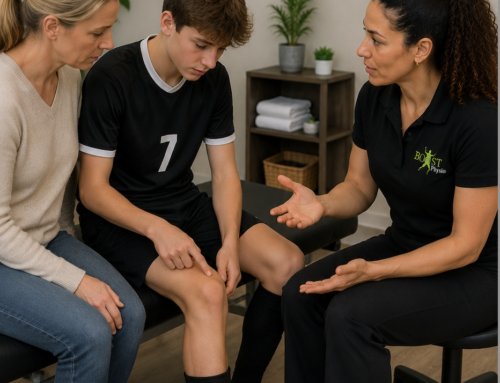
At your first appointment we ask how long the stiffness lasts, what eases it, how you sleep, your mattress and what your days look like. We check how your spine and hips move, test the nerves in your legs and look at the strength of your trunk and hips. If anything points to inflammatory back pain, we’ll explain why and write to your GP.
- A 5-minute morning routine you can do in bed and as you get up
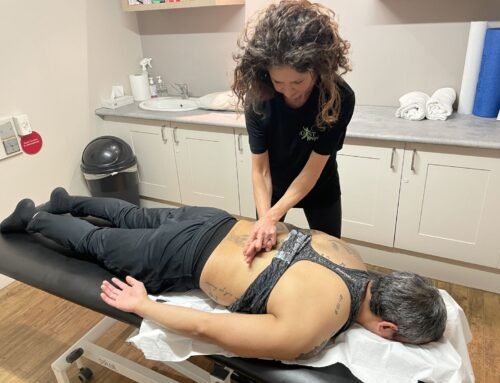
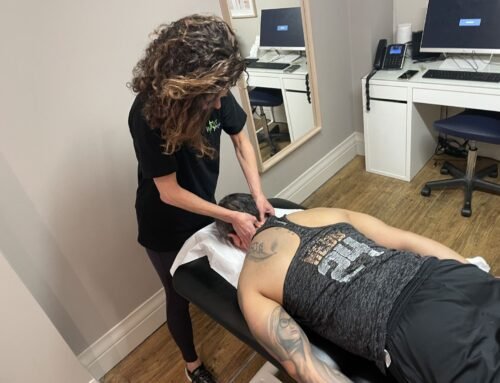
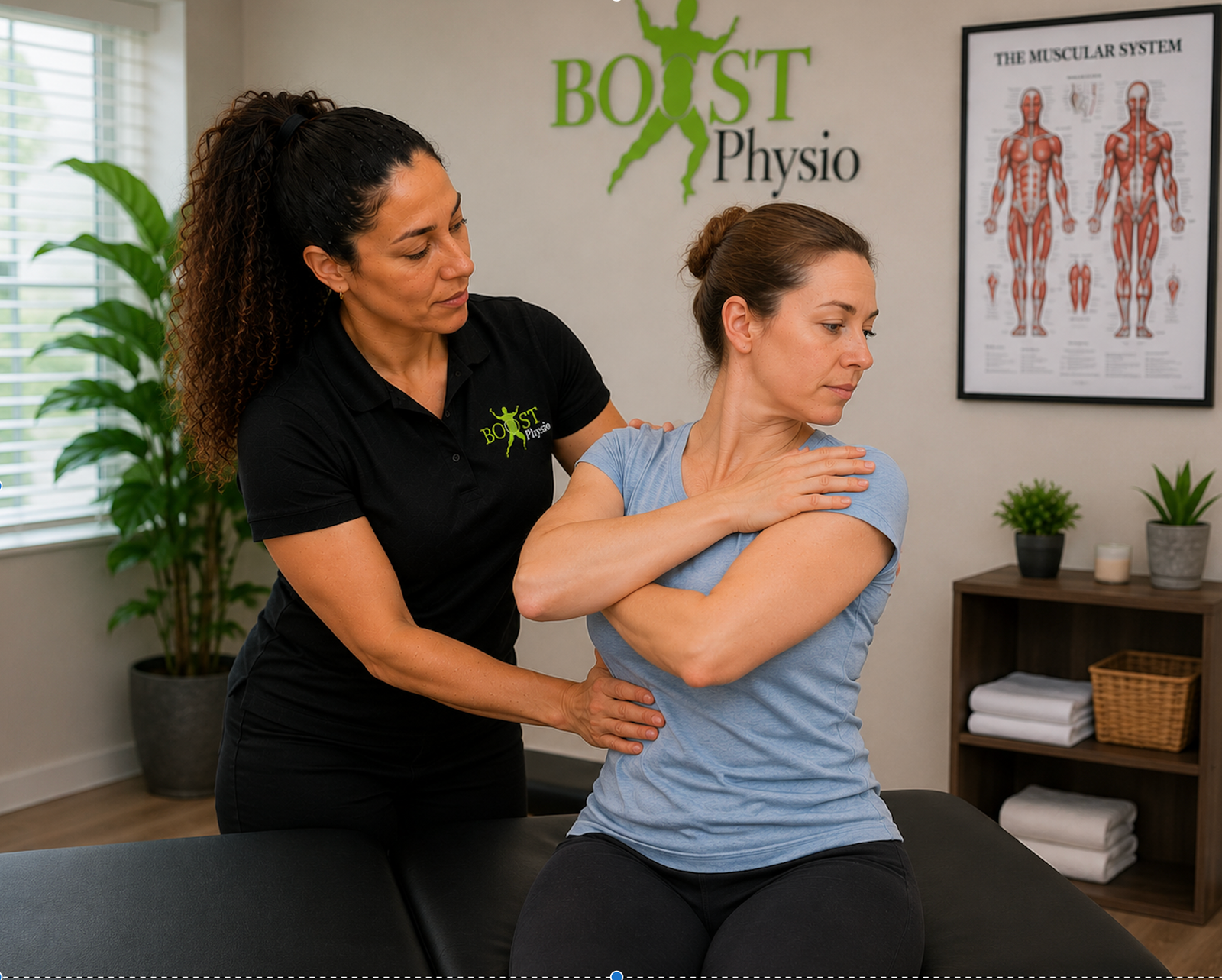
- Hands-on treatment such as joint mobilisation and soft tissue work to ease stiffness
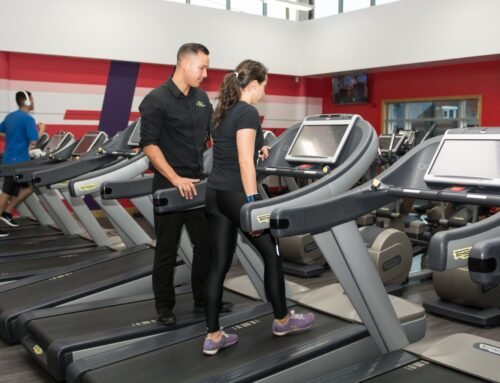
- Strength and movement work through the day, because a stronger, more mobile back is usually a less stiff one
- Sleep advice on positions, pillows and mattress firmness
On average our patients reach their goals in around five sessions. Read our guide to hands-on treatments for back pain to see what that treatment involves.
How can physio help?
A physio works out whether your pain is mechanical or needs a doctor’s review, then gives you exercises and hands-on treatment to reduce stiffness and build strength. NICE’s back pain guideline (NG59) recommends exercise as a first treatment and most people improve within a few weeks.
Stiff mornings usually mean your back wants more movement, not more rest.
See a doctor urgently if
- Numbness around your bottom or genitals or bladder or bowel changes: go to A&E
- Back pain with fever or unexplained weight loss
- Constant pain that’s worse at night and not eased by changing position
You can be seen at any of our 13 clinics across North London and Hertfordshire, often the same day, with no GP referral needed.
What our patients say
★★★★★
“I’ve been working with Boost Physio Kensington over the past three months for some back issues, and I honestly couldn’t recommend them more highly.”
★★★★★
“I started with very little movement and wasn’t convinced I’d get much of it back.”
★★★★★
“He was very thorough and very careful in progressively re-working mobility back into the injured joint.”
Watch: back exercises from our physios
Short videos with back exercises you can do at home.

How To Help Back Stiffness At Work

Morning Spine Mobility Stretch Routine for stiffness
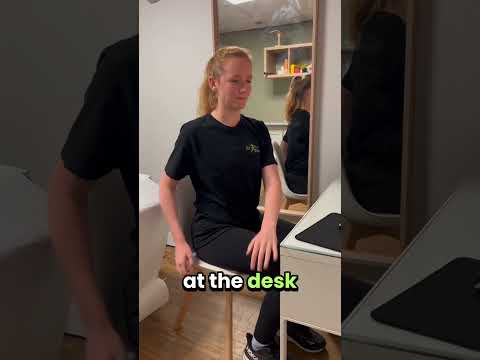
Stiff Neck? Achy Back? 3 Physio Approved Desk Exercises To Help You Now.
Got a question about your own pain or injury? Send it to our physios.
Get help at your nearest BOOST PHYSIO clinic
We help people with this at all 13 of our clinics across North London and Hertfordshire. Choose your nearest clinic to see the team, opening times and how to find us, or book straight in.
Start your days without back pain
WhatsApp us your question, call 020 8201 7788 or book online at any of our 13 clinics across North London and Hertfordshire, often the same day.
Related reading
Your questions answered
Is it normal to have back pain in the morning?
Yes, it’s very common. Stiffness after lying still usually eases within about 30 minutes of moving.
Can my mattress cause back pain?
It can contribute. A trial in the Lancet found medium-firm mattresses better than firm ones for people with chronic low back pain.
What is the best sleeping position for back pain?
On your side with a pillow between your knees, or on your back with a pillow under your knees, suits most people. Lying on your front often aggravates the lower back.
When should I worry about morning back stiffness?
If stiffness lasts more than 30 minutes, eases with exercise, started before 45 and has lasted 3 months or more, see your GP to check for inflammatory back pain.
Should I stretch first thing in the morning?
Gentle movement in bed and a short walk work well. Avoid forcing hard stretches as soon as you wake.
Is it better to sleep on my back or my side with back pain?
There isn’t one best position. Many people find lying on their side with a pillow between their knees, or on their back with a pillow under their knees, takes the strain off their lower back. Choose the position that lets you sleep best and change it if you wake up stiff.

Written and clinically reviewed by Steven Berkman, BSc Physiotherapy (University of Cape Town), HCPC-registered chartered physiotherapist, MCSP, founder of BOOST PHYSIO in 2008, with Finlay McDonald and Martin Sarembock at BOOST PHYSIO Crouch End. Last reviewed 12 November 2026.
References
- Kovacs FM, et al. Effect of firmness of mattress on chronic non-specific low-back pain: randomised, double-blind, controlled, multicentre trial. Lancet. 2003;362(9396):1599-1604.
- National Institute for Health and Care Excellence. Spondyloarthritis in over 16s: diagnosis and management (NG65). 2017.
- National Institute for Health and Care Excellence. Low back pain and sciatica in over 16s (NG59). 2016, updated 2020.
- NHS. Back pain. nhs.uk.