When can I drive after a knee or hip replacement?
Getting back behind the wheel is one of the first things people ask us about after surgery. It means independence again, so it helps to know the rules and how to be ready.
★★★★★ 4.9 from 1,400+ Google reviews across our 13 clinics

Quick answer: Many surgeons advise waiting around 6 weeks before driving after a knee or hip replacement, but there is no fixed legal date. You must be able to do an emergency stop safely and be off medicines that make you drowsy. The DVLA only needs to know if your doctor expects restrictions to last more than 3 months. Always check with your surgeon and insurer first.
What are the rules for driving after joint replacement?
There’s no law that says you can drive on a certain day after surgery. The responsibility sits with you as the driver: you must be in full control of the car at all times. DVLA guidance says you don’t need to tell them about a hip or knee replacement unless your doctor says your restrictions will last more than 3 months.
Your insurer matters just as much. Some policies have their own conditions after an operation, so give them a call before your first drive. If you have an accident when you weren’t fit to drive, your cover may not protect you.
| Legal driving date | None set. You must be able to control the car and do an emergency stop |
|---|---|
| Tell the DVLA? | Only if your doctor expects restrictions to last more than 3 months |
| Typical advice | Many surgeons advise around 6 weeks. Some people are ready sooner, others later |
| Medication | Don’t drive if strong painkillers make you drowsy or slow your reactions |
| Insurance | Tell your insurer you’ve had surgery and check any conditions |
Does it matter which leg was operated on?
Yes. Your right leg works the accelerator and brake, so after a right knee or hip replacement you need full, quick control of that leg before driving. After a left-sided operation in an automatic car you may be ready sooner, as your left leg isn’t needed for the pedals. In a manual car your left leg works the clutch, including in an emergency.
| Your operation | Your car | What usually decides it |
|---|---|---|
| Right knee or hip | Manual or automatic | Fast, strong braking with the operated leg. Usually the longest wait |
| Left knee or hip | Automatic | Getting in and out safely and sitting comfortably. Often sooner |
| Left knee or hip | Manual | Clutch control for hill starts and emergency stops |
| Both knees or hips | Any | Usually the longest wait of all. Follow your surgeon’s advice |
Hip replacements bring one extra challenge: getting into a low car seat. Your surgeon may give you advice about how far to bend your hip in the early weeks, so a firm cushion and the seat pushed back can make a big difference.
Want to get back to driving sooner?
WhatsApp us your question, call or book online at any of our 13 clinics.
How do I know I’m ready to drive?
Ask yourself honestly whether you could stamp on the brake without hesitating if a child stepped into the road. A good test is to sit in the car with the engine off and practise moving between the pedals, pressing hard and quickly and twisting to look over your shoulder.
- You can get in and out of the car without help
- You can bend your knee or hip enough to sit comfortably for the whole journey
- You can press the brake firmly and quickly without pain stopping you
- You can turn to check your blind spot
- You’re off any medicines that make you drowsy
- Your surgeon and insurer are happy
Start with short, quiet local journeys, ideally with someone in the passenger seat, before tackling busy roads or a long motorway drive. Stop every 30 to 45 minutes on longer trips to stretch and walk around, as sitting still makes a new joint stiff and swollen.
How we help you recover at BOOST PHYSIO
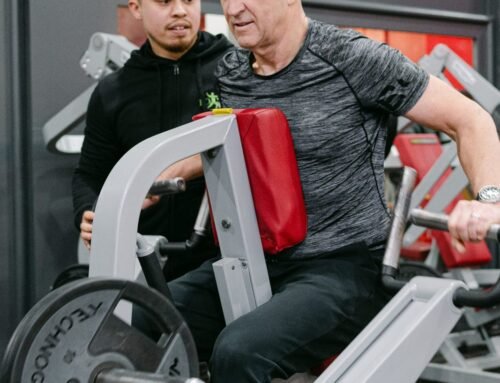
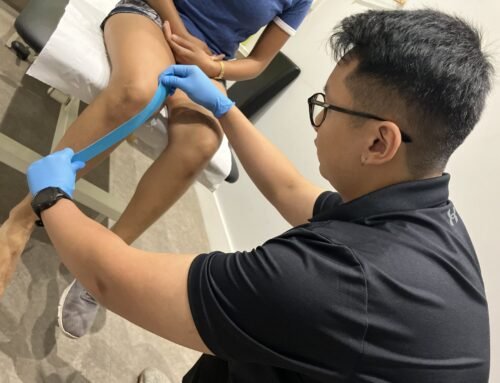
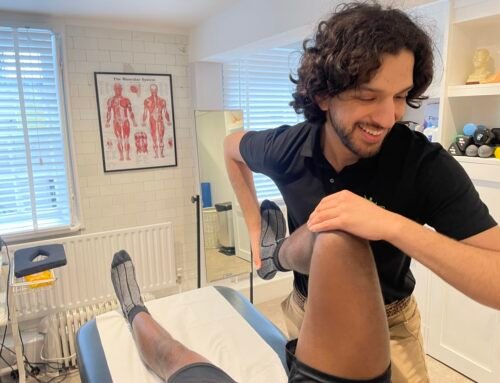
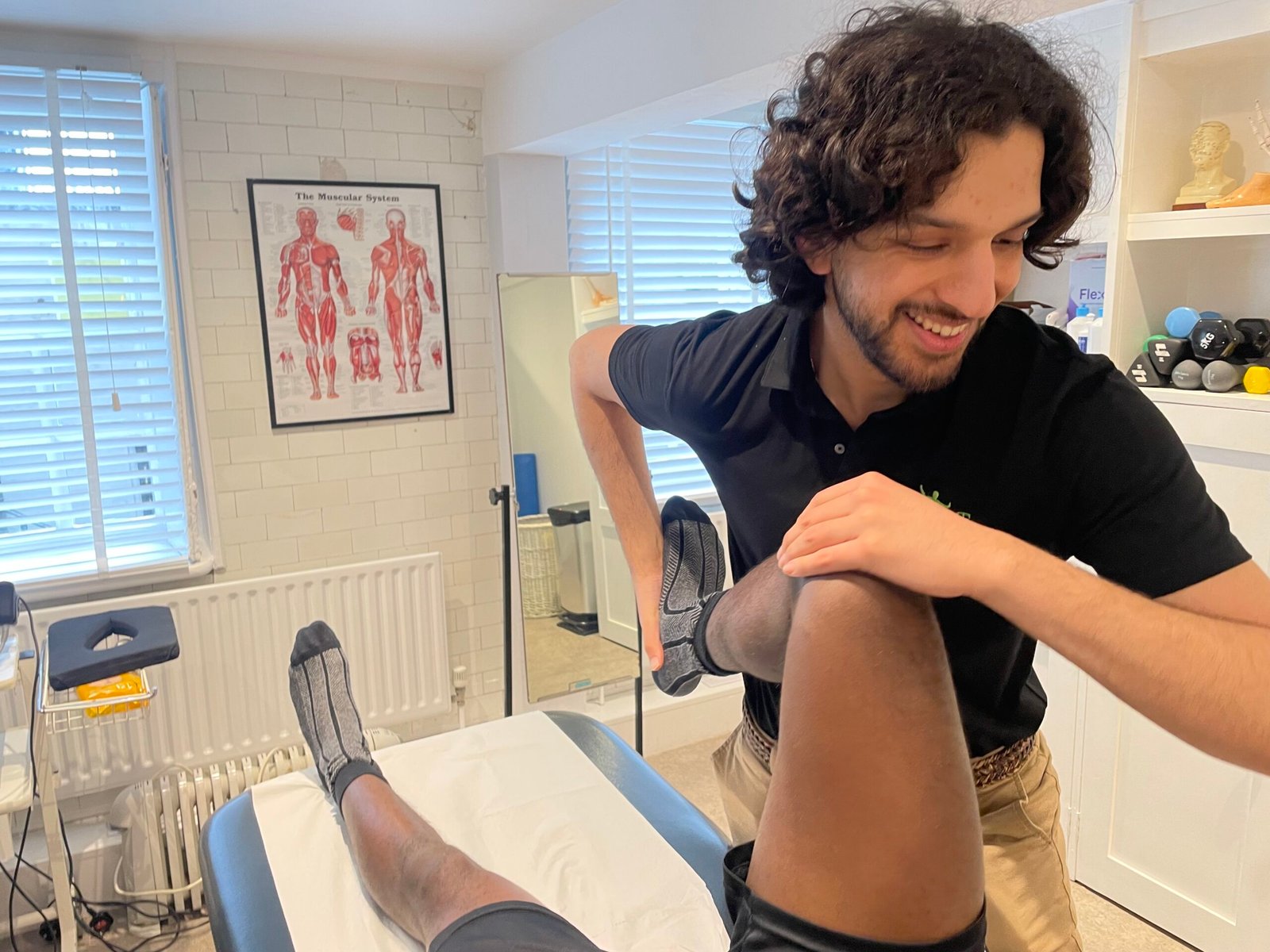
Driving needs good knee or hip bend, strength in your thigh and calf muscles and quick reactions. Your rehab builds all three. We measure your knee bend at each visit, test the strength of your quads and hip muscles and practise the movements driving needs, including getting in and out of a low seat.
Many of our joint replacement patients are referred by their surgeon, so we work to their protocol and keep them updated. Our knee replacement rehab and hip replacement rehab pages set out what to expect week by week. You’ll also find our guides on when to start physio after a knee replacement and physio after a hip replacement.
~6 weeks
is the usual advice before driving
NHS and surgeon guidance
3 months
is when the DVLA needs to know about ongoing restrictions
DVLA
You
are responsible for being fit to drive
DVLA guidance
Driving again is a milestone. We build the strength and confidence so you can do it safely.
What else should I think about before my first drive?
Plan the first trip for a quiet time of day and keep it short, perhaps to the shops or a friend’s house. Have someone with you. Make sure the seat and mirrors are set before you start, as twisting to adjust them can be awkward early on.
Swelling
Long drives can make your leg swell. Walk around at breaks and keep up your ankle pumps.
Seat height
A higher seat, or a cushion, helps you get in and out, especially after a hip replacement.
Bag and belt
Keep your bag on the passenger seat so you aren’t twisting to reach the back.
Speak to your surgeon or GP before driving if you have
- A hot, red or very swollen calf, which can be a sign of a blood clot
- A wound that is weeping or looks infected
- Pain that is getting worse rather than better
- Dizziness or drowsiness from your medicines
What our patients say
★★★★★
“Most recently, to help me recover from simultaneous hip and knee replacements, she has patiently taken me though the process of building back surrounding muscle strength to enable me to return to tennis.”
★★★★★
“I have a root tear minuscus, can’t bend my knee, swellings etc and he has over past couple of months helped be go from nearly deciding to have surgery to now feel like I’ve got this.”
★★★★★
“I am a triathlete who broke her collarbone from a bike accident a year ago, had a collarbone surgery and a consequent frozen shoulder but have two half Ironmans and an Ironman to complete this year.”
Watch: knee and hip replacement rehab
Short videos from our physios about recovering after joint replacement.

Total Knee Replacement (TKR)- essential exercise after 2 weeks

Can I Squat after total knee replacement surgery? When can I squat after TKR?
First 2 weeks after Total Knee Replacement Surgery- essential physiotherapy exercises
Got a question about your own pain or injury? Send it to our physios.
Get help at your nearest BOOST PHYSIO clinic
We help people with this at all 13 of our clinics across North London and Hertfordshire. Choose your nearest clinic to see the team, opening times and how to find us, or book straight in.
Expert rehab after joint replacement
Chartered physios trusted by surgeons, at 13 clinics across North London and Hertfordshire.
Related reading
 Knee replacement rehabHip replacement rehab
 How much does physio after a knee replacement cost?
 When to start physio after a knee replacement
Your questions answered
Can I drive 2 weeks after a knee replacement?
It’s unusual. Most surgeons advise around 6 weeks, especially after a right knee replacement. Some people with a left knee replacement and an automatic car are ready earlier. Check with your surgeon first.
Can I be a passenger after a hip replacement?
Yes, usually from the day you go home, as long as you follow your surgeon’s advice about how you get in and out. A higher seat and a cushion help.
Do I need to tell my insurer about my knee replacement?
It’s sensible to. Insurers vary and some have their own conditions after surgery. A quick call avoids problems if you ever need to claim.
What if I drive for work?
Talk to your surgeon and employer early. Professional drivers have stricter DVLA rules. You may need a longer phased return.
Does physio help me drive sooner?
It helps you get there safely. Driving needs knee bend, strength and quick reactions. These are the things your rehab works on.

Written and clinically reviewed by Steven Berkman, BSc Physiotherapy (University of Cape Town), HCPC-registered chartered physiotherapist, MCSP, founder of BOOST PHYSIO in 2008, with Finlay McDonald and Martin Sarembock at BOOST PHYSIO Crouch End. Last reviewed 12 November 2026.
References
- Driver and Vehicle Licensing Agency. Hip and knee replacements and driving. gov.uk.
- NHS. Knee replacement: recovery. nhs.uk.
- NHS. Hip replacement: recovery. nhs.uk.