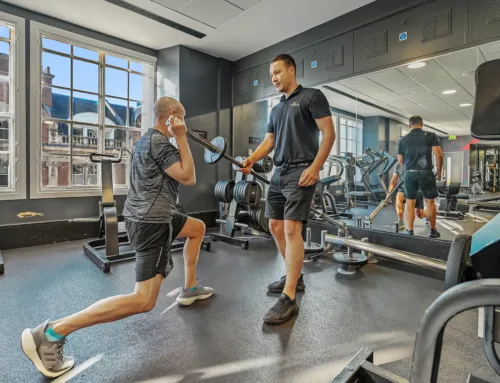

Recovering from surgery? Let’s do it properly
The operation is only half the story. What you do in the weeks afterwards decides how well you recover. Our Mill Hill physios guide you from the first wobbly steps back to walking, driving and the hobbies you love.
★★★★★ 5.0 on Google from 105 reviews of our Mill Hill clinic

Quick answer: After a knee or hip replacement, we follow your surgeon’s guidelines and, where they allow, usually start physio around 7 days after the operation, then see you once or twice a week until you can manage stairs without a stick and drive. After ACL reconstruction, rehab runs for 9 to 12 months. Our Mill Hill clinic is at 1 Flower Lane, NW7 2JA.
Who we help after surgery
Total knee replacement
TKR, partial knee replacement
Getting the knee straight and bending, walking without a stick and back to stairs, driving and hobbies.
Hip replacement
THR
Safe movement, walking and strength, building towards longer walks, golf and the activities that matter to you.
ACL reconstruction
Knee ligament surgery
A structured 9 to 12 month programme from early movement to running, jumping and return to sport testing.
Other operations
Shoulder, ankle, Achilles, spine
We also provide rehab after shoulder, ankle, Achilles tendon and spinal surgery.
What recovery looks like after a joint replacement
| Before surgery | Strengthening (prehab) can make the early weeks easier |
|---|---|
| Around day 7 | First physio session, where your surgeon’s guidelines allow: walking, wound, exercises and checking for complications such as clots or infection |
| Weeks 2 to 6 | 1 to 2 sessions a week, building bend and straightening, strength and walking |
| Around 6 weeks | Many people are managing stairs without a stick and are back to driving (when cleared) |
| 6 to 12 weeks | Preparing for hobbies: longer walks, golf, gardening, cycling |
Everyone recovers at a slightly different pace and your surgeon’s instructions always come first. What we add is regular, expert guidance: knowing when to push, when to back off and which exercises matter most at each stage.
Being inside Anytime Fitness on Flower Lane also means that, as you get stronger, we can bring gym equipment into your rehab.
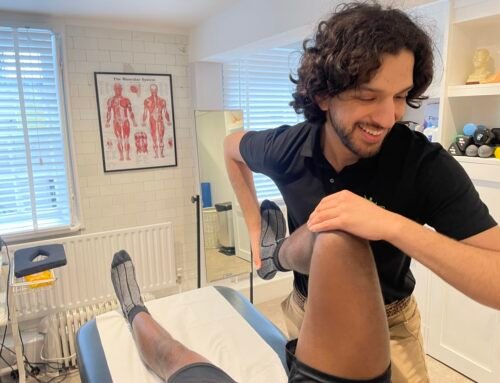
The first two weeks after a total knee replacement
Book your post-surgery rehab in Mill Hill
Bring your surgeon’s guidelines to your first appointment.
Rehab after ACL reconstruction
ACL rehab is a long game, and it pays off. The first two weeks are about getting the knee fully straight and waking the quads back up. From there we build strength, balance and control, then running, jumping and change of direction, before testing you against the other leg prior to your return to sport.
- Full knee extension and quad activation early on
- Progressive strength work, much of it in the gym
- Running, landing and agility drills when you are ready
- Return to sport tests rather than the calendar alone

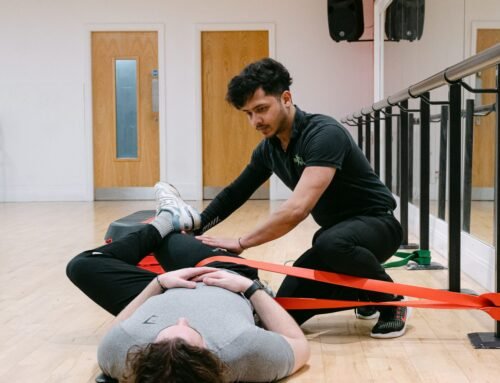
Physio exercises for the first two weeks after ACL reconstruction
~7 days
after a knee or hip replacement is when we usually start physio, following your surgeon’s guidelines
BOOST PHYSIO rehab pathway
9-12 months
is the usual time frame before returning to pivoting sport after ACL reconstruction
Ardern et al, Br J Sports Med 2016
1-2
physio sessions a week in the early weeks after a joint replacement
BOOST PHYSIO rehab pathway
Call your surgeon, 111 or 999 if you notice
- Calf pain, swelling or warmth, or sudden breathlessness or chest pain (possible blood clot)
- A red, hot, oozing or increasingly painful wound, or a fever
- A sudden increase in pain or inability to bear weight after a fall
Meet your Mill Hill physios
Zoe and Abbiher both have a particular interest in rehab after surgery, and Michael brings experience from professional football.

Zoe Katz
Senior Physiotherapist
Zoe works at our Mill Hill and Kentish Town clinics, helping patients with rehab after surgery, new injuries and longer-standing pain.

Abbiher Banfield
Senior Physiotherapist
Abbiher brings a holistic approach to sports injuries and surgery rehab at Mill Hill and Borehamwood, combining hands-on care, acupuncture and tailored exercise.
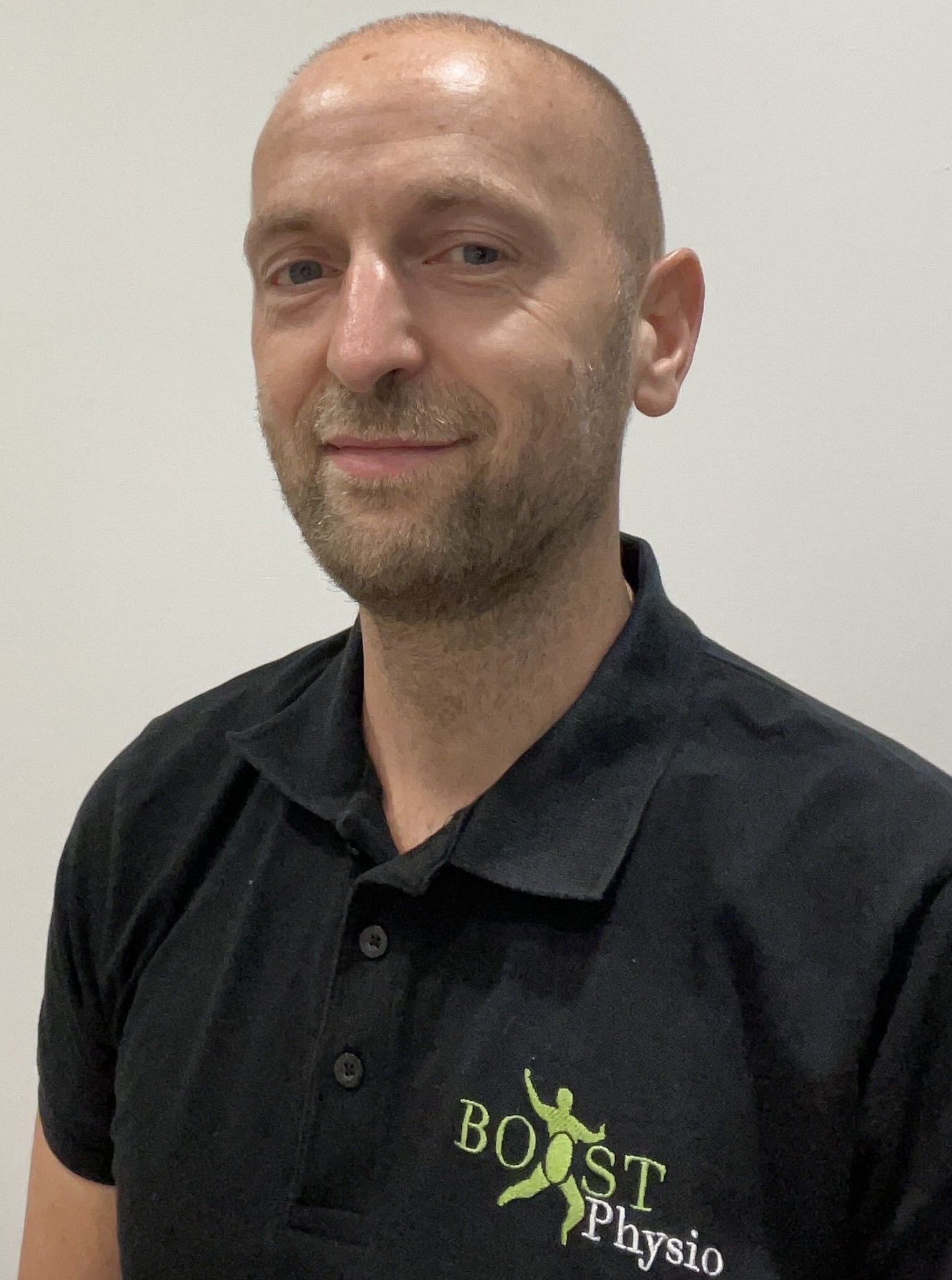
Michael English
Specialist Physiotherapist
Michael was Lead Academy Physio at Brentford FC and now treats patients at our Hendon and Mill Hill clinics, from sports injuries to everyday aches and pains.
What our Mill Hill patients say
★★★★★
“Had the pleasure of being seen by Zoe Katz for my leg and back rehabilitation following a 15 week post op lumbar micro discectamy.”
★★★★★
“I noticed real improvement and felt truly supported throughout my recovery.”
★★★★★
“I was very pleased with the treatment from Zoe Katz at Boost Physio. She carefully reviewed every aspect of my pain and tailored both the treatment and exercises to my specific needs.”
Watch: rehab after surgery
Short videos from our physios.

How to help your recovery after a total knee replacement
Recovery after total hip replacement

Gym-based rehab after knee surgery
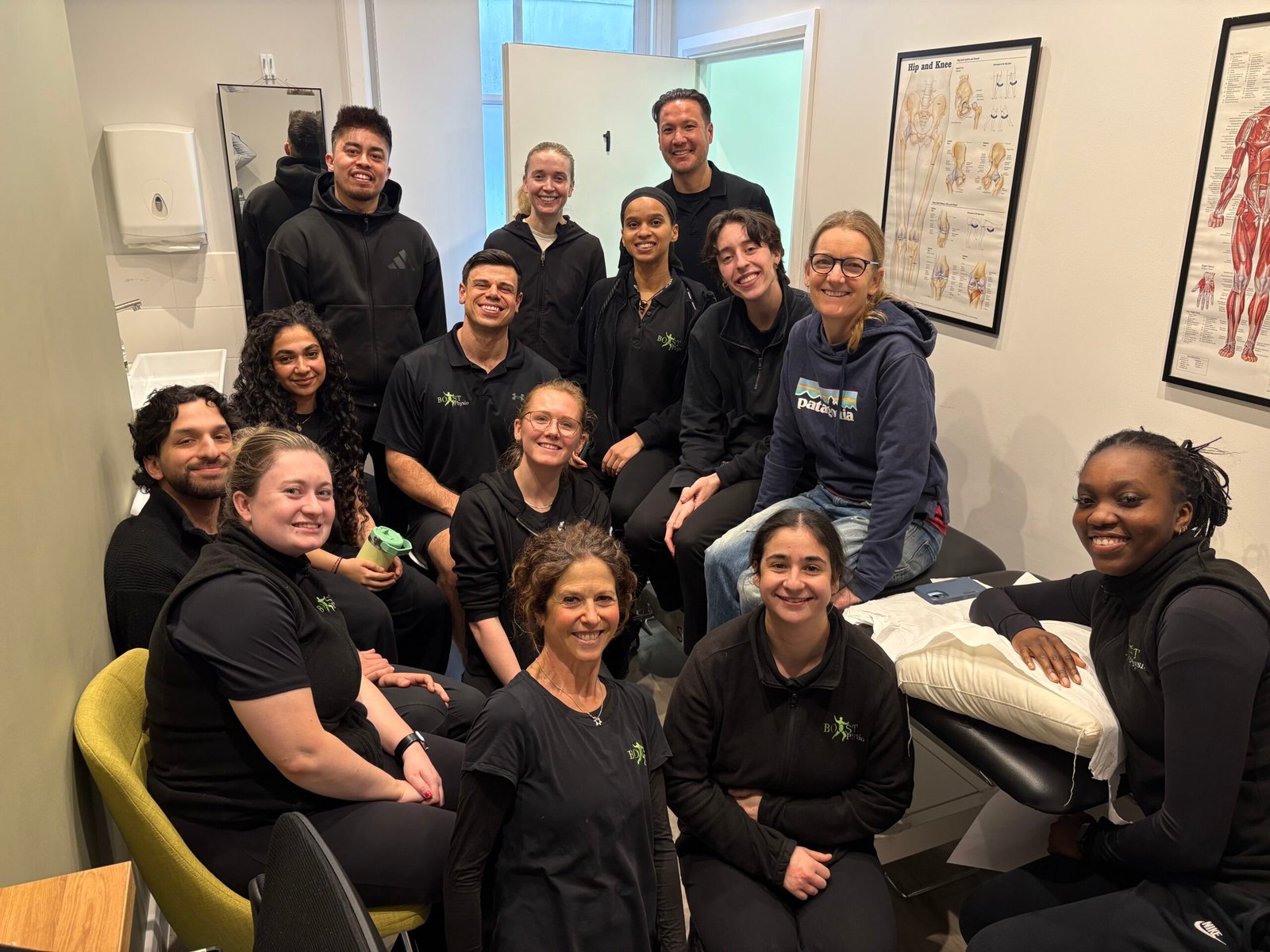
One clinic, the experience of a whole team
Something our patients don’t always realise is how much support sits behind each physio. Our team trains together twice a month and every physio has a dedicated mentor who reviews cases with them, so when you see us in Mill Hill you get the experience of the whole BOOST PHYSIO group.
- Same day appointments, seven days a week across our clinics
- No GP referral needed
- Recognised by Bupa, AXA Health, Vitality, WPA and Aviva
Prefer another clinic? Book at BOOST PHYSIO Hendon, Borehamwood or Elstree, or read more about our Mill Hill clinic.
Make the most of your operation
Book your rehab at BOOST PHYSIO Mill Hill, close to Edgware, Totteridge and Mill Hill Broadway.
Related reading
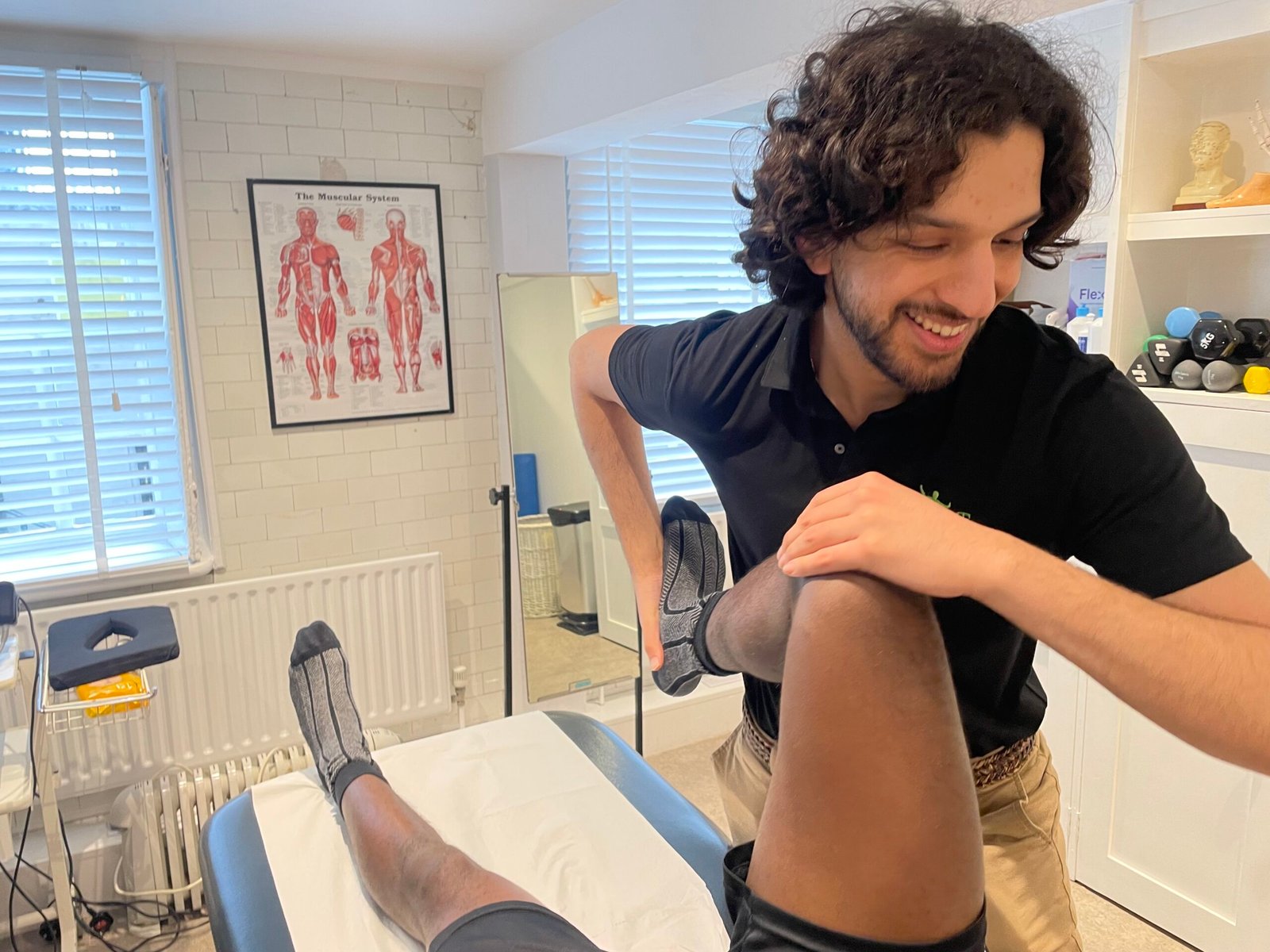 Knee replacement rehab
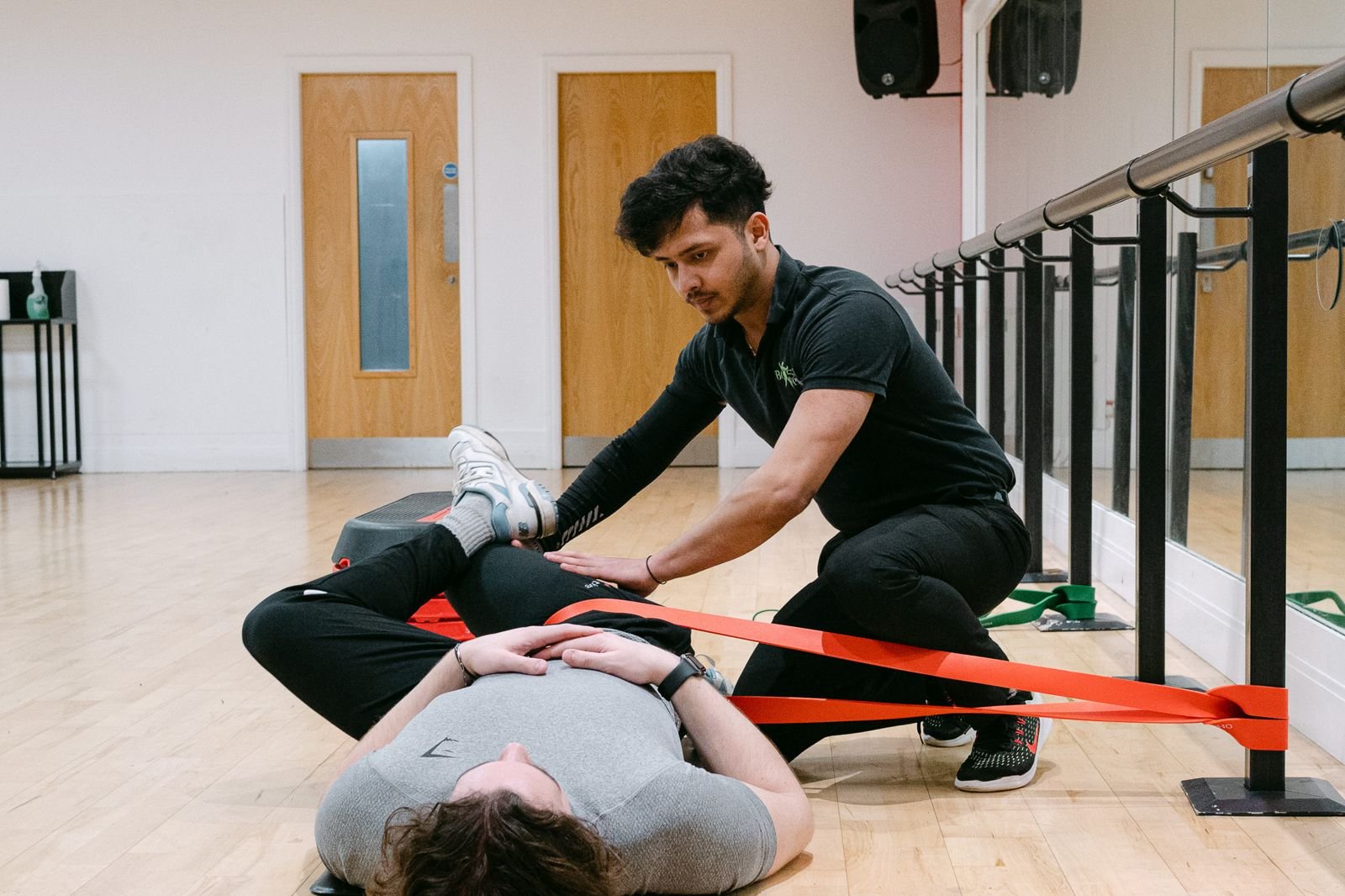 Hip replacement rehab
 ACL reconstruction rehabPhysio after knee replacement: when to start
 Physio near Edgware and Burnt Oak
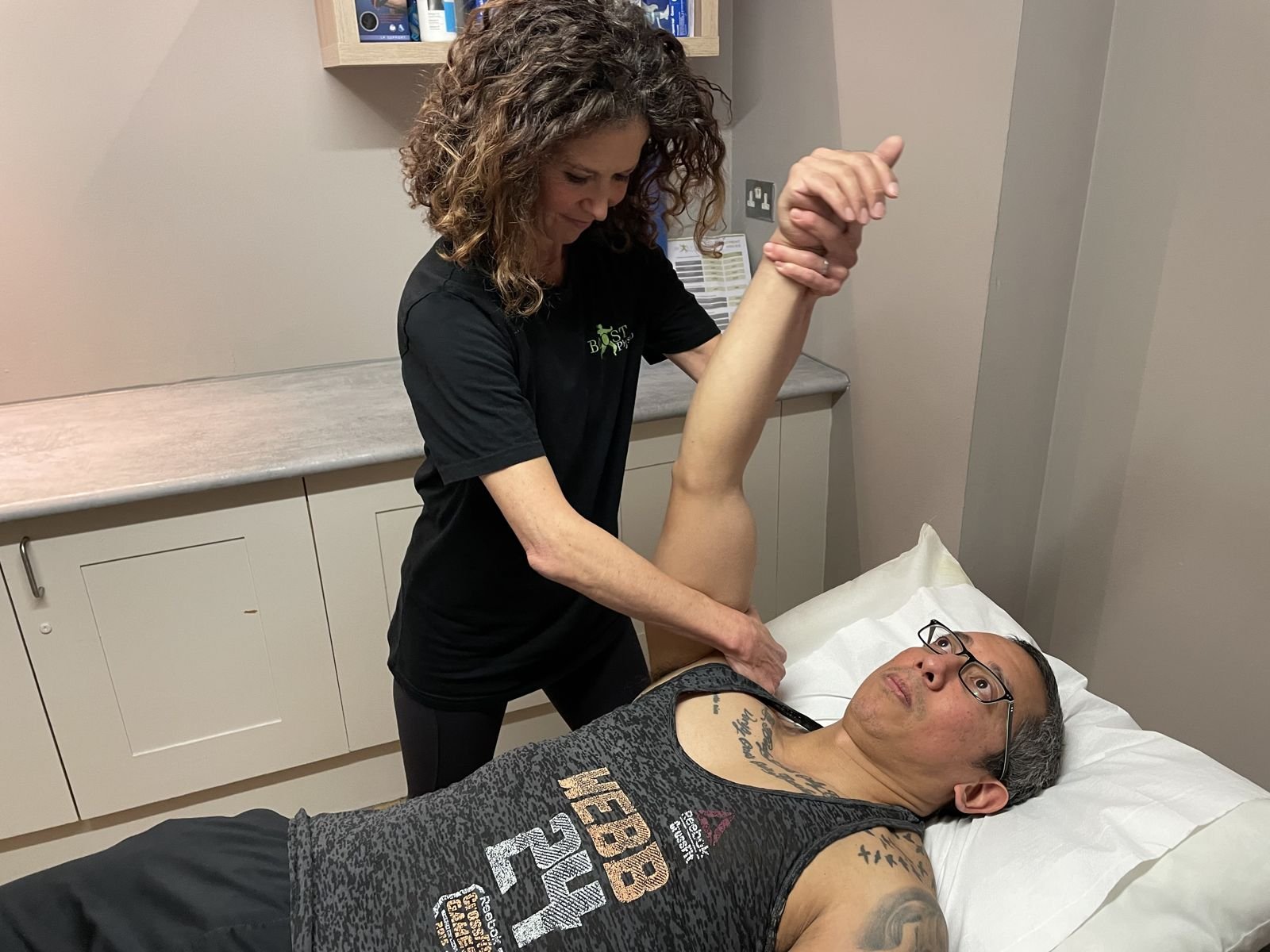 Rehab after shoulder surgery
Your questions answered
When should I start physio after a knee replacement?
Follow your surgeon’s guidelines first. Where they allow, we usually start around 7 days after the operation, then 1 to 2 sessions a week until you can manage stairs without a stick and drive.
Can I claim post-surgery physio on insurance?
Often, yes. We are recognised by Bupa, AXA Health, Vitality, WPA and Aviva. Check your policy and bring your authorisation code.
How long is ACL rehab?
Usually 9 to 12 months before returning to pivoting sports such as football, with return to sport testing to guide the decision.
Do you offer home visits?
Home visits depend on your specific requirements and are best discussed with our team. Call us on 020 8201 7788.
What should I bring to my first session?
Your surgeon’s rehab guidelines or operation notes, any medication list, and loose clothing such as shorts.
Do I need a GP referral?
No. You can book directly online, by phone or on WhatsApp. If you are claiming on health insurance, check whether your insurer needs a GP referral first.

Written and clinically reviewed by Steven Berkman, BSc Physiotherapy (University of Cape Town), HCPC-registered chartered physiotherapist, MCSP, founder of BOOST PHYSIO in 2008, with Zoe Katz, Abbiher Banfield and Michael English at BOOST PHYSIO Mill Hill. Last reviewed 12 November 2026.
References
- Ardern CL et al. 2016 Consensus statement on return to sport. Br J Sports Med 2016;50:853-864.
- NICE guideline NG157. Joint replacement (primary): hip, knee and shoulder. 2020.
- NHS. Recovery: knee replacement and hip replacement. nhs.uk.
This article is general information, not a diagnosis. If you are unsure what is causing your symptoms, book an assessment or speak to your GP. If you have severe or rapidly worsening symptoms, call 111 or 999.