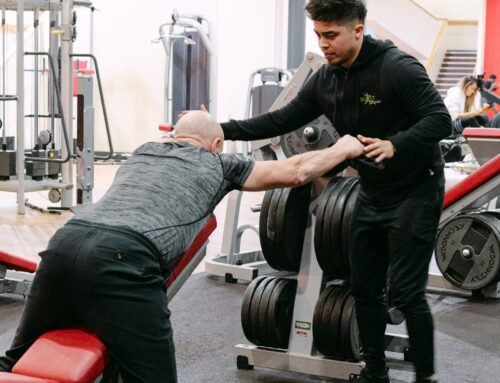

Injured playing sport? Let’s get you back out there
Football on a Sunday, a 5k round Cherry Tree Wood, tennis or a heavy session at the gym. When something goes, our East Finchley team helps you recover properly and return stronger.
★★★★★ 5.0 on Google from 165 reviews of our East Finchley clinic
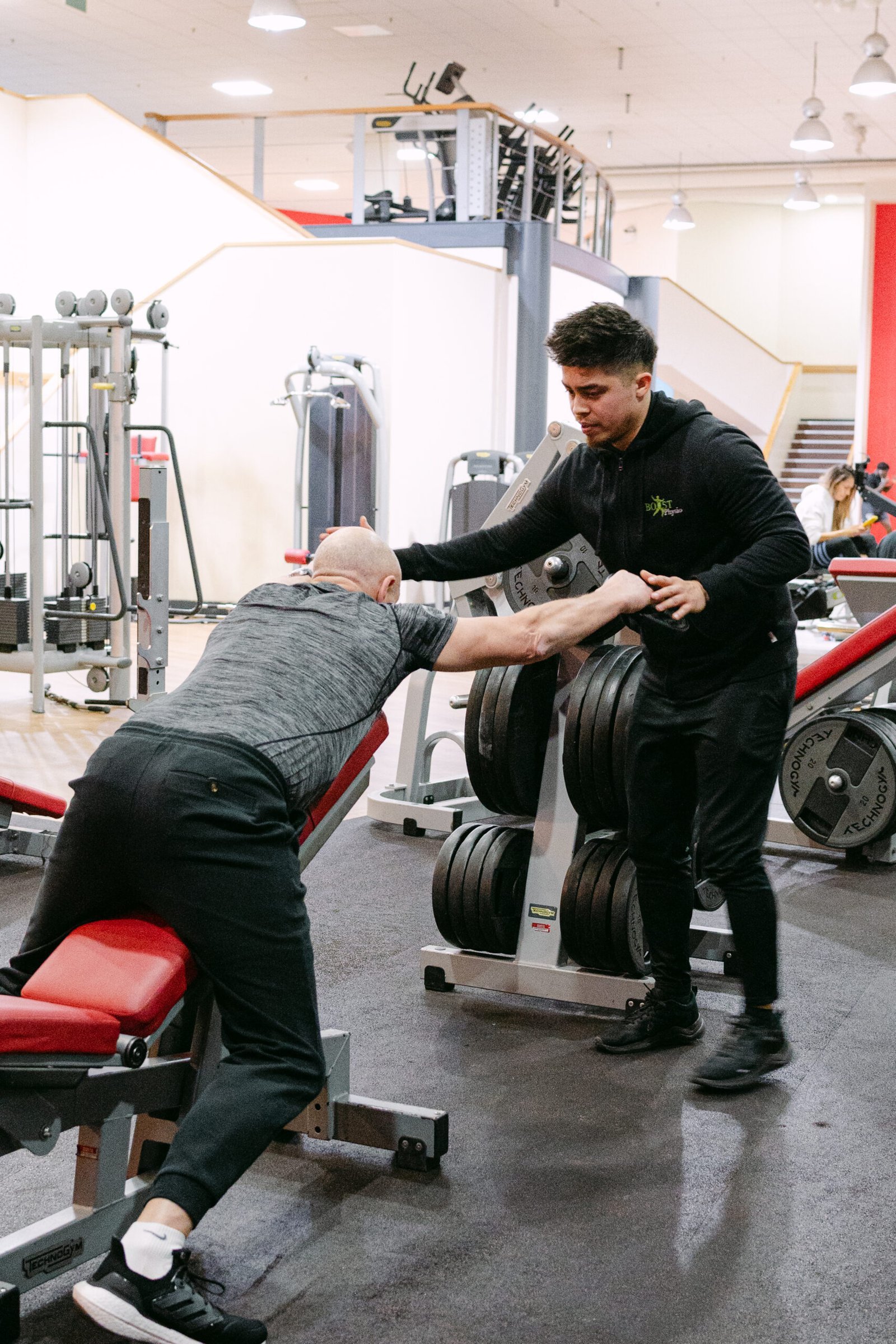
Quick answer: For sports injuries in North Finchley, Whetstone and East Finchley, our nearest clinic is BOOST PHYSIO East Finchley at 200 High Road, N2 9AY. We assess what has been injured, settle the pain, then rebuild strength, speed and confidence with a step-by-step return to sport plan. No GP referral needed.
The sports injuries we see most in Finchley
North Finchley, Whetstone and East Finchley have a busy sporting life: Sunday league football, tennis and cricket clubs, parkrunners, cyclists heading out along the A1000 and a lot of people training at local gyms. The injuries that walk through our door tend to follow the same patterns.
Ankle sprains
Football, netball, trail running
Rolling your ankle is the most common sports injury of all. Early movement and balance work make repeat sprains much less likely.
Hamstring and calf strains
Sprinting, football, tennis
Often a sudden twinge mid-game. A graded strength programme matters more than rest alone.
Knee injuries
Twisting, landing, running
From ligament sprains and meniscus tears to pain at the front of the knee in runners.
Groin and hip pain
Football, kicking sports
Common in players who change direction a lot. Load management and strength are key.
Tendon pain
Achilles, patellar, elbow
Tendons respond well to the right type and amount of loading, done consistently.
Shoulder injuries
Tennis, swimming, gym
Pain overhead or with pressing, often linked to the rotator cuff and shoulder blade control.
Pain is not the only thing we treat
Getting rid of pain is the first step, not the last. Most re-injuries happen because people go back when they feel fine, not when they are ready. We test strength, control and sport-specific movements before you return, so you are not guessing.
- Clear diagnosis and an honest timeline
- Hands-on treatment to settle pain and stiffness
- Strength and conditioning tailored to your sport
- Return to sport testing before you go back to full training

Landing control to cut the risk of knee and ankle re-injury
Book a sports injury assessment in East Finchley
Same day appointments are often available. Book online, call us or send a WhatsApp.
How we get you back: the four stages
| 1. Settle it | Calm the pain and swelling, keep moving what you can and protect what needs protecting |
|---|---|
| 2. Restore it | Get full movement back and start building strength around the injured area |
| 3. Build it | Progressive loading, power and sport-specific drills, often in the gym |
| 4. Test it | Strength and movement tests compared side to side before you return to full training and matches |
~5
sessions is typical for our patients to reach their goals, though sports injuries vary
BOOST PHYSIO patient data
Up to 40%
of people who sprain an ankle for the first time go on to have ongoing ankle instability, which is why balance work matters
Doherty et al, Am J Sports Med 2016
7 days
a week, across our clinic group, so you can be seen quickly after an injury
BOOST PHYSIO
The goal is not just to be pain-free. It is to be ready, so the same injury does not stop you again next season.
When to get it checked urgently
- You cannot put weight on the leg after an injury, or there is a visible deformity
- Your knee locks, gives way repeatedly or swells up within an hour or two
- Severe swelling with numbness, pins and needles or a cold, pale foot
- A loud pop with a sudden loss of power, for example at the back of the ankle
If any of these apply, go to A&E or call 111. We can help with rehab afterwards.
Meet your East Finchley physios
Everyone at East Finchley treats sports injuries. Dan is our Sports Rehabilitation Therapist and Clinical Lead, and works closely with the physios when your rehab moves into the gym.

Simran Parti
Senior Physiotherapist
Simran helps East Finchley patients recover from pain, injury and surgery, explaining clearly what is going on and building a plan around what you want to get back to.
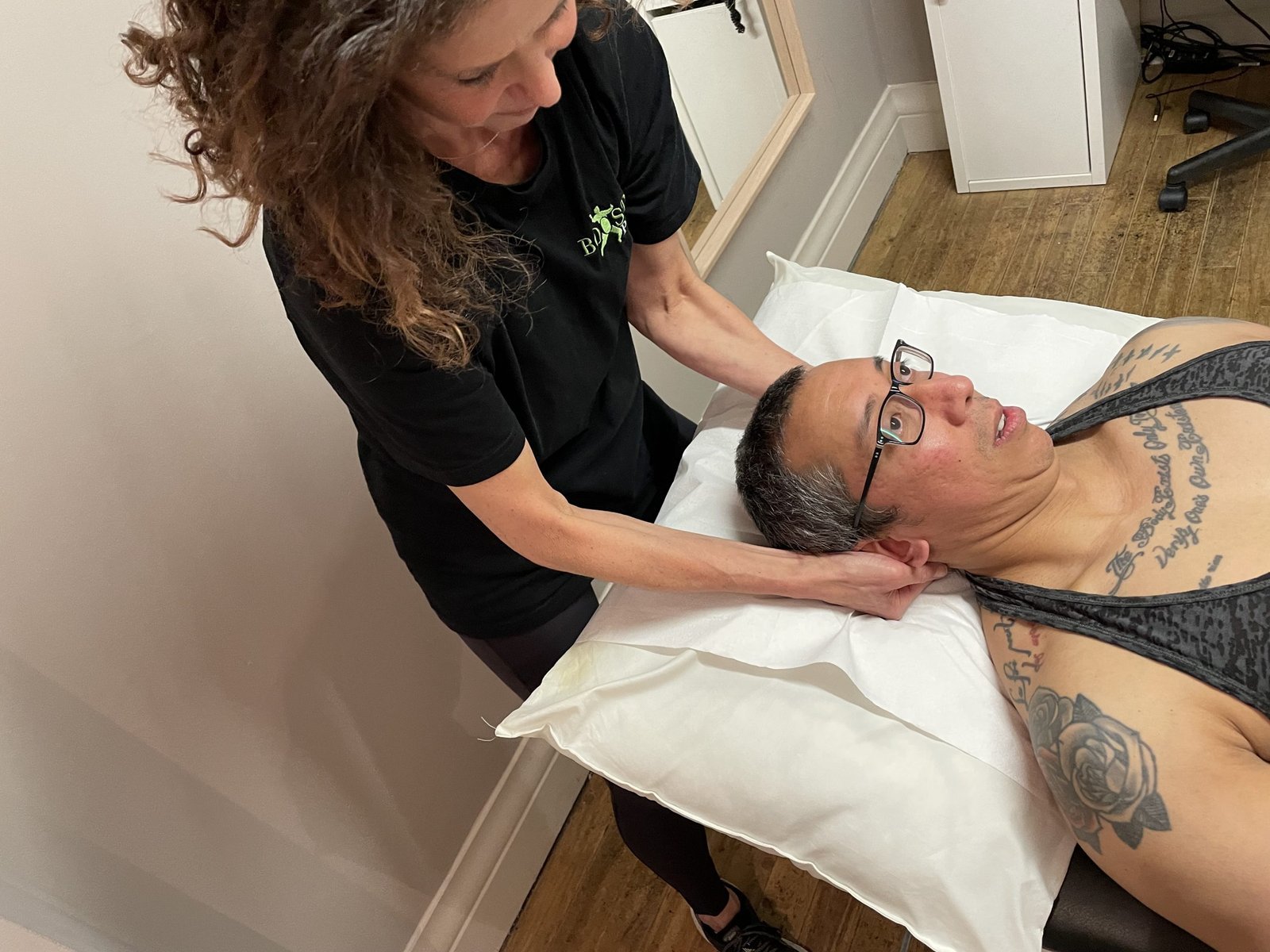
Katy Abrahams
Senior Physiotherapist
Katy works across East Finchley and Muswell Hill, treating sports injuries, spinal pain and pain in pregnancy with a mix of hands-on care and progressive exercise.

Tosin Eyitayo
Specialist Physiotherapist
Tosin treats neck, back and shoulder pain and running injuries in East Finchley, combining hands-on treatment with exercise you can keep doing at home.

Nimal Selvarajah
Senior Physiotherapist
Nimal focuses on injury recovery and prevention, looking closely at how you move so the problem is less likely to come back.
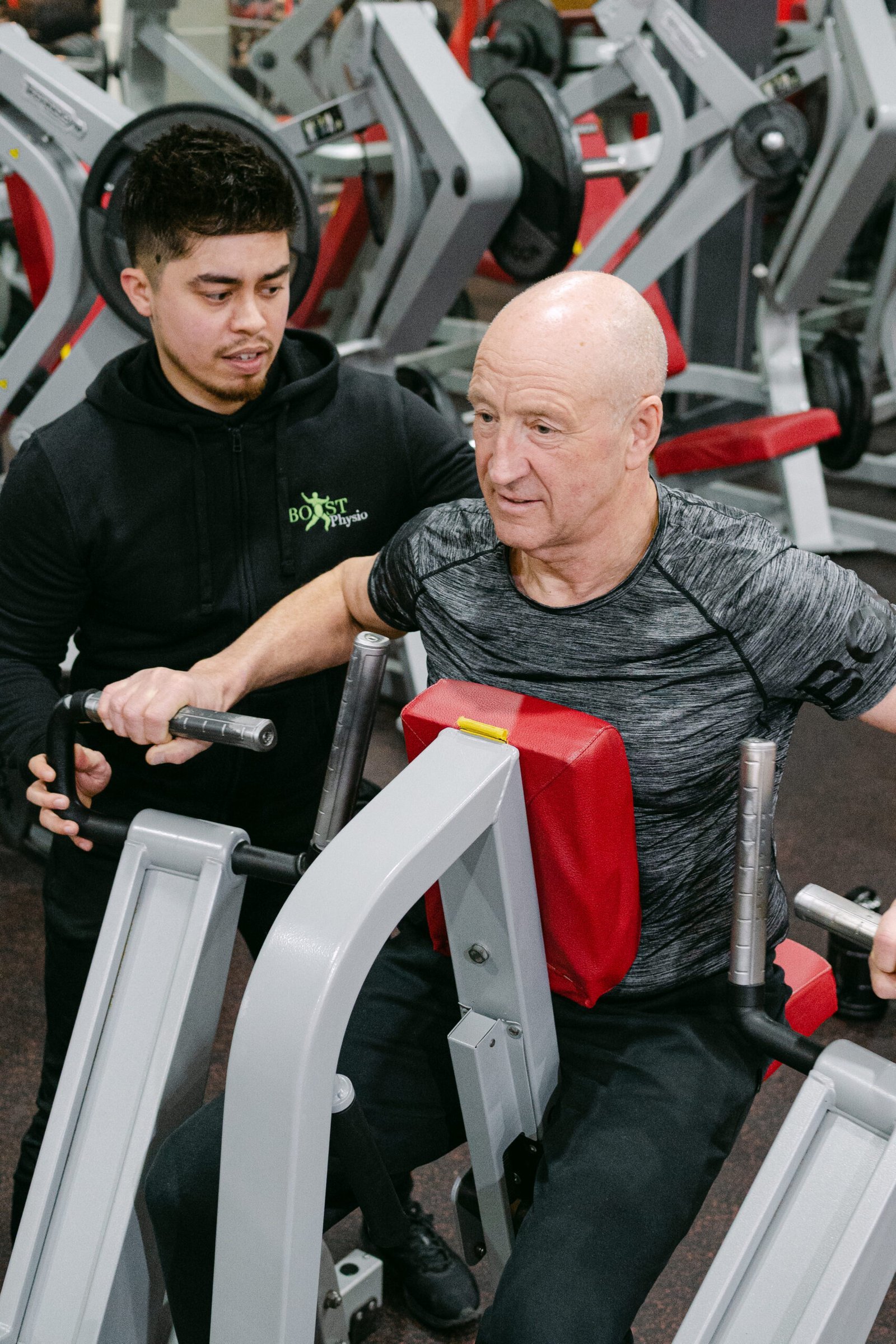
Dan Burgin
Sports Rehabilitation Therapist and Clinical Lead
Dan specialises in sports injuries and back pain, and in the strength work that gets you from pain-free to properly ready for sport.
What our East Finchley patients say
★★★★★
“I had an incredible experience working with Katy. From day one, she was warm, professional, and clearly an expert in her field.”
★★★★★
“Nimal was a true delight and did a grand job of working on my back… which now feels soooo much better!”
★★★★★
“Dan helped me recover from a running injury that was causing persistent back pain.”
Watch: sports rehab from our physios
Short videos showing the kind of rehab we use for sports injuries.
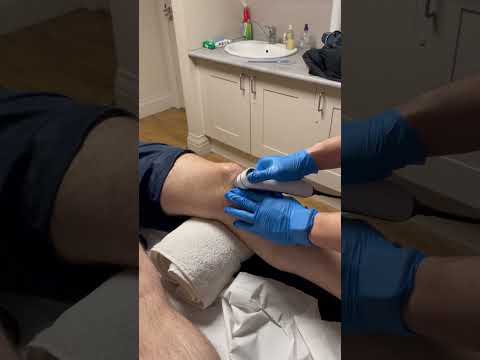
Dan in a rehab session focused on a knee injury

What to do in the first few days after an ankle sprain

Tosin on physiotherapy in East Finchley
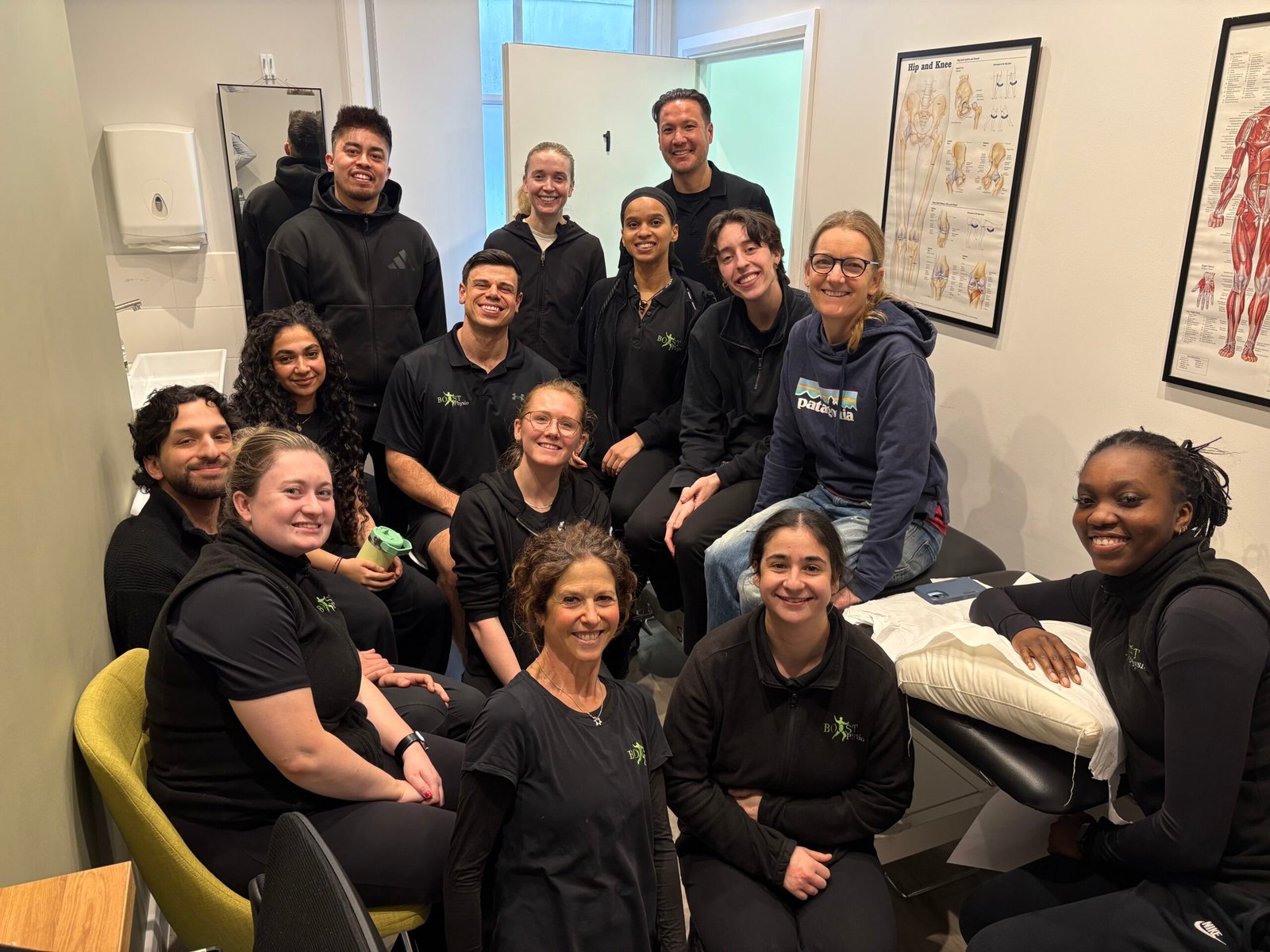
One clinic, the experience of a whole team
Something our patients don’t always realise is how much support sits behind each physio. Our team trains together twice a month and every physio has a dedicated mentor who reviews cases with them, so when you see us in East Finchley you get the experience of the whole BOOST PHYSIO group.
- Same day appointments, seven days a week across our clinics
- No GP referral needed
- Recognised by Bupa, AXA Health, Vitality, WPA and Aviva
Prefer another clinic? Book at BOOST PHYSIO Muswell Hill, Hampstead Garden Suburb or Hendon, or read more about our East Finchley clinic.
Get back to your sport
Book at East Finchley, the nearest BOOST PHYSIO clinic to North Finchley and Whetstone.
Related reading
Sports physio London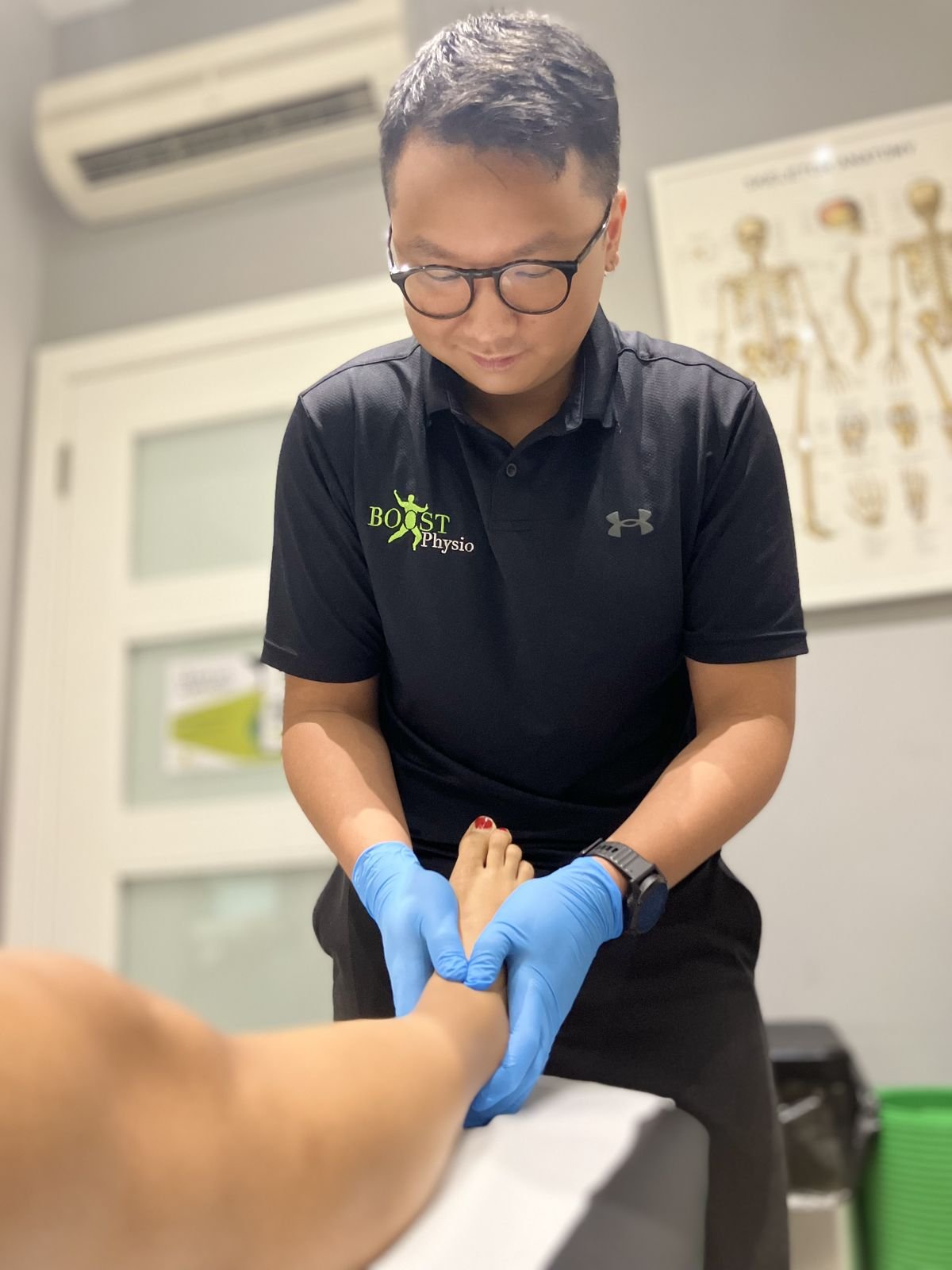 Ankle sprain physio
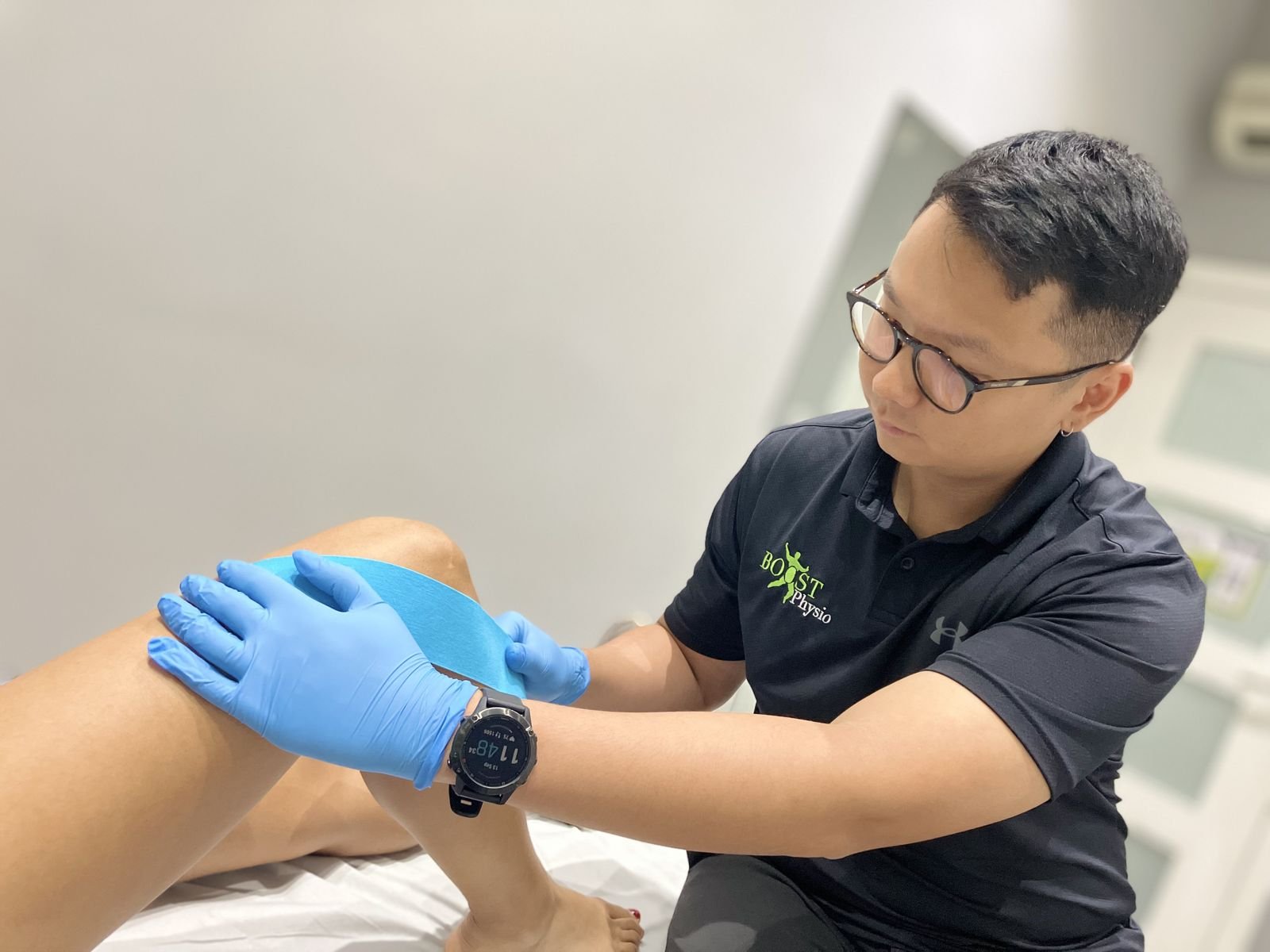 Knee pain physio
 Achilles tendon physio
 ACL reconstruction rehabPhysio for Finchley Central and West Finchley
Your questions answered
Which clinic is closest to North Finchley and Whetstone?
BOOST PHYSIO East Finchley at 200 High Road, N2 9AY is our closest clinic to North Finchley and Whetstone. Hendon and Hampstead Garden Suburb are also nearby.
Should I rest a sports injury or keep moving?
In most cases, gentle movement within comfort is better than complete rest. What you should avoid, and for how long, depends on the injury, which is why an early assessment helps.
Do I need a scan?
Most sports injuries can be diagnosed with a thorough assessment. If we suspect a significant ligament, tendon or bone injury, we will advise on a scan or a referral to a consultant.
How soon can I play again?
It depends on the injury and your sport. Minor strains can take a couple of weeks; ligament injuries can take months. We use strength and movement tests, not just the calendar, to decide.
Do I need a GP referral?
No. You can book directly online, by phone or on WhatsApp. If you are claiming on health insurance, check whether your insurer needs a GP referral first.
Can I use my health insurance?
Yes. We are recognised by Bupa, AXA Health, Vitality, WPA and Aviva. Bring your authorisation code to your first appointment.

Written and clinically reviewed by Steven Berkman, BSc Physiotherapy (University of Cape Town), HCPC-registered chartered physiotherapist, MCSP, founder of BOOST PHYSIO in 2008, with Simran Parti, Katy Abrahams, Tosin Eyitayo, Nimal Selvarajah and Dan Burgin at BOOST PHYSIO East Finchley. Last reviewed 12 November 2026.
References
- Doherty C et al. Recovery from a first-time lateral ankle sprain and the predictors of chronic ankle instability: a prospective cohort analysis. Am J Sports Med 2016;44:995-1003.
- Ardern CL et al. 2016 Consensus statement on return to sport from the First World Congress in Sports Physical Therapy, Bern. Br J Sports Med 2016;50:853-864.
- NHS. Sports injuries. nhs.uk.
This article is general information, not a diagnosis. If you are unsure what is causing your symptoms, book an assessment or speak to your GP. If you have severe or rapidly worsening symptoms, call 111 or 999.