
Frustrated with NHS physio?
Weeks between appointments?
Recovery runs on momentum. Here’s why long gaps between physio sessions hold people back and how to keep progressing.

Quick answer: Long gaps between physio appointments are common in stretched NHS services. The problem isn’t the gap itself but what happens in it: exercises don’t get progressed, technique slips, flare ups go unmanaged and motivation fades. In the early stages of recovery (especially after surgery) most people benefit from being seen every week or two. Later on, longer gaps are fine as long as you have a clear plan.
Why are there long gaps between NHS physio appointments?
Healthwatch England’s 2026 review of patient feedback included people waiting six weeks for a phone follow up after an assessment and others whose follow up was overdue by a month. It also noted there are no national standards for how often people should be seen.
Again, this is a capacity problem. When a service has a long waiting list, every follow up slot given to an existing patient is one not given to a new one. Physios are put in an impossible position and patients feel it.
Progressive overload: why your rehab has to keep moving forward
Why momentum matters in recovery
Your tissues adapt to the load you give them. To keep getting stronger, the challenge has to keep rising gradually. Physios call this progressive overload. Do the same three exercises for six weeks without progressing them and most people plateau.
Progression
Exercises that were right in week one are often too easy by week three. Without review, progress stalls.
Technique
Small errors creep in when nobody is watching. We often find patients doing an exercise slightly differently to how they were shown.
Flare ups
A bad week without support often means people stop exercising altogether. A quick adjustment keeps you on track.
Confidence
Patients tell us they weren’t sure if the pain they felt was normal, so they did less. Regular check ins answer that question.
Motivation
Knowing someone will check your progress next week is a powerful reason to do your exercises.
Early warning
After surgery especially, regular sessions spot stiffness or complications while there is still time to act.
Most people don’t fail at rehab. They just lose momentum when nobody is checking in.
Want to keep your recovery moving?
Book regular sessions at a time that suits you, 7 days a week.

How often should you see a physio?
There is no one size fits all, but as a guide from what works in our clinics:
- Early stage or after surgery: usually once or twice a week, to keep movement and strength on track
- Building phase: every one to two weeks while exercises are progressed
- Return to sport or activity: every two to four weeks with a clear programme in between
- Long standing problems: often less frequent but with clear goals for each session
For hip and knee replacements specifically, see our guides to physio after hip replacement and physio after knee replacement.
Making the most of the gaps between sessions
- Know your plan: which exercises, how many and how often
- Know how to progress: ask what to change when an exercise gets easy
- Know your limits: what level of discomfort is acceptable and what isn’t
- Film yourself: a quick video lets your physio check your technique
- Note your wins: walking further, sleeping better, fewer painkillers
- Know when to get in touch: don’t wait for the next appointment if something changes
Long gaps often go hand in hand with short appointments and being left with an exercise sheet.
Gaps between appointments at a glance
| Why they happen | Long waiting lists and limited follow up capacity |
|---|---|
| National standard for frequency? | None (Healthwatch England) |
| What gets lost | Exercise progression, technique, flare up support and motivation |
| Typical early stage frequency | Once or twice a week, especially after surgery |
| Later stages | Every two to four weeks with a clear plan in between |
Watch: progressing your rehab
Short videos from our physios on keeping recovery moving.
Knee exercises physios actually recommend
First 2 weeks after a knee replacement
Returning from a running injury: 3 exercises

Every tool for your best recovery
At BOOST PHYSIO, we believe your best recovery comes from having every tool available, not relying on just one. Our physiotherapists combine hands-on treatment with exercise rehabilitation built around you, then adjust it as you progress.
Something our patients don’t always realise is how much support sits behind each physio. Our team trains together twice a month and every physio has a dedicated mentor who reviews cases with them, so whichever clinic you visit you get the experience of the whole team.
- Same day appointments, seven days a week
- No GP referral needed to book
- Treatment recognised by Bupa, AXA Health, Vitality, WPA and Aviva
Find your nearest BOOST PHYSIO clinic: Borehamwood, Crouch End, East Finchley, Elstree, Hampstead, Hampstead Garden Suburb, Hendon, Kensington, Kentish Town, Mill Hill, Muswell Hill, Swiss Cottage Leisure Centre and West Hampstead. Same day appointments, 7 days a week, 8am to 9pm.
Keep your recovery on track
Same day appointments, 7 days a week. No GP referral needed.
Related reading
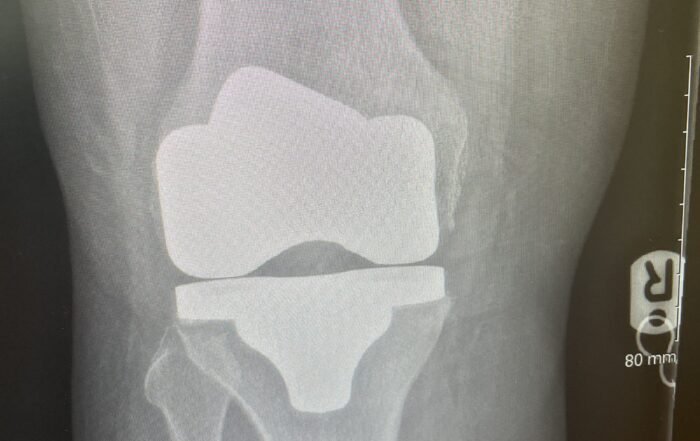 Total knee replacement rehab
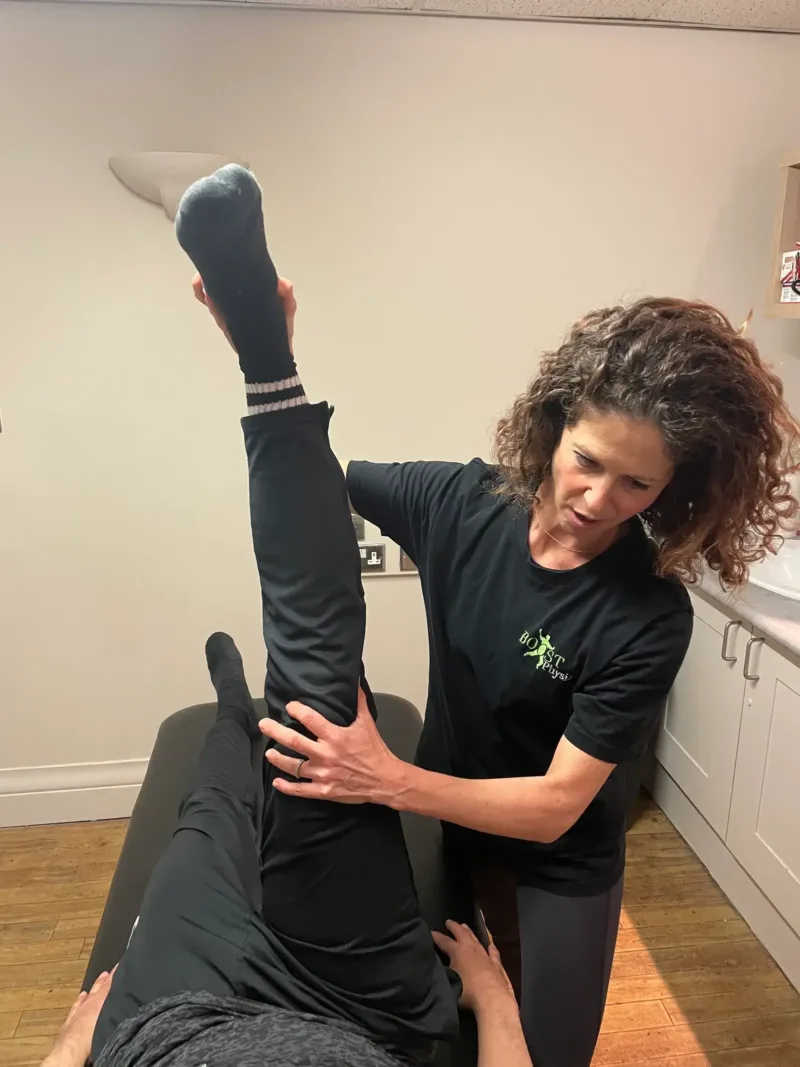 Recovering from a hip replacement
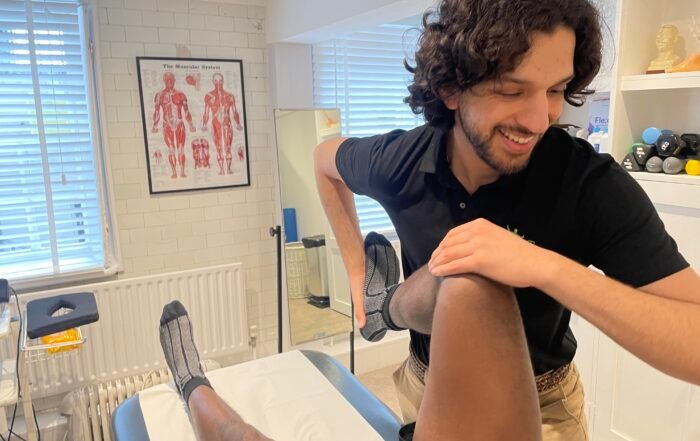 Knee pain physio
 Achilles tendon physio
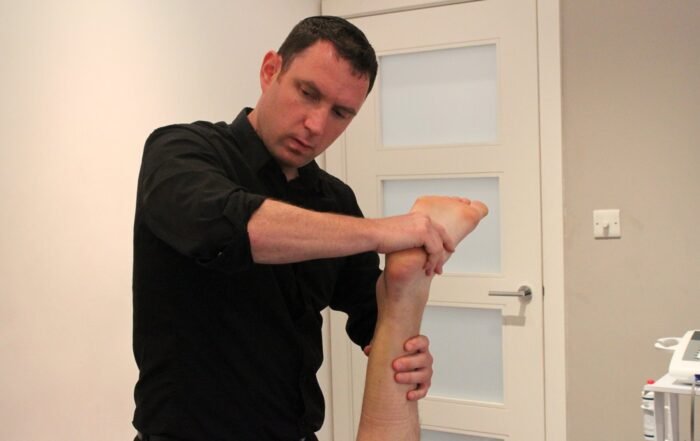 Ankle sprain physio
 Back to the gym after injury
Your questions answered
How often should I see a physio?
It depends on your stage of recovery. Early on (especially after surgery) once or twice a week is common. As you improve, every two to four weeks with a clear home programme often works well.
Why are there long gaps between NHS physio appointments?
High demand and limited follow up capacity. Healthwatch England also notes there are no national standards for how often patients should be seen.
Is it bad to have long gaps between physio sessions?
Not always. Later in recovery, longer gaps are fine with a clear plan. Early on, long gaps often mean exercises aren’t progressed and small problems aren’t picked up.
What should I do between physio appointments?
Follow your plan, know how to progress each exercise, keep a note of changes and contact your physio if something gets worse rather than waiting.
Can I have private physio in between NHS appointments?
Yes. Some patients see us between NHS sessions or after they’ve been discharged to finish their recovery.
How many physio sessions will I need?
It varies with the problem and your goals. We give you an honest estimate at your first appointment and review it as you progress.
This article is general information and not a substitute for an individual assessment. Sources: Healthwatch England, NHS physiotherapy: what people are telling us (May 2026). Written by the BOOST PHYSIO team, reviewed by Steven Berkman, Chartered Physiotherapist, MCSP, HCPC registered.