

Quick answer: a holistic approach to physiotherapy doesn’t replace hands-on treatment and exercise, it builds on it. It means treating your pain or injury as part of your whole life, not just the painful joint, combining manual therapy with tools like acupuncture, and equipping you with the confidence and know-how to manage your own recovery rather than relying on treatment alone.
Why this matters
When people picture physiotherapy, they usually picture the hands-on part, someone working on a stiff joint or talking you through an exercise. That’s a big part of what we do, but on its own it can leave a gap. Pain and injury rarely stay contained to just the tissue that’s damaged, and treatment that only addresses the physical side can miss what’s actually slowing someone’s recovery down.
What “holistic” actually means in physiotherapy
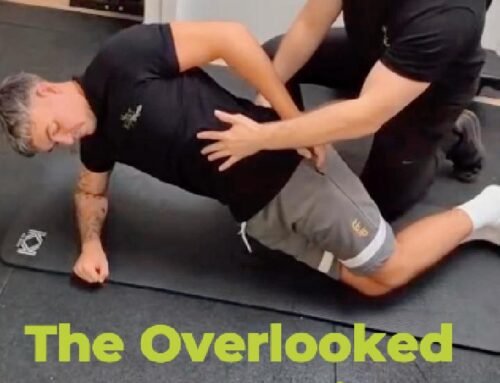
Holistic physiotherapy isn’t a replacement for hands-on treatment, it’s an addition to it. In practice, it means combining manual therapy with other tools when they’re appropriate, such as acupuncture, and being just as focused on empowering you with things you can do for your own recovery as on what happens during the appointment itself. It also means paying attention to the wider picture: how worried you are about your injury, what matters to you, and what you actually need to feel confident again, not only the mechanics of the joint or muscle involved.
Why our patients notice the difference
Abbiher Banfield, Senior Physiotherapist at our Mill Hill and Borehamwood clinics, brings a holistic approach to her treatment as standard, combining manual therapy with acupuncture, mindfulness and tailored rehabilitation depending on what each patient needs. One of her Mill Hill patients described exactly this in a recent five star review:
“Abbiher is THE BEST physio you will need. She gave me a thorough assessment on the first day, making sure everything was properly checked. With just a few exercises and sessions I am feeling much better. She is calm and kind and is always patient with me. Within a couple of weeks I am already feeling stronger and happier. I recommend her 100%.” — Titilopemi O., Mill Hill NW7, Google review
Abbiher puts it this way in her own words:
“As an experienced Senior MSK physiotherapist, I combine hands on treatment, movement-based rehab, and holistic health to help you recover, move better, and feel your best.” — Abbiher Banfield, Senior Physiotherapist, BOOST PHYSIO Mill Hill & Borehamwood
If acupuncture is new to you, we’ve written separately about how acupuncture can help with pain such as neck pain, including what it actually involves.
Is a holistic approach right for you?
If previous treatment for your pain or injury has focused purely on the physical side, hands-on work and a sheet of exercises, without much conversation about what’s worrying you or what you’re trying to get back to, that’s worth raising at your next appointment. Recovery tends to go further and faster when your treatment plan is built around you as a whole person, not just your scan or your diagnosis. This applies whether you’re dealing with a recent injury, a post-surgical recovery, or pain that’s been nagging for a while.
Our approach: every tool for your best recovery
At BOOST PHYSIO, we believe your best recovery comes from having every tool available, not relying on just one. That’s why our physiotherapists combine hands-on manual therapy with targeted exercise rehabilitation, tailored specifically to you and adjusted as you progress. We’ve seen first-hand, time and again, that patients get the best and most lasting results when both are used together. It’s the thinking behind our promise: Your Best Recovery, Guaranteed.
At BOOST PHYSIO Mill Hill, we offer:
- ✓ Same day and next day physiotherapy appointments, Monday to Thursday 8am to 9pm, Friday 8am to 3pm, weekends 9am to 4pm
- ✓ Hands-on manual therapy alongside acupuncture, mindfulness and gym-integrated rehabilitation
- ✓ Treatment recognised by Bupa, AXA Health, Vitality, WPA and Cigna
Book your assessment online now, call 020 8201 7788 or WhatsApp us. You’ll find our Mill Hill clinic inside Anytime Fitness, 1 Flower Lane, NW7 2JA, a five minute walk from Mill Hill Broadway station — see our Mill Hill clinic page for directions and parking.
Abbiher also treats patients at our Borehamwood clinic, where she recently helped a patient recover his confidence after ankle surgery — read that story in our related article on why listening matters as much as treatment after ankle surgery. You can see Abbiher’s full background on her physiotherapist profile, or browse our full BOOST PHYSIO team.
Frequently asked questions about holistic physiotherapy
Does a holistic approach mean I won’t get hands-on treatment?
What is acupuncture used for in physiotherapy?
Is a holistic approach suitable for post-surgical recovery?
Can I request a holistic approach at BOOST PHYSIO Mill Hill?
Written with Abbiher Banfield, Senior Physiotherapist at BOOST PHYSIO Mill Hill and Borehamwood, and the BOOST PHYSIO team. This article is general guidance and is not a substitute for an individual physiotherapy assessment.