Physio or osteopath: which should I see?
It’s one of the questions we’re asked most often, usually by someone in pain who just wants to see the right person quickly. Both professions can help, but there are real differences worth knowing.
★★★★★ 4.9 from 1,400+ Google reviews across our 13 clinics
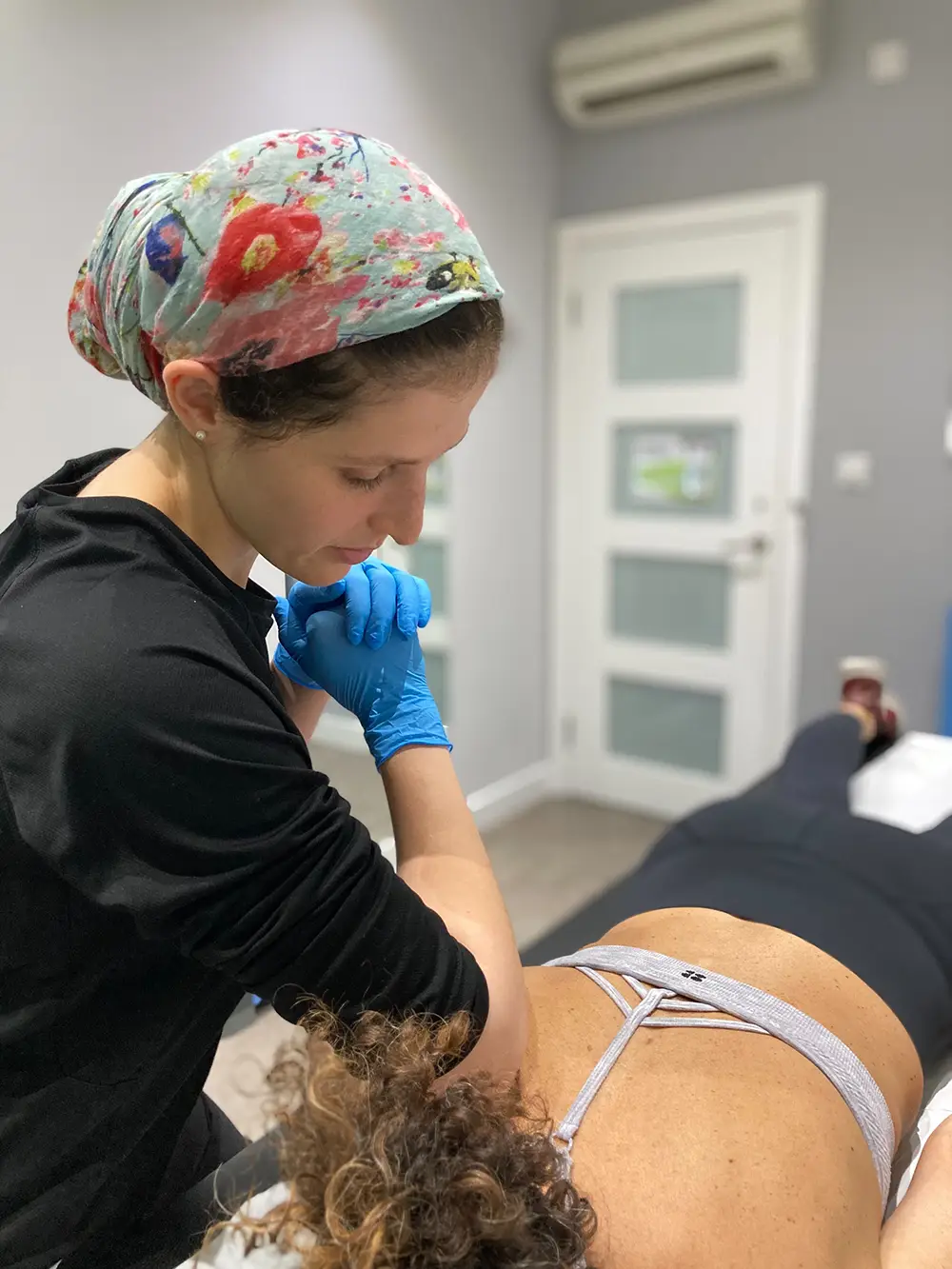
Quick answer: Both physiotherapists and osteopaths are regulated health professionals who treat muscle and joint pain. Physios are regulated by the HCPC and focus on assessment, hands-on treatment and exercise rehabilitation, including after surgery and sports injuries. Osteopaths are regulated by the GOsC and focus more on manual therapy. For rehab, surgery recovery or sport, a physio is usually the better fit.
What is the difference between a physio and an osteopath?
Physiotherapy and osteopathy overlap a lot. Both assess how your body moves, both use their hands to treat and both give advice and exercises. The differences are in training, where they work and how much of the treatment is hands-on compared with active rehab.
| Physiotherapist | Osteopath | |
|---|---|---|
| Regulator | Health and Care Professions Council (HCPC) | General Osteopathic Council (GOsC) |
| Protected title | Physiotherapist and physical therapist | Osteopath |
| Training | Degree in physiotherapy (3 year BSc or 2 year MSc) | Degree in osteopathy (usually 4 years) |
| Main approach | Assessment, hands-on treatment and exercise rehab | Mainly hands-on treatment, plus advice |
| Works in the NHS | Yes, widely, including hospitals and GP surgeries | Rarely |
| After surgery | Core part of the role | Less common |
| Health insurance | Covered by all major insurers | Covered by many insurers |
Physiotherapy is also a broader profession. Physios work with breathing problems in intensive care, stroke and neurological rehab, children, older people and women’s health, as well as muscles and joints. Most private physios, including ours, focus on muscle, joint, sports and post-surgery problems.
Both titles are protected by law, so anyone calling themselves a physiotherapist or an osteopath in the UK must be registered. You can check a physio on the HCPC register and an osteopath on the GOsC register.
Which should I see for my problem?
Back or neck pain
Both can help. A physio will add a strength and movement plan to stop it coming back.
Sports injury
A physio, ideally one with sports experience, for rehab back to running, football or the gym.
After surgery
A physio. Knee and hip replacement, ACL and shoulder surgery rehab are core physio work.
Pelvic floor and pregnancy
A women’s health physio, a specialist area of physiotherapy.
If you’re not sure, a physio is a safe first choice for almost any muscle, joint or nerve problem. If something needs a doctor or a scan, a physio will tell you and help arrange it. Read should I see a GP or a physio first?
Not sure who to see?
WhatsApp us your question, call or book online at any of our 13 clinics.
Physio and osteopath: the key facts
| Do I need a GP referral? | No, you can book either privately |
|---|---|
| Insurance | All major insurers cover physio. Check your policy for osteopathy |
| Hands-on treatment | Both use it. Good physios use it alongside exercise |
| Exercise rehab | Central to physiotherapy |
| NHS access | Physio is widely available on the NHS. Osteopathy rarely is |
Some people worry that physio means a sheet of exercises and nothing else. That isn’t how we work. Read what hands-on treatments help back pain to see the techniques we use.
How we help you recover at BOOST PHYSIO
Many of our patients have tried other treatments before they come to us. What they usually say they were missing is a clear explanation and a plan. At your first appointment we take a full history, examine how you move, test strength, flexibility and nerves and explain what we find in plain English.
We often see people who have had a lot of hands-on treatment that helped for a day or two, then the pain came back. That’s usually because the reason it started, such as weakness, stiffness or a sudden change in activity, hadn’t been addressed. Finding that reason is the part we care about most.
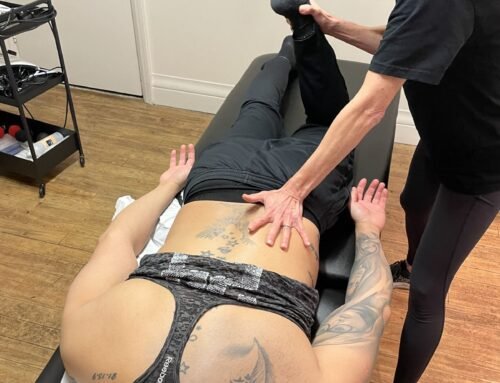
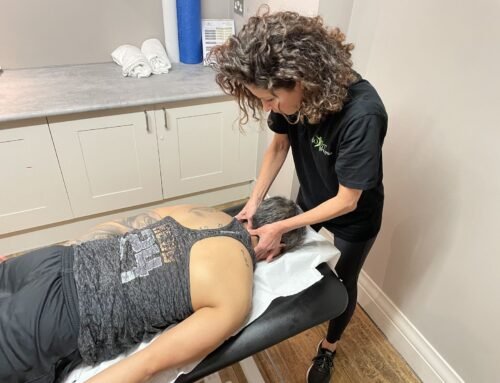
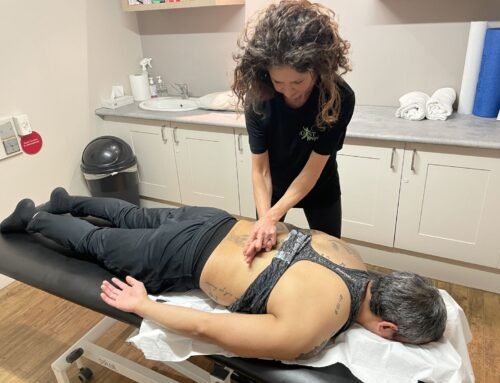
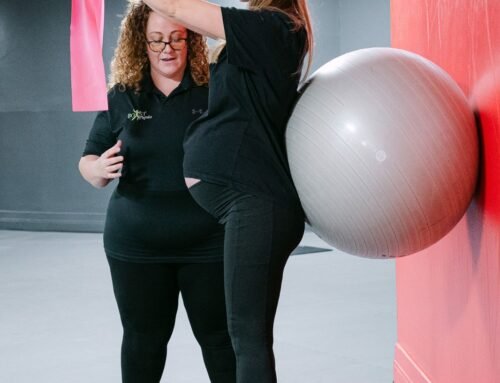
Then we treat. That usually means hands-on techniques such as joint mobilisation, soft tissue work or acupuncture, plus a few targeted exercises. Every one of our physios is chartered and HCPC registered, our team trains together twice a month and every physio has a mentor, so you get the experience of the whole team.
HCPC
regulates every physiotherapist in the UK
HCPC
No referral
needed to see a private physio
BOOST PHYSIO
Around 5
sessions on average for our patients to reach their goals
BOOST PHYSIO
Hands-on treatment helps you feel better. The right exercise plan keeps you better.
Can I see a physio and an osteopath at the same time?
You can, but it’s rarely needed. Two people treating the same problem in different ways can make it hard to know what’s working. It’s usually better to pick one, give it a fair trial of a few sessions and judge your progress against clear goals, such as sleeping through the night, walking for 30 minutes or getting back to the gym.
If you aren’t improving after 3 or 4 sessions with anyone, that’s a good time to ask questions. Is the diagnosis right? Is the plan being progressed? Do you need a scan or a specialist opinion? A good clinician will welcome the conversation.
The same goes for chiropractors, sports massage therapists and personal trainers. Each has a place. A physio can work alongside your trainer or coach, for example, to make sure your programme suits your injury and is building you up rather than flaring things up.
What should I ask before I book?
- Are you registered with the HCPC (physio) or GOsC (osteopath)?
- How long is the first appointment and what does it include?
- Will I get hands-on treatment and exercises?
- Do you have experience with my problem, sport or surgery?
- Are you recognised by my health insurer?
- How many sessions do patients usually need?
Good clinics are happy to answer these before you book. If you’d like to ask us, send us a WhatsApp and one of the team will reply. See our prices and what happens at your first appointment.
What our patients say
★★★★★
“Nimal was a true delight and did a grand job of working on my back… which now feels soooo much better!”
★★★★★
“She helped me bounce back from ruptured ankle ligaments in super quick time -back running In 6-7 weeks instead of 3 months+ that had been expected!”
★★★★★
“Rebecca was great, very professional and gave me exercises and stretches to do during my treatment and to continue afterwards.”
Watch: how our physios help
See what physiotherapy at BOOST PHYSIO looks like in clinic.

Neck Pain Hands On Treatment In NW London
Trapped Nerve In Neck? Hands On Treatment Options To Relieve Pain

How Physios Help People With Shoulder Pain
Got a question about your own pain or injury? Send it to our physios.
Get help at your nearest BOOST PHYSIO clinic
We help people with this at all 13 of our clinics across North London and Hertfordshire. Choose your nearest clinic to see the team, opening times and how to find us, or book straight in.
See a chartered physio this week
Same day appointments, no GP referral and recognised by the major insurers.
Related reading
 What hands-on treatments help back pain?Should I see a GP or a physio first?Your first physio appointment
 Back pain physio
Your questions answered
Is an osteopath the same as a physio?
No. Both are regulated health professionals who treat muscle and joint problems, but they train differently, are regulated by different bodies and physiotherapy puts more emphasis on exercise rehab.
Is a physio or osteopath better for back pain?
Both can help. NICE recommends exercise for low back pain, with manual therapy alongside it. A physio combines both, which also helps stop the pain coming back.
Does health insurance cover osteopathy?
Many policies do, but not all. Physiotherapy is covered by all the major insurers. Check your policy before booking.
Can a physio crack my back?
Some physios use manipulation, but many techniques are gentler. We choose what suits your problem and comfort.
Do I need a referral to see a physio?
No. You can book a private physio directly. Some insurers ask for a GP referral, so check with them first if you’re claiming.

Written and clinically reviewed by Steven Berkman, BSc Physiotherapy (University of Cape Town), HCPC-registered chartered physiotherapist, MCSP, founder of BOOST PHYSIO in 2008, with Finlay McDonald and Martin Sarembock at BOOST PHYSIO Crouch End. Last reviewed 12 November 2026.
References
- Health and Care Professions Council. Physiotherapists. hcpc-uk.org.
- General Osteopathic Council. About osteopathy. osteopathy.org.uk.
- National Institute for Health and Care Excellence. Low back pain and sciatica in over 16s (NG59). 2016, updated 2020.