When can I start running again after having a baby?
Lots of new mums tell us running is the thing they miss most. It’s fresh air, headspace and a bit of time for you. Getting back to it safely is very possible with a little preparation.
★★★★★ 4.9 from 1,400+ Google reviews across our 13 clinics
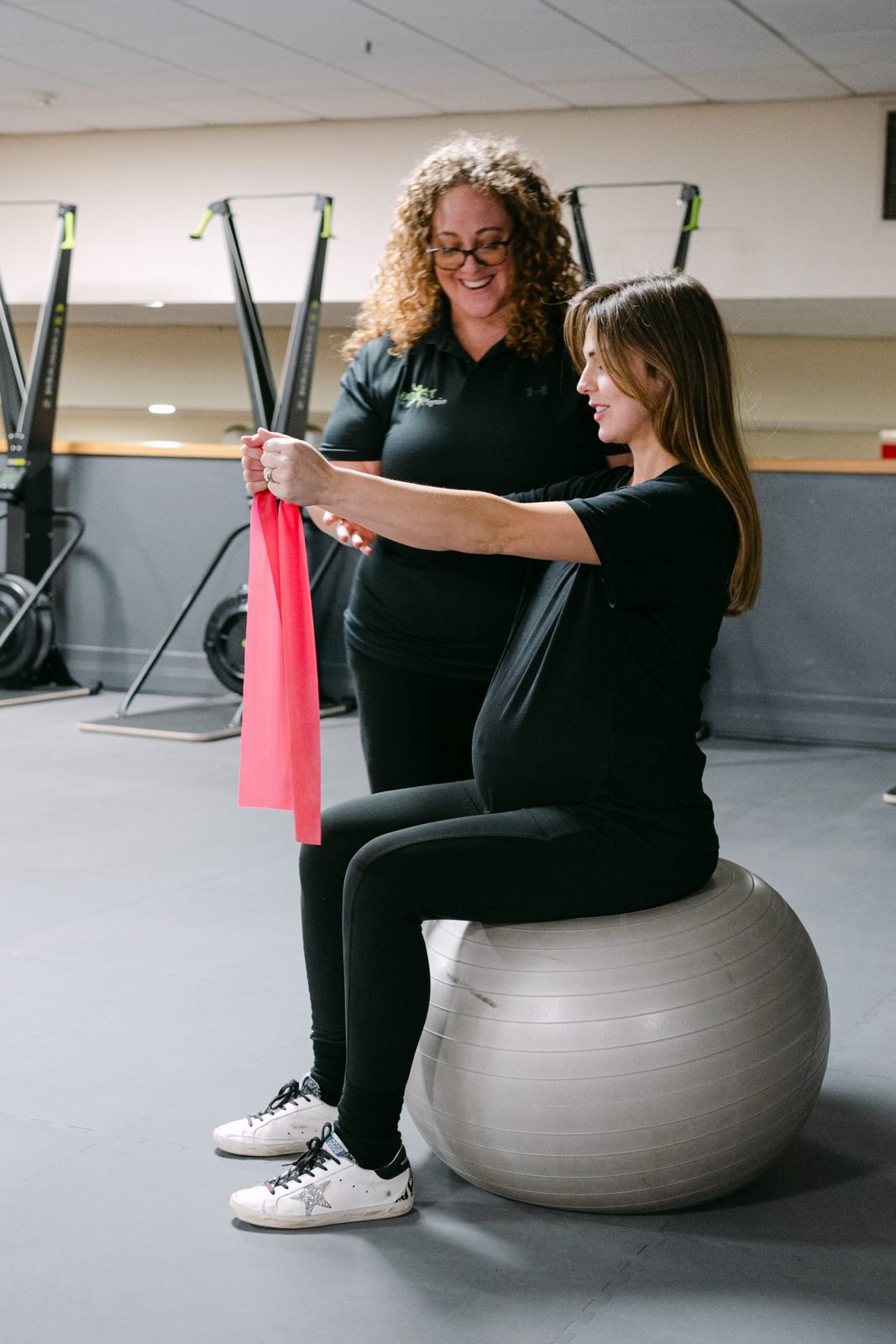
Quick answer: UK return-to-running guidelines suggest waiting at least 12 weeks after giving birth before you start running, whether you had a vaginal birth or a caesarean. Before then, walk, do your pelvic floor exercises and build strength. Pass a few simple load and strength tests first. See a women’s health physio if you have leaking, heaviness or pain.
How soon after birth can I run?
In 2019 three UK physiotherapists, Tom Goom, Gráinne Donnelly and Emma Brockwell, published return-to-running guidelines for postnatal women. They recommend no running before 12 weeks after birth, then a gradual build-up after that. Your body has a lot to recover: your pelvic floor, your tummy muscles and, after a caesarean, a healing scar.
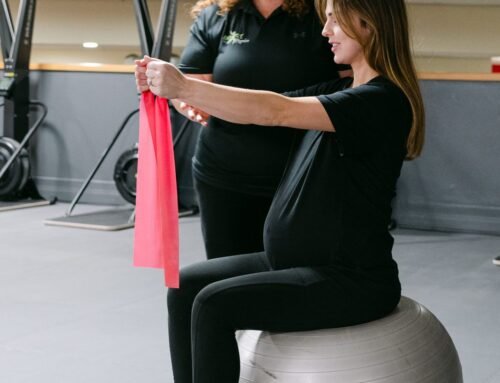
In the first weeks, focus on gentle walks, your pelvic floor and deep tummy muscles. Get comfortable lifting and carrying your baby. From around 6 to 8 weeks, once you’ve had your postnatal check, you can usually start more structured strength work such as bridges, squats and calf raises.
Twelve weeks is a minimum, not a target. Some women are ready soon after, others need longer, especially after a difficult birth, a large tear or if you’re feeling very tired.
A typical timeline back to running (weeks after birth)
Source: Goom, Donnelly and Brockwell 2019; NHS postnatal guidance
| Earliest return to running | 12 weeks after birth (UK guidelines) |
|---|---|
| Caesarean birth | Same minimum, plus allow the scar to heal |
| Before running | Walking, pelvic floor exercises and strength work |
| Warning signs | Leaking, heaviness, bulging, pelvic or back pain |
| Breastfeeding | A well-fitted supportive bra makes running more comfortable |
How do I know my body is ready?
The guidelines suggest a few simple tests. If you can do these without leaking, heaviness or pain, you’re likely ready to start a gentle run-walk plan.
| Test | Aim | What it tells you |
|---|---|---|
| Walking | 30 minutes | Your base fitness and pelvic floor endurance |
| Balance on one leg | 10 seconds each side | Control around the hip and pelvis |
| Single leg squat | 10 each side | Strength and control for landing |
| Jog on the spot | 1 minute | How your pelvic floor copes with impact |
| Hop on the spot | 10 each leg | Readiness for the bounce of running |
| Single leg calf raise | 20 each side | Calf strength to absorb each stride |
If one test is hard, that isn’t a fail. It shows you what to work on. A women’s health physio can check your pelvic floor and tummy muscles properly and give you a plan.
Want a postnatal check before you run?
WhatsApp us your question, call or book online at any of our 13 clinics.
What about my pelvic floor and tummy gap?
Leaking when you cough, laugh or jump is common after having a baby, but it isn’t something you just have to live with. Pelvic floor exercises help most women. The NHS recommends doing them every day. A feeling of heaviness or dragging in the vagina can be a sign of prolapse and is worth getting checked before you run.
Many women also have a gap between their tummy muscles, called diastasis recti. It usually narrows in the months after birth. The aim isn’t to close it completely but to get the muscles working well together, which a physio can assess and help with. Read more about pelvic health physio.
- Leaking when you run, jump or cough
- Heaviness or dragging in the vagina
- A bulge or doming down the middle of your tummy
- Pain in your pelvis, back or scar
How we help you recover at BOOST PHYSIO
Our women’s health physios see a lot of new mums who want to get back to running, the gym or simply carrying a car seat without pain. We start by asking about your birth and how you’re feeling, then check your posture, breathing, tummy muscles and, with your consent, your pelvic floor.
From there we build a plan that fits around a baby: short sessions, exercises you can do on the living room floor and a clear run-walk progression when you’re ready. We check in as you go and adjust it, because sleep and energy change week to week.
12 weeks
is the earliest suggested return to running
Goom et al, 2019
Daily
pelvic floor exercises are recommended
NHS
Around 5
sessions on average for our patients to reach their goals
BOOST PHYSIO
Running after a baby is absolutely possible. We help you get there without leaking, pain or setbacks.
What does a safe return to running look like?
Start with run-walk intervals, for example 1 minute of easy running and 1 minute of walking, repeated for 15 to 20 minutes, two or three times a week. If that feels good, slowly add more running and less walking. Keep a rest day between runs at first.
Expect a few runs to feel strange. Your balance, breathing and stride can all feel different for a while, especially if you’re short on sleep. That’s normal. What we want to avoid is pushing through warning signs, because a few extra weeks of strength work now can save months of problems later. Many of our patients find a regular slot, such as an early run while a partner does the morning feed, makes it easier to stick with.
Go slow
Easy pace on flat ground. Hills and speed can wait.
Build strength
Keep doing your strength exercises two or three times a week alongside running.
Listen to your body
Leaking, heaviness or pain mean ease back and get checked.
See your GP or midwife first if you have
- Heavy bleeding or bleeding that has come back
- A caesarean scar that is red, hot or weeping
- Chest pain or breathlessness
- Pain or swelling in one calf
What our patients say
★★★★★
“Rebecca has helped me to run again following postpartum pelvic pain. Her guidance has completely changed the course of the recovery.”
Watch: pelvic floor and postnatal recovery
Short videos from our physios about the pelvic floor and recovery after having a baby.

Pelvic floor issues after having a baby?

Women’s Health Physio in Hampstead explains that your pelvic floor might not actually be too weak
Got a question about your own pain or injury? Send it to our physios.
Get help at your nearest BOOST PHYSIO clinic
We help people with this at all 13 of our clinics across North London and Hertfordshire. Choose your nearest clinic to see the team, opening times and how to find us, or book straight in.
Get back to running with confidence
Women’s health physio and postnatal rehab, no GP referral needed.
Related reading
 Pelvic health physio
 Is it normal to feel sore after physio?Calf strain: when can I run again?What happens at your first physio appointment?
Your questions answered
Can I run 6 weeks after having a baby?
UK guidelines suggest waiting until at least 12 weeks. Walking, pelvic floor exercises and strength work are a better focus in the first 12 weeks.
Is leaking when running normal after a baby?
It’s common, but it isn’t something to ignore. It usually means your pelvic floor needs more strength or better timing. A women’s health physio can help.
When can I run after a caesarean?
The same 12-week minimum applies, as long as your scar has healed well. Your tummy muscles and scar need extra care, so build up gently.
Can I run while breastfeeding?
Yes. A supportive sports bra, feeding before you run and drinking plenty of water all help.
Do I need a referral for a postnatal physio check?
No. You can book directly with us without a GP referral.

Written and clinically reviewed by Steven Berkman, BSc Physiotherapy (University of Cape Town), HCPC-registered chartered physiotherapist, MCSP, founder of BOOST PHYSIO in 2008, with Finlay McDonald and Martin Sarembock at BOOST PHYSIO Crouch End. Last reviewed 12 November 2026.
References
- Goom T, Donnelly G, Brockwell E. Returning to running postnatal: guidelines for medical, health and fitness professionals managing this population. 2019.
- NHS. Pelvic floor exercises. nhs.uk.
- NHS. Your body after the birth. nhs.uk.