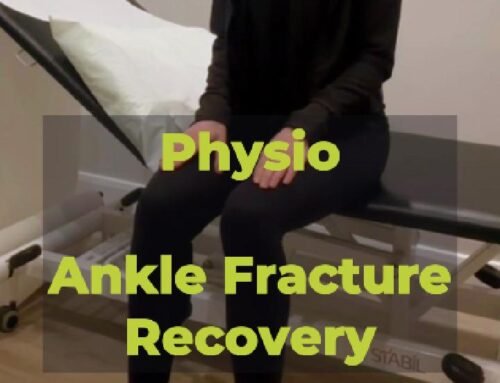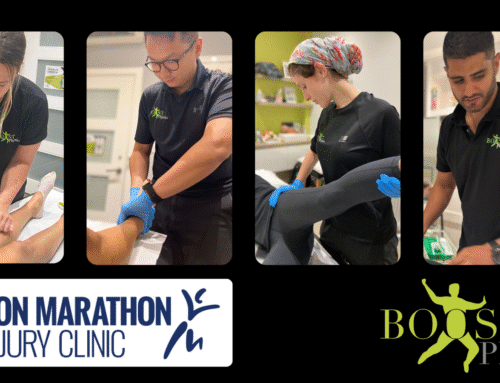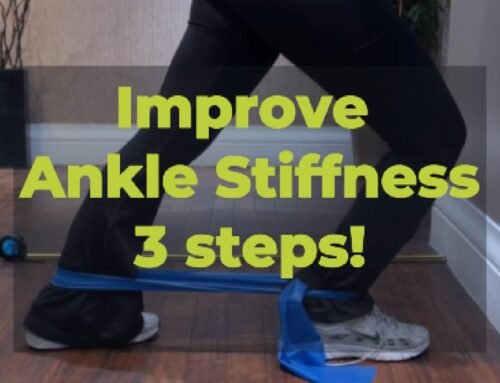

Quick answer: recovering from an ankle fracture and surgery is only partly about the ankle itself. Feeling anxious about putting weight through it again is completely normal, and addressing that alongside the physical rehab, through listening and involving you in decisions about your own recovery, is often what makes the biggest difference to how quickly and confidently you get back to full activity.
Why this matters
An ankle fracture that needs surgery, an ORIF procedure where the bone is held together with plates and screws while it heals, is a significant injury. It’s easy to assume that once the bone has healed and the physical rehab is done, recovery is complete. In practice, a lot of patients are left with something less visible but just as limiting: a lack of confidence in the ankle itself, a hesitation before jumping, running or even walking normally on uneven ground.
Why ankle surgery recovery is about more than the bone
After an ORIF, your ankle genuinely is weaker and stiffer for a while, and it needs a structured, progressive rehab programme to rebuild strength, range of movement and balance. But how anxious you feel about re-injuring it plays a real part too. Fear of movement after a significant injury is well recognised in physiotherapy and can slow recovery down in its own right, quite separately from how well the bone itself has healed. Patients who don’t trust their ankle yet tend to move more cautiously, which can actually get in the way of building the strength and confidence they need.
Why listening is part of the treatment, not separate from it
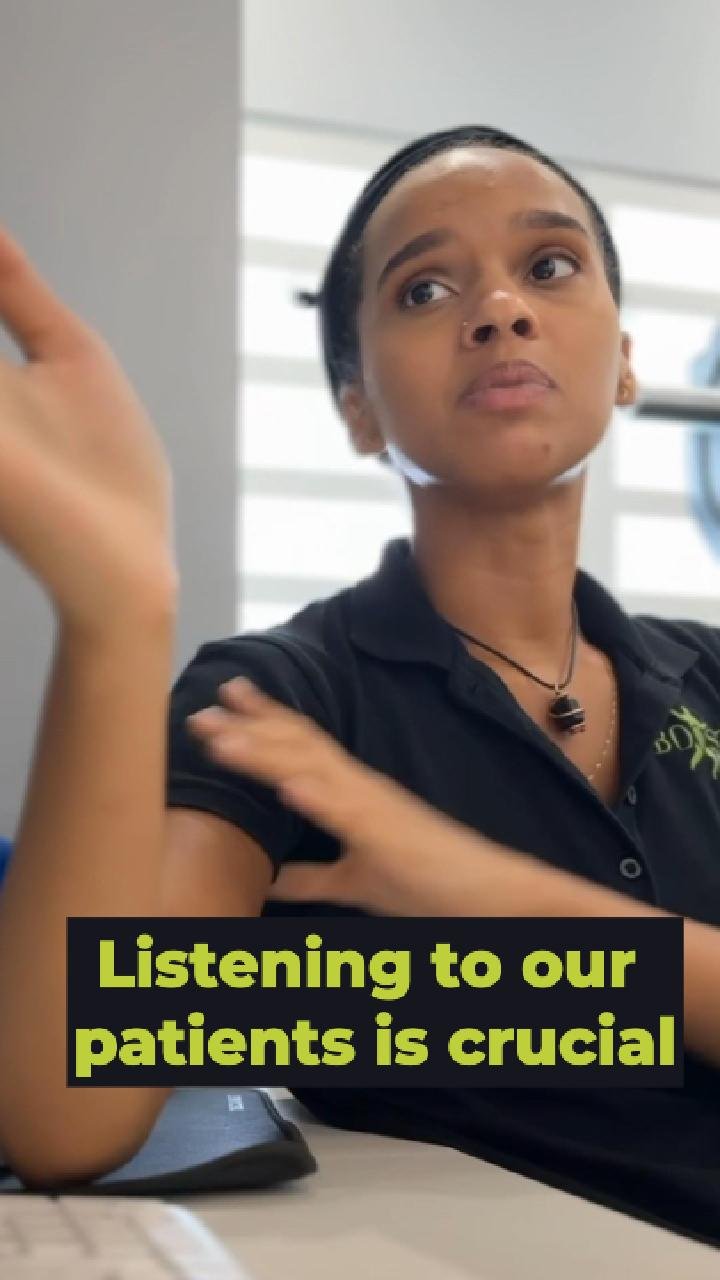
Abbiher Banfield, Senior Physiotherapist at our Borehamwood and Mill Hill clinics, saw this recently with a patient recovering from an ankle fracture and ORIF surgery. He was understandably anxious when he first came to see her, still cautious about putting proper weight through the ankle. Rather than simply running him through a standard post-operative programme, Abbiher spent time listening to what he was actually worried about and involved him in deciding what his recovery should look like. That combination, hands-on treatment plus a genuine say in his own rehab, helped get him back to jumping and bouncing on the ankle with confidence again.
This isn’t just a nice way to treat people, it has a name in physiotherapy research: shared decision making, where the clinician’s expertise and the patient’s own goals and concerns shape the treatment plan together, rather than the plan being handed down. It’s increasingly recognised as something that should be a routine part of good physiotherapy practice, not an optional extra.
“My goal is to not only treat injuries but to empower people with the tools to build long term strength, mobility, and holistic resilience.” — Abbiher Banfield, Senior Physiotherapist, BOOST PHYSIO Borehamwood & Mill Hill
When it’s worth raising this with your physio
If you’re recovering from an ankle fracture, ORIF surgery or any significant lower limb injury and you notice you’re still hesitant about weight-bearing, jumping or changing direction well after the bone itself should have healed, that’s worth talking about openly at your next session. It’s a normal part of recovery for a lot of people, and it responds well to being addressed directly rather than just waiting for confidence to return on its own. If you’re not being asked what you’re worried about or what you want to get back to, it’s fair to ask for that conversation yourself.
Our approach: every tool for your best recovery
At BOOST PHYSIO, we believe your best recovery comes from having every tool available, not relying on just one. That’s why our physiotherapists combine hands-on manual therapy with targeted exercise rehabilitation and, just as importantly, genuinely listen to what matters to you, tailored specifically to you and adjusted as you progress. We’ve seen first-hand, time and again, that patients get the best and most lasting results when treatment is built around them. It’s the thinking behind our promise: Your Best Recovery, Guaranteed.
At BOOST PHYSIO Borehamwood, we offer:
- ✓ Same day physiotherapy appointments, Monday to Thursday 8am to 9pm, Friday 8am to 3pm, plus weekends 9am to 4pm
- ✓ Post-surgical rehabilitation coordinated directly with your orthopaedic consultant’s protocol
- ✓ Treatment recognised by Bupa, AXA Health, Vitality, WPA, Cigna and Aviva
Book your assessment online now, call 020 8201 7788 or WhatsApp us. You’ll find our Borehamwood clinic inside Anytime Fitness, Borehamwood Shopping Park, Theobald Street, WD6 4PR — see our Borehamwood clinic page for directions and parking.
If you’re closer to our Mill Hill clinic, Abbiher also treats patients there — read more about BOOST PHYSIO Mill Hill, or see her full background on her physiotherapist profile. We’ve also written about sports injury rehabilitation more broadly, and about why a holistic approach, hands-on treatment, acupuncture and empowering you with self-management tools together, often gets the best results, in our related article on what a holistic approach to physiotherapy actually means.
Frequently asked questions about recovering from ankle surgery
Is it normal to feel anxious about putting weight through my ankle after surgery?
How long does recovery from an ankle fracture and ORIF surgery usually take?
What does “shared decision making” mean in physiotherapy?
Does BOOST PHYSIO Borehamwood offer post-surgical rehabilitation for ankle fractures?
Written with Abbiher Banfield, Senior Physiotherapist at BOOST PHYSIO Borehamwood and Mill Hill, and the BOOST PHYSIO team. This article is general guidance and is not a substitute for an individual physiotherapy assessment. Reference: Hoffmann T et al., "Shared decision making should be an integral part of physiotherapy practice", PubMed 32026834; Physical Therapy Journal, 98(12):1022, framework for shared decision making in physical therapy.