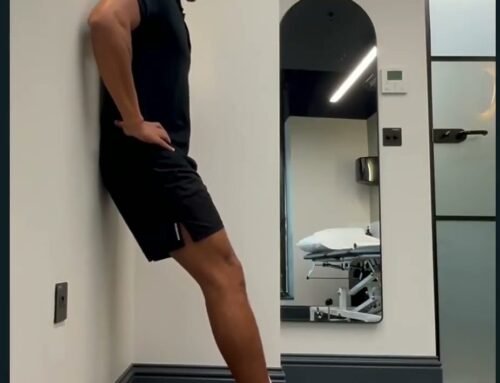

Rehab after surgery, from your first week home
Many of our Swiss Cottage patients have their operations at the private hospitals around St John’s Wood and central London. The surgery is only half the job. The rehab that follows decides how well you get back to walking, work and sport.
★★★★★ 5.0 on Google from 305 reviews of our Swiss Cottage clinic

Quick answer: Start physio when your surgeon advises, often within the first week or two for knee and hip replacements and ACL reconstruction. Our Swiss Cottage clinic, NW3 3NF, close to St John’s Wood, follows your surgeon’s protocol, checks for early problems and builds you back step by step, with a gym on site for the later stages.
When should physio start after surgery?
Always follow your surgeon’s guidelines first. Where they allow, we usually see knee and hip replacement patients around a week after the operation, to check your walking, your exercises, the wound and any early warning signs such as calf swelling. After ACL reconstruction and shoulder surgery the timing depends on the procedure and your surgeon’s protocol.
Then we typically see you once or twice a week until you can manage stairs without a stick and drive, before focusing on getting you back to your hobbies at around 6 to 12 weeks.

Physio exercises for the first two weeks after surgery
Knee replacement
Total and partial
Bend, straighten and strength, then walking without aids and stairs.
Hip replacement
Getting back on your feet
Safe movement, strength and confidence for walking and daily life.
ACL reconstruction
Return to sport
A criteria-based programme from early swelling control to running and cutting.
Shoulder surgery
Rotator cuff, stabilisation
Protected early movement, then strength for reaching, lifting and sport.
Booked in for surgery?
Book your first rehab session now, so your plan starts as soon as your surgeon allows.
What rehab looks like, stage by stage
- Weeks 1 to 2: swelling and pain control, gentle movement, walking with aids and wound checks
- Weeks 2 to 6: range of movement, early strength and normal walking
- Weeks 6 to 12: progressive strength in the gym, balance and confidence on stairs and slopes
- After 12 weeks: sport and hobby specific training, with testing before you return
51%
lower risk of reinjury for each month return to sport was delayed, up to 9 months after ACL reconstruction
Grindem et al, BJSM 2016
1 to 2
sessions a week is typical in the early weeks after a joint replacement
BOOST PHYSIO approach
~5
sessions is typical for our patients to reach their goals
BOOST PHYSIO patient data

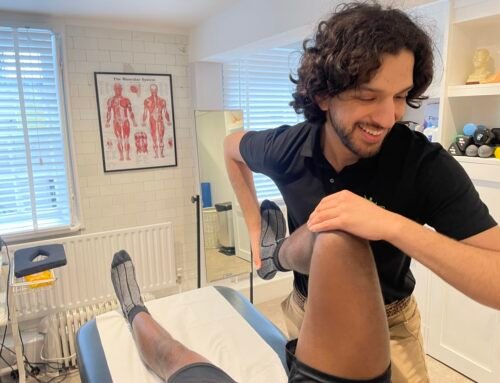
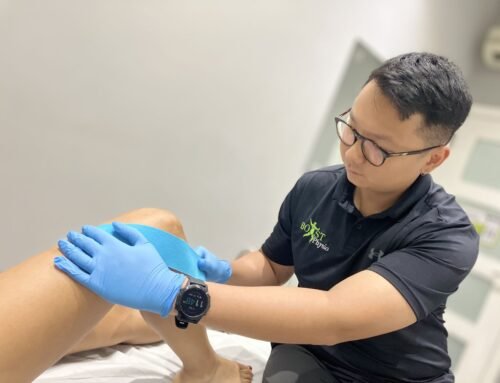
Physio rehab after knee surgery
Having a gym in the same building helps in the middle and later stages. We can move from the treatment room to leg press, cable machines and step work in the same session, so your exercises are tested properly before you do them alone.
Contact your surgeon or call 111 if you notice
- Calf pain, swelling or redness, or sudden breathlessness: call 999
- Increasing redness, heat, discharge or a fever around the wound
- A sudden loss of movement or a new clunk after shoulder or knee surgery
- Pain that is getting steadily worse instead of better
Meet your Swiss Cottage physios
Jason and Setareh both have a particular interest in rehab after surgery, Travis leads the team, and Dan runs the gym-based stages of your programme.

Jason Hui
Senior Physiotherapist
Jason treats sports injuries and guides patients through rehab after surgery, using hands-on treatment, acupuncture and shockwave where it helps.

Setareh Radfar
Chartered Physiotherapist
Setareh helps patients with back pain, sports injuries and recovery after surgery, with clear exercise plans you can fit around life.

Travis Egerton
Senior Physiotherapist and Clinical Lead
Travis leads our Hampstead and Swiss Cottage clinicians and has a particular interest in sports injuries, back pain and ankle problems.
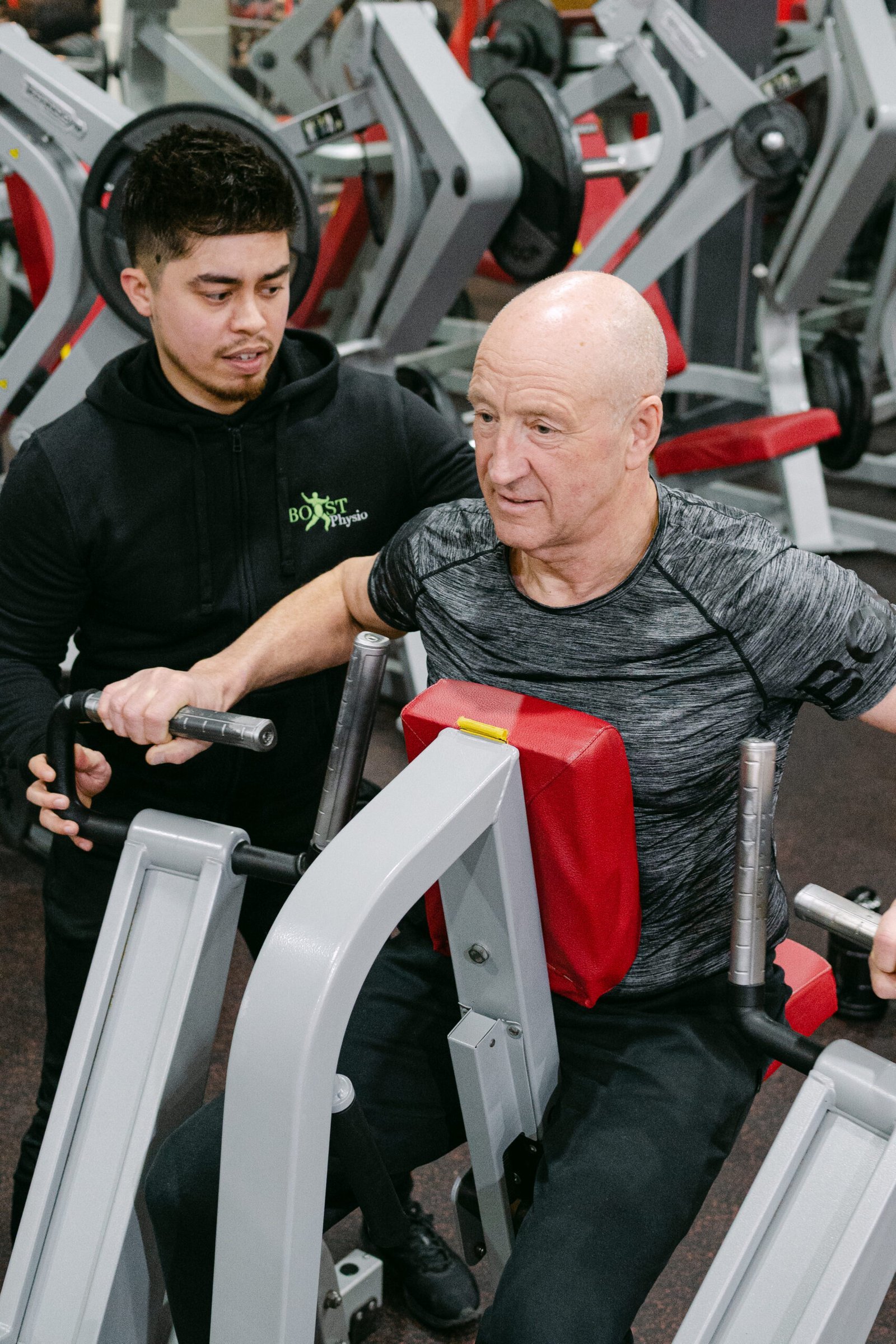
Dan Burgin
Sports Rehabilitation Therapist and Clinical Lead
Dan is a sports rehabilitation therapist who specialises in gym-based rehab, getting you strong and confident again after injury.
What our Swiss Cottage patients say
★★★★★
“He also gave me a set of exercises to do at home to continue with my recovery.”
★★★★★
“I am a triathlete who broke her collarbone from a bike accident a year ago, had a collarbone surgery and a consequent frozen shoulder but have two half Ironmans and an Ironman to complete this year.”
★★★★★
“Jason help reduce the pain in my shoulder from a 3-4 to a 0 in a few weeks, avoiding surgery.”
Watch: rehab after surgery
Videos from our physios and patients.
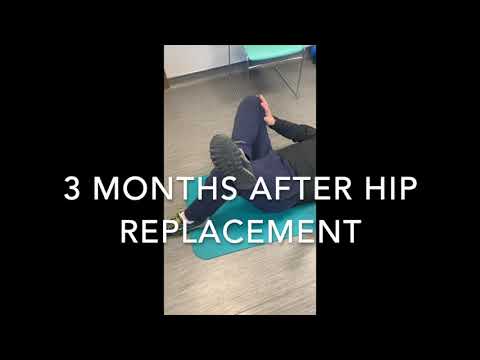
Recovery after total hip replacement
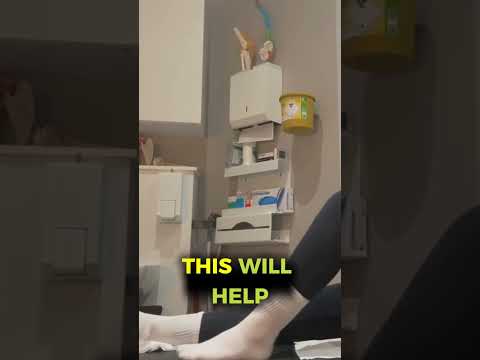
The first two weeks after total knee replacement
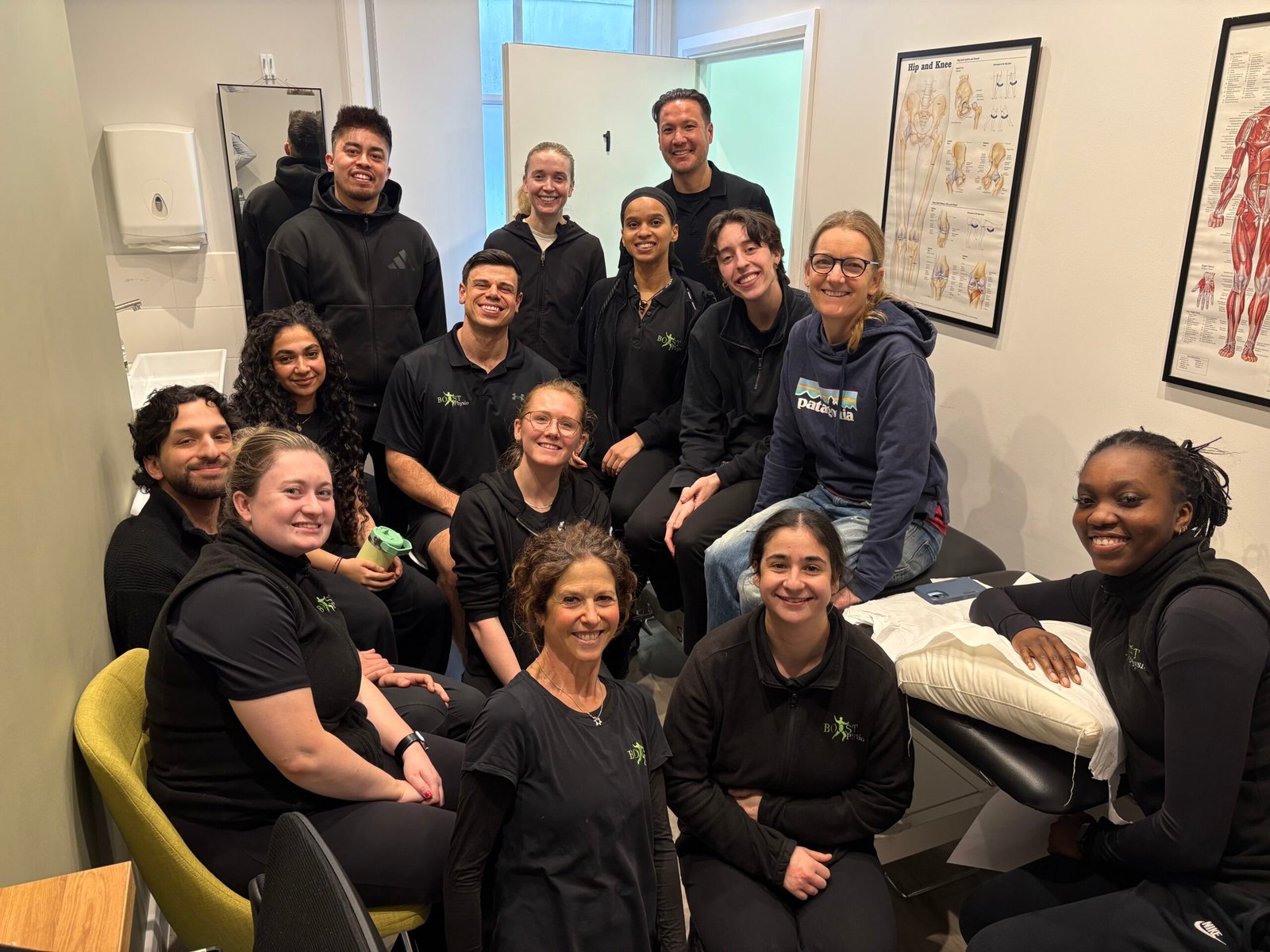
One clinic, the experience of a whole team
Something our patients don’t always realise is how much support sits behind each physio. Our team trains together twice a month and every physio has a dedicated mentor who reviews cases with them, so when you see us in Swiss Cottage you get the experience of the whole BOOST PHYSIO group.
- Same day appointments, seven days a week across our clinics
- No GP referral needed
- Recognised by Bupa, AXA Health, Vitality, WPA and Aviva
Prefer another clinic? Book at BOOST PHYSIO Hampstead, West Hampstead or Kensington, or read more about knee replacement rehab and ACL reconstruction rehab.
Plan your rehab with us
Book at BOOST PHYSIO Swiss Cottage, Swiss Cottage Leisure Centre, NW3 3NF.
Related reading

Your questions answered
How soon after a knee replacement should I see a physio?
If your surgeon agrees, around a week after the operation is a good time for your first private session, to check your walking, exercises and wound and to plan the weeks ahead.
Do you work with surgeons in St John’s Wood and central London?
Yes. We follow the protocol your surgeon gives you and can send updates to your consultant. Bring any discharge letter or exercise sheet to your first appointment.
Is there a gym for my rehab?
Yes. Our clinic is inside Swiss Cottage Leisure Centre, so the later stages of your rehab can happen in a fully equipped gym with your physio.
Can I use my health insurance?
Yes. We are recognised by Bupa, AXA Health, Vitality, WPA and Aviva. Bring your authorisation number and policy details and we will do the rest.
Do I need a GP referral to see a physio?
No. You can book directly with us online, by phone or on WhatsApp. If you are claiming on private medical insurance, check with your insurer first, as some ask for a GP or specialist referral.

Written and clinically reviewed by Steven Berkman, BSc Physiotherapy (University of Cape Town), HCPC-registered chartered physiotherapist, MCSP, founder of BOOST PHYSIO in 2008, with Jason Hui, Setareh Radfar, Travis Egerton and Dan Burgin at BOOST PHYSIO Swiss Cottage. Last reviewed 12 November 2026.
References
- Grindem H et al. Simple decision rules can reduce reinjury risk by 84% after ACL reconstruction: the Delaware-Oslo ACL cohort study. Br J Sports Med 2016;50:804-808.
- National Institute for Health and Care Excellence. Joint replacement (primary): hip, knee and shoulder (NG157). 2020.
This article is general information, not a diagnosis. If you are unsure what is causing your symptoms, book an assessment or speak to your GP. If you have severe or rapidly worsening symptoms, call 111 or 999.