How many physio sessions will I need?
It’s a fair question. You want to get better and you want to know what you’re signing up for in time and cost. While everyone is different, there are clear things that make recovery quicker or slower.
★★★★★ 4.9 from 1,400+ Google reviews across our 13 clinics
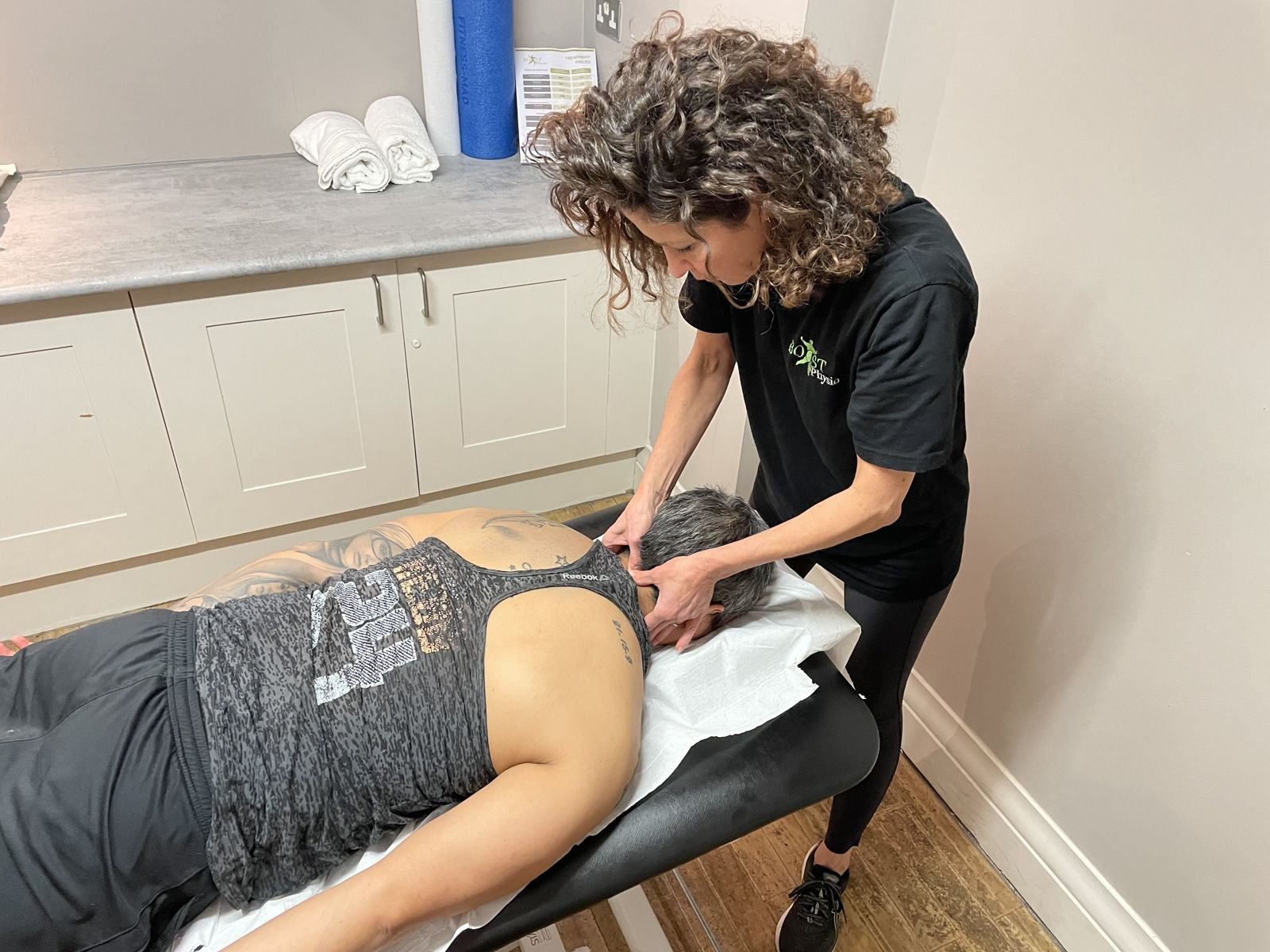
Quick answer: On average our patients reach their goals in around 5 sessions. Simple problems that started recently can need fewer. Long-standing pain, recovery after surgery or a return to high-level sport usually need more, spread over a longer time. Your physio should give you an estimate and a plan at your first appointment, then review it as you go.
What decides how many sessions I’ll need?
The number of sessions depends less on the body part and more on how long you’ve had the problem, how irritable it is and what you want to get back to. Someone who wants to walk the dog without pain needs a different plan from someone training for a marathon.
| Factor | Often fewer sessions | Often more sessions |
|---|---|---|
| How long you’ve had it | Days to a few weeks | Months or years |
| Cause | Clear trigger, such as a new activity | Gradual onset or several problems at once |
| Goal | Comfortable daily life | High-level sport or heavy manual work |
| Surgery | No surgery | Recovering from an operation, such as a knee replacement |
| Exercises at home | Done most days | Done occasionally |
| Sleep, stress and general health | Sleeping well, low stress | Poor sleep, high stress, other health conditions |
After surgery, rehab often runs for weeks to months, because tissues need time to heal and strength takes time to build. Read how much does physio after a knee replacement cost? for an example.
How often should I come to physio?
Early on, when pain is high and you’re learning the exercises, sessions are usually closer together, perhaps once a week. As you improve and become more independent, we space them out to every 2 to 3 weeks, giving you time to put the work in between visits.
Stage 1: calm it down
Reduce pain, explain what’s going on and start the right exercises. Often weekly.
Stage 2: build it up
Progress strength and movement towards your goals. Often every 1 to 2 weeks.
Stage 3: get you back
Return to sport, work or the things you love, with a plan to stay well. Every 2 to 4 weeks.
Strength takes time to build. Most strength programmes need at least 6 to 12 weeks of regular training to make meaningful changes in muscle, which is why your home exercises matter as much as your appointments.
Want a clear plan for your recovery?
WhatsApp us your question, call or book online at any of our 13 clinics.
How can I need fewer sessions?
The single biggest thing you can do is the exercises. They don’t need to take long. Most of our home programmes are 3 to 5 exercises that take 10 to 15 minutes and many can be done while the kettle boils or during a break at work.
Do the exercises
Little and often beats a long session once a week. Set a reminder on your phone.
Tell us what’s hard
If an exercise hurts or doesn’t fit your day, we’ll change it. There’s always another way.
Keep moving
Stay as active as your symptoms allow. Complete rest usually slows recovery.
Sleep and stress
Both affect pain. Small changes here can speed things up.
Before you leave each session we make sure you know exactly what to do until your next visit. If you’re unsure about an exercise at home, send us a WhatsApp and the team will help.
What does a course of physio cost?
| Average number of sessions | Around 5 to reach your goals (BOOST PHYSIO patients) |
|---|---|
| First appointment | 60 minutes is best for a full assessment and treatment |
| Follow-ups | 30 minutes, with hands-on treatment and exercise |
| Best value | A course of 5 x 30-minute sessions, paid in advance |
| Example full recovery | 60-minute first appointment plus a course of 5 comes to £490 at the physiotherapist rate |
You can see all our prices, including specialist physiotherapist rates and how insurance claims work, on our prices page. For a London-wide comparison read how much does private physio cost in London?
How we help you recover at BOOST PHYSIO
We’d rather get you better in fewer sessions than keep you coming back. At your first appointment we agree clear goals with you, such as running 5K, sleeping through the night or lifting your grandchild and tell you roughly how many sessions we expect it to take.
Each visit has a purpose. We check your progress against those goals, adjust your hands-on treatment and progress your exercises. When you can manage on your own, we tell you and give you a plan to keep going. If you aren’t improving as expected, we look again and, if needed, refer you for a scan or a specialist opinion.
Around 5
sessions on average for our patients to reach their goals
BOOST PHYSIO
6-12 weeks
for strength training to change muscle
Exercise science guidance
4.9
from 1,400+ Google reviews
BOOST PHYSIO
The best value physio is the one that gets you better and keeps you better.
How do I know physio is working?
- Your pain is less intense, less often or easier to settle
- You can do more: walk further, sleep better, lift more
- You understand what’s wrong and what to do if it flares
- Your physio is progressing your plan, not repeating the same session
If you’ve had 3 or 4 sessions and nothing has changed, ask why. A good physio will review the diagnosis and plan with you. Read is it normal to feel sore after physio? and what happens at your first appointment.
See a doctor rather than waiting for more physio if you have
- Pain that is steadily getting worse despite treatment
- Unexplained weight loss, fever or night sweats
- New numbness, weakness or bladder or bowel changes
- Pain that wakes you every night and doesn’t change with position
What our patients say
★★★★★
“Really enjoyed my sessions with Setareh at BOOST PHYSIO. She was friendly, informative, and helped to create a plan targeted at a return to sport.”
★★★★★
“Zoh unde was very professional and informative. She understood my shoulder problem and created a plan to help the pain.”
★★★★★
“I noticed real improvement and felt truly supported throughout my recovery.”
Watch: how we help you recover
See how our physios plan your recovery and what treatment looks like.
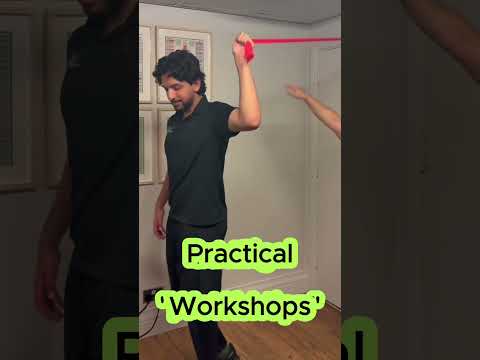
How do our physios guarantee your best recovery at BOOST PHYSIO

Muswell Hill Physio Advises on Groin Strain Injury Rehab and Recovery

Why Plyometrics Matter For Injury Rehab and Recovery
Got a question about your own pain or injury? Send it to our physios.
Get help at your nearest BOOST PHYSIO clinic
We help people with this at all 13 of our clinics across North London and Hertfordshire. Choose your nearest clinic to see the team, opening times and how to find us, or book straight in.
Get better in as few sessions as possible
Chartered physios with a clear plan from your first visit.
Related reading
 Our prices
 How much does private physio cost in London?Your first physio appointmentIs it normal to feel sore after physio?
Your questions answered
How many physio sessions are normal?
On average our patients reach their goals in around 5 sessions. Recent, simple problems may need fewer. Long-standing pain or surgery rehab usually needs more.
How many physio sessions after a knee replacement?
Usually more than for a simple injury, as rehab often runs for around 3 months. Your physio will plan the number and spacing of sessions with you.
Is one physio session enough?
Sometimes, for advice and a home programme. Most people benefit from a few sessions so their exercises can be progressed and their treatment adjusted.
Does insurance cover a course of physio?
Most health insurers cover a set number of sessions. Check your policy and get an authorisation number before you book.
What if I don’t improve?
We review your diagnosis and plan and if needed refer you for a scan or a specialist. We’d rather tell you than keep treating something that isn’t changing.

Written and clinically reviewed by Steven Berkman, BSc Physiotherapy (University of Cape Town), HCPC-registered chartered physiotherapist, MCSP, founder of BOOST PHYSIO in 2008, with Finlay McDonald and Martin Sarembock at BOOST PHYSIO Crouch End. Last reviewed 12 November 2026.
References
- BOOST PHYSIO. Prices and insurance. boostphysio.com/rates/.
- American College of Sports Medicine. Progression models in resistance training for healthy adults. Med Sci Sports Exerc. 2009;41:687-708.
- Chartered Society of Physiotherapy. What is physiotherapy? csp.org.uk.