

Arthritis physio
Arthritis doesn’t have to slow you down
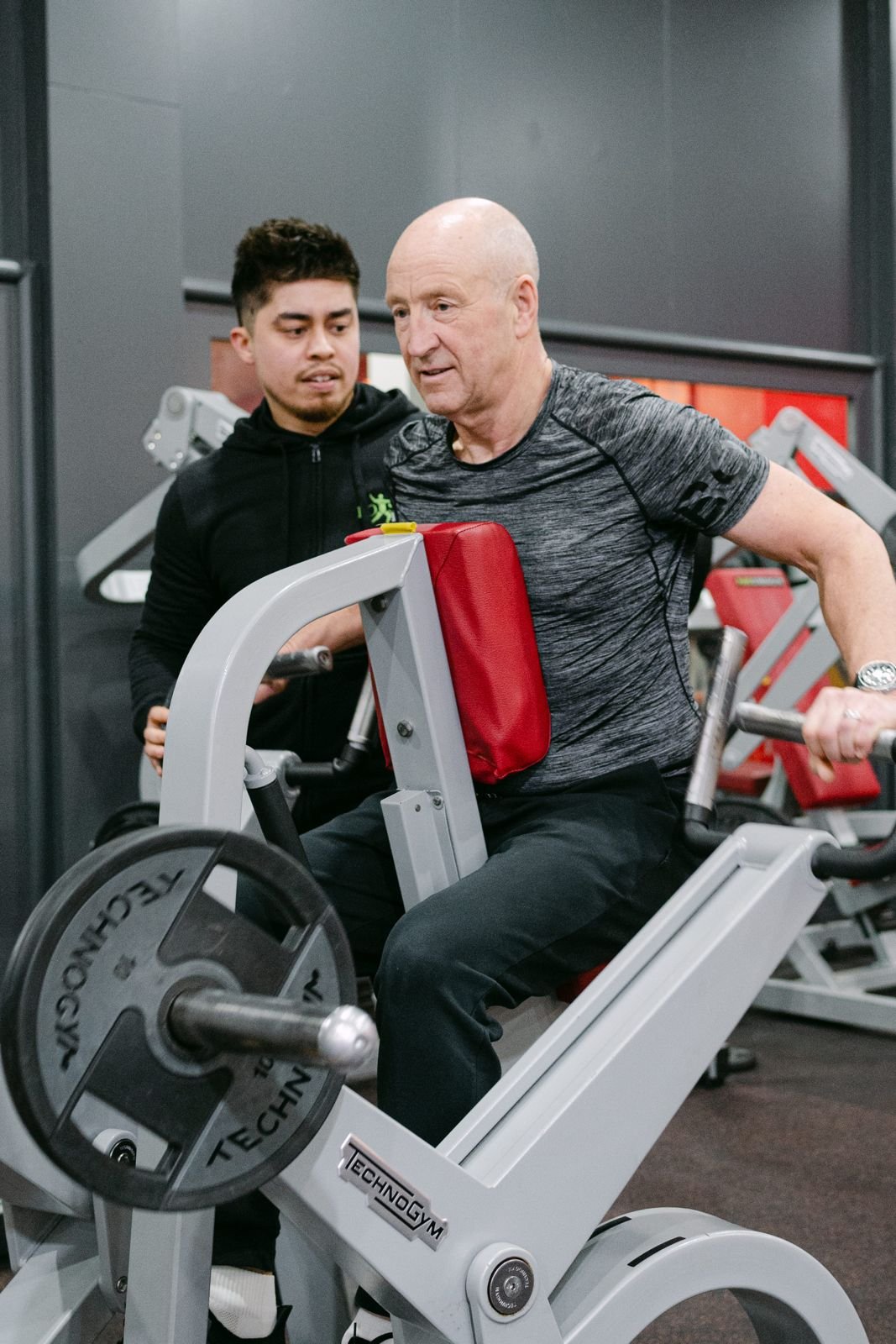
Stiff, aching knees or hips? With the right strength and movement plan you can ease pain, stay independent and keep doing the things you love.
★★★★★ Over 1,000 five-star Google reviews · 38,000+ people helped
Quick answer: osteoarthritis is the most common form of arthritis and affects millions of people in the UK, most often in the knees, hips, hands and feet. Exercise is the core treatment recommended by NICE. Physiotherapy combines tailored strengthening, hands-on treatment to ease pain and stiffness and practical advice, helping you stay active and in many cases delay or avoid joint replacement.
In this guide · 4 min read
01 · We understand
You want to keep living your life
Maybe it’s the stairs that have started to bother you, or the walk to the shops. Perhaps you’ve stopped playing tennis, golf or with the grandchildren because your knee aches for days afterwards.
Being told you have arthritis can feel like a life sentence. It isn’t. We help people with arthritis every single day and we see how much difference the right plan makes.
Joints love movement. The muscles around them act like shock absorbers, so the stronger they are, the better the joint usually feels.
More than 10 million people in the UK live with arthritis, according to Versus Arthritis. Osteoarthritis is by far the most common type and exercise is at the heart of managing it well.
Versus Arthritis, The State of Musculoskeletal Health
02 · Busting the myths
What we wish everyone knew about arthritis
‘Exercise will wear my joint out’
Myth
The opposite is true. The right exercise reduces pain and improves function. Recreational runners actually have lower rates of hip and knee arthritis than people who don’t run.
‘My X-ray looks bad, so I’ll always be in pain’
Myth
X-ray changes and pain often don’t match. Plenty of people with worn joints on X-ray have little pain and vice versa.
‘I’ll end up needing a replacement’
Not necessarily
Many people manage well for years with strength and activity. If surgery does become right for you, being strong beforehand helps your recovery.
Only 3.5% of recreational runners had hip or knee osteoarthritis, compared with 10.2% of people who didn’t run, in a large review of more than 100,000 people. Movement is your friend.
Alentorn-Geli et al, Journal of Orthopaedic and Sports Physical Therapy 2017
03 · How we help
How our physios treat arthritis
- A full assessment of your joints, strength, balance and the activities that matter to you
- A tailored strength and movement plan, in clinic, at home or in the gym
- Hands-on treatment to ease pain and stiffness so exercise feels easier
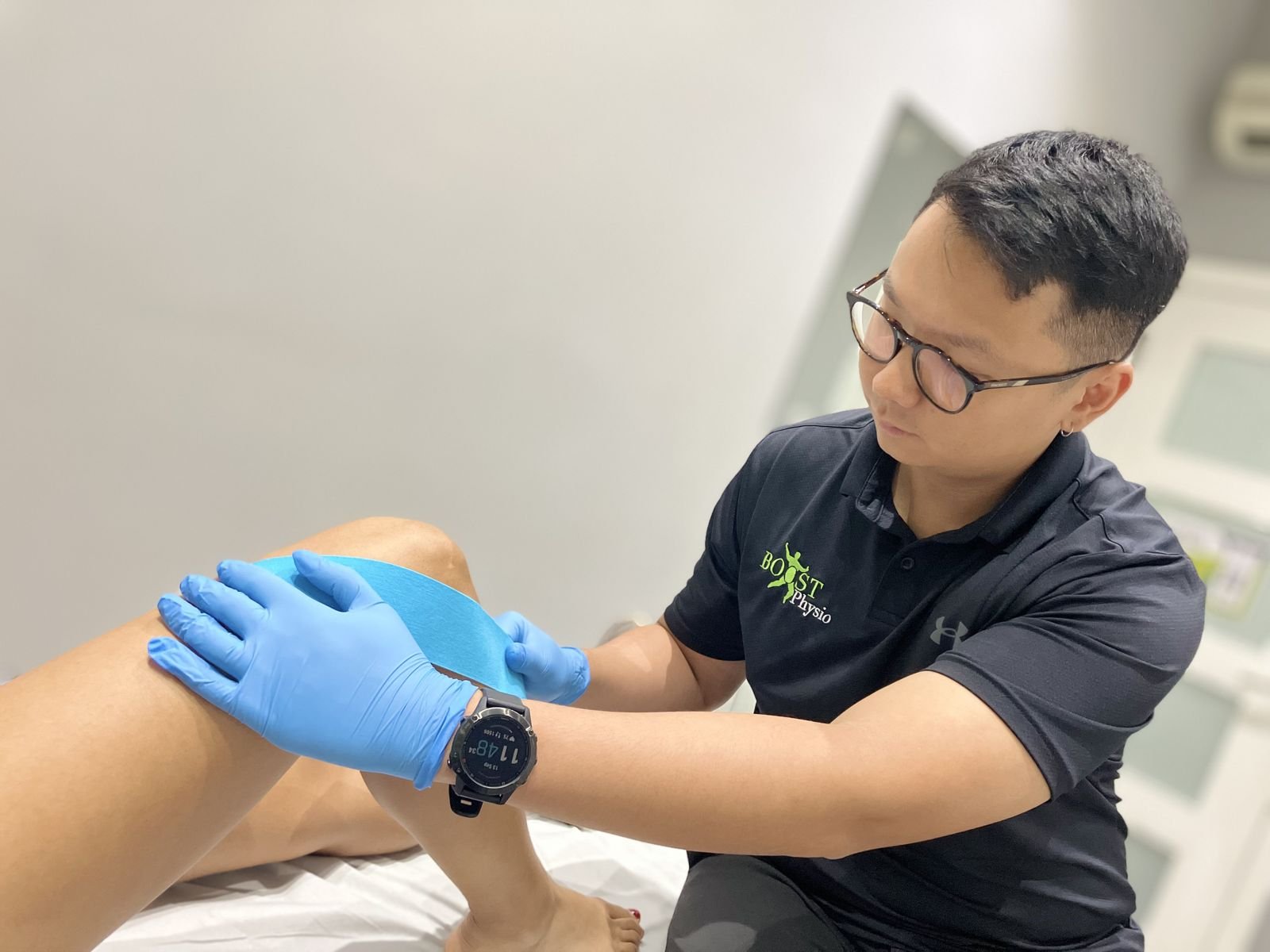
- Pain relief options such as acupuncture and taping where they help
- Practical advice on pacing, flare-ups, walking aids, footwear and weight
- Expert guidance on injections or surgery and quick referral to trusted orthopaedic consultants
★★★★★
“From my first consultation with Jolene I felt a connection that gave me the confidence to return to the gym after an eighteen month absence.”
Steve N, Borehamwood, Google review (osteoarthritis in both knees)
★★★★★
“We booked a package of treatments with Tyrone Kon at Boost Mill Hill after a knee replacement and did not regret it. The treatment was very effective.”
Mill Hill patient, Google review

Madeleine Paterson
Senior Physiotherapist, Hampstead NW3
Madeleine graduated with a first class degree in Physiotherapy from Brunel University London. She loves helping people with arthritic joint pain, chronic pain and recovery after surgery. She tailors every plan around the person in front of her.
Be it from a sports injury or an arthritic joint pain, there are many ways for an issue to be rehabilitated. Physiotherapy is just as much about the people as it is about their bodies.
Madeleine Paterson
04 · Joint by joint
Arthritis in your knees, hips, hands and feet
| Knee | The most common. Strengthening the thigh and hip muscles is one of the most effective things you can do. Knee pain physio. |
|---|---|
| Hip | Stiffness getting going and groin pain. Exercise keeps you moving and confident. Hip pain physio. |
| Hands and thumbs | Pain gripping and opening jars. Joint protection advice and hand exercises help. |
| Feet and ankles | Stiffness and pain walking. Footwear, strength and mobility make a real difference. |
| Spine | Age-related change is normal. Staying active and strong keeps backs and necks moving well. |

Mobility exercises we recommend for older adults

Knee pain? Exercises our physios use

Helping your recovery after a knee replacement
05 · If you need surgery
Thinking about a joint replacement?
For some people, a hip or knee replacement is the right step and it can be life-changing. We’ll help you decide when the time is right, refer you to leading surgeons we trust and get you as strong as possible beforehand. After surgery we’ll guide every stage of your recovery.
Read our guides to hip replacement rehab and partial knee replacement rehab.
When joint pain needs a doctor
See a doctor promptly if a joint becomes suddenly hot, red and swollen, especially with a fever, if several joints are swollen and stiff for more than an hour in the morning, or if you’ve had a fall and can’t bear weight.
Why BOOST PHYSIO
Every tool for your best recovery
We believe your best recovery comes from having every tool available, not relying on just one. So you’ll get hands-on treatment to ease pain and get you moving, exercise rehab that’s built around your life and a clear plan that changes as you improve.
Here’s something our patients don’t always realise. Behind every BOOST physio is the whole team. We train together twice a month and every physio has a dedicated mentor who reviews cases with them. If your problem is unusual or stubborn, it gets talked through by people who have seen it many times before.
- Same day appointments, 8am to 9pm, seven days a week at most clinics
- No GP referral needed
- On average our patients reach their goals in around 5 sessions
- Close links with leading orthopaedic surgeons and sports doctors if you need a scan or an opinion
- Recognised by Bupa, AXA Health, Vitality, Aviva and WPA, or simply self-pay
06 · Near you
Arthritis physio near you
See a BOOST PHYSIO physio for arthritis at any of our clinics. Several, including Mill Hill, Swiss Cottage and Kensington, are inside gyms or leisure centres, so your rehab can move onto the gym floor.
Ready to move more with less pain?
Book today and get a plan built around the life you want to lead. Your Best Recovery, Guaranteed.
Related reading
Keep reading
Your questions
Your questions answered
Can physiotherapy help arthritis?
Yes. Exercise is the core treatment for osteoarthritis recommended by NICE. Physiotherapy combines tailored strengthening with hands-on treatment and advice to reduce pain, improve movement and keep you active.
Is exercise safe with arthritis?
Yes. The right exercise is safe and helpful. Some discomfort during exercise is normal and acceptable as long as it settles within a day. We’ll show you how to pace things.
Will physio stop me needing a knee or hip replacement?
For many people it delays or avoids surgery. If a replacement does become the right choice, being stronger beforehand helps you recover faster.
What exercises are best for knee arthritis?
Strengthening the thigh, hip and calf muscles, along with general activity such as walking, cycling or swimming. We’ll tailor exercises to your knee and your goals.
Should I use heat or ice for arthritis pain?
Many people find heat soothing for stiff joints and ice helpful after activity if a joint is swollen. Use whatever eases your pain.
Can I still run or play sport with arthritis?
Often yes, with the right preparation and adjustments. We’ll help you keep doing what you love for as long as possible.
How many sessions will I need?
Many people see real improvement within 4 to 6 sessions over a couple of months, alongside home exercise. On average our patients reach their goals in around 5 sessions. Some people like occasional check-ins to keep progressing.
Do you treat rheumatoid arthritis?
Yes, alongside your rheumatology team. We focus on keeping joints moving, building strength and helping you manage flare-ups.
Do you offer home visits for arthritis?
Home visits depend on your circumstances. Call us and we’ll talk through what’s possible.
Do I need a GP referral?
No. You can book directly online or by phone.
Do you accept health insurance?
Yes. Our physios are recognised by Bupa, AXA Health, Vitality, Aviva and WPA. Self-pay packages are available too.
Where can I see a physio for arthritis near me?
We have clinics across North London and Hertfordshire, including Hendon, Hampstead, Swiss Cottage, Mill Hill, Muswell Hill, East Finchley, Kensington, Borehamwood and Elstree.
Written by Steven Berkman, Chartered Physiotherapist and founder of BOOST PHYSIO, with the BOOST PHYSIO clinical team. Reviewed October 2026. This guide is general information and not a substitute for an individual assessment by a physiotherapist or doctor.
References
- National Institute for Health and Care Excellence. Osteoarthritis in over 16s: diagnosis and management (NG226). 2022.
- Alentorn-Geli E, Samuelsson K, Musahl V et al. The association of recreational and competitive running with hip and knee osteoarthritis: a systematic review and meta-analysis. Journal of Orthopaedic and Sports Physical Therapy 2017;47:373-390.
- Versus Arthritis. The State of Musculoskeletal Health. versusarthritis.org.
