
Hampstead Garden Suburb NW11 · Foot and heel pain
Enjoy your walks again, from the first step
Heel pain, sore feet and stiff ankles are some of the most common problems we see at our Market Place clinic. Here’s what really helps.

Quick answer: the most common cause of heel pain is plantar heel pain (often called plantar fasciitis), which typically hurts most with your first steps in the morning or after sitting. Most people improve with the right stretching, strengthening and footwear advice, though it can take a few months. Most improve within a year. If foot or heel pain is changing how you walk, stopping you exercising or hasn’t settled after a few weeks, it’s worth getting it assessed.
A neighbourhood made for walking
Hampstead Garden Suburb is a lovely place to walk. Between Central Square, Big Wood, Little Wood and the Hampstead Heath Extension, plus the walk into Temple Fortune or Golders Green, many of our NW11 patients are on their feet a lot.
That’s wonderful for health, but it also means that when your heel or foot starts to hurt, it affects everything. Patients often tell us the worst part is those first few steps out of bed, or standing up after a long lunch in Temple Fortune.
Our Hampstead Garden Suburb clinic is at 45 Market Place on Falloden Way. The 102 and H3 buses stop at Market Place and there’s free parking on the side roads nearby.
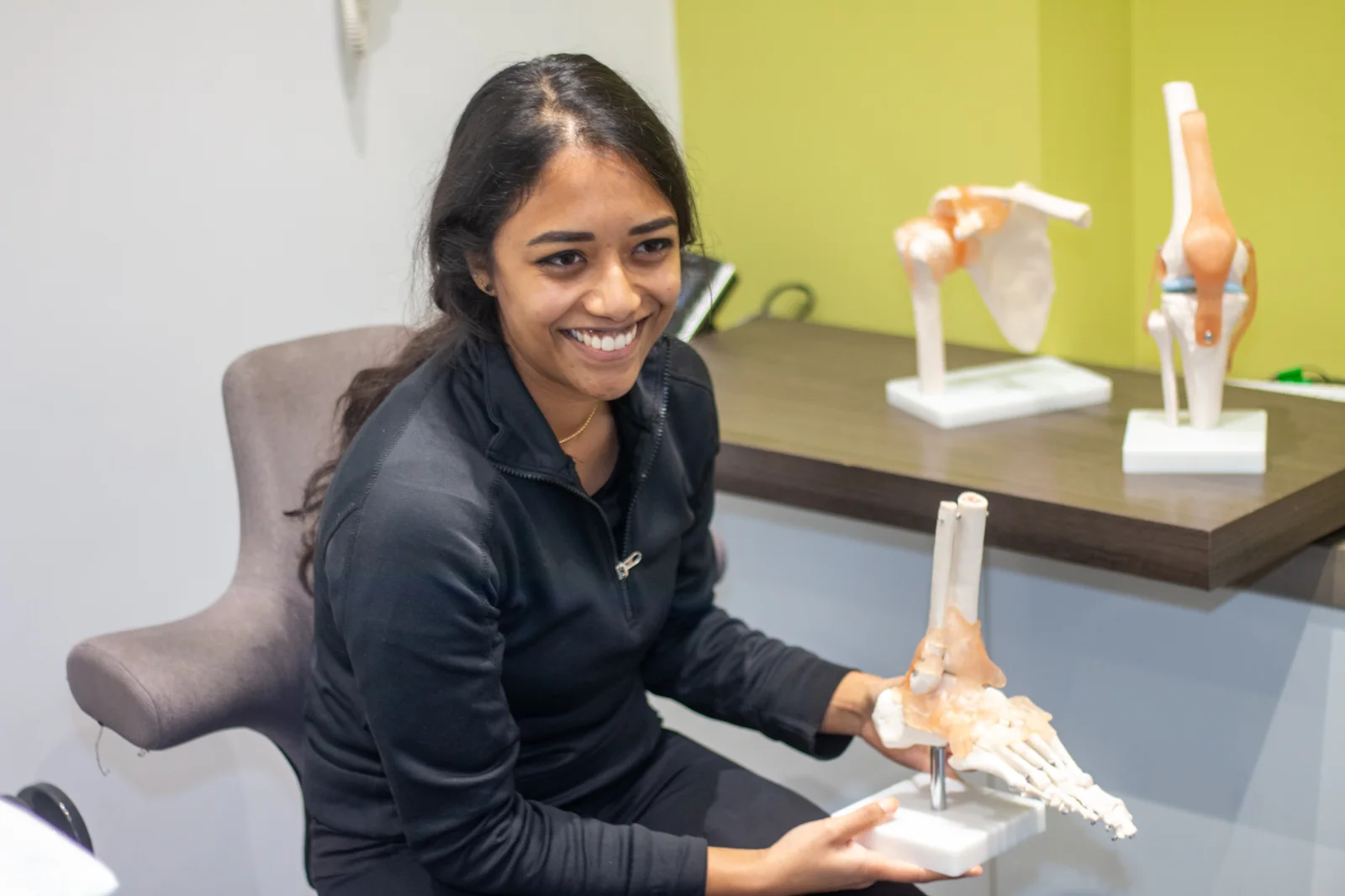
A look at our Hampstead Garden Suburb clinic
The foot and heel problems we see most
Plantar heel pain
Plantar fasciitis
Sharp under the heel with your first steps in the morning or after sitting. Heel pain explained
Achilles pain
Achilles tendinopathy
Pain and stiffness at the back of the heel, often worse in the morning. Achilles guide
Stiff ankles
Ankle stiffness
A stiff ankle changes how you walk and can overload the foot, knee and hip. Ankle stiffness
Ankle sprain
Rolled ankle
Uneven paths and kerbs. Most settle well with the right early care. Ankle sprain guide
Forefoot pain
Ball of the foot pain
An ache or burning under the ball of the foot, often linked to footwear.
Balance worries
Falls prevention
Sore or stiff feet can make walking feel less steady. Balance exercises
Stretches to stop morning heel pain
What patients ask us
One of the first things patients ask us is whether they’ve “torn” something. Most heel pain isn’t a tear at all. It’s a sensitive, overloaded tissue that needs the right load to recover, not complete rest.
Another common question is whether they need special insoles. Footwear and supportive insoles can help some people in the short term, but they work best alongside stretching and strengthening rather than on their own.
Our physios love seeing patients go from dreading the first steps out of bed to enjoying their walks around the Suburb again. Small daily exercises make a big difference.
Simple things that help heel pain
- Stretch before you stand: gentle calf and foot stretches before getting out of bed can ease those first painful steps.
- Strengthen your calves: slow, controlled heel raises are one of the exercises our physios use most for heel and Achilles pain.
- Check your shoes: a cushioned, supportive shoe usually helps more than flat, thin soles or going barefoot on hard floors.
- Adjust, don’t stop: shorter, more frequent walks often work better than one long walk while your heel settles.
- Be patient: heel pain often takes a few months to settle fully. A clear plan helps you keep going.
Heel pain every morning?
See our Hampstead Garden Suburb team for a clear diagnosis and a plan that works.
At a glance
| Most common cause | Plantar heel pain, typically worst with the first steps in the morning. |
|---|---|
| Do I need a scan? | Usually not. A thorough assessment usually tells us what’s going on. |
| What helps most | Stretching, calf and foot strengthening, footwear advice and adjusting your activity. |
| How long it takes | Often a few months. Most people improve within a year. |
| Get it checked if | Pain changes how you walk, stops you exercising or hasn’t settled after a few weeks. |
For heel pain that has lasted three months or more, shockwave can be a helpful addition to an exercise programme at selected BOOST PHYSIO clinics. Our shockwave therapy page explains who it suits.
Watch: foot and ankle advice from our physios
Short, practical videos from the BOOST PHYSIO team. If an exercise makes your pain worse, stop and ask your physio for the right version for you.
Easing Achilles pain and improving recovery
Are your calves as strong as they should be?
How to improve ankle stiffness in 3 steps
How to help stiff ankles
Meet your Hampstead Garden Suburb team
Five clinicians see patients at our Market Place clinic. You can book with any of them online.

Tyrone Kon
Specialist Physiotherapist and Director
Tyrone has a particular interest in knee rehabilitation, back pain and helping patients avoid orthopaedic surgery wherever possible.
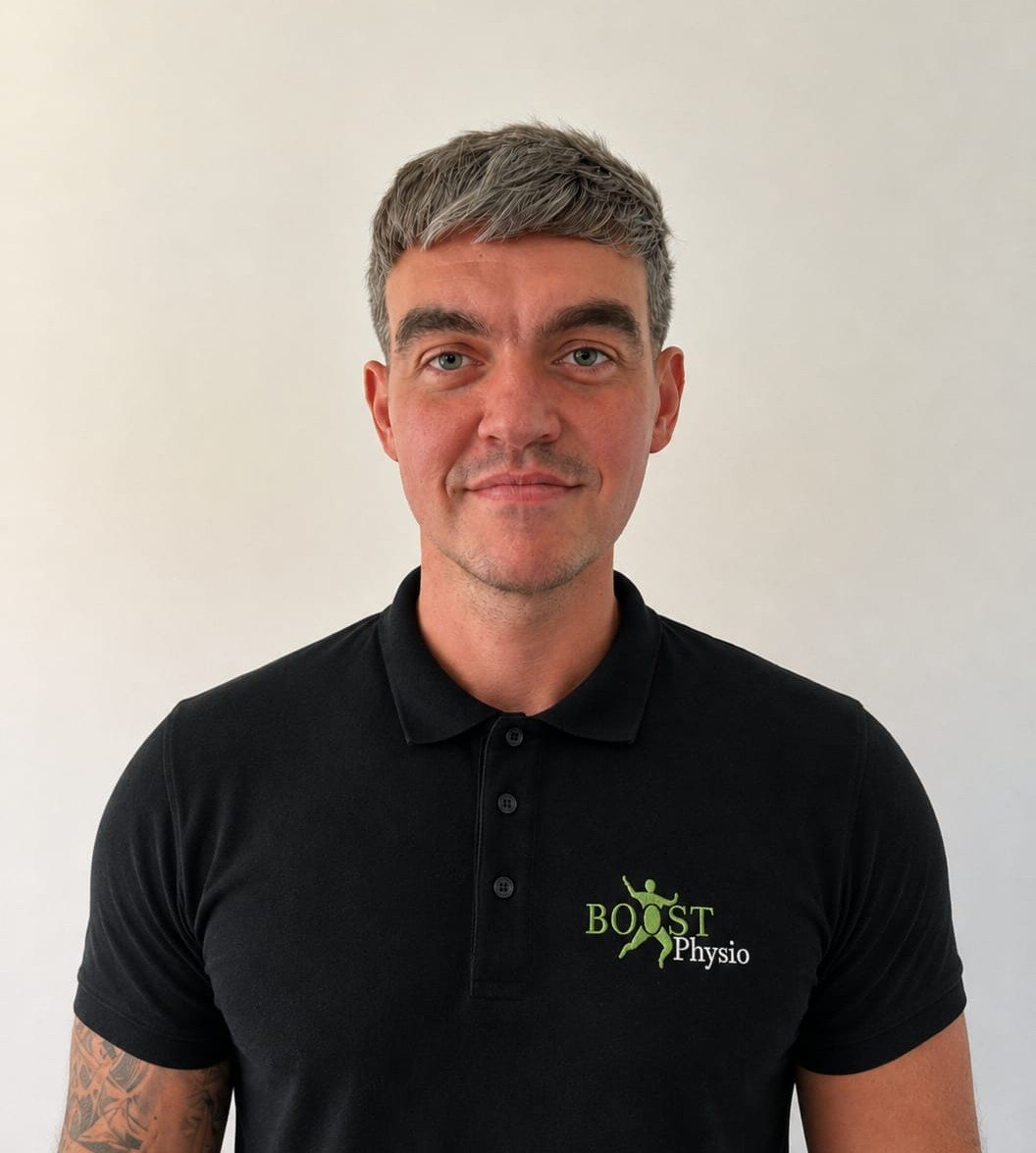
Harry Fountain
Senior Physiotherapist, Hampstead Garden Suburb and Borehamwood
Harry had his first knee surgery at 11 after a football injury, so he knows first hand how hard rehab can be. He combines hands-on treatment with strength and conditioning.
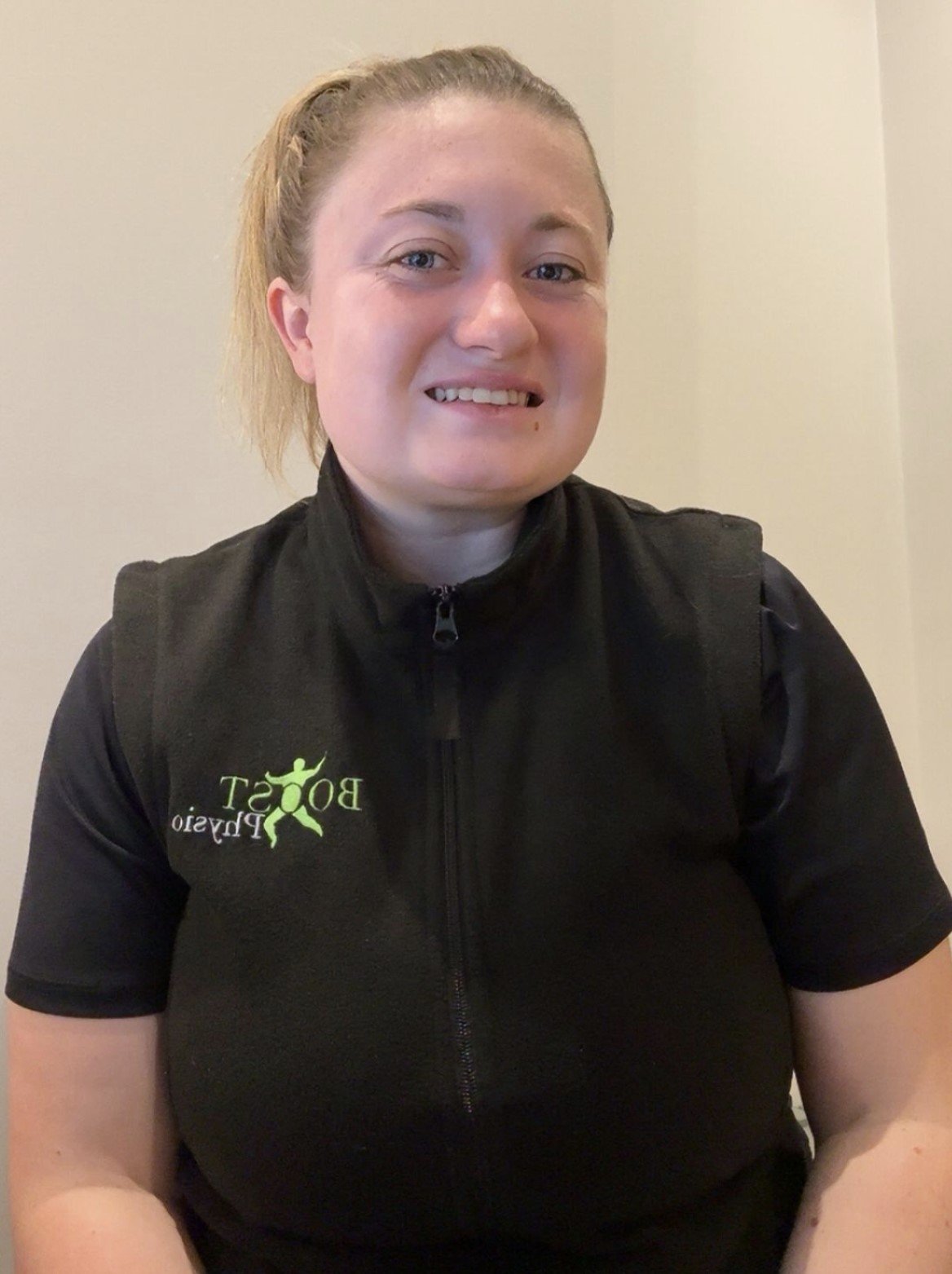
Rebecca Mulvey
Chartered Physiotherapist, Hampstead Garden Suburb and Muswell Hill
Rebecca spent four years working pitch-side with Gaelic football, hurling and rugby teams. She focuses on getting you back to your everyday activities or sport.

Finlay McDonald
Physiotherapist
Fin’s interests include foot and ankle, hip and knee injuries and late-stage rehab. He also sees patients at our Crouch End and East Finchley clinics.

Soma Fershi
Chartered Physiotherapist, Hendon and Hampstead Garden Suburb
Soma combines rehabilitation, strength training and sports science, with a particular interest in sports and gym injuries in active adults.
Every tool for your best recovery
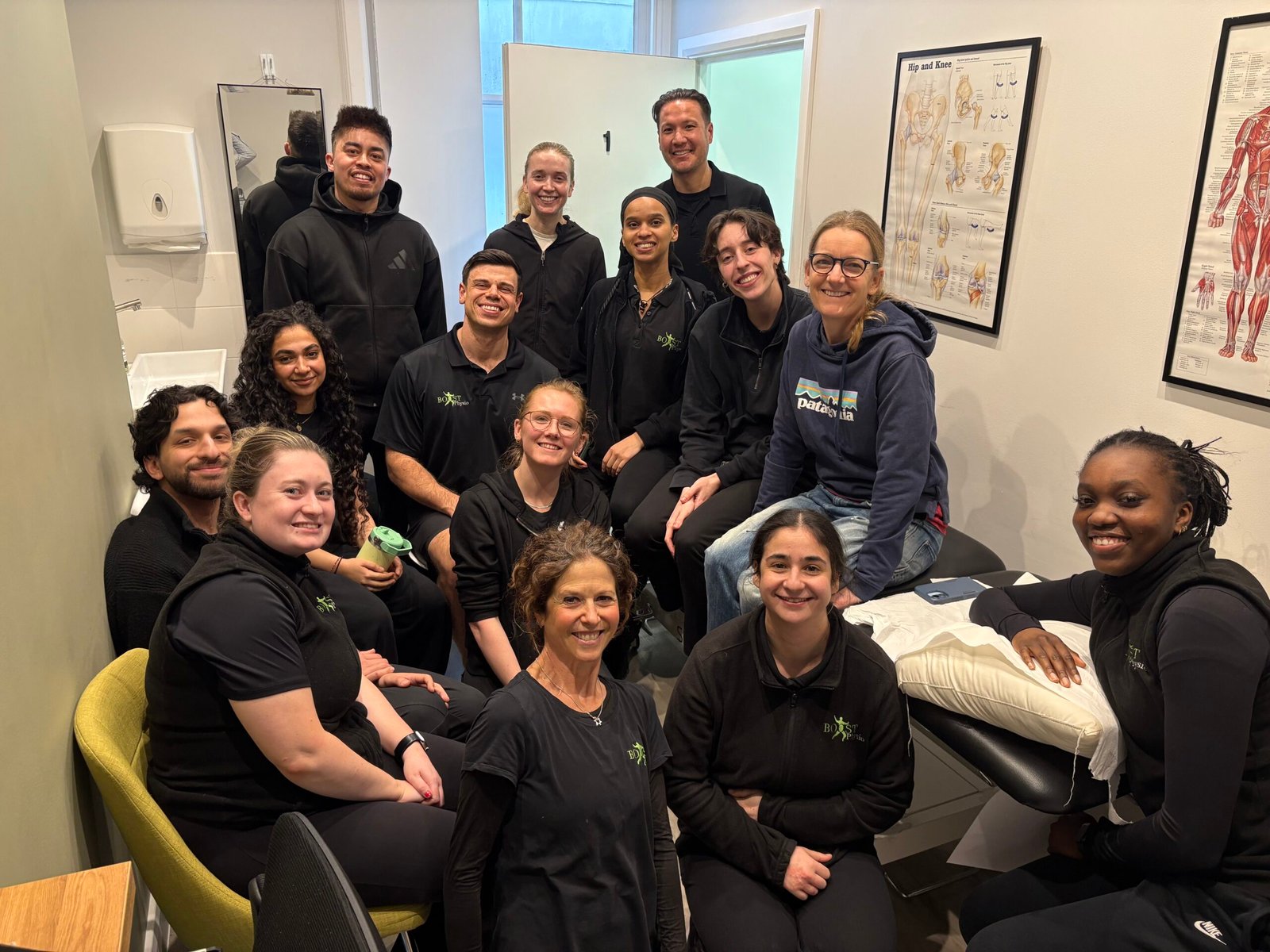
At BOOST PHYSIO, we believe your best recovery comes from having every tool available, not relying on just one. Our physiotherapists combine hands-on treatment with exercise rehabilitation built around you, then adjust it as you progress.
Something our patients don’t always realise is how much support sits behind each physio. Our team trains together twice a month and every physio has a dedicated mentor who reviews cases with them, so when you see us in Hampstead Garden Suburb you get the experience of the whole team.
- Same day appointments, seven days a week
- No GP referral needed to book
- Treatment recognised by Bupa, AXA Health, Vitality, WPA and Aviva
Closer to East Finchley or Hendon? Our East Finchley and Hendon clinics are a short trip away, or you can see all our clinic locations.
Walk comfortably again
Same day appointments at 45 Market Place, Falloden Way, NW11. Your Best Recovery, Guaranteed.
Related reading
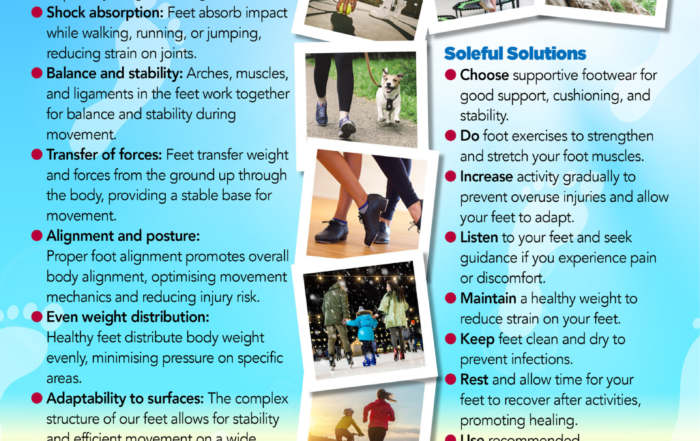 Heel pain and plantar fasciitis
 Achilles tendon physio
 How to help ankle stiffness
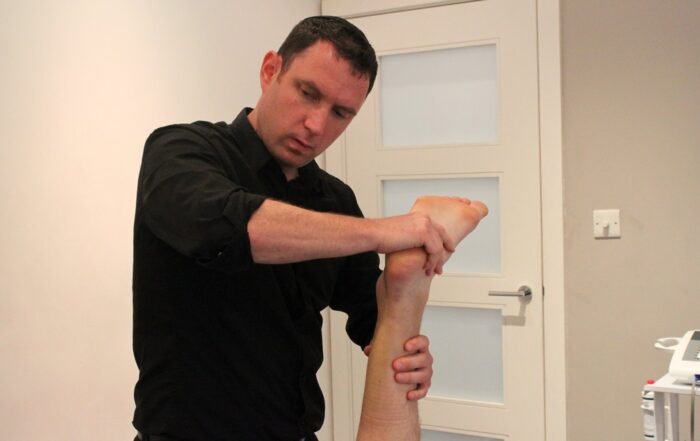 Ankle sprain physioBalance exercises to prevent falls
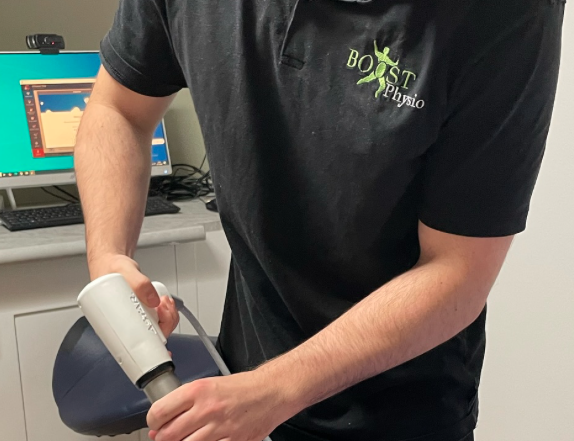 Shockwave therapy
Your questions answered
Why does my heel hurt most first thing in the morning?
With plantar heel pain, the tissue under your foot stiffens overnight, so the first steps load it suddenly. Gentle stretches before you stand and calf strengthening through the day usually help.
How long does heel pain take to get better?
It often takes a few months. Most people improve within a year. A clear plan of stretching, strengthening and activity changes helps you stay on track.
Do I need insoles for heel pain?
Supportive footwear or insoles can help some people in the short term, but they work best alongside stretching and strengthening rather than on their own.
Is the clinic convenient for Golders Green and Temple Fortune?
Yes. We’re at 45 Market Place, Falloden Way, NW11 6JT, within Hampstead Garden Suburb. The 102 and H3 buses stop at Market Place and there’s free parking on nearby side roads.
Can I book without a GP referral?
Yes. Book directly online, by phone or on WhatsApp. If you’re claiming on private health insurance, check whether your insurer needs a GP referral first.
Written by the BOOST PHYSIO team. Clinician details are taken from their BOOST PHYSIO profiles and our online booking system. Local details from the clinic’s location page and Hampstead Garden Suburb’s published open spaces. This article is general guidance and is not a substitute for an individual physiotherapy assessment. If you have severe or worsening pain, numbness, loss of bladder or bowel control, or you feel unwell, seek urgent medical advice.