
Back pain or sciatica? You can get on top of it
Back pain can stop you sleeping, working and walking the dog on the Heath. The reassuring news is that most back pain and sciatica settles, and the right plan helps it settle faster and stay away.
★★★★★ 4.9 on Google from 177 reviews of our Hampstead clinic
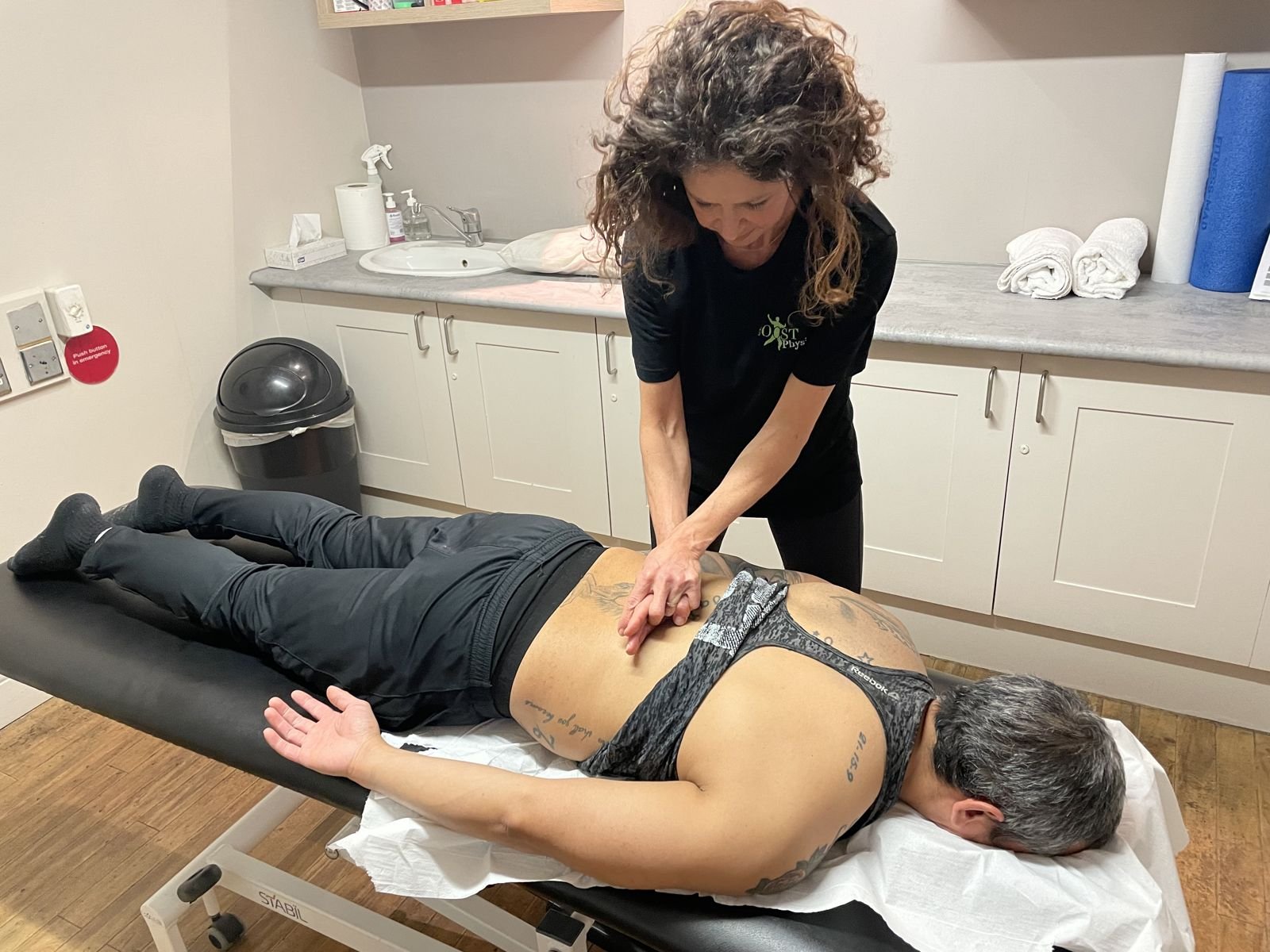
Quick answer: Most low back pain and sciatica is not caused by serious damage and improves within weeks to a few months. NICE recommends exercise, with hands-on treatment alongside it, and does not recommend routine scans. Our Hampstead clinic at 5 Holly Hill, NW3 6QN, can assess you, often the same day, and tell you if anything needs further tests.
Why does my back hurt?
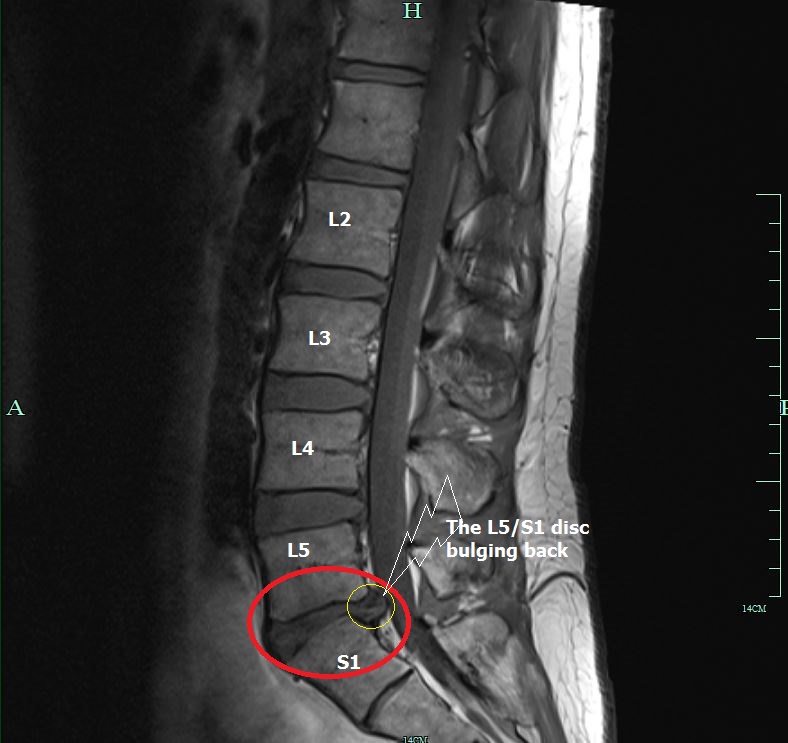
In most people no single damaged structure is to blame. Back pain usually comes from sensitive joints, discs and muscles, often after a change such as more sitting, lifting, a new exercise or a stressful patch. Scans often show disc bulges and wear in people with no pain at all, which is why NICE advises against routine imaging.
Sciatica is different. It is pain from an irritated nerve, felt down the back of the leg, sometimes with pins and needles. It can be very painful but most cases still settle without surgery.

How to relieve sciatica: 3 physio recommended moves
Acute low back pain
Sudden onset
Often after bending or lifting. Usually improves a lot within 6 weeks.
Persistent back pain
Over 3 months
Responds to building strength, confidence and activity step by step.
Sciatica
Nerve pain down the leg
Leg pain worse than back pain, sometimes with numbness or tingling.
Stiff back
Morning stiffness
Often eases with movement. We check for inflammatory causes if needed.
Back pain stopping you?
Book at our Hampstead clinic, often the same day.
What actually helps
- Staying as active as you can, with short walks rather than bed rest
- Exercise that is graded to your pain and your goals, including Pilates-style work
- Hands-on treatment, acupuncture or dry needling alongside exercise where it helps
- Understanding your pain, so movement feels safer
- Clear rules for when to push on and when to ease off
6 weeks
is when most people with new low back pain see a large improvement
da C Menezes Costa et al, CMAJ 2012
Exercise
is recommended first for low back pain, with manual therapy alongside it
NICE NG59, 2016 updated 2020
~5
sessions is typical for our patients to reach their goals
BOOST PHYSIO patient data

Morning spine mobility stretch
Gentle daily movement makes a real difference. This short routine is one we give many back pain patients for the mornings.
Call 999 or go to A and E if you have back pain with
- Numbness around the genitals or back passage
- Difficulty passing urine or loss of bladder or bowel control
- Weakness in both legs or worsening weakness in one leg
- Back pain with fever, unexplained weight loss or a history of cancer: see your GP urgently
Meet your Hampstead physios
Every physio at Hampstead treats back pain and sciatica each week. Siubhan and Travis both have a particular interest in back pain.

Madeleine Paterson
Senior Physiotherapist
Maddy is our Hampstead women’s health physio, trained in the Mummy MOT, and also treats sports injuries.

Travis Egerton
Senior Physiotherapist and Clinical Lead
Travis leads our Hampstead and Swiss Cottage clinicians and has a particular interest in sports injuries, back pain and ankle problems.

Annie McCambridge
Senior Physiotherapist
Annie treats sports injuries and specialises in step-by-step rehab after fractures and surgery.
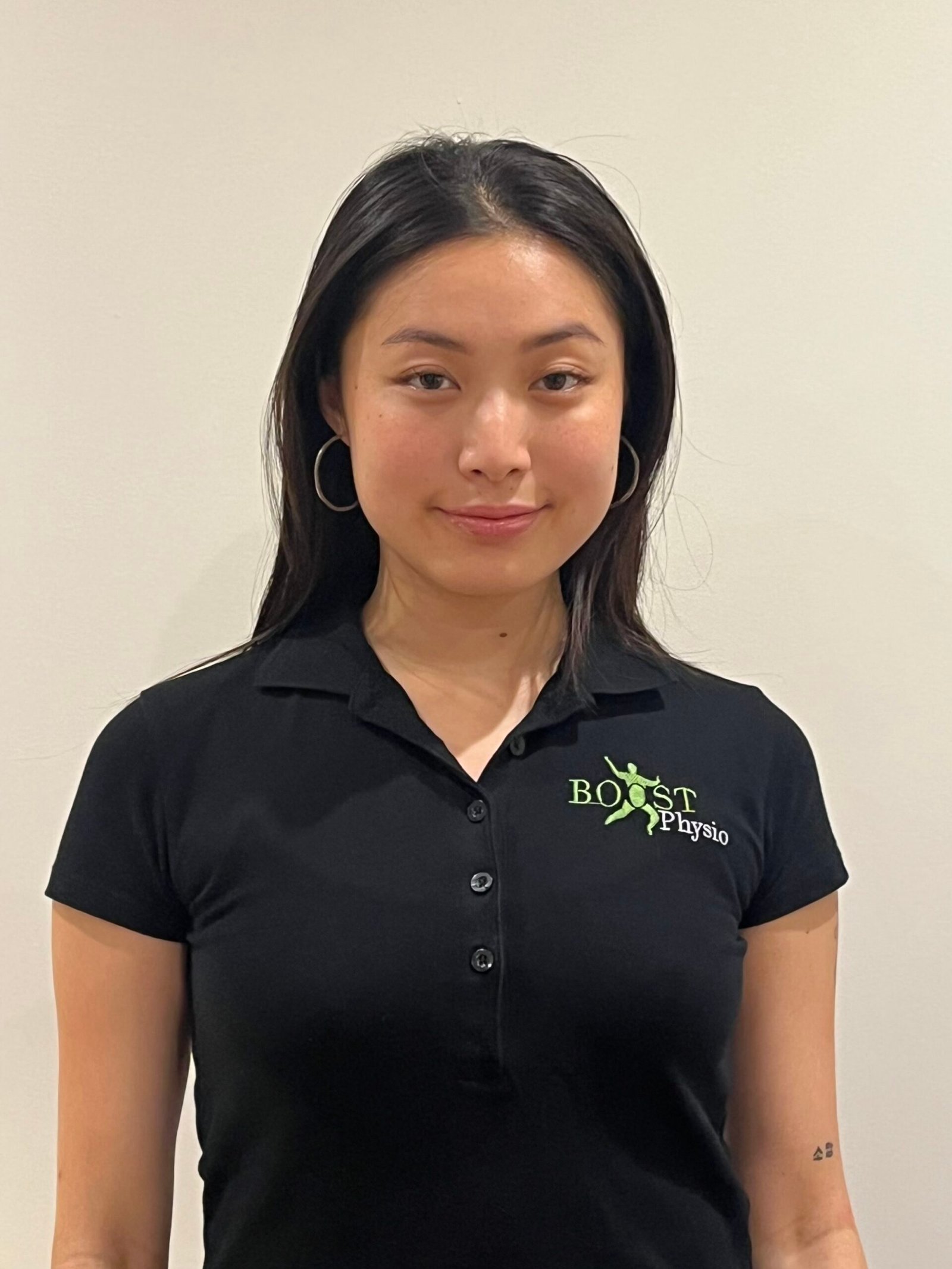
Kathleen Eng
Chartered Physiotherapist
Kathleen works with runners, sporty patients and people whose pain has built up from long hours at a desk.

Kate McLeod
Specialist Physiotherapist
Kate sees runners, complex or long-standing injuries and patients with hypermobility.
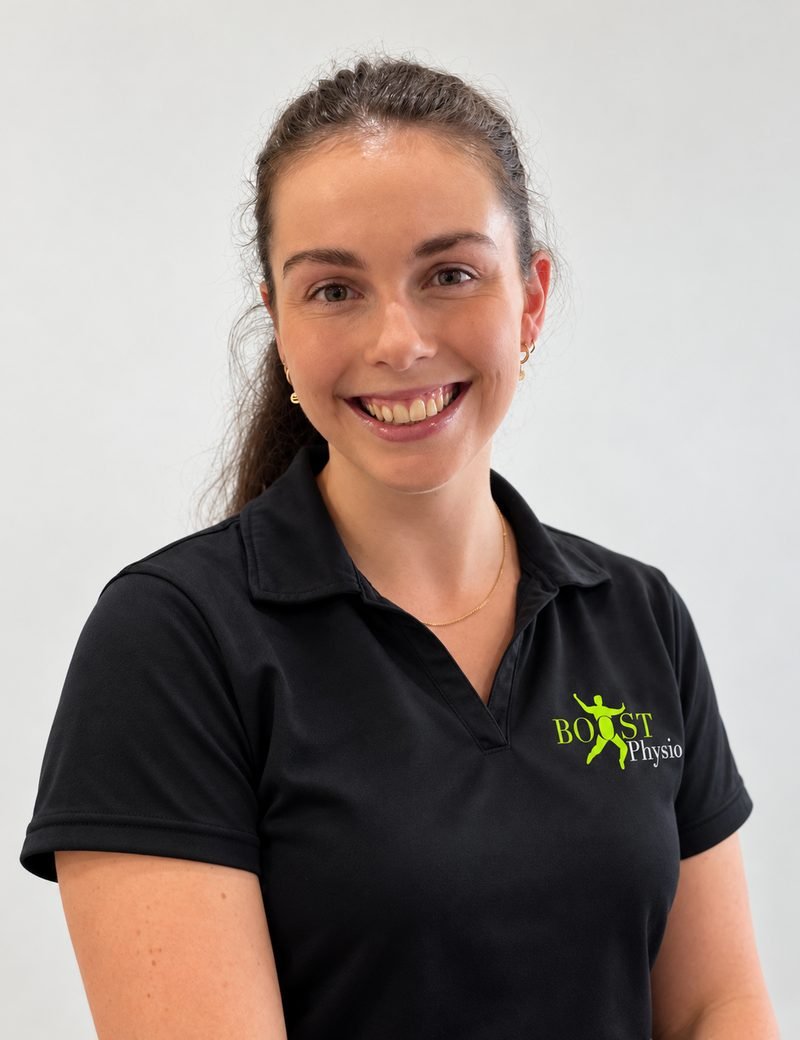
Siubhan Slater
Senior Physiotherapist
Siubhan treats sports injuries, back and neck pain and rehab after surgery.
What our Hampstead patients say
★★★★★
“An̈nie did great work on bringing right knee back. Pain and stiffness eased.”
★★★★★
“Several weeks ago, I started getting seriously bad pain in my lower left back, the left groin and leg.”
★★★★★
“She has helped me get back to full fitness, feeling stronger than before.”
Watch: back pain exercises
Short videos our physios give back pain patients.

Back pain exercises recommended by our physios

Core exercises to prevent back pain
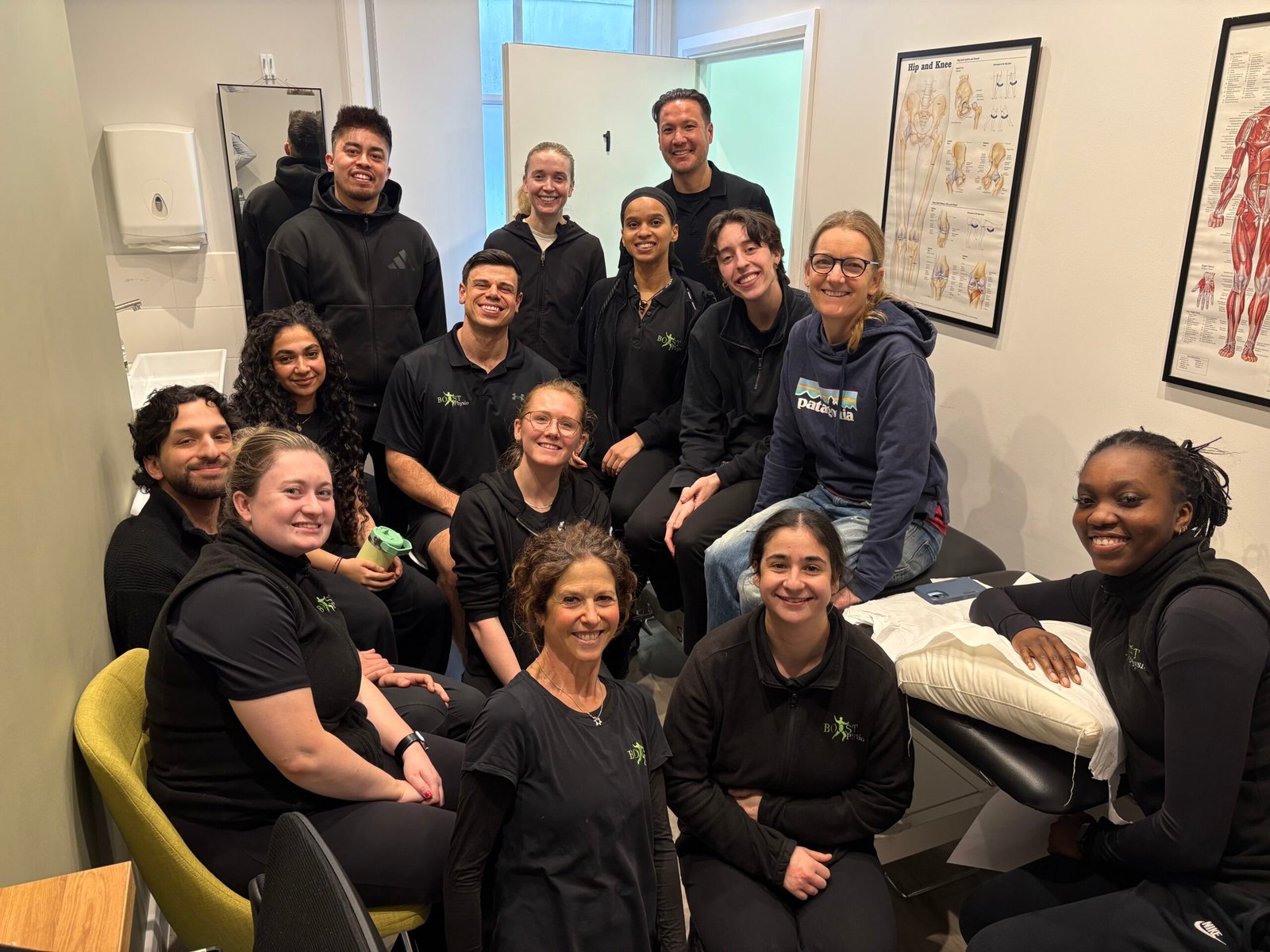
One clinic, the experience of a whole team
Something our patients don’t always realise is how much support sits behind each physio. Our team trains together twice a month and every physio has a dedicated mentor who reviews cases with them, so when you see us in Hampstead you get the experience of the whole BOOST PHYSIO group.
- Same day appointments, seven days a week across our clinics
- No GP referral needed
- Recognised by Bupa, AXA Health, Vitality, WPA and Aviva
Prefer another clinic? Book at BOOST PHYSIO Swiss Cottage, West Hampstead or Kentish Town, or read more about back pain physio and slipped disc and sciatica.
Get your back moving again
Book at BOOST PHYSIO Hampstead, 5 Holly Hill, NW3 6QN.
Related reading
Your questions answered
Should I rest my back?
Short rests are fine, but bed rest slows recovery. Gentle walking and normal activity, adjusted to your pain, help most people get better faster.
Do I need an MRI scan?
Most people do not. A scan is useful if there are signs of a serious problem or if surgery or an injection is being considered.
How long does sciatica take to get better?
Many people improve a lot within 6 to 12 weeks. If the pain is severe or not improving, we can refer you for a specialist opinion.
Do I need a GP referral to see a physio?
No. You can book directly with us online, by phone or on WhatsApp. If you are claiming on private medical insurance, check with your insurer first, as some ask for a GP or specialist referral.
How many sessions will I need?
It depends on the problem and your goals. On average our patients reach their goals in around 5 sessions, and we will give you an honest estimate at your first appointment in Hampstead.

Written and clinically reviewed by Steven Berkman, BSc Physiotherapy (University of Cape Town), HCPC-registered chartered physiotherapist, MCSP, founder of BOOST PHYSIO in 2008, with Madeleine Paterson, Travis Egerton, Annie McCambridge, Kathleen Eng, Kate McLeod and Siubhan Slater at BOOST PHYSIO Hampstead. Last reviewed 12 November 2026.
References
- National Institute for Health and Care Excellence. Low back pain and sciatica in over 16s: assessment and management (NG59). 2016, updated 2020.
- da C Menezes Costa L et al. The prognosis of acute and persistent low-back pain: a meta-analysis. CMAJ 2012;184:E613-E624.
- Brinjikji W et al. Systematic literature review of imaging features of spinal degeneration in asymptomatic populations. AJNR Am J Neuroradiol 2015;36:811-816.
This article is general information, not a diagnosis. If you are unsure what is causing your symptoms, book an assessment or speak to your GP. If you have severe or rapidly worsening symptoms, call 111 or 999.