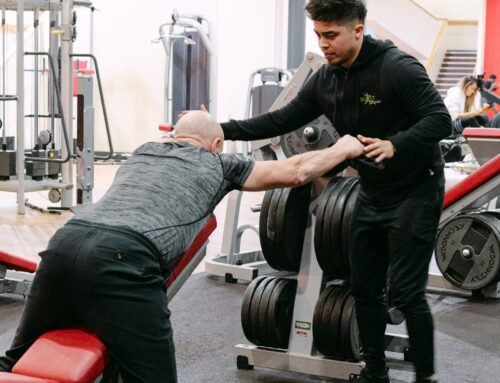

Frustrated with NHS physio?
Handed a sheet and sent home?
Self-management is a good thing. Being left to get on with it alone isn’t. Here’s the difference and how to get the support you need.

Quick answer: Exercise and self-management really are at the heart of good physio and NICE guidance backs that. The problem is self-management without support: exercises sent by email or app with no demonstration, no check of your technique, no progression and no follow up. Good supported self-management means a few well chosen exercises, shown to you and checked, at the right dose, progressed as you improve and reviewed regularly.
Why does NHS physio focus on self-management?
Partly because it works. For most muscle and joint problems, the things you do between appointments matter more than anything that happens in the clinic. NICE guidance on conditions such as low back pain puts exercise and self-management at the centre of care. We agree.
But it is also about capacity. When services are stretched, a home programme can become a substitute for care rather than part of it. Healthwatch England’s 2026 review heard from people who were sent exercises by email or app with no demonstration or follow up, including one phone consultation that ended with an email listing seven exercises.
Knee exercises physios actually recommend, demonstrated
An exercise you don’t understand is an exercise you won’t do. Or worse, you’ll do it wrong.
Why exercise sheets on their own often don’t work
No demonstration
A drawing or a list can’t show you the subtle details that make an exercise work, like where you should feel it.
No technique check
Patients often show us exercises they’ve been doing for weeks and the technique has drifted. A two minute correction changes everything.
Wrong dose
Too little does nothing. Too much causes a flare up and people give up. Getting the dose right takes feedback.
No progression
The same exercises for months means you stop improving. They need to get harder as you get stronger.
Too many exercises
Long lists overwhelm people. We’d rather you do three exercises well than ten badly.
Hard to read
Healthwatch heard from a 67 year old who couldn’t read exercises sent to their phone because the text was too small.
Want your exercises shown, checked and progressed?
Book a session and leave knowing exactly what to do and why.

What good supported self-management looks like
- A clear diagnosis first: so the exercises target the real problem
- A few well chosen exercises: matched to your goals and daily life
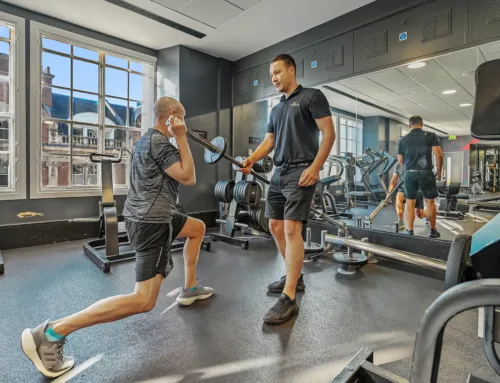
- Shown and checked: we watch you do each one and correct it
- The right dose: how many, how often and how hard it should feel
- Regular progression: exercises evolve as you get stronger
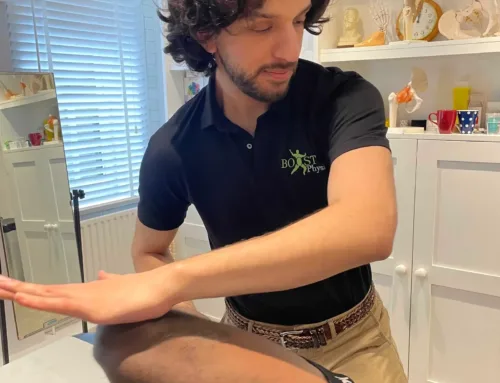
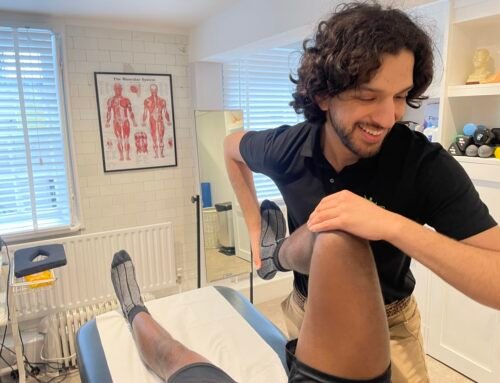
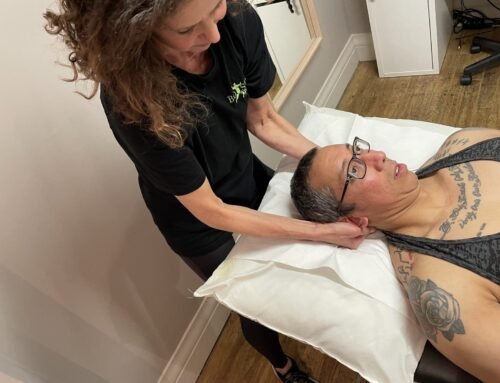
- Hands-on help where useful: to ease pain and stiffness so you can move better
- A plan for flare ups: what to do if it gets worse
That’s what we mean by supported self-management. You do the work, we make sure it’s the right work.
Getting more from the exercises you’ve been given
- Ask to be shown: request a demonstration and do each exercise in front of your physio
- Ask where you should feel it: and what you shouldn’t feel
- Ask about the dose: sets, reps, how often and how hard
- Ask how to progress: what to change when it gets easy
- Ask for clear instructions: large print or video if a small screen is hard to read
- Track it: tick off sessions and note how you feel
If this sounds familiar, you may also relate to physio with no hands-on treatment and long gaps between appointments. Our guide to private vs NHS physio helps you decide what to do next.
Self-management at a glance
| Is self-management evidence based? | Yes. NICE puts exercise and self-management at the centre of care for problems such as low back pain |
|---|---|
| What goes wrong | Exercises sent with no demonstration, technique check, progression or follow up |
| What good looks like | A few exercises, shown and checked, at the right dose and regularly progressed |
| Hands-on treatment? | Useful alongside exercise to ease pain and stiffness |
| What to ask for | A demonstration, clear dose, how to progress and accessible instructions |
Watch: exercises explained properly
Our physios show you how to do exercises well, not just what to do.
Shoulder exercises for over 50s
Exercise for shoulder pain, explained
Why your exercises need to progress
3 exercises after a running injury

Every tool for your best recovery
At BOOST PHYSIO, we believe your best recovery comes from having every tool available, not relying on just one. Our physiotherapists combine hands-on treatment with exercise rehabilitation built around you, then adjust it as you progress.
Something our patients don’t always realise is how much support sits behind each physio. Our team trains together twice a month and every physio has a dedicated mentor who reviews cases with them, so whichever clinic you visit you get the experience of the whole team.
- Same day appointments, seven days a week
- No GP referral needed to book
- Treatment recognised by Bupa, AXA Health, Vitality, WPA and Aviva
Find your nearest BOOST PHYSIO clinic: Borehamwood, Crouch End, East Finchley, Elstree, Hampstead, Hampstead Garden Suburb, Hendon, Kensington, Kentish Town, Mill Hill, Muswell Hill, Swiss Cottage Leisure Centre and West Hampstead. Same day appointments, 7 days a week, 8am to 9pm.
Exercise, with support
Same day appointments, 7 days a week. No GP referral needed.
Related reading
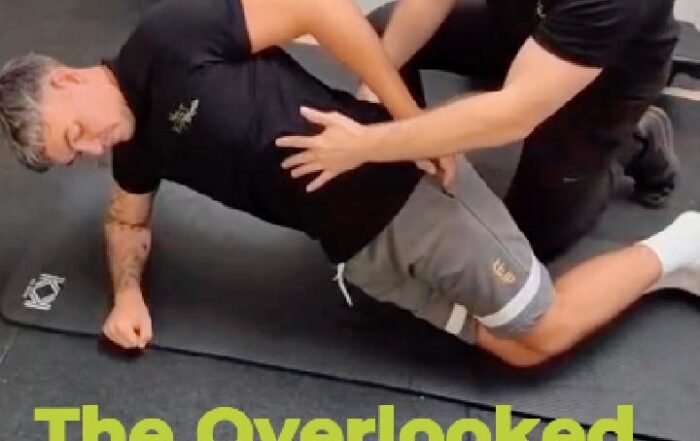 The overlooked back pain exercise
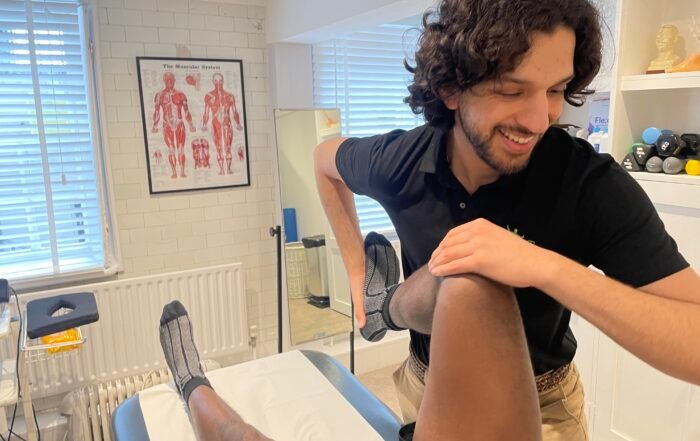 Knee pain physio
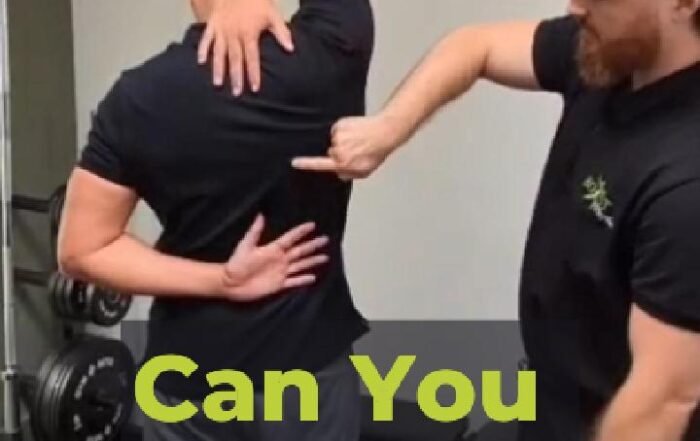 How stiff is your shoulder?
 Mobility exercises for older adults
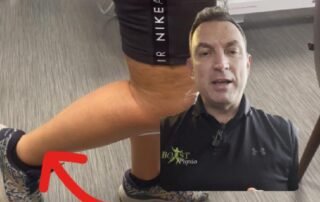 The exercise you must do after a knee replacement
 Slipped disc and sciatica
Your questions answered
Why did my NHS physio just give me an exercise sheet?
Exercise is at the heart of most physio and NHS services are stretched, so home programmes are often used to support as many people as possible. The problem is when exercises are given without demonstration, checking or follow up.
Is self-management effective?
Yes, when it is supported. NICE guidance places exercise and self-management at the centre of care for problems such as low back pain. It works best with a clear diagnosis, demonstrated exercises, the right dose and regular progression.
How many physio exercises should I be doing?
Usually fewer than people expect. A small number of well chosen exercises done properly tends to work better than a long list.
What if my exercises make my pain worse?
Some discomfort during exercise can be normal, but pain that is sharp, lingers into the next day or keeps building should be checked. Your physio should tell you what is acceptable.
How do I know if I am doing my exercises correctly?
Ask your physio to watch you do them. Filming yourself can also help. At BOOST PHYSIO we check and correct technique in your sessions.
Can a private physio review my NHS exercise programme?
Yes. We often review exercises patients have been given, check technique and progress them to match their goals.
This article is general information and not a substitute for an individual assessment. Sources: Healthwatch England, NHS physiotherapy: what people are telling us (May 2026). NICE guideline NG59 Low back pain and sciatica in over 16s: assessment and management. Written by the BOOST PHYSIO team, reviewed by Steven Berkman, Chartered Physiotherapist, MCSP, HCPC registered.