
Women’s health physio in Hampstead, with time to listen
Leaking when you laugh or run, a feeling of heaviness, pelvic pain in pregnancy or simply not feeling like yourself after having a baby. These are common, they are treatable and you do not have to put up with them.
★★★★★ 4.9 on Google from 177 reviews of our Hampstead clinic

Quick answer: Our Hampstead clinic at 5 Holly Hill, NW3 6QN, offers women’s health physiotherapy with Madeleine (Maddy) Paterson, who is trained in the Mummy MOT. She assesses and treats pelvic floor problems, pregnancy related pelvic and back pain and postnatal recovery, including an internal pelvic floor examination when appropriate and with your consent.
What women’s health physio can help with
Bladder leaking
Stress and urge incontinence
Leaking with coughing, sneezing, running or a sudden urge to go.
Pelvic organ prolapse
Heaviness or dragging
A bulge or heavy feeling, often worse at the end of the day.
Pregnancy pain
Pelvic girdle and back pain
Pain at the front or back of the pelvis turning in bed, on stairs or getting dressed.
After birth
Postnatal recovery and tummy gap
Pelvic floor, abdominal separation and a safe return to exercise.
Many women are told these symptoms are just part of having children or getting older. They are common, but they are not something you have to live with. In this short video Maddy explains why pelvic floor problems are not only about weakness.
Pelvic floor muscle training, guided properly, is the first treatment NICE recommends for stress incontinence and for prolapse symptoms.

Maddy asks: could your pelvic floor be too tight?
Talk to a women’s health physio
Book with Maddy at our Hampstead clinic, 5 Holly Hill, NW3.
What is a Mummy MOT?

Maddy explains what a Mummy MOT is
A Mummy MOT is a specialist postnatal assessment of your pelvic floor, tummy muscles and posture, usually from around 6 weeks after birth. It includes a check for abdominal separation and, with your consent, an internal pelvic floor examination, followed by a tailored plan to get you back to the exercise you enjoy.
What to expect at your appointment
- A private room and time to talk through your symptoms, birth history and goals
- An explanation of what is going on, in plain language
- An internal examination only if it is appropriate and you are comfortable, never as a requirement
- A practical pelvic floor and strength programme you can fit into your day
- A clear plan for follow up and for returning to running, the gym or classes
1 in 3
women experience urinary incontinence after having a baby
NICE NG210, 2021
3 months
of supervised pelvic floor training is the first-line treatment NICE recommends
NICE NG210, 2021
1 in 5
pregnant women experience pelvic girdle pain
Wu et al, Eur Spine J 2004
See your GP or midwife promptly if you have
- Bleeding, fluid loss or reduced baby movements in pregnancy
- New loss of bladder or bowel control with back pain or numbness: call 999
- Pain or a fever after birth that is getting worse
- Blood in your urine
Meet your Hampstead physios
Maddy leads women’s health at Hampstead. The rest of the Hampstead team, Travis, Annie, Kathleen, Kate and Siubhan, treat back, joint and sports problems alongside her.

Madeleine Paterson
Senior Physiotherapist
Maddy is our Hampstead women’s health physio, trained in the Mummy MOT, and also treats sports injuries.

Travis Egerton
Senior Physiotherapist and Clinical Lead
Travis leads our Hampstead and Swiss Cottage clinicians and has a particular interest in sports injuries, back pain and ankle problems.

Annie McCambridge
Senior Physiotherapist
Annie treats sports injuries and specialises in step-by-step rehab after fractures and surgery.
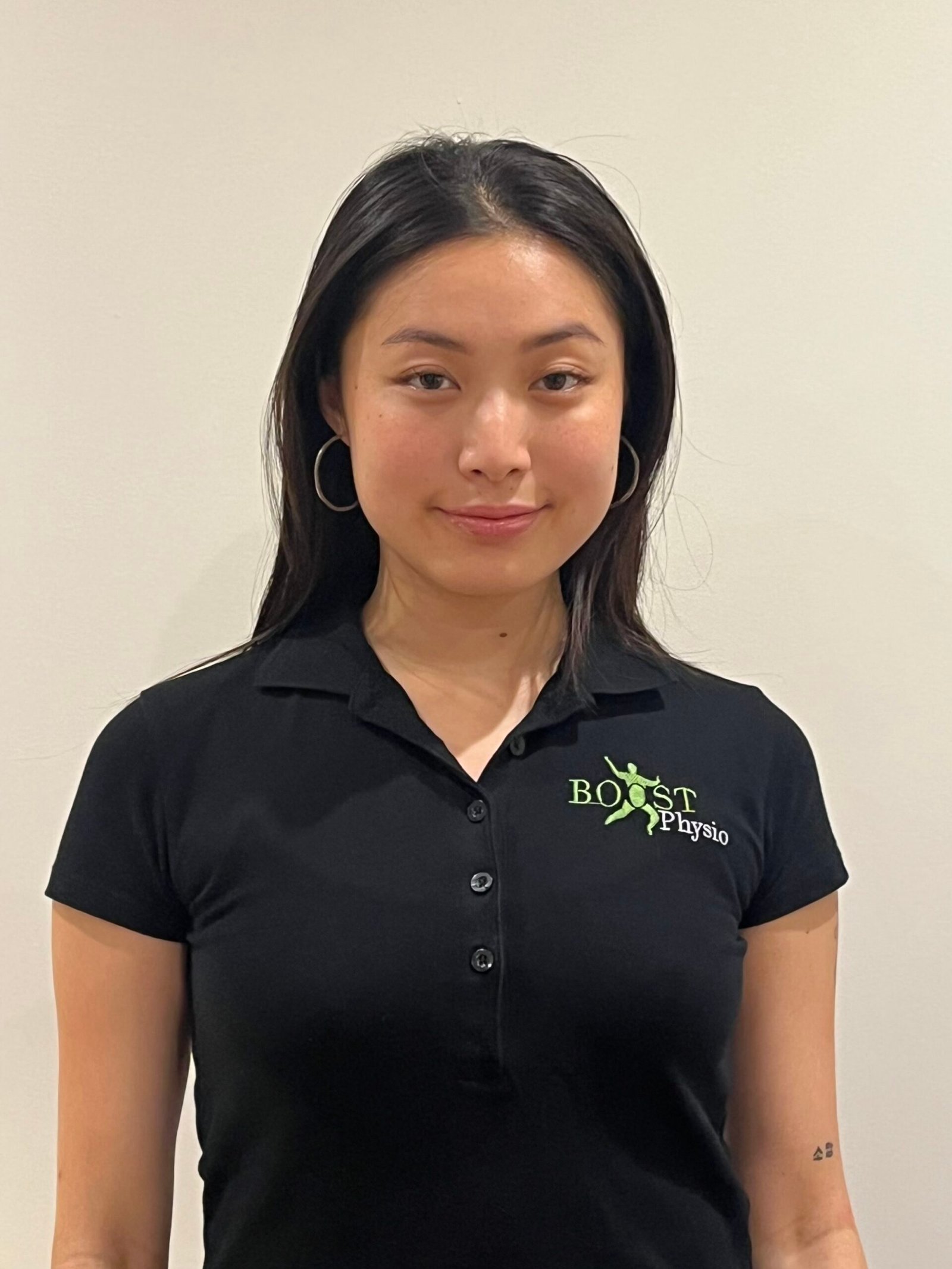
Kathleen Eng
Chartered Physiotherapist
Kathleen works with runners, sporty patients and people whose pain has built up from long hours at a desk.
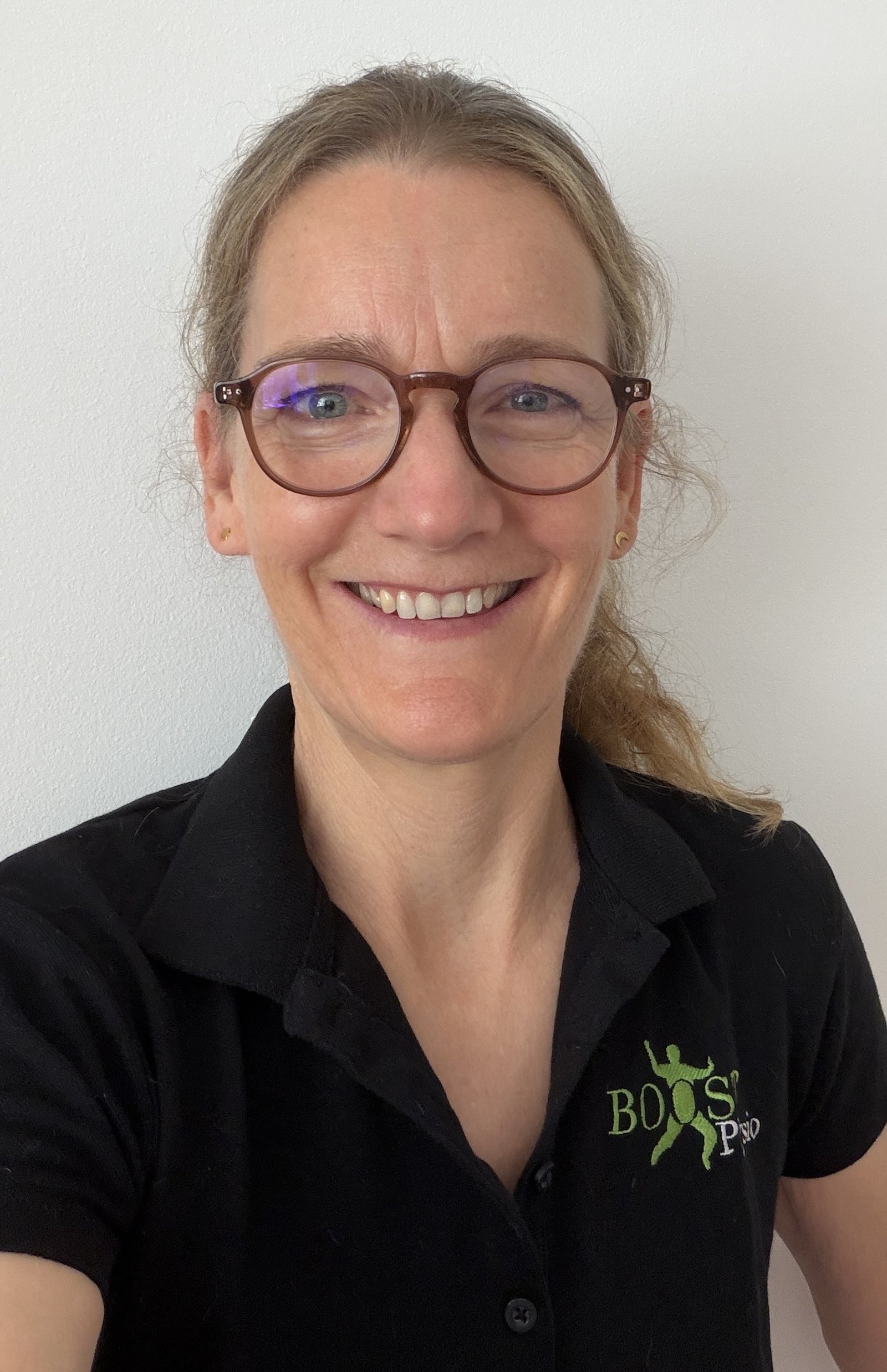
Kate McLeod
Specialist Physiotherapist
Kate sees runners, complex or long-standing injuries and patients with hypermobility.
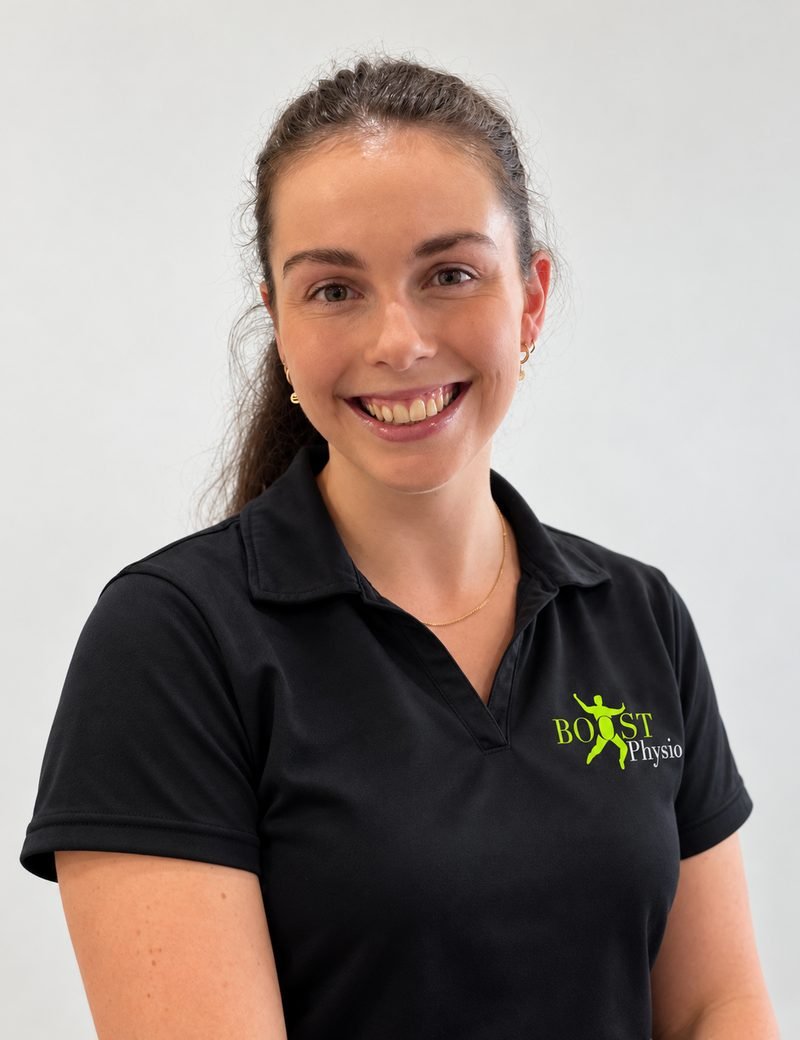
Siubhan Slater
Senior Physiotherapist
Siubhan treats sports injuries, back and neck pain and rehab after surgery.
What our Hampstead patients say
★★★★★
“I’ve had a great experience with each visit I’ve had so far with Madeleine.”
★★★★★
“Madeleine helped me with recovery after a rotator cuff injury and frozen shoulder.”
★★★★★
“I would strongly recommend Madeleine.”
Watch: women’s health advice from Maddy
Short videos from our Hampstead women’s health physio.

Women’s health physio in Hampstead explains

Common pelvic floor symptoms nobody talks about

Exercises to help pelvic girdle pain

One clinic, the experience of a whole team
Something our patients don’t always realise is how much support sits behind each physio. Our team trains together twice a month and every physio has a dedicated mentor who reviews cases with them, so when you see us in Hampstead you get the experience of the whole BOOST PHYSIO group.
- Same day appointments, seven days a week across our clinics
- No GP referral needed
- Recognised by Bupa, AXA Health, Vitality, WPA and Aviva
Live nearer Elstree? Catriona at BOOST PHYSIO Elstree is also Mummy MOT trained. Read more about our pelvic health physio service.
Book with our women’s health physio
BOOST PHYSIO Hampstead, 5 Holly Hill, NW3 6QN.
Related reading

Your questions answered
Will I have to have an internal examination?
No. An internal examination gives the most accurate picture of your pelvic floor, but it is only done if it is appropriate and you are happy to go ahead. We can still help without it.
When can I have a Mummy MOT after giving birth?
Usually from about 6 weeks after a vaginal birth and 8 weeks after a caesarean, once you have had your GP check. It is never too late, and many women come years later.
Can women’s health physio help during pregnancy?
Yes. We treat pelvic girdle pain, back pain and pelvic floor symptoms during pregnancy and can advise on staying active safely.
Do I need a GP referral to see a physio?
No. You can book directly with us online, by phone or on WhatsApp. If you are claiming on private medical insurance, check with your insurer first, as some ask for a GP or specialist referral.
Can I use my health insurance?
Yes. We are recognised by Bupa, AXA Health, Vitality, WPA and Aviva. Bring your authorisation number and policy details and we will do the rest.

Written and clinically reviewed by Steven Berkman, BSc Physiotherapy (University of Cape Town), HCPC-registered chartered physiotherapist, MCSP, founder of BOOST PHYSIO in 2008, with Madeleine Paterson, Travis Egerton, Annie McCambridge, Kathleen Eng, Kate McLeod and Siubhan Slater at BOOST PHYSIO Hampstead. Last reviewed 12 November 2026.
References
- National Institute for Health and Care Excellence. Pelvic floor dysfunction: prevention and non-surgical management (NG210). 2021.
- Wu WH et al. Pregnancy-related pelvic girdle pain (PPP), I: Terminology, clinical presentation and prevalence. Eur Spine J 2004;13:575-589.
- Pelvic, Obstetric and Gynaecological Physiotherapy (POGP). Patient information leaflets. thepogp.co.uk.
This article is general information, not a diagnosis. If you are unsure what is causing your symptoms, book an assessment or speak to your GP. If you have severe or rapidly worsening symptoms, call 111 or 999.