

Back to walking, running and climbing stairs without knee pain
Kneecap pain, a twisted or swollen knee, a meniscus or ligament injury, arthritis or rehab after knee surgery. Expert assessment and a clear recovery plan, at clinics across North London and Hertfordshire.
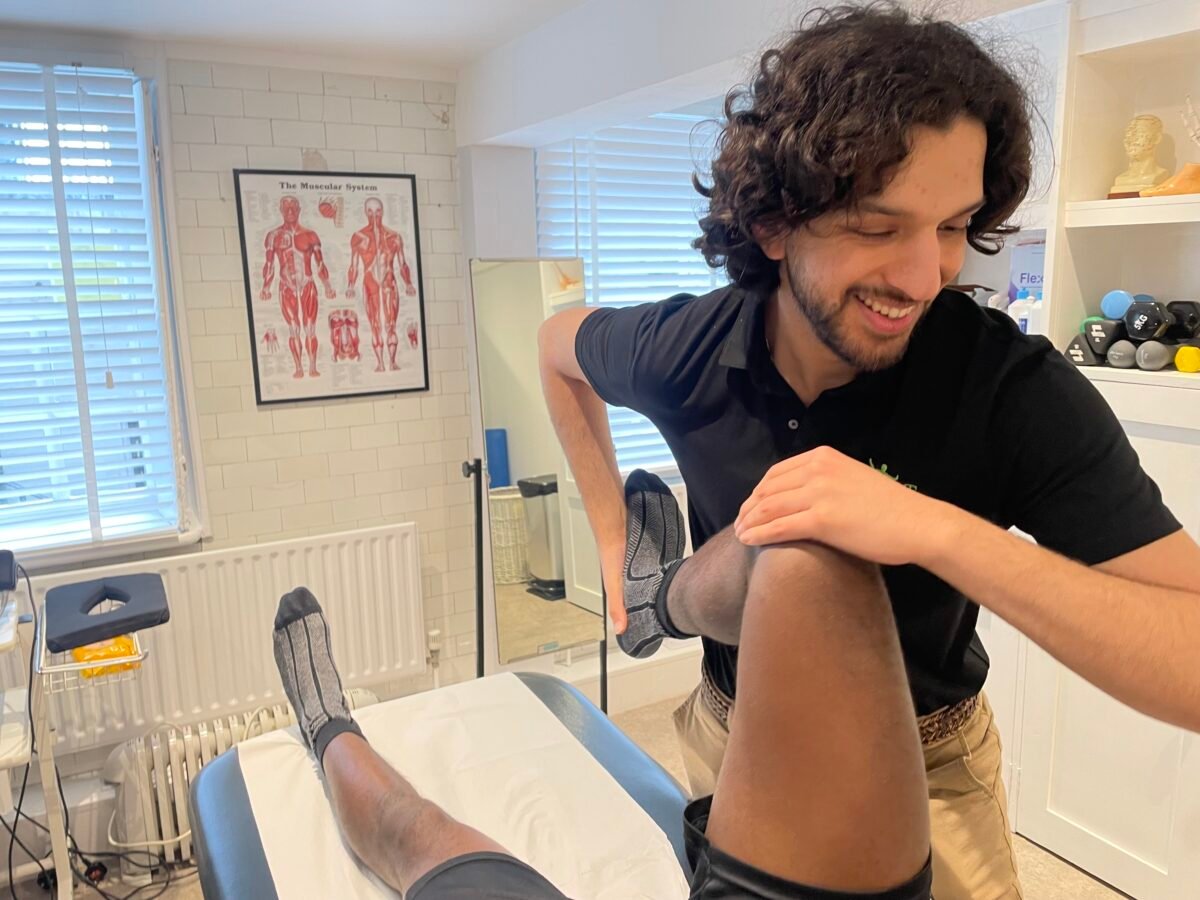
Quick answer: most knee pain comes from the one of the following structures of the knee: the kneecap joint (patellofemoral pain), a twisting injury to a ligament or meniscus, tendon overload or wear and tear to the knee joint itself (osteoarthritis). A physiotherapy assessment pinpoints the cause, usually without needing a scan. For most knee problems hands-on treatments to ease pain and restore movement, together with exercises, is the first-line treatment and research shows it often works as well as surgery for meniscus tears and many ligament injuries.
Why knee pain needs the right plan
Your knees take a lot. Every step, every stair and every time you stand up from a chair loads them, so when a knee hurts, it affects almost everything you do. It might be a sharp pain at the front of the knee on the stairs, a knee that swelled up after a twist on the football pitch, or a stiff, achy knee that makes walking the dog harder than it used to be.
We help people with knee pain every day across our clinics, from teenagers and runners to people preparing for, or recovering from, a knee replacement. The good news is that once the cause is clear, most knee pain responds really well to the right physiotherapy.
More than 1 in 5 people have pain at the front of the knee (patellofemoral pain) in any given year. It’s even more common in teenagers, at nearly 3 in 10.
Smith et al, PLOS ONE 2018 (22.7% adults, 28.9% adolescents)
What’s causing your knee pain?
The knee has lots of structures that can hurt and they’re easily mixed up. Here are the problems our physios see most often.
Kneecap pain
Patellofemoral pain, runner’s knee, chondromalacia
An ache around or behind the kneecap, worse on stairs, squatting, kneeling or after sitting for a while. Kneecap pain explained
Meniscus tear
Torn cartilage, cartilage tear
Pain on the inner or outer side of the knee, swelling, clicking or catching. Often after a twist, or gradually in people over 40.
Ligament injury
ACL, MCL, sprained knee
A twist or impact, often with a pop, swelling and a knee that feels like it might give way. ACL rehab
Knee osteoarthritis
Wear and tear, arthritic knee
Stiffness and an aching knee with walking or stairs, usually over 45. Very treatable with the right exercise. Arthritis treatment options
Tendon pain
Patellar tendinopathy, jumper’s knee
Pain just below the kneecap, worse with jumping, running or squatting and often stiff in the morning.
After knee surgery
Knee replacement, ACL reconstruction, arthroscopy
Getting your movement, strength and confidence back, step by step, with a plan that fits your surgeon’s protocol. Knee replacement rehab
Knee pain: the key facts
| Most common causes | Kneecap (patellofemoral) pain, meniscus tears, ligament sprains, tendon overload and osteoarthritis. |
|---|---|
| Do I need a scan? | Usually not. Most knee problems can be diagnosed with a physiotherapy assessment. A scan helps if the knee locks, keeps giving way or isn’t improving. |
| Main treatment | A tailored strengthening programme with hands-on treatment, plus advice on what to keep doing and what to ease off. |
| How long it takes | Mild strains often settle in a few weeks. Kneecap pain, tendon problems and arthritis usually need a structured programme over a few months. |
| When it’s urgent | A hot, red, swollen knee with fever, being unable to take weight after an injury, a locked knee or a painful, swollen calf. See a doctor or go to A&E. |
Do I need an MRI scan for knee pain?
Often not. A detailed history and a hands-on examination tell your physio a lot more than you might expect, including which structure is involved and how irritable it is. NICE guidelines say knee osteoarthritis can be diagnosed without a scan in people over 45 with activity-related joint pain and little or no morning stiffness.
A scan becomes useful if your knee is locking, keeps giving way, swelled up quickly after an injury or isn’t improving as expected. If you need one, we’ll arrange it quickly through our consultant network.
Is it arthritis? It’s still very treatable
Hearing the word arthritis can feel like a life sentence, but it isn’t. Exercise is the core treatment for knee osteoarthritis in NICE guidance, because stronger muscles around the knee take load off the joint and ease pain. Hands-on treatment can help too, alongside your exercises.
Many of our patients with arthritic knees get back to walking further, managing stairs and enjoying their hobbies again. If the time does come for a knee replacement, we’ll help you prepare and guide your recovery afterwards.
Setareh, our Swiss Cottage physio, shows 3 exercises our physios use again and again for knee problems
How physiotherapy treats knee pain
Resting a painful knee feels sensible, but complete rest lets the muscles around it weaken, which often makes the problem last longer. The aim is to calm the pain first, then build the strength and control your knee needs for the things you want to do.
Your physio will tailor your plan to the cause of your pain, your activity and your goals. Treatment may include:
- A thorough assessment – movement, strength, ligament and meniscus tests, plus checks of your hip, foot and the way you move
- Hands-on treatment – soft tissue release and joint mobilisations to ease pain, swelling and stiffness
- Progressive strengthening – for the quads, hamstrings, hips and calves, from simple exercises to gym-based rehab
- Taping and load advice – to calm a sore kneecap or tendon while you keep active
- Acupuncture and shockwave – for some patients, to help settle pain or a stubborn tendon problem
- Return to sport or activity – running, jumping, twisting and kneeling, reintroduced step by step
Most people feel a difference within the first few sessions. Your physio will set clear milestones, so you know you’re on track.

How hands-on treatment helps your knee
When a knee is painful or swollen, the muscles around it tighten up and the joint stops moving freely. You start to limp or avoid bending it, which makes it stiffer and weaker still. Hands-on treatment helps break that cycle.
Easing tight muscles, freeing up a stiff joint and calming swelling makes it easier to move, walk normally and do the exercises that lead to a lasting recovery. Your physio will choose the techniques that suit your knee and adjust them each session as you improve.
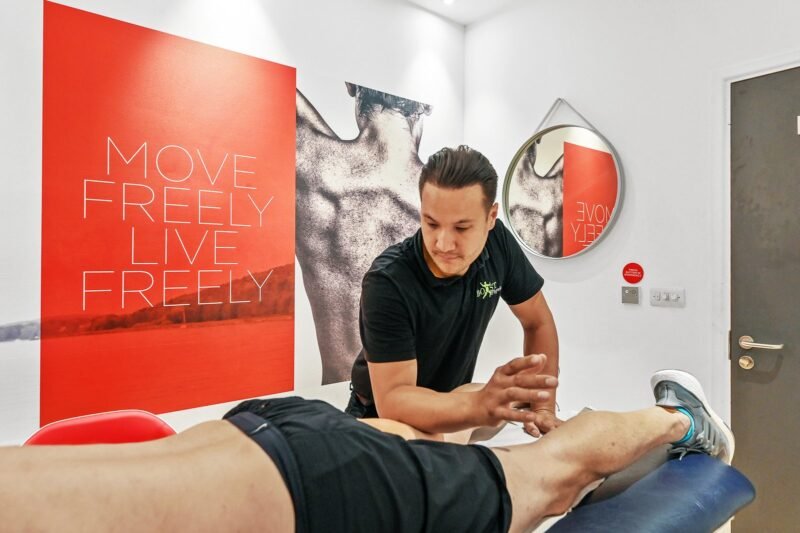
Soft tissue release
Massage and release work on tight quads, hamstrings, calf and the outside of the thigh. Easing these muscles takes tension off the kneecap and helps the knee move more comfortably.
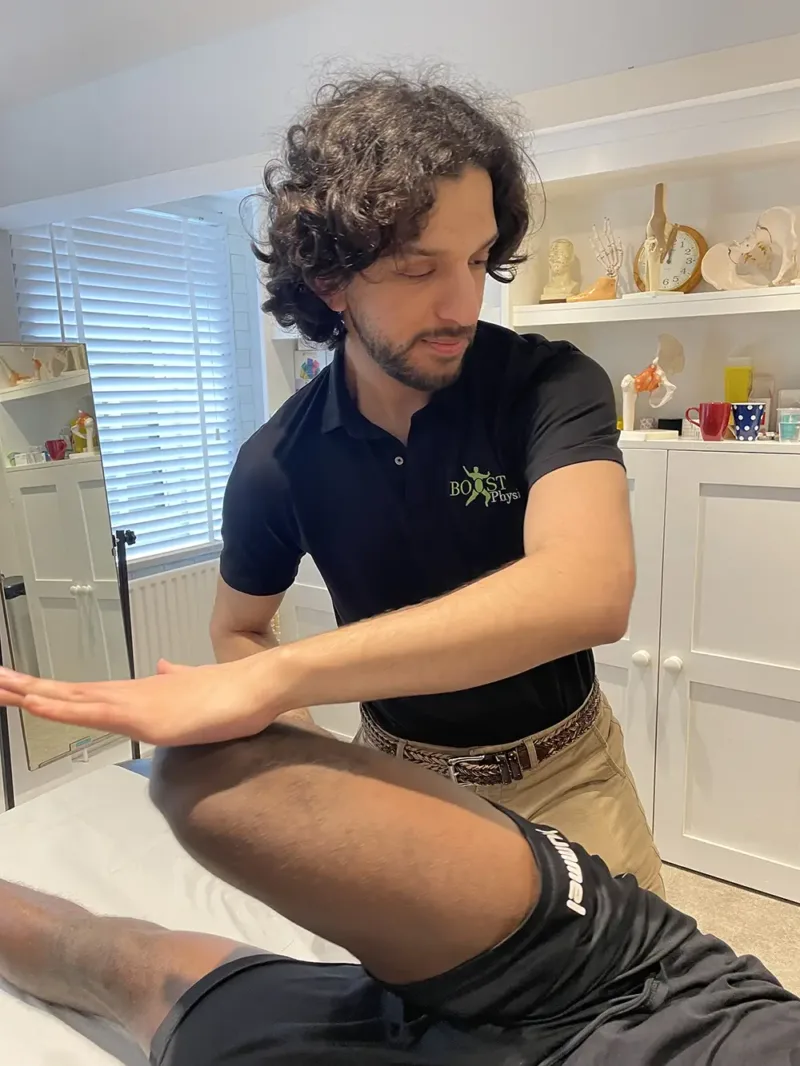
Joint mobilisations
Gentle, controlled movements of the knee and kneecap to ease pain and stiffness. Especially helpful after injury, with arthritis and after knee surgery, to get the knee bending and straightening again.
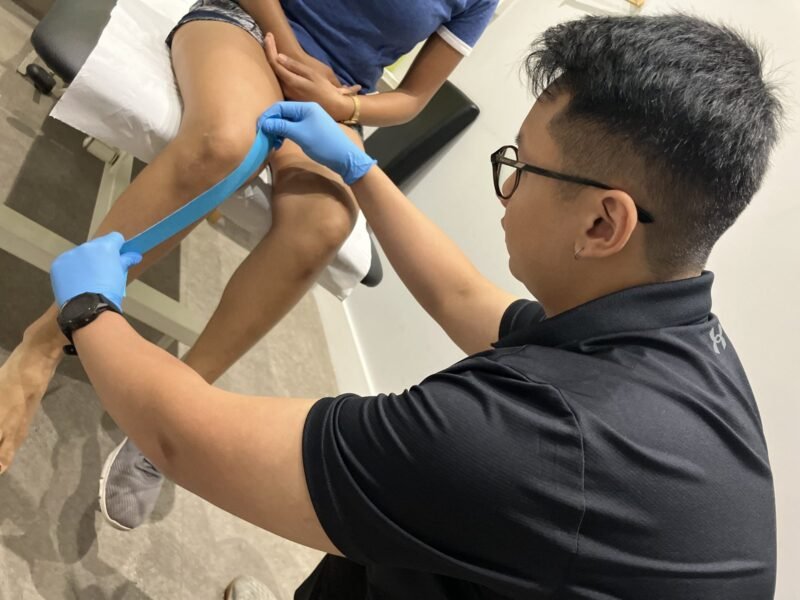
Taping and swelling control
Taping can take load off a painful kneecap or tendon so you can keep moving, while advice on positioning, compression and movement helps bring swelling down after an injury or operation.
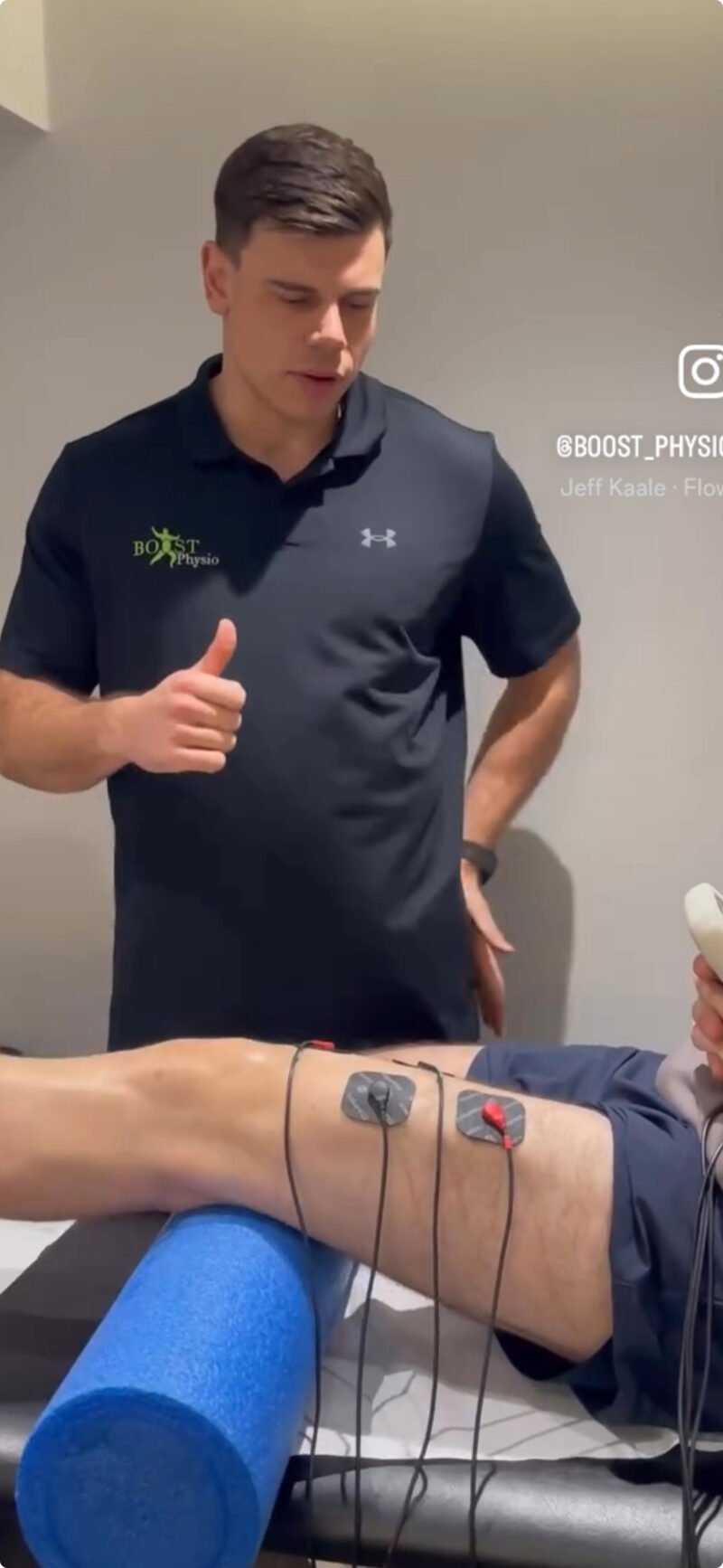
Muscle stimulation (EMS)
After injury or surgery, the thigh muscles can switch off and waste quickly. Electrical muscle stimulation helps wake them up, so you can strengthen sooner and walk more normally.
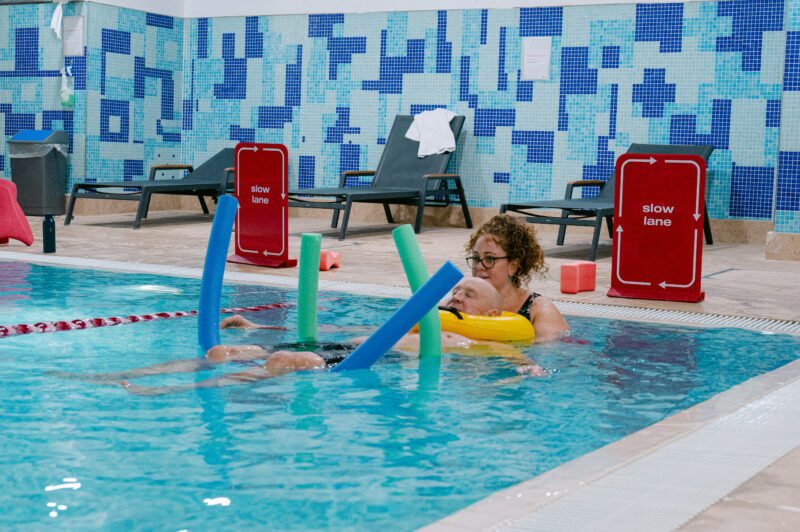
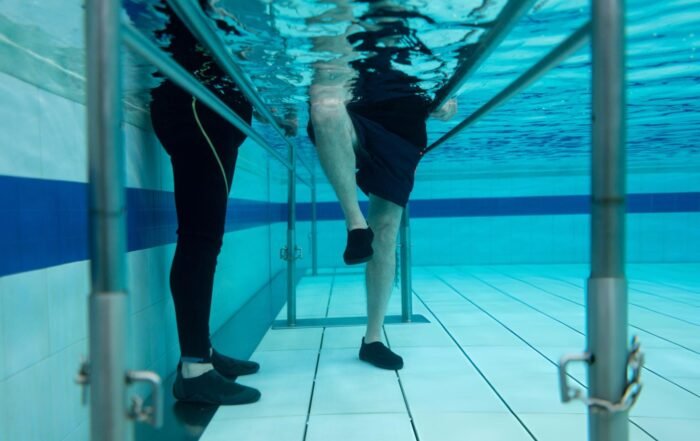
Hydrotherapy
Exercising in warm water takes much of your body weight off the knee, so you can walk, bend and strengthen with less pain. Ideal for arthritis and the early weeks after knee surgery.
Will I need surgery for my knee?
Fewer people need knee surgery than you might think. For many common knee injuries, a structured physiotherapy programme gives results close to, or as good as, an operation.
- Meniscus tears – in a trial of 321 people aged 45 to 70 with meniscus tears that weren’t locking the knee, physiotherapy was as effective as keyhole surgery at 2 years.
- ACL tears – in a Swedish trial of young active adults, rehab with surgery only if needed gave similar results at 2 years to early reconstruction. Around 6 in 10 never needed the operation.
- Arthritis – NICE advises against keyhole washouts for osteoarthritis. Exercise is the core treatment, with knee replacement an option when pain and function stay poor despite it.
Surgery is still the right choice for some people, for example a knee that locks, a young athlete in a pivoting sport, or advanced arthritis. We work closely with leading knee surgeons across London. If your knee needs a surgical opinion, we’ll tell you honestly and help arrange it, then guide your rehab every step of the way.
Rebecca, our Hampstead Garden Suburb physio, demonstrates ACL rehab exercises
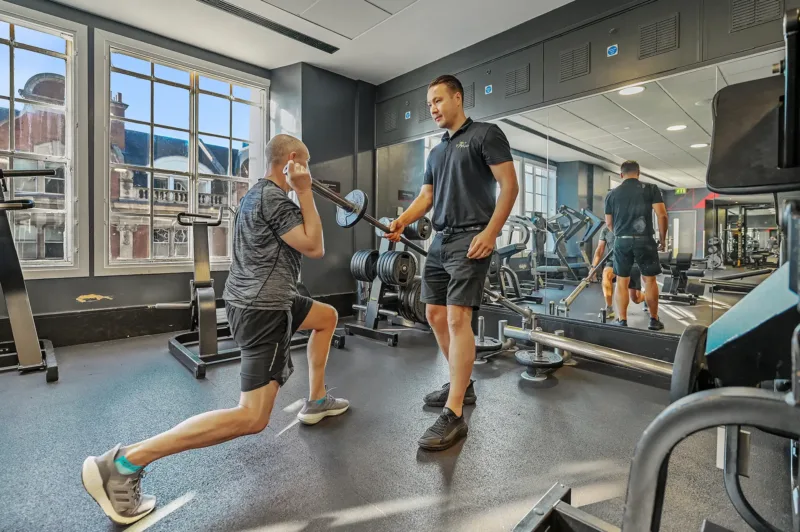
Strength is what keeps knee pain away
Hands-on treatment eases pain, but strength is what keeps it away. Research on kneecap pain recommends combining hip and knee strengthening and the same principle applies to most knee problems.
We start where you are, whether that’s simple exercises at home or progressing to gym-based rehab, then build towards the things that matter to you: a long walk, a 10k, a game of tennis or getting up from the floor with the grandchildren.
Watch: knee advice from our physios
Short, practical videos from the BOOST PHYSIO team. If an exercise makes your knee pain worse, stop and ask your physio for the right version for you.
Exercises for pain at the front of the knee
How to reduce knee swelling
What to do for a stiff knee
The first 2 weeks after a knee replacement
When to get your knee checked urgently
See a doctor urgently or go to A&E if you have:
- a hot, red, swollen knee, especially with a fever or feeling unwell
- a knee you can’t put any weight on after a fall or injury
- a knee that has locked and won’t straighten
- a painful, swollen or warm calf, particularly after surgery or a long journey
- swelling that came up within an hour or two of an injury
Book an assessment if your knee pain hasn’t settled within a couple of weeks, keeps coming back, stops you exercising or is affecting your sleep or daily life.
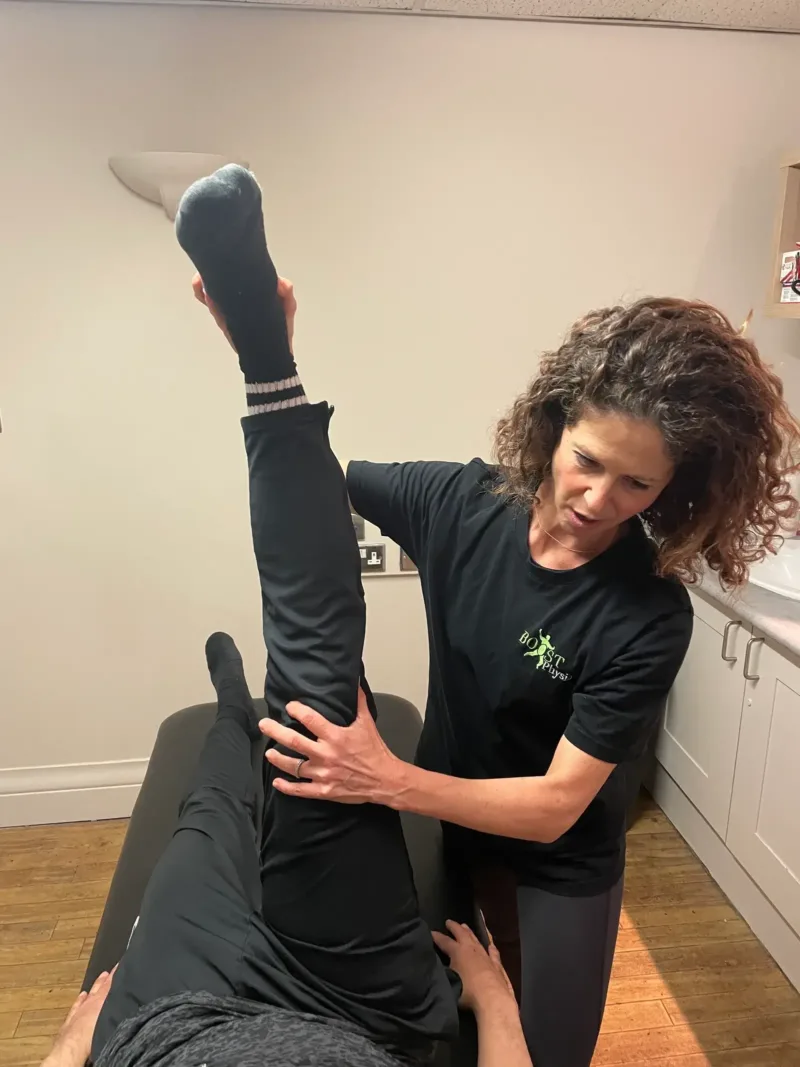
Why choose BOOST PHYSIO for knee pain?
We believe your best recovery comes from having every tool available, not relying on just one. Our physiotherapists combine hands-on treatment with exercise rehabilitation, tailored to you and adjusted as you improve. Every physio trains with the team twice a month and has a dedicated mentor who reviews their cases, so you benefit from the experience of the whole group.
If your knee needs a scan, an injection or a surgical opinion, we’ll arrange it. And if you’re having a knee replacement or ligament reconstruction, we’ll help you prepare beforehand and guide you all the way back afterwards.
- Same day physiotherapy appointments, 8am to 9pm
- A network of clinics across North London and Hertfordshire
- Male and female chartered physiotherapists
- Close links with leading knee surgeons and sports physicians
- Gym-based rehab and hydrotherapy
- Treatment recognised by Bupa, AXA Health, Vitality, Aviva and WPA
Knee physio near you
See a BOOST PHYSIO physiotherapist at our clinics in Hendon NW4, Hampstead NW3, Swiss Cottage, West Hampstead NW6, Kentish Town NW5, Hampstead Garden Suburb NW11, East Finchley N2, Muswell Hill N10, Crouch End N8, Mill Hill NW7, Kensington W8, Borehamwood WD6 and Elstree WD6.
Ready to get your knee moving again?
See a chartered physiotherapist today and leave with a clear plan. Your Best Recovery, Guaranteed.
Related reading
 Knee cap pain? What it is and how to help it
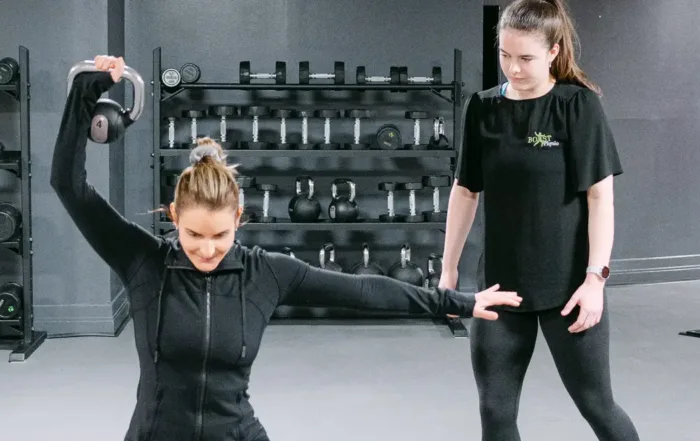 Expert ACL physiotherapy
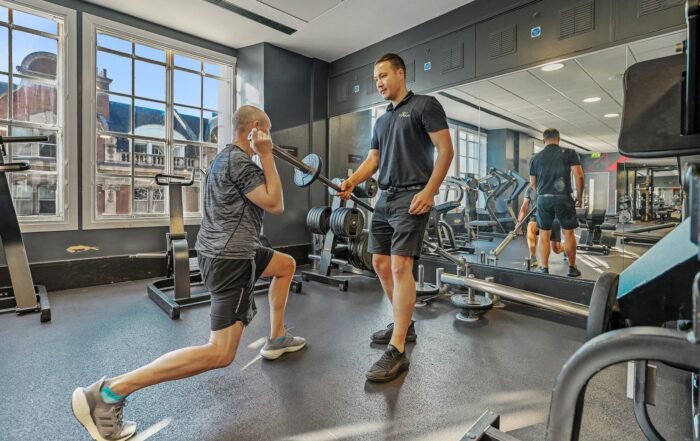 Knee ligament injury treatment options
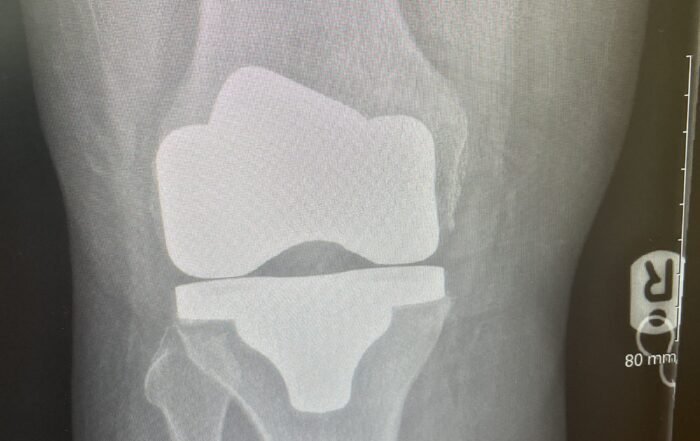 Total knee replacement rehab
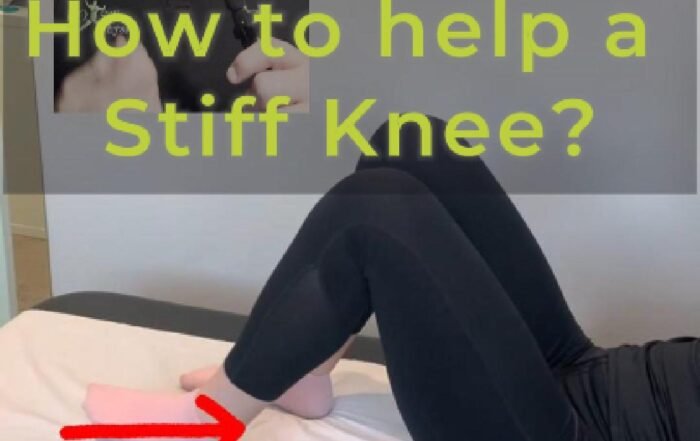 How to improve knee stiffness
 Hydrotherapy for knee pain and rehab
Written by Steven Berkman, Chartered Physiotherapist and founder of BOOST PHYSIO, with the BOOST PHYSIO team. This article is general guidance and is not a substitute for an individual physiotherapy or medical assessment.
Frequently asked questions about knee pain
What is the most common cause of knee pain?
Pain around or behind the kneecap, called patellofemoral pain, is one of the most common, affecting more than 1 in 5 people each year. Meniscus tears, ligament sprains, tendon problems and osteoarthritis are the other main causes. A physiotherapy assessment will pinpoint which one is causing yours.
Should I rest my knee or keep moving?
Keep moving within comfortable limits. Complete rest lets the muscles around the knee weaken, which often makes pain last longer. Your physio will show you which activities to keep doing, which to ease off for now and the exercises that will help.
Do I need an MRI scan for knee pain?
Often not. Most knee problems can be diagnosed with a thorough physiotherapy assessment. A scan helps if your knee locks, keeps giving way, swelled up quickly after an injury or isn’t improving as expected. We can arrange one quickly through our consultant network if you need it.
Can physiotherapy help a torn meniscus without surgery?
Yes, for many people. In a large trial of people aged 45 to 70 with meniscus tears that weren’t locking the knee, physiotherapy was as effective as keyhole surgery after 2 years. Surgery may still be needed if your knee locks or doesn’t improve with good rehab.
Can physiotherapy help knee arthritis?
Yes. Exercise is the core treatment for knee osteoarthritis in NICE guidance, because stronger muscles take load off the joint and ease pain. Hands-on treatment, hydrotherapy and advice on activity help too. If a knee replacement is needed later, we’ll help you prepare and recover.
How long does knee pain take to get better?
It depends on the cause. Mild strains often settle within a few weeks with the right advice. Kneecap pain, tendon problems and arthritis usually need a structured programme over a few months. Your physio will give you clear milestones so you know you’re on track.
Does hands-on treatment help knee pain?
It can, as part of your plan. Soft tissue release and joint mobilisations ease pain, tightness and stiffness, which makes it easier to walk normally and do your exercises. It works best combined with a strengthening programme rather than on its own.
Can I use my private health insurance?
Yes. Our treatment is recognised by Bupa, AXA Health, Vitality, Aviva and WPA. Some insurers ask for a GP referral or authorisation code before your first appointment, so it’s worth checking your policy. You can also self-refer and pay directly, with no referral needed.
Where can I find a knee physio near me?
BOOST PHYSIO has a network of clinics across North London and Hertfordshire, including Hendon, Hampstead, Swiss Cottage, West Hampstead, Kentish Town, Muswell Hill, Crouch End, East Finchley, Mill Hill, Kensington, Borehamwood and Elstree. Same day appointments are available from 8am to 9pm. Book online, call 020 8201 7788 or WhatsApp us.
References
- National Institute for Health and Care Excellence. Osteoarthritis in over 16s: diagnosis and management (NG226). 2022.
- Smith BE, Selfe J, Thacker D et al. Incidence and prevalence of patellofemoral pain: a systematic review and meta-analysis. PLOS ONE 2018;13(1):e0190892.
- van de Graaf VA, Noorduyn JCA, Willigenburg NW et al. Effect of early surgery vs physical therapy on knee function among patients with nonobstructive meniscal tears: the ESCAPE randomized clinical trial. JAMA 2018;320:1328-1337.
- Frobell RB, Roos EM, Roos HP et al. A randomized trial of treatment for acute anterior cruciate ligament tears. New England Journal of Medicine 2010;363:331-342.
- Crossley KM, van Middelkoop M, Callaghan MJ et al. 2016 Patellofemoral pain consensus statement, part 2: recommended physical interventions. British Journal of Sports Medicine 2016;50:844-852.
